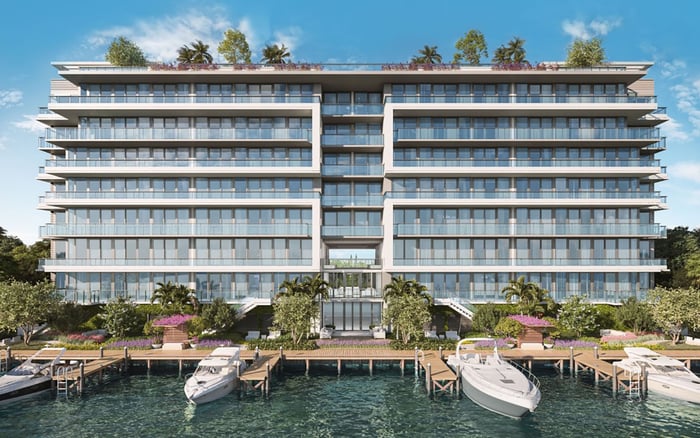
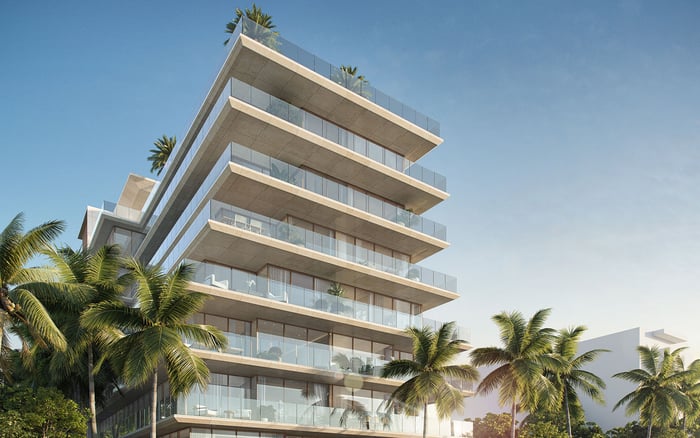
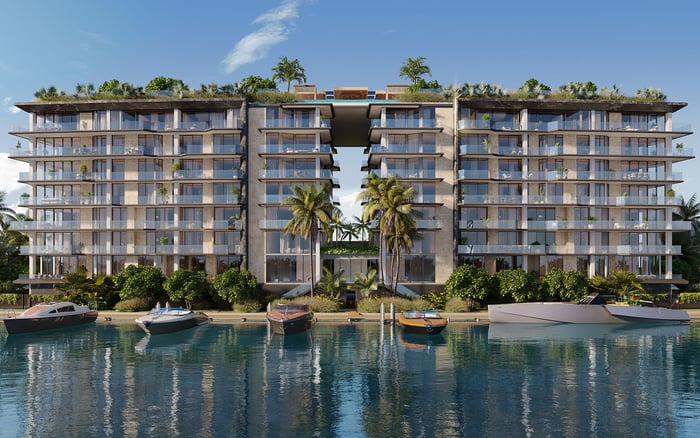
A practical MILLION buyer guide to Bay Harbor Towers, focused on the three waterfront variables that most shape daily life: natural light, dockage rights, and privacy from land and water.
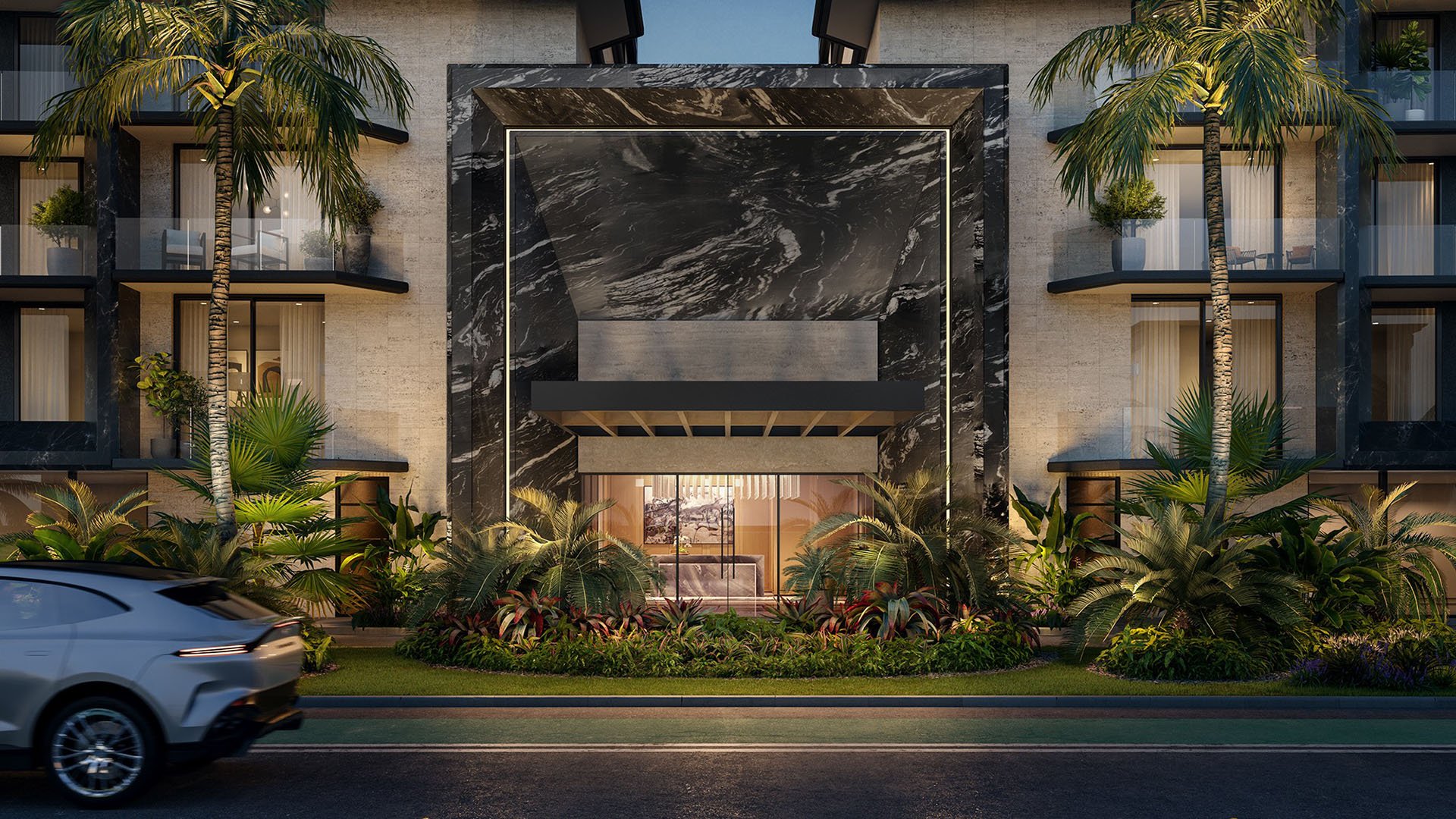
Bay Harbor Islands rewards buyers who look closely. The setting can feel residential, protected, and intimate, yet waterfront living here is never defined by view alone. At Bay Harbor Towers, the most useful conversations for a serious buyer extend beyond finishes or floor plans. They center on how the exact residence lives through the day, how dockage is controlled, and how private the home feels from both land and water.
That is especially important for the boutique buyer. In a smaller waterfront context, one stack can live very differently from another. A balcony may receive reflected morning light, then sharp glare later in the day. A bedroom may feel serene at noon and exposed after dark. A boat slip may sound straightforward until transfer rights, rules, insurance, and vessel limits are reviewed in writing.
For the broader Bay Harbor search, nearby projects such as Alana Bay Harbor Islands and Onda Bay Harbor reinforce a larger point: the most valuable waterfront diligence is specific, not generic. The right question is not simply whether a residence is on the water. It is how that particular home receives light, accommodates boating needs, and protects daily privacy.
Natural light should be evaluated by unit line, floor height, exposure, balcony depth, and neighboring sightlines. A waterview can improve perceived brightness through reflection, but buyers should not assume every waterfront residence performs the same. Water can amplify light beautifully. It can also create glare, heat gain, and a need for more considered window treatments.
The practical test is simple: stand in the living room, primary suite, kitchen, and balcony at different times of day. Morning light may reveal softness and clarity. Afternoon light may expose heat, screen dependence, or a heavier air-conditioning load, particularly with west-facing or south-facing exposures. Higher floors may offer broader corridors of light and view, but they should still be tested for sun intensity. Lower floors may be more affected by shadows from neighboring buildings, landscaping, seawalls, or dock structures.
Ask about glass specifications, shading, window treatments, and any association guidelines affecting balcony screens or exterior-facing treatments. In a refined waterfront home, light should feel intentional. It should support art, dining, reading, and entertaining without forcing the residence to live behind closed shades.
This same discipline applies when comparing Bay Harbor Islands alternatives such as La Baia North Bay Harbor Islands. The architectural promise matters, but the lived result depends on the precise combination of exposure, height, adjacent massing, and balcony geometry.
For boating buyers, dockage deserves its own diligence file. It should not be treated as a casual amenity or assumed to transfer automatically with a residence. Confirm whether slips are deeded, assigned, rented, waitlisted, or subject to association approval. Then confirm whether the dockage right transfers with the sale or requires a separate purchase, lease, application, or board consent.
The next questions are technical. What are the slip dimensions? What vessel length, beam, and draft are permitted? Is there a lift, and if so, what is the lift capacity? Are power and water hookups available? What insurance requirements apply? Are guest-docking rules written clearly, and are there limits on frequency or duration?
Navigation matters as much as the slip itself. Buyers should consider bridge clearances, channel depth, tide conditions, no-wake zones, marina access, and travel time to open water. A residence can be beautifully positioned, but if the boating route does not match the owner’s vessel or lifestyle, the waterfront value is less complete.
For buyers also watching the northern bay corridor toward Aventura, the same scrutiny belongs in every conversation. The appeal of waterfront ownership is emotional, but the mechanics are documentary. A serious boater should understand the dock rules, association process, and navigation constraints before the contract period becomes compressed.
Privacy at Bay Harbor Towers should be assessed in two directions. From land, buyers should study neighboring buildings, balcony-to-balcony angles, bedroom window exposure, and proximity to common areas. From water, they should consider passing boats, dock activity, seawall circulation, and nighttime visibility when interior lights are on.
Corner residences can be especially nuanced. They may offer stronger light and potential cross-breeze, yet they can also create more exposed sightlines depending on adjacent buildings and water traffic. A corner that feels open at midday may feel less private during evening hours, when glass can shift the balance between reflection and visibility.
During a showing, do not evaluate privacy only from the balcony. Sit in the primary bedroom. Stand at the kitchen island. Turn toward the living room glass from the deepest point of the plan. If the home is meant for entertaining, ask how visible the dining and terrace zones are from nearby residences or docks.
Bay Harbor Islands buyers comparing Origin Bay Harbor Islands and The Well Bay Harbor Islands should apply the same discipline. Privacy is not a single feature. It is the result of setbacks, angles, lighting, landscaping, balcony depth, and the rhythm of common-area use.
The most elegant waterfront purchase is also the most organized. Request condominium documents, rules and regulations, dock rules, architectural guidelines, recent board minutes, insurance disclosures, reserve information, and any seawall or dock maintenance history. These materials help reveal whether the building’s waterfront systems are governed clearly and maintained with the seriousness the setting deserves.
The strongest walkthrough strategy is to visit the exact residence in the morning, afternoon, and after dark. Each visit should answer a different question. Morning tests softness of light and noise. Afternoon tests glare, heat, and cooling comfort. Evening tests privacy, reflections, boat movement, and the way common areas affect the residence.
For a buyer at this level, patience is not hesitation. It is leverage. Bay Harbor Towers may appeal because of its waterfront setting and boutique scale, but the best decision comes from matching that appeal to the lived facts of the unit itself.
What should buyers ask first at Bay Harbor Towers? Start with the exact unit line, exposure, floor height, balcony depth, dockage status, and privacy conditions from both land and water.
Does every waterfront residence receive the same natural light? No. Light varies by floor, exposure, nearby buildings, balcony design, and the way water reflection affects brightness and glare.
Why should buyers visit at different times of day? Morning, afternoon, and evening visits reveal different conditions, including shadows, heat gain, glare, noise, and nighttime visibility.
Are higher floors always better for light? Not always. Higher floors may offer broader view corridors, but buyers should still test afternoon sun intensity and cooling comfort.
What dockage questions matter most? Confirm whether slips are deeded, assigned, rented, waitlisted, or subject to association approval, then verify transfer rules in writing.
What vessel details should boating buyers verify? Check length limits, beam, draft clearance, lift capacity, hookups, insurance requirements, guest rules, and any approval process.
How should privacy be tested? Evaluate sightlines from neighboring buildings, balconies, docks, passing boats, common areas, and interior rooms after dark.
Are corner units more private? They can offer more light and air, but they may also create additional exposed sightlines depending on neighboring angles and water traffic.
Which documents should a buyer request? Request condominium documents, rules, dock rules, architectural guidelines, board minutes, insurance disclosures, reserves, and maintenance history.
What is the most important buyer takeaway? Judge the exact residence, not the general waterfront address, because light, dockage, and privacy can change meaningfully by unit.
To compare the best-fit options with clarity, connect with MILLION.
If branded residences are on your mind — as a home or as an allocation — we would be glad to share what we are seeing, privately.
Begin a quiet conversation