A buyer-focused guide to reading amenity access, privacy, operating rules, and ownership implications in South Florida branded and mixed-use residences.
In South Florida’s luxury condominium market, amenities are no longer a decorative afterthought. They shape privacy, rhythm, resale appeal, operating costs, and the daily experience of ownership. The essential question is not simply whether a building offers a spa, pool, dining room, beach club, or fitness studio. It is who may use those spaces, when they may use them, and under what rules.
Owner-only amenities are reserved for residents and their approved guests. Hotel-guest amenities are shared with transient guests in a hotel or hospitality component. Some buildings separate the two completely. Others blend certain services while reserving select areas for owners. For a buyer comparing branded residences, waterfront towers, or a Condo-hotel structure, this boundary can influence everything from morning elevator traffic to the sense of discretion around a pool deck.
The most sophisticated buyers are not persuaded by the longest amenity list. They study access rights with the same care they bring to floor plans, views, and building financials.
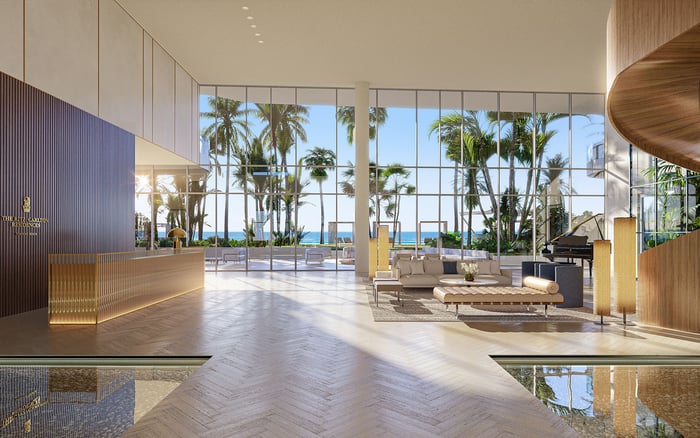
Owner-only amenities generally appeal to buyers who value continuity. The same residents use the same spaces repeatedly, which can create a quieter residential culture and a stronger sense of stewardship. In practice, that may mean more predictable use of fitness rooms, lounges, valet areas, residential pools, treatment rooms, and private dining spaces.
This model is often most attractive to primary residents, second-home owners who visit frequently, and families seeking a calm residential setting. In markets such as Brickell, the distinction can be especially important because surrounding neighborhoods already carry substantial restaurant, office, and visitor activity. A buyer evaluating St. Regis® Residences Brickell, for example, should look closely at which spaces are specifically residential and which services, if any, interact with broader hospitality programming.
Owner-only access can also support a perception of exclusivity. Yet exclusivity is not merely a mood. It should be defined in the governing documents, sales materials, rules, fee schedules, and operating procedures. If the right is not clearly described, buyers should ask before assuming.
Hotel-guest amenities can bring a different kind of value. A hospitality component may create a lively service environment, support food and beverage programming, and introduce a level of operational polish that some private-only buildings struggle to maintain. For owners who enjoy an energetic atmosphere, seasonal activity, and the feeling of a resort at home, shared hotel access can be part of the appeal.
This model may suit buyers who use a residence part time, entertain visiting friends, or appreciate a more animated pool, lobby, bar, or wellness setting. In Fort Lauderdale, a purchaser considering Four Seasons Hotel & Private Residences Fort Lauderdale should understand how private residential privileges coexist with hotel-driven service and guest circulation.
The tradeoff is that hotel guests are temporary by nature. Their patterns can shift by season, event calendar, weather, and holiday periods. A space that feels serene on a weekday morning may feel different during peak travel periods. This is not inherently negative. It is simply a lifestyle variable that should be evaluated honestly.
The first question is access. Which amenities are reserved for owners only, which are shared with hotel guests, and which require advance reservation or additional payment? Buyers should ask for practical answers, not only polished language. If there is a private pool, who monitors it? If there is a spa, do owners receive priority? If there is dining, can hotel guests book the same room at the same times?
The second question is cost. Owner-only amenities may be funded through association fees, while shared amenities may involve separate charges, minimums, service fees, or membership-style structures. The precise allocation matters because luxury buyers are not merely purchasing ambiance. They are buying into an operating system.
The third question is control. Who can change the rules? Can an operator alter access, hours, reservation priorities, or guest privileges? How are disputes handled? These points can be more important than the amenities themselves.
The fourth question is guest policy. A residence may allow family and personal guests, but limits can apply to unaccompanied visitors, renters, short stays, or event use. For buyers considering Short-term-rentals, this becomes especially important, even where the broader building concept appears hospitality friendly.
The premium end of the South Florida market is increasingly nuanced. Some buyers will pay more for insulation from hotel traffic. Others will pay more for the convenience of a polished hospitality ecosystem. The right answer depends on how the residence will be lived in.
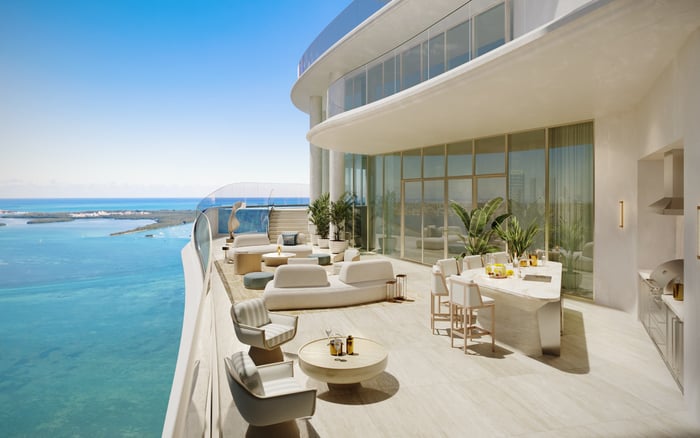
In beach and coastal markets, the privacy question is often amplified by outdoor spaces. A pool, cabana area, club room, or beach approach can feel fundamentally different when limited to residents. In Pompano Beach, a buyer comparing The Ritz-Carlton Residences® Pompano Beach with W Pompano Beach Hotel & Residences should focus less on brand familiarity and more on the actual amenity map, access rules, and residential priority.
Resale is also shaped by clarity. Future buyers will ask the same questions. A building with well-defined owner-only spaces can communicate privacy quickly. A building with shared hospitality amenities can communicate energy and service depth. The strongest assets make the distinction legible, consistent, and easy to explain.
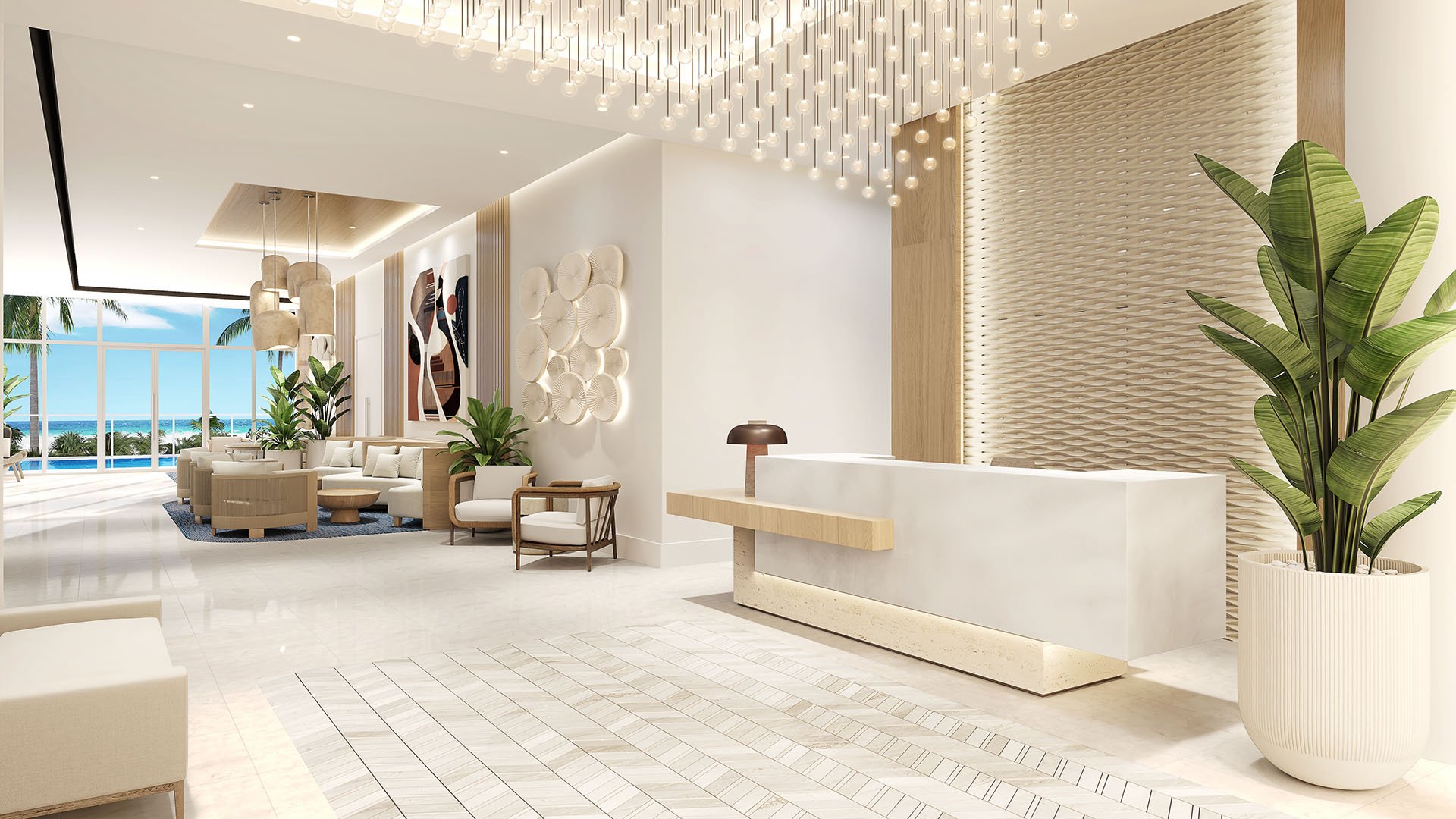
A serious buyer should review the amenity layout as carefully as the residence plan. Look for separate residential entries, elevator banks, reception points, pool locations, spa routes, parking transitions, package areas, pet circulation, and back-of-house movement. Even when two buildings have similar amenity names, the experience can be entirely different if circulation is separated.
The same principle applies in Miami Beach, where hospitality, privacy, and design often sit very close together. At The Ritz-Carlton Residences® Miami Beach, as with any high-end residential setting, the buyer’s task is to understand how the promised lifestyle is protected in day-to-day operations.
The best amenity package is not always the largest. It is the one whose rules match the owner’s tolerance for visibility, noise, scheduling, and interaction. In that sense, owner-only versus hotel-guest access is less a technical detail than a portrait of how the building intends to live.
What is an owner-only amenity? It is an amenity reserved for residents and their permitted guests, subject to the building’s rules.
What is a hotel-guest amenity? It is an amenity that may also be used by guests staying in a hotel or hospitality component.
Is owner-only access always better? Not always. It is better for buyers who prioritize privacy, predictability, and a quieter residential culture.
Can shared hotel amenities be valuable? Yes. They may support a more active service environment and a resort-style atmosphere.
Should buyers rely on marketing language? No. Buyers should verify access, fees, hours, guest rights, and reservation rules in the governing materials.
Do hotel guests usually affect privacy? They can, depending on circulation, seasonality, amenity placement, and how well private areas are separated.
What should second-home buyers consider? They should decide whether they prefer a quiet private retreat or the energy of a hospitality setting.
Are fees different for shared amenities? They can be. Buyers should ask which amenities are included and which may involve separate charges.
Do rental policies matter? Yes. Rental and guest-use rules can affect amenity access, building atmosphere, and long-term ownership fit.
What is the most important takeaway? The true luxury is not the amenity list itself, but the clarity, privacy, and control behind it.
For a discreet conversation and a curated building-by-building shortlist, connect with MILLION.
If branded residences are on your mind — as a home or as an allocation — we would be glad to share what we are seeing, privately.
Begin a quiet conversation