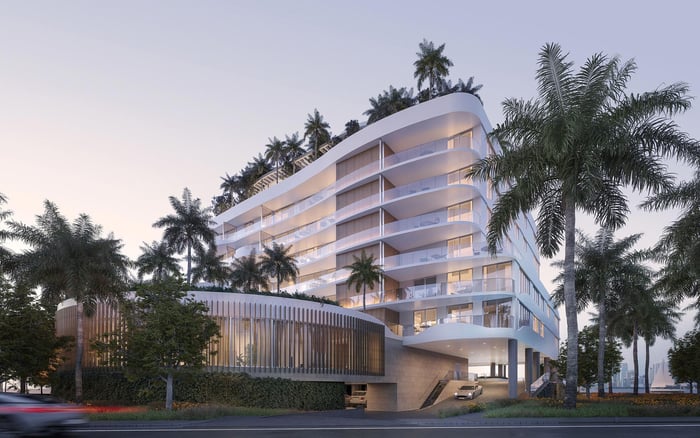
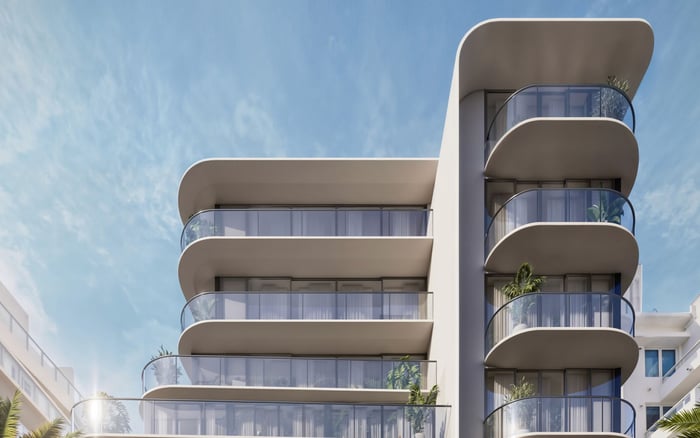
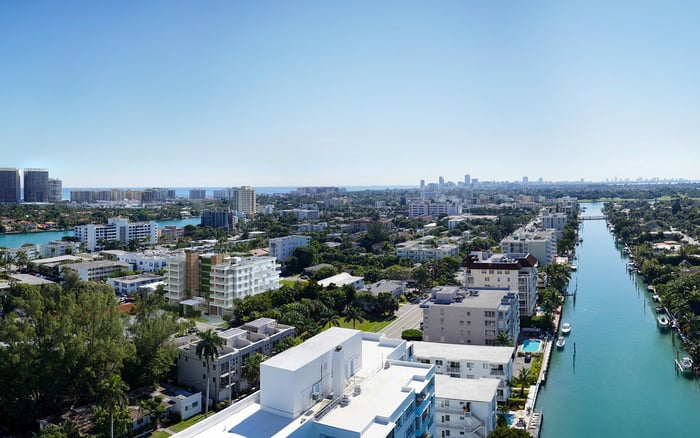
For waterfront buyers in Bay Harbor Islands, boat slip access and day-to-day operating rules can matter as much as view corridors and finish packages. This comparison frames Bay Harbor Towers and Onda Bay Harbor through a boater’s lens, focusing on what can be verified from publicly available project materials and what must be confirmed directly with the association or developer: whether slips exist, how they are allocated, and how local wake and speed expectations can affect docking, tendering, and insurance comfort.
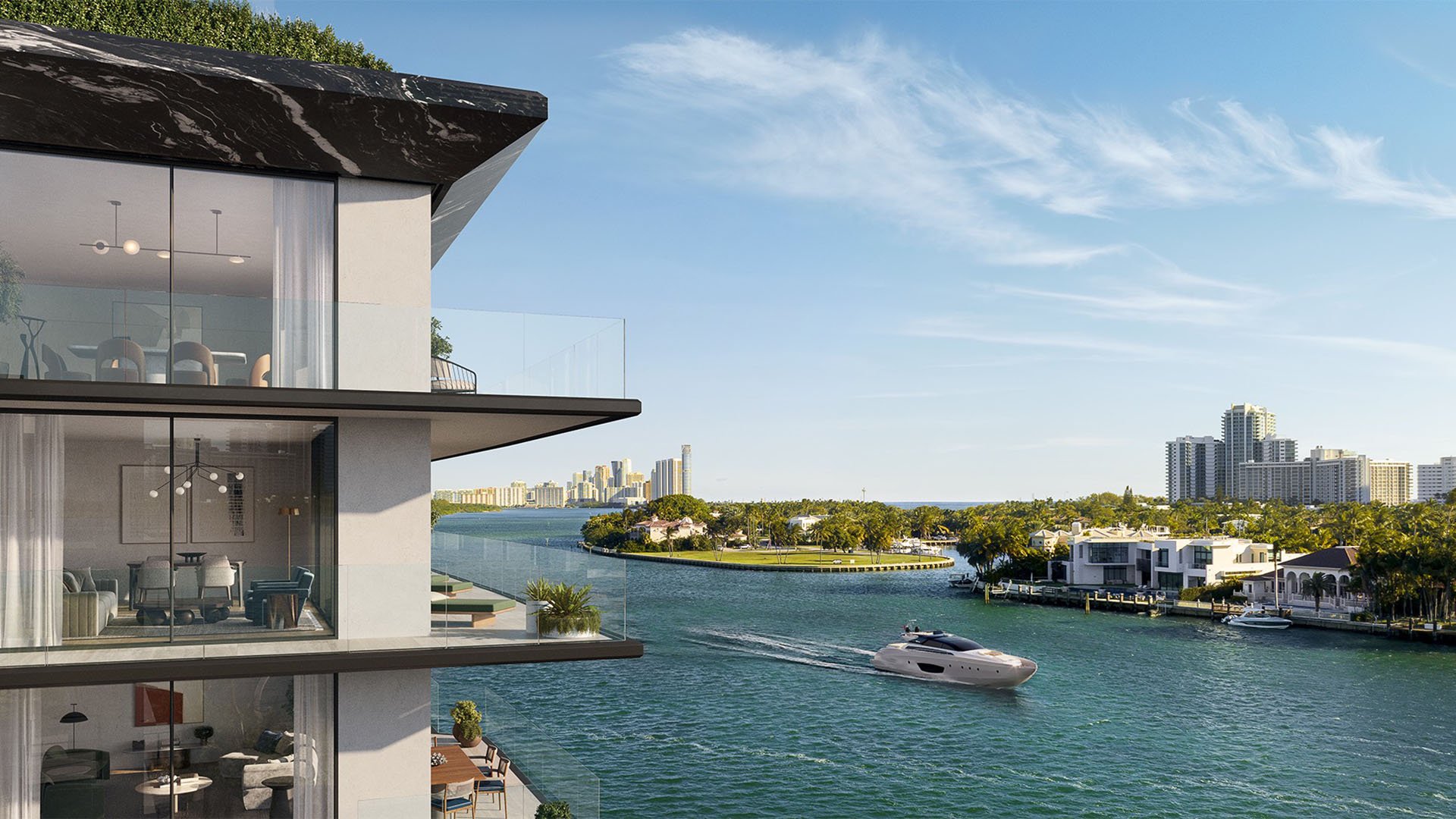
In Bay Harbor Islands, “waterfront” can translate into very different day-to-day realities. For a buyer who keeps a center-console on a lift, a tender for weekends on the sandbar, or a quiet runabout for evening cruises, the difference between a building with true slip infrastructure and one without is not a minor amenity gap-it’s a lifestyle gatekeeper.
Bay Harbor Towers and Onda Bay Harbor sit in the same rarefied conversation because they attract residents who want a calmer, more residential waterfront setting while remaining close to Miami Beach and the mainland. Yet slip access and wake expectations can vary even between neighbors. The practical question isn’t only “Are there slips?” It’s also “Who controls them, how are they allocated, and what is it actually like to maneuver in and out on a typical weekend?”
For readers evaluating Bay Harbor Towers versus Onda Bay Harbor, the most useful approach is to separate three layers: (1) physical marina infrastructure, (2) governance and allocation, and (3) operating conditions, including wake sensitivity and neighbor expectations.
A slip is not a slip is not a slip. In Bay Harbor Islands, listings and marketing language can be imprecise, and buyers can easily conflate a seawall, a “dock area,” and deeded-or otherwise controlled-slips.
Use this boater-grade definition set in your comparison:
Physical capability: Does the property have a dock, lifts, or finger piers designed for regular mooring, with safe approach angles and adequate clearance? Seawall frontage alone does not equal mooring rights.
Legal rights: Are slips deeded to specific units, assigned annually, leased under a license agreement, or controlled by a master association? Rights drive resale value and predictability.
Operational constraints: Are there vessel length and beam limits, insurance requirements, electrical/water hookups, pump-out access expectations, and documented rules on liveaboards and overnighting?
Even in luxury condominiums, “availability” often boils down to a simple reality: when slips are limited, there may be a waitlist-and waitlists can be long, opaque, or paused depending on building policy.
When you underwrite Bay Harbor Towers as a boater, think like an association attorney and a captain at the same time. Older, established waterfront buildings can offer a mature operating culture, but they can also carry layered rules that have evolved over time.
Request, review, and verify the following before you treat boat access as part of your purchase decision:
Association documents governing dockage: rules and regulations, any separate dock committee governance, and the current slip-assignment policy.
Slip map and assignment roster: not a promise that “a slip may be available,” but the exact inventory, how assignments are made, and whether assignments run with units.
Waiting list status and transferability: whether a new owner inherits a position, whether there are grandfathered rights, and how the association handles unit-to-unit transfers.
Insurance and indemnity requirements: required liability limits, additional-insured language, and any restrictions on personal watercraft, tenders, or commercial use.
Because association-controlled dockage can shift with votes and board policy, the only “availability” that matters is what’s documented-not what’s conversational. Treat any verbal assurance as provisional until the paperwork supports it.
With newer luxury product, the diligence checklist changes. The design intent can be impeccable, but the boating variables that matter most tend to live in disclosures and operating rules tied to ownership.
For Onda Bay Harbor, ask for:
Dock and slip disclosures: any recorded materials describing whether slips exist, whether they are deeded, and what limitations apply.
Allocation and pricing framework: if slips are sold, leased, or licensed, confirm the structure-and whether it can change after turnover.
Turnover timeline and control: what happens when control shifts from developer to owners, and whether dock policies are expected to be amended.
Use restrictions: typical constraints include chartering, subleasing, maintenance work performed at the dock, and fueling policies.
In other words, newer doesn’t automatically mean easier for boaters. It can be simpler-but only when the slip program is clearly disclosed and operationally realistic for the kinds of vessels residents actually keep.
Wake is the hidden variable in Bay Harbor Islands boating life. Even when posted zones aren’t top-of-mind, local etiquette often defaults to slow approaches and minimal wake near residential seawalls, docks, and narrow waterways.
For buyers, wake sensitivity matters for three reasons:
Docking comfort: A low-wake environment makes single-handed docking more manageable and reduces the surge that can slam boats into pilings.
Maintenance and repair: Reduced wake generally means less strain on dock hardware, lines, and fenders over time.
Association tolerance: Buildings with a strong quiet-residential identity may be less forgiving about noisy departures, aggressive throttling, or guest captains unfamiliar with the area.
Practically, diligence should include an on-water visit at peak times. Watch how traffic behaves in the immediate basin, how wind and current set across the dock face, and whether larger vessels routinely transit nearby and create rolling wakes.
To compare Bay Harbor Towers and Onda Bay Harbor fairly, keep the checklist identical. Buyers who run the same playbook tend to surface the real differences quickly.
Documents to request
Dock rules and regulations and any separate dock agreement.
Current slip assignment list and waitlist policy.
Vessel size restrictions, insurance requirements, and enforcement procedures.
Hours of access and any security protocols for dock entry.
Questions to ask management
Can an owner install lifts, and if so, what approvals are required?
Are guests allowed to tie up, and for how long?
Is commercial activity prohibited (captains, detailing, maintenance visits)?
What is the policy on personal watercraft and tenders?
Physical inspection points
Dock height relative to typical tide and freeboard for your boat type.
Fendering and piling placement.
Electrical pedestals, water spigots, lighting, and camera coverage.
Turning radius and clearance on approach.
A buyer with a 25 to 35 foot boat will care about different constraints than a buyer with a small tender. Underwrite to your specific vessel-not the generic promise of “boat-friendly.”
Not every Bay Harbor Islands buyer needs a slip at home. Some owners prefer the condominium as a serene base while keeping their boating lifestyle separate through a full-service marina arrangement elsewhere. In that case, priorities shift toward valet convenience, security, and the ability to come and go without the obligations that dock governance can bring.
This is also where Bay Harbor Islands fits a broader South Florida pattern: many buyers want a waterfront address but plan to boat occasionally rather than operate weekly. For those buyers, wellness, privacy, and the finish package can outweigh slip certainty.
If that sounds like you, it’s worth touring other Bay Harbor Islands options that lean into a resort-caliber residential experience. The Well Bay Harbor Islands and La Maré Bay Harbor Islands can help you calibrate whether your decision is fundamentally a boating decision or a lifestyle decision.
When buyers ask which is “better,” the honest answer is that it depends on your operating style-and your tolerance for governance.
The certainty-seeker: If your primary requirement is predictable, document-backed access to a slip, your best choice is whichever building can show the cleanest, most durable rights structure and the clearest allocation policy.
The occasional boater: If you’ll boat a handful of weekends a year, the value may be in keeping ownership simple and outsourcing complexity to a marina arrangement.
The quiet operator: If you prize low-drama arrivals and departures, spend time on the water around each property and note how neighbors behave. Culture can be as decisive as the written rules.
Between Bay Harbor Towers and Onda Bay Harbor, the right move is to treat slips and wake considerations as underwriting criteria-not marketing features. The building that feels perfect inside can become frustrating if boat access is uncertain, restricted, or socially contentious.
Do Bay Harbor Towers residences include deeded boat slips? Confirm in the association documents, since slip rights can be deeded, assigned, or leased depending on policy.
Does Onda Bay Harbor offer boat slip access for owners? Request the current disclosure and rules to verify whether slips exist and how they are allocated or licensed.
If slips are limited, how are they typically assigned? Many buildings use waitlists or annual assignments; always ask for the written policy and current roster.
Are there vessel size limits in Bay Harbor Islands condo dock programs? Often, yes. Verify maximum length, beam, draft, and any lift restrictions in the dock rules.
What should I look for when assessing wake conditions near a building? Visit by water at peak traffic and observe rolling wakes, wind setup, and how tight the maneuvering basin feels.
Can I keep a jet ski or tender at a condo dock? Some buildings allow them with strict rules; confirm storage method, noise expectations, and insurance requirements.
Do associations require specific boat insurance to dock on-site? Frequently, yes. Ask for the required liability limits and additional-insured language before you commit.
Are guests allowed to use the dock temporarily? Guest tie-ups are often restricted; verify the time limits and whether reservations or approvals are required.
Is “idle speed” effectively expected near residential seawalls? In practice, yes. Even where signage varies, low-wake operation is the norm for neighbor relations and safety.
What is the single most important slip-related document to request? The written dock rules plus the current slip assignment or waitlist status, because that reflects real availability.
For a discreet conversation and a curated building-by-building shortlist, connect with MILLION Luxury.
If branded residences are on your mind — as a home or as an allocation — we would be glad to share what we are seeing, privately.
Begin a quiet conversation