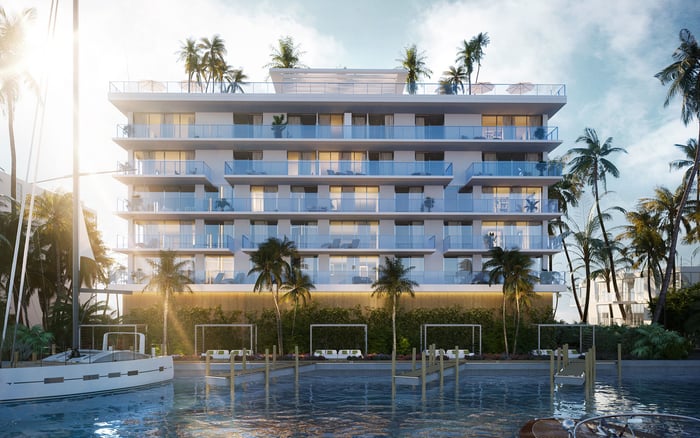
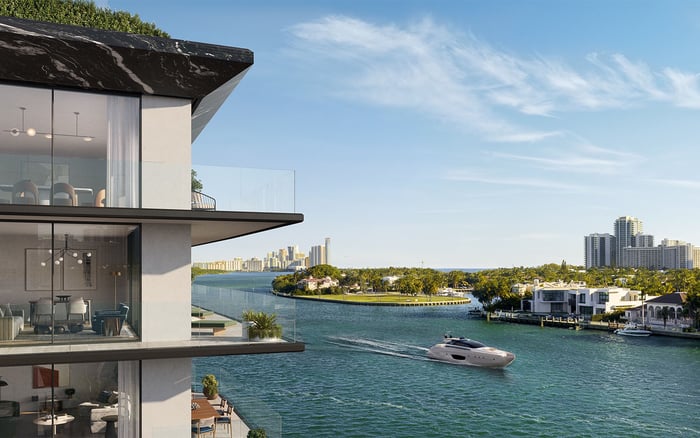
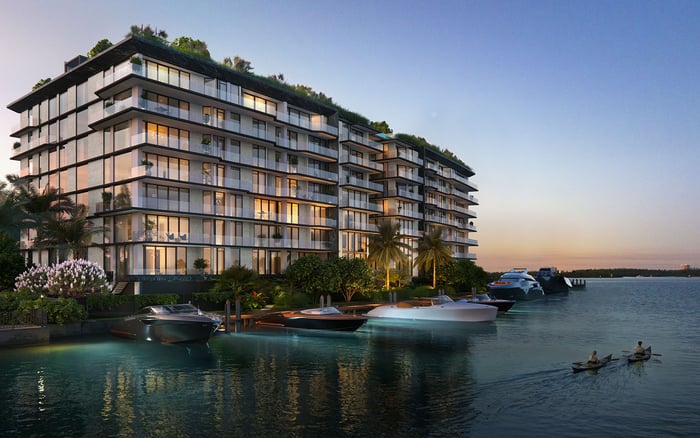
Deeded slips are one of the rarest, most value-defining amenities in Bay Harbor and the broader Miami waterfront. For buyers weighing a legacy bayfront building like Bay Harbor Towers against a newer offering like Origin Bay Harbor Islands, “wait time” is less a stopwatch metric and more a function of how slips are titled, transferred, and governed. This editorial breaks down what typically drives access to a deeded slip, what questions to ask before you go hard on a contract, and how to underwrite the lifestyle realities of keeping a boat at home.
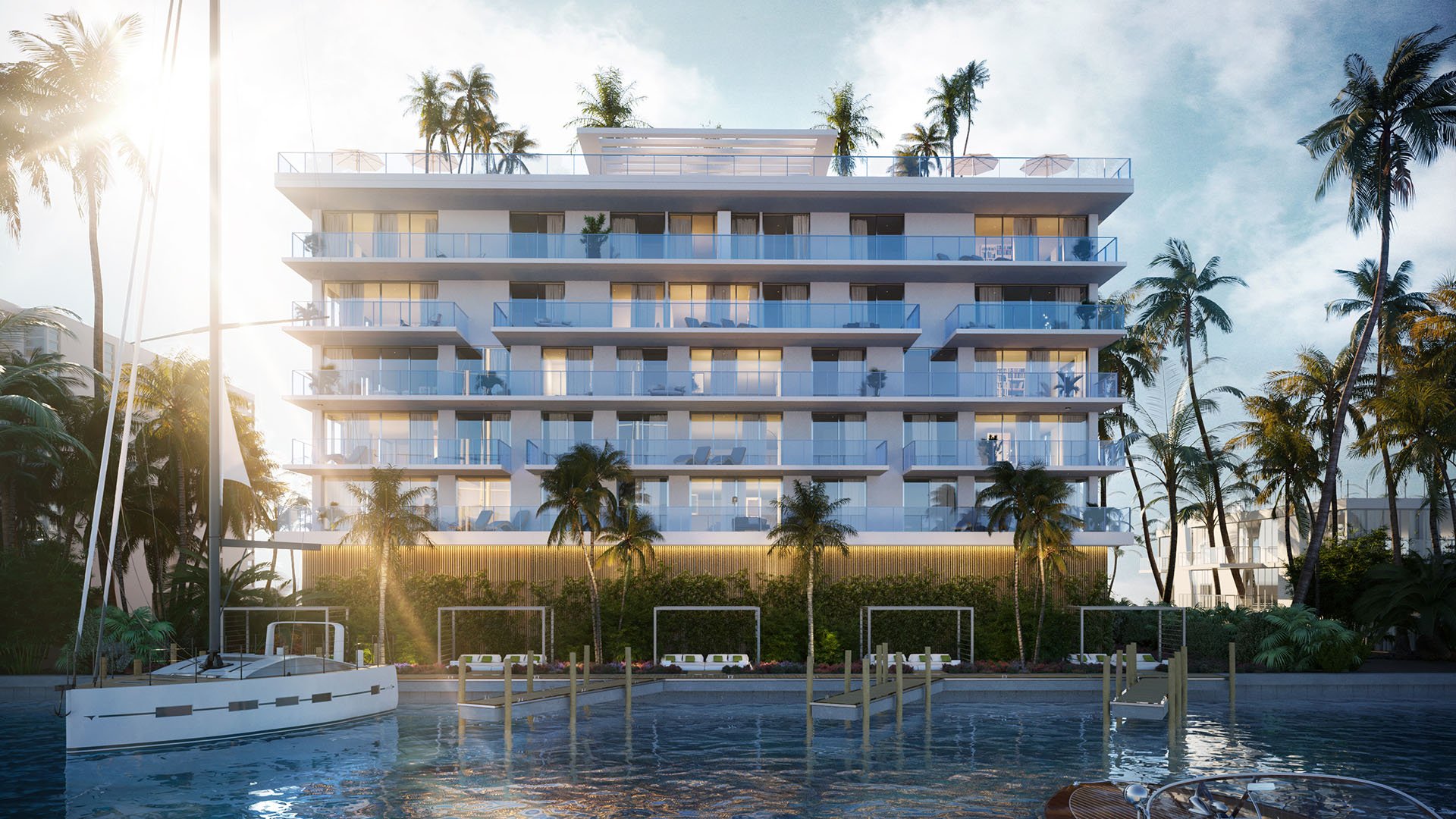
In Bay Harbor, a deeded boat slip is not simply an amenity. It is a distinct slice of waterfront utility-one that can shape resale demand, daily convenience, and how a property underwrites as a lifestyle asset. When slips are deeded, they are typically treated more like real property than a casual perk, which tends to make access more durable across ownership changes.
That durability is exactly why wait times become a primary question for serious buyers. But “wait time” is rarely a single number you can count on in advance. In practice, access is determined by how the slip is titled, how transfers are handled at closing, and what the building’s rules allow once you own.
This is where comparisons like Bay Harbor Towers versus Origin Bay Harbor Islands get nuanced. One may feel established and familiar, the other newer and design-forward, but the boating experience ultimately comes down to documents, governance, and vessel fit-not lobby renderings.
With deeded slips, the first clarity you need is whether the unit you are buying includes a slip deed, an option to purchase one, a license to use one, or access to a waitlist. Those are four materially different outcomes.
A true deeded slip that conveys at closing can remove the concept of “wait time” entirely. Your timeline becomes operational: closing date, any marina onboarding requirements, insurance compliance, and your ability to bring the vessel into the slip.
By contrast, a deeded-slip ecosystem can still produce wait time if the slip is deeded separately and not bundled with the unit you want. In that scenario, you are waiting for a slip owner to sell, for a slip to be offered within the community under its transfer rules, or for the association to approve a new arrangement.
In both legacy buildings and newer developments, wait time is commonly driven by three mechanisms:
Transfer mechanics: Whether slips transfer freely, require association approval, or are restricted to unit owners.
Priority structure: Whether priority is based on ownership tenure, unit type, board discretion, or a formal queue.
Use restrictions: Whether your vessel’s length, beam, draft, or lift needs align with the available inventory.
If you are hearing a specific wait period, treat it as informal until it is supported by your contract documents and association records.
Buyers often approach Bay Harbor Towers for proven bayfront positioning and the steady cadence of an established condominium. A legacy building can offer clarity through long-standing rules, a track record for how slip transfers are handled, and an ownership community that understands the system.
Buyers considering Origin Bay Harbor Islands are frequently drawn to newer construction sensibilities, a fresher amenity set, and the possibility of a more modern approach to waterfront living. With newer projects, the diligence is making sure what has been marketed is also memorialized-what is deeded, what is limited, and what is subject to future governance.
The practical way to compare the two is not to ask, “Which has a shorter wait?” but to answer three specific questions:
Does the specific unit include a slip deed now?
If not, what is the exact path to acquire one later?
What constraints could make your boat ineligible?
If you are also surveying broader Bay Harbor inventory, it can help to calibrate against other local waterfront options like Onda Bay Harbor, where the conversation can similarly hinge on what is truly deeded versus what is managed as a building-controlled privilege.
In luxury real estate, the most expensive surprises are the ones that were technically “disclosed” but never fully understood. Deeded slip access is a prime example.
Before you treat any slip as yours, focus diligence on:
Recorded title: Confirm whether the slip is a separate deed, a limited common element, or a right attached to the unit.
Governing rules: Review the condominium documents and any marina rules covering eligibility, transfers, and operating standards.
Assignment and conveyance language in the contract: Ensure the contract states clearly whether the slip conveys, and on what terms.
Board approval and onboarding: Even with a deeded interest, buildings commonly require documentation for insurance, registration, and operational compliance.
A discreet but powerful move is to have your counsel draft slip terms with the same precision you would apply to a parking deed, storage, or a penthouse roof terrace. When the slip is the reason you are buying, it is not an accessory.
Many buyers focus on whether a slip exists, then discover later that it does not match their actual vessel. That mismatch creates a de facto wait time: you own waterfront access in theory, but you cannot use it without downsizing, modifying, or swapping.
Underwrite these variables early:
Length and beam: The slip must accommodate not only LOA, but safe clearance.
Draft and tides: Bay conditions, depth, and seasonal variance matter.
Electric and water needs: Larger boats can require higher service capacity.
Maneuverability: Tight fairways can make docking stressful, especially for less experienced captains.
If boating is central to your lifestyle, decide whether you want a building whose identity is anchored to the water, or a boutique residential profile with occasional boating access. In Bay Harbor, that spectrum can include offerings such as The Well Bay Harbor Islands, which may appeal to buyers balancing waterfront proximity with a broader lifestyle program.
Even when the slip is deeded and the boat fits, the lived experience is shaped by the operating environment. Bay Harbor boating can be deeply rewarding, but it is not frictionless.
Key realities to price in:
No-wake and speed controls: These directly affect travel time and spontaneity.
Seasonality: Weekend traffic can change docking ease and channel congestion.
Maintenance cadence: Salt, sun, and humidity create continuous upkeep.
Insurance and liability: Buildings often require strict coverage standards.
Buyers who stay decisive on these details tend to be happier than those who assume a slip is a set-it-and-forget-it feature. “Wait time” can also show up operationally if your captain, insurer, or documentation is not aligned with building requirements.
In competitive South Florida luxury, contingencies require restraint. Still, deeded slip access is one of the few items worth structuring with precision because the downside is binary: either the boat lives at home, or it does not.
Consider strategies such as:
Conveyance clarity: Make slip conveyance explicit, including the exact identifier if applicable.
Approval timeline: If board approval is required for slip use, align closing with the approval schedule.
Use representations: If the seller has been using the slip for a vessel similar to yours, that can inform risk assessment-but it still must be reconciled with the written rules.
A well-structured offer can read as clean as a cash offer while still protecting the core purpose of the purchase.
When comparing Bay Harbor Towers and Origin Bay Harbor Islands, the goal is not to “win” the shortest rumored wait. The goal is to secure predictable, contract-backed access that fits your vessel and your rhythms.
Choose an established building when you value institutional memory and operational predictability. Choose a newer project when you value contemporary living and are comfortable ensuring the final, document-backed details match the promise.
Either way, your advantage comes from treating the slip as a primary asset-not a footnote.
Are deeded boat slips always included with a condo purchase? No. Some units convey a slip deed, while others offer only access or the ability to acquire one.
If a slip is deeded, can there still be a wait time? Yes. You may still wait if the slip is separately deeded and not part of the unit you buy.
What is the first document I should request when slips are involved? Request proof of how the slip is titled and whether it is conveyed with the unit.
Can the condo association restrict how I use a deeded slip? Often, yes. Rules may govern vessel size, operations, insurance, and conduct even with deeded rights.
What makes a slip unusable for a specific owner? Most commonly: vessel length or beam, insufficient depth, maneuvering constraints, or utility limits.
Should I rely on a verbal statement about slip availability? No. Treat verbal statements as informal until confirmed in the contract and governing documents.
Can I rent my deeded slip to someone else? It depends on the building’s rules; many restrict rentals to owners or limit third-party use.
Does “deeded” mean I can sell the slip separately later? Sometimes, but not always; transferability can be restricted by condominium documents.
How do I reduce risk when boating access is my top priority? Make slip conveyance explicit in the contract and confirm your vessel meets written requirements.
Is Bay Harbor a good fit if I want to boat frequently? It can be, provided your home slip access is contract-backed and your vessel fits the site conditions.
To compare the best-fit options with clarity, connect with MILLION Luxury.
If branded residences are on your mind — as a home or as an allocation — we would be glad to share what we are seeing, privately.
Begin a quiet conversation