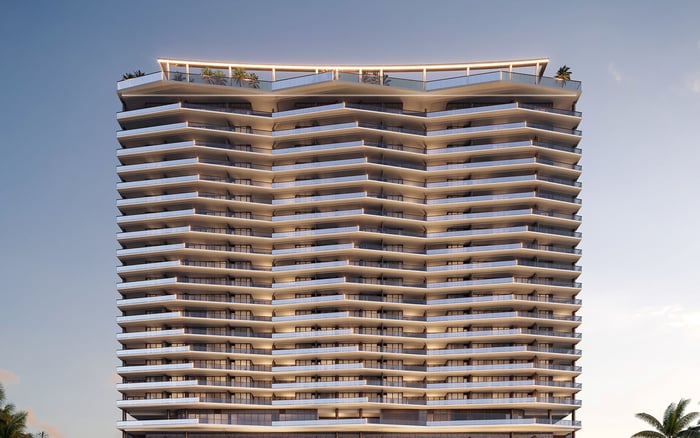
A practical buyer’s guide to evaluating school-bag storage at Banyan Tree Residences West Palm Beach, with emphasis on entry planning, family routines, service circulation, privacy, finishes, and long-term livability.
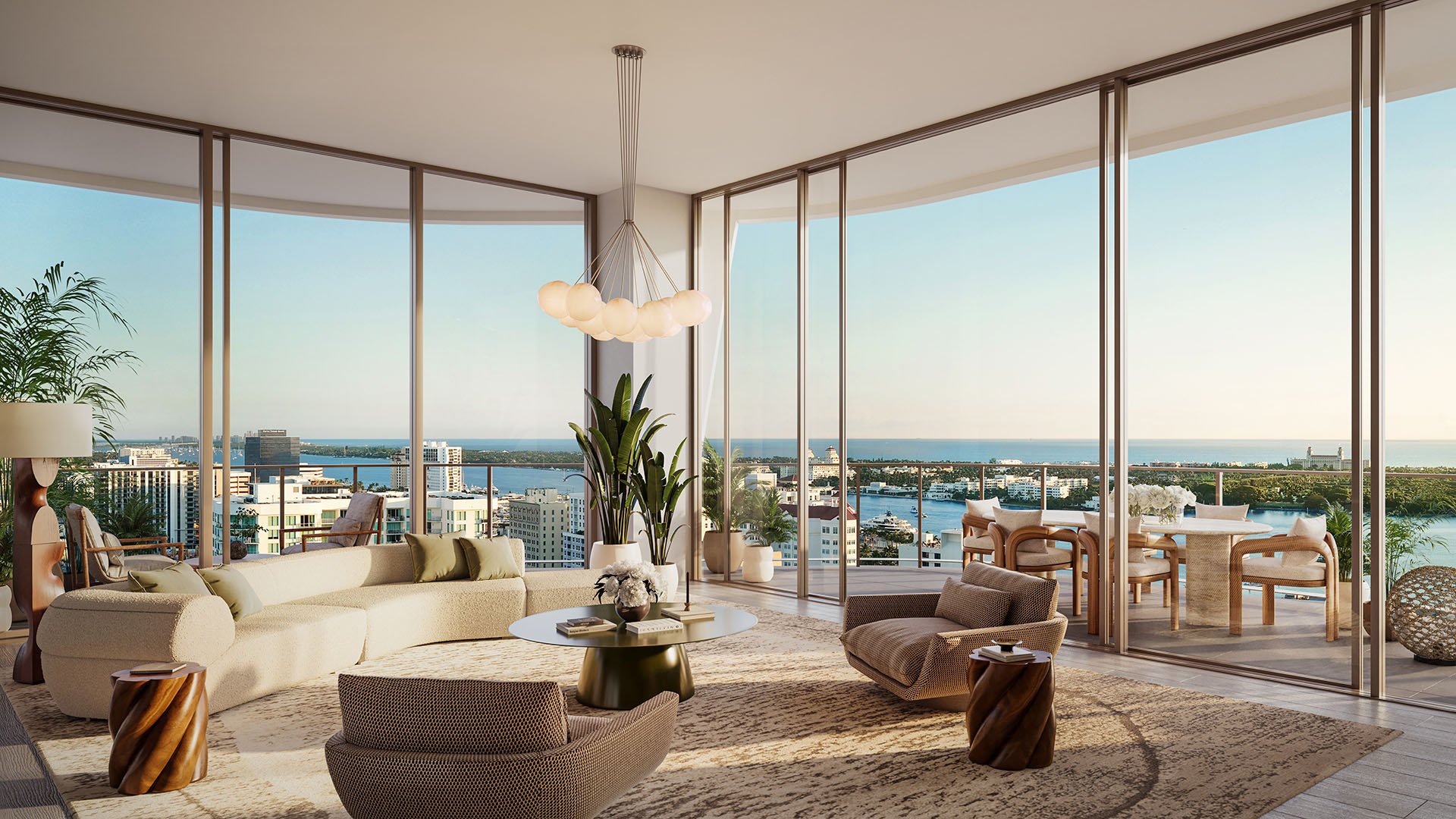
At the upper end of the South Florida market, buyers often study views, finishes, wellness spaces, parking, and the arrival sequence. For families, however, one of the most revealing questions is far more practical: where do the school bags go at 3:45 in the afternoon?
For Banyan Tree Residences West Palm Beach, the issue is not clutter in the ordinary sense. It is whether a residence supports the rhythms of polished family life. Backpacks, sports gear, art projects, laptops, lunch bags, tutoring materials, musical instruments, and rainy-day items all enter the home on a repeating schedule. If the plan cannot absorb them elegantly, even a refined residence can begin to feel improvised.
Buyers should treat school-bag storage as a design-performance question. The right solution preserves the entry experience, protects finishes, supports children’s independence, and keeps the residence ready for guests without requiring a daily reset. In a market where many homes are evaluated through the lens of lifestyle, this modest detail can speak volumes.
The first question is not where the closet is. It is how a child actually enters the residence after school. Does the path move through the main entry, a secondary corridor, a service vestibule, or directly into an open living area? The answer determines whether storage can remain discreet or whether belongings will migrate into the most visible rooms.
A polished family residence usually benefits from a drop zone positioned before the home opens into its principal entertaining areas. Buyers should ask whether the plan allows bags to be put away without crossing through the living room, kitchen island, or formal dining space. This is especially important for households with multiple children arriving at different times, or for families who employ drivers, nannies, tutors, or household staff.
The strongest solutions feel intuitive. A child should be able to enter, place a bag, remove shoes if needed, plug in a device, and continue into the home without leaving a visual trail. If every step requires adult intervention, the design is not doing enough work.
Not all storage is equal. A shallow coat closet may appear sufficient during a showing, but it may not perform well for structured backpacks, tennis bags, wet umbrellas, bulky projects, or uniforms. Buyers should ask what the designated storage area can actually accommodate, both in volume and in shape.
For school-age children, depth matters. So does vertical separation. Hooks, cubbies, drawers, shoe trays, charging shelves, and closed cabinets each serve a different purpose. Open hooks are easy for younger children, while concealed cabinetry is better for maintaining visual calm. A combination can be ideal, provided it is thoughtfully placed.
Materials also deserve attention. School-bag storage is high-contact territory. Cabinet interiors, hardware, wall protection, flooring, and nearby millwork should be durable enough for daily use. A beautiful entry that cannot tolerate backpacks brushing against it will create tension rather than ease.
Storage must work in both directions. The afternoon drop-off is only half the story. The morning departure can be more demanding, compressing school bags, breakfast, transportation, schedules, sports equipment, and last-minute parent checks into a narrow window.
Buyers should imagine the residence during a school-day morning. Can children retrieve their bags without blocking the entry door? Is there room for two or three people to gather at once? Can a parent inspect homework folders or devices without placing everything on a dining table? Is there a surface nearby for forms, keys, sunglasses, or water bottles?
If the storage zone is too far from the departure path, bags may end up staged near the elevator, foyer, or kitchen. If it is too visible, the residence can feel busy before the day has begun. The goal is a zone that supports movement without becoming the visual center of the home.
In luxury residences, school-bag storage often intersects with privacy. Families may want children’s belongings accessible to staff but not visible to guests. They may also want household teams to manage laundry, uniforms, lunch items, and activity gear without moving through formal spaces.
Buyers should ask whether the plan permits a discreet service rhythm. Can bags be unpacked away from the entertaining areas? Is there a logical place for sports uniforms or wet items to be separated? Can household staff move between storage, laundry, kitchen, and bedrooms without unnecessary overlap?
This is where floor-plan nuance matters. A residence can be spacious and still lack a graceful family back-of-house sequence. Conversely, a more compact plan can function beautifully if storage, circulation, and service access are aligned.
A buyer should not hesitate to be specific. Ask where school bags are expected to live. Ask whether any built-in millwork is planned, optional, or buyer-customizable. Ask about allowable modifications, electrical access for charging stations, ventilation for enclosed cabinetry, and whether adjacent finishes are suitable for frequent contact.
It is also useful to walk the routine. Stand at the point of arrival and trace the path with school bags in mind. Then reverse it for the morning departure. Look for pinch points, visible staging areas, and awkward transitions. The best answer may not be a single closet, but a sequence of small, well-placed supports.
Buyers comparing homes in the West Palm Beach and Palm Beach conversation should be especially attentive to how family function is handled within a refined design language. The same applies when evaluating private-school routines, new-construction expectations, pool-day gear, and balcony-adjacent storage for outdoor items. These labels may sound practical, but in daily life they are part of how a residence maintains composure.
School-bag storage is ultimately a proxy for livability. Future buyers with children or grandchildren will notice whether the home supports daily routines. They may not use the phrase “school-bag storage,” but they will respond to a residence that feels organized the moment they imagine themselves living there.
This matters because luxury buyers are increasingly sensitive to friction. They want beauty, but they also want ease. A home that handles backpacks, devices, shoes, sports gear, and household flow without visible compromise can feel more resolved. That sense of resolution is difficult to add after the fact if the plan lacks the right locations.
The most valuable storage is not necessarily the largest. It is the storage placed correctly, finished appropriately, and integrated into the architecture. For Banyan Tree Residences West Palm Beach buyers, the best question is not simply “Is there enough closet space?” It is “Does the home have a clear, elegant answer for the school-day routine?”
Before committing, families should define their own use case. Count the number of daily bags, activity bags, laptops, lunch containers, shoes, jackets, and seasonal items. Consider whether children will put items away themselves or whether staff will manage the routine. Then test the plan against that reality.
Ask whether storage can be assigned by child, whether closed doors can conceal the area when guests arrive, and whether the location can remain organized during peak weeks. If private tutoring, after-school sports, or frequent travel are part of the family rhythm, include those items in the conversation.
The most elegant residence is the one that feels prepared for real life. When school-bag storage is handled well, it disappears into the background. When it is not, it becomes a daily negotiation. For discerning buyers, that distinction is worth asking about early.
Why should buyers ask about school-bag storage at Banyan Tree Residences West Palm Beach? Because daily family routines reveal how well a residence performs beyond its finishes and views.
Is a standard entry closet enough for school bags? Sometimes, but buyers should test depth, access, durability, and whether the closet supports multiple children at once.
What is the best location for school-bag storage? The best location is close to the arrival and departure path, yet discreet enough to protect the main living areas.
Should storage be open or concealed? Open storage can help children use it independently, while concealed cabinetry preserves a calmer visual presentation.
What should families ask about customization? They should ask whether built-ins, charging shelves, hooks, drawers, and durable interior finishes can be added or adjusted.
Does school-bag storage affect resale? It can, because family buyers often respond strongly to homes that make daily life feel organized and effortless.
How does staff flow relate to school-bag storage? A strong plan lets staff manage bags, uniforms, and supplies without moving through formal entertaining areas.
What mistakes should buyers watch for? Watch for storage that is too shallow, too visible, too far from the entry, or unable to handle sports and device charging.
Can a beautiful residence still have weak family storage? Yes, spacious homes can still lack the right drop zones if circulation and daily routines were not carefully considered.
When should this question be raised? Raise it during early plan review or a private showing, before customization windows and design decisions become limited.
To compare the best-fit options with clarity, connect with MILLION.
If branded residences are on your mind — as a home or as an allocation — we would be glad to share what we are seeing, privately.
Begin a quiet conversation