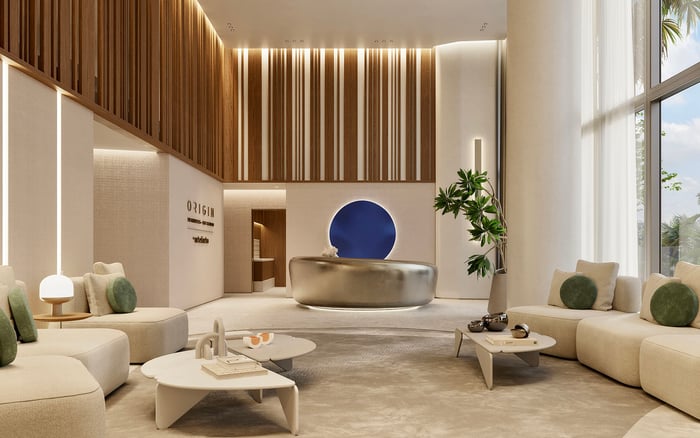
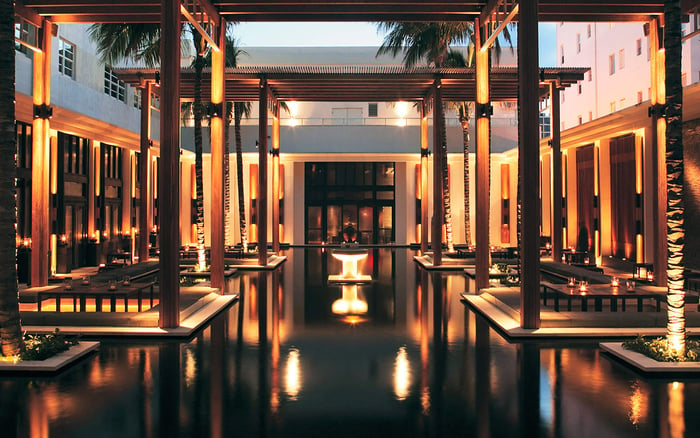
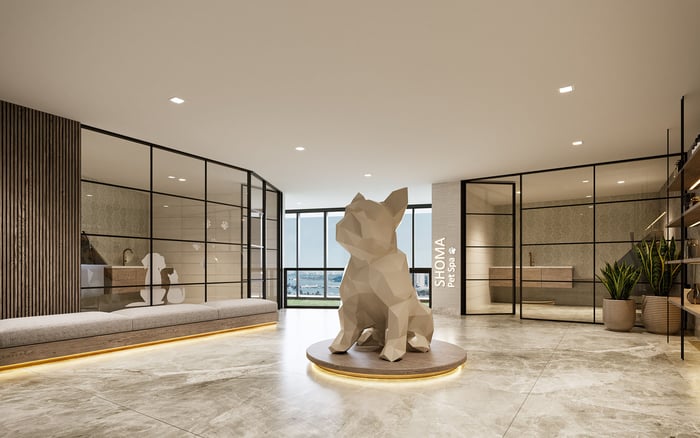
An editorial view of how Four Seasons Residences Coconut Grove translates branded hospitality into the daily realities of private residential ownership.
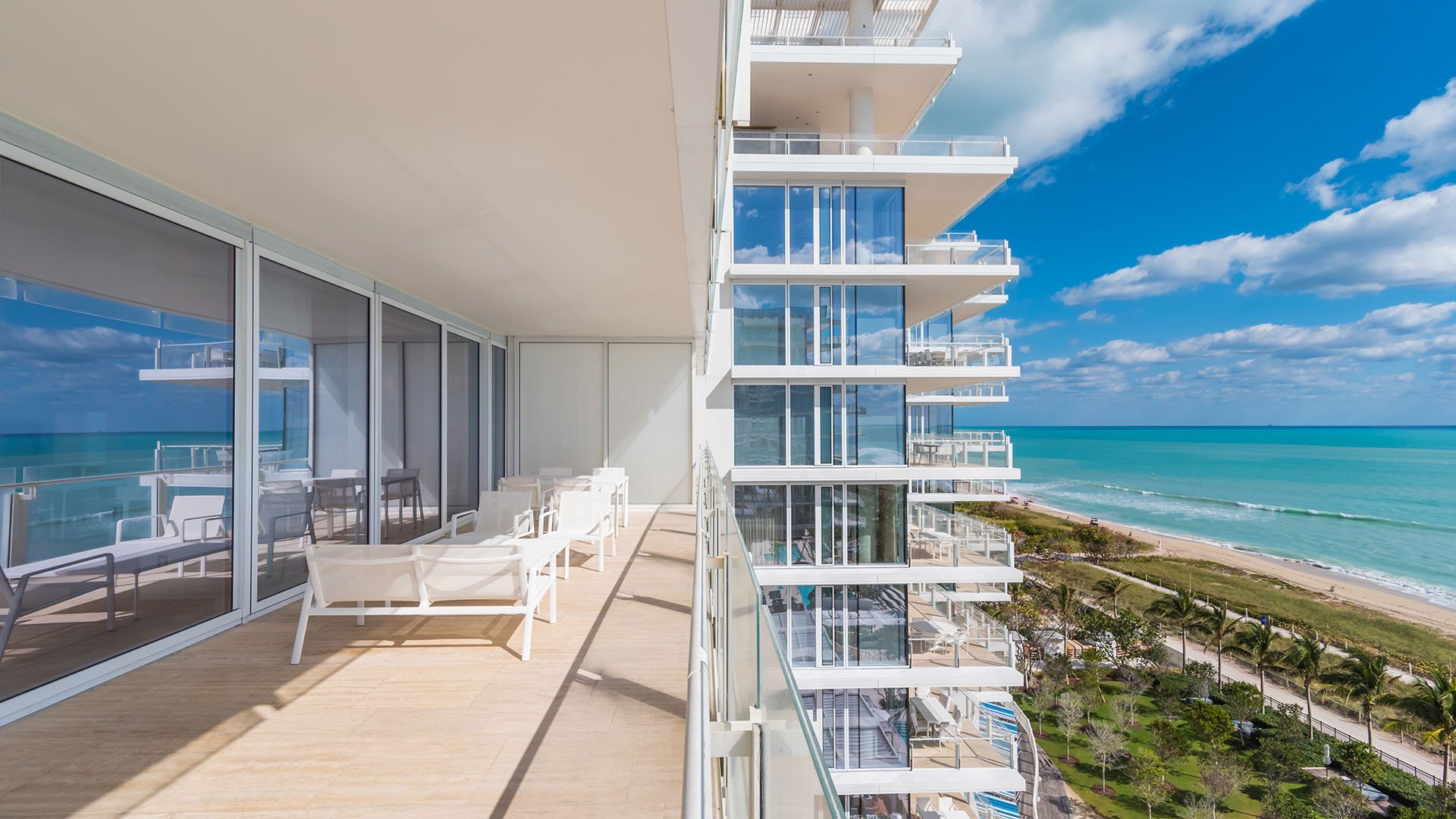
At the highest end of Miami residential real estate, a brand name matters only if it changes how ownership feels on an ordinary Tuesday. At Four Seasons Residences Coconut Grove, the central promise is not mere association with a hospitality flag. It is the translation of Four Seasons service standards into private residential life, with the consistency, discretion, and attention to detail expected from a global luxury hospitality culture.
That distinction matters. A hotel guest experiences service over days. A residence owner experiences it repeatedly, season after season, sometimes daily. The service model must therefore be attentive and restrained at once. It must learn patterns without becoming overly familiar, solve problems without calling attention to itself, and support the household without making the building feel like a hotel lobby.
For buyers evaluating Branded Residences in South Florida, this is the real test. Finishes, views, and architecture may create the initial emotional response, but the brand premium is ultimately judged through daily convenience, privacy, maintenance quality, amenity access, and confidence in long-term stewardship.
Daily ownership is not a slogan. It is the accumulation of small frictions removed from private life. Arrivals should feel expected. Deliveries should be handled predictably. Housekeeping coordination, maintenance access, and owner requests should move through a system that understands both urgency and boundaries.
In a conventional condominium, these touchpoints often depend on individual staff members or board priorities. In a Four Seasons residential model, the expectation is broader. Service consistency becomes part of the property identity. The owner is not buying only a residence, but a framework for how that residence is supported.
That framework is especially relevant in Coconut Grove, where the mood is residential, lush, and lower-key than Miami’s more vertical business and resort districts. The Grove’s appeal has always rested on a softer rhythm: canopy streets, privacy, water proximity, and an understated civic texture. A service-led luxury brand fits that environment because it does not need to announce itself loudly to justify value.
For ultra-premium buyers, service that feels too performative can become a liability. The best residential hospitality is not constant attention. It is calibrated attention. Owners should feel recognized, but not watched. Requests should be remembered, but not presumed. Staff presence should be available, not intrusive.
That balance is one reason the Four Seasons promise carries weight in private residences. The relationship with an owner is recurring rather than transactional. A full-time resident, a seasonal South Florida owner, and an international buyer using the property as a pied-à-terre will each have different patterns of occupancy and expectation. The property must support all three without compromising the privacy of any one group.
This is where design and operations meet. Service logistics, staff circulation, security systems, and back-of-house planning are not glamorous talking points, but they are essential to making branded living work. If those systems are not resolved, the brand promise remains cosmetic. If they are, the building can feel composed even during the busiest moments of ownership.
In luxury condominium marketing, amenities are often described as physical features. In practice, owners judge them by atmosphere, access, upkeep, and management. A lounge, pool, fitness environment, or wellness area has limited value if it feels unmanaged, crowded, or inconsistent.
The Four Seasons residential promise points toward an amenity experience closer to a private club or hospitality environment than a conventional condominium package. That does not require spectacle. It requires standards: polished common areas, consistent maintenance, staff awareness, and a sense that shared spaces are being stewarded rather than merely operated.
This is also where buyers may compare Coconut Grove options with different lifestyle languages. Mr. C Tigertail Coconut Grove brings another hospitality-inflected lens to the neighborhood, while Park Grove Coconut Grove represents a benchmark for established luxury living in the Grove. The presence of these comparables reinforces a larger point: in this part of Miami, the most compelling residences are not only about square footage. They are about how quietly and reliably daily life is supported.
The most overlooked benefit of a serious branded residence may be upkeep. For high-net-worth buyers, maintenance is not simply a building expense. It is both a lifestyle issue and a perceived asset protection issue. Common areas, building systems, arrival sequences, amenity spaces, and service corridors all shape the way a property ages in the minds of owners and future buyers.
A strong brand promise implies consistency over time. The residence should not feel exceptional only at delivery. It should feel cared for through repeated use. This is particularly important for a Second-home owner who may be away for long stretches and expects to return to a property that feels prepared, secure, and properly maintained.
Lifestyle value is therefore measured less by novelty than by dependability. The most discerning buyers often want fewer surprises, not more theatrics. They want the home to work, the staff to know how to respond, the private and shared spaces to remain refined, and the broader ownership experience to preserve its tone.
Coconut Grove gives the Four Seasons model a specific residential context. It is not Brickell’s corporate energy, Miami Beach’s resort posture, or Sunny Isles’ tower-line glamour. Its luxury is greener, more established, and more discreet. That makes the service promise feel less like an imported hotel idea and more like a natural extension of the neighborhood’s private-house sensibility.
The Grove is also becoming a more layered luxury market, with projects such as The Well Coconut Grove broadening the conversation around wellness-oriented living. In that context, Four Seasons occupies a clear lane: refined service culture, recurring owner relationships, and understated residential confidence.
For buyers comparing across Miami’s branded landscape, The Surf Club Four Seasons Surfside provides a useful reminder that the Four Seasons name in South Florida is associated with an elevated, discreet hospitality tradition. Coconut Grove, however, gives that tradition a different residential register. Here, the brand promise is not about resort theater. It is about the comfort of knowing that the property’s service ecosystem is designed around private ownership.
The practical question is not whether a recognizable brand has value. It is whether the premium is justified in daily use. A buyer should ask how the service model handles routine requests, how privacy is protected, how maintenance standards are sustained, how amenities are managed, and how the building’s operations support long-term confidence.
At Four Seasons Residences Coconut Grove, the answer is framed around hotel-level service adapted to residential life. That adaptation is the key. A private residence must feel like home, not a suite. The best branded ownership experience is one in which the owner notices the ease more than the machinery behind it.
What does the brand promise mean at Four Seasons Residences Coconut Grove? It means Four Seasons hospitality standards are intended to shape service, privacy, upkeep, amenities, and long-term residential stewardship.
Is this the same as living in a hotel? No. The value proposition is hotel-level service adapted to private residential ownership, not short-stay guest use.
Why is Coconut Grove a good fit for this model? Coconut Grove’s lush, residential, lower-key character aligns with understated service-led luxury rather than overt resort spectacle.
Who is the ownership model designed for? It suits full-time residents, seasonal South Florida owners, and international buyers who want a refined pied-à-terre with reliable support.
How does service affect daily life? It can create predictable support for arrivals, deliveries, housekeeping coordination, maintenance access, and owner requests.
Why does privacy matter in branded residences? Owners need attentive service without intrusion, especially when they use the property repeatedly or as a primary home.
Are amenities the main value driver? Amenities matter, but the deeper value is how they are maintained, managed, and integrated into a polished residential experience.
How does maintenance influence ownership value? Consistent upkeep supports lifestyle quality and can strengthen the perception that the property is being carefully stewarded over time.
What should buyers compare against other branded residences? Buyers should compare service consistency, discretion, staff-supported living, amenity management, and long-term operational quality.
What is the simplest way to judge the premium? Judge whether the brand improves daily convenience, protects privacy, supports maintenance quality, and makes ownership feel easier.
If you'd like a private walkthrough and a curated shortlist, connect with MILLION.
If branded residences are on your mind — as a home or as an allocation — we would be glad to share what we are seeing, privately.
Begin a quiet conversation