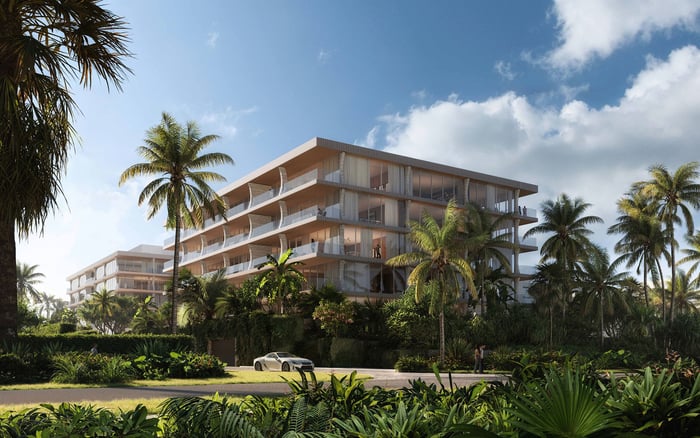
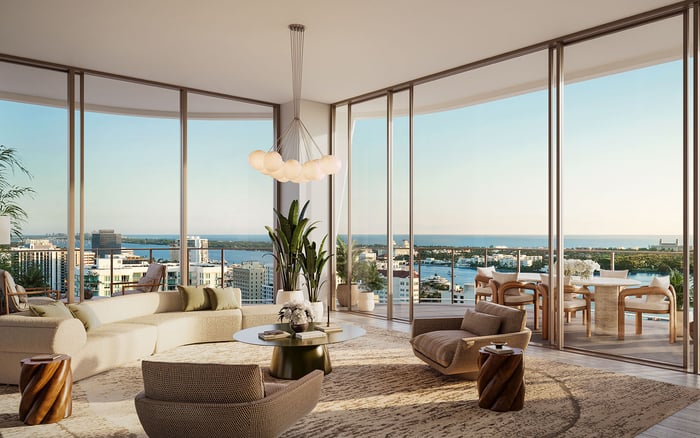
A discreet buyer’s guide to evaluating private-school routing at The Berkeley Palm Beach, from bridge traffic and seasonal congestion to car-line procedures and household coverage.
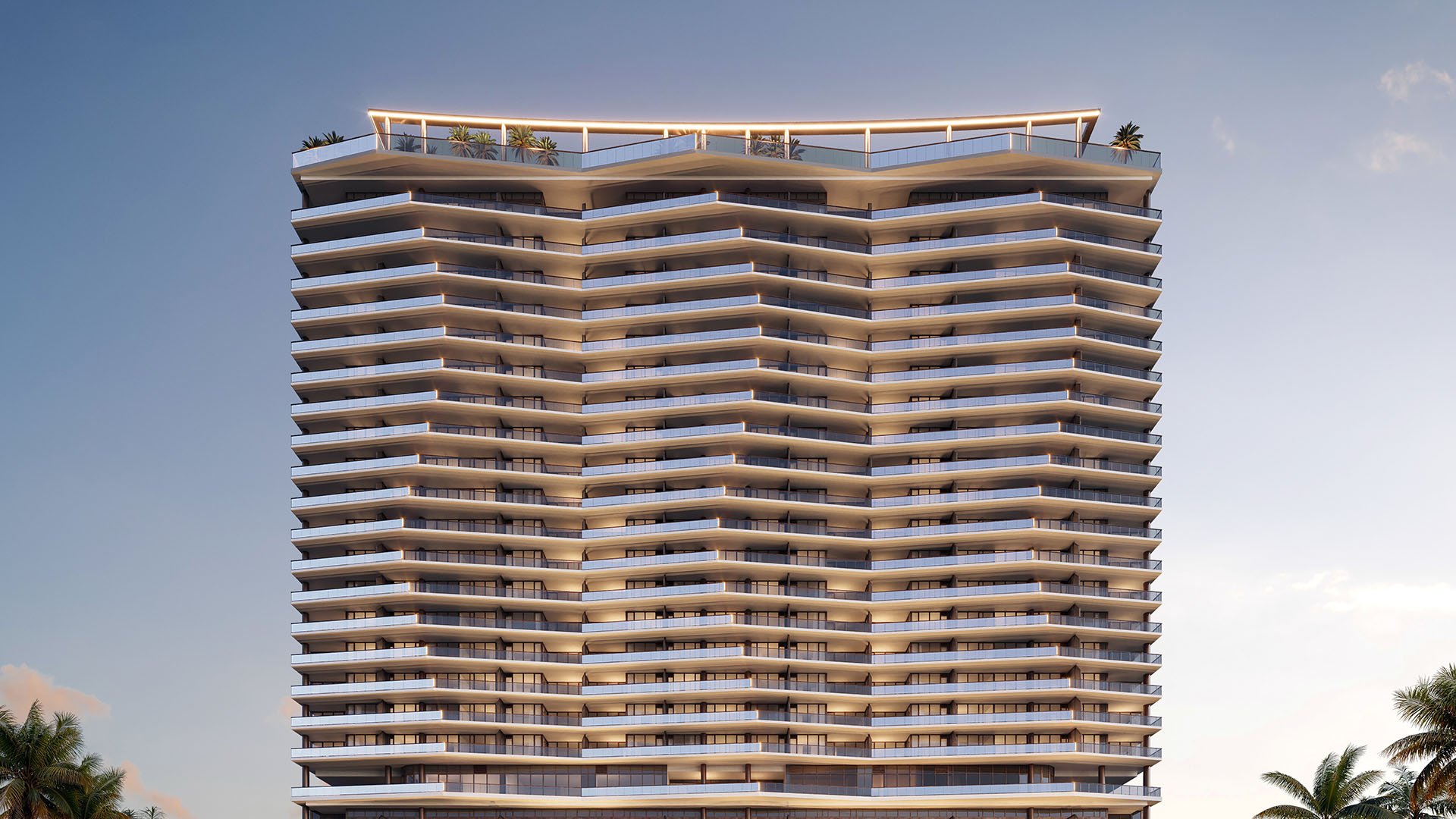
At The Berkeley Palm Beach, family buyers are not simply evaluating a residence. They are determining whether a refined West Palm Beach address can support the daily rhythm of a primary or semi-primary home. For households with children in independent education, that question often turns on a detail that receives too little attention during elegant showings: private-school routing.
The phrase sounds logistical, but for a family, it is deeply personal. It shapes wake-up times, afternoon sports pickups, the reliability of a nanny or driver schedule, and whether a parent can make a morning meeting after drop-off without turning the day into a negotiation. Finishes, amenities, views, and a sense of arrival all matter. So does the less glamorous sequence of elevator, garage, bridge, school entrance, car line, and return route.
The central mistake is treating school routing as mileage. For The Berkeley Palm Beach buyer, the more relevant question is how a route behaves during an actual school week. A route that feels simple at midday may feel entirely different at morning peak, afternoon dismissal, or during seasonal congestion. In practical terms, this is a Palm Beach and West Palm Beach family conversation, with private-school logistics shaping how a new-construction, second-home, or pool-focused lifestyle actually functions.
The first question is whether the residence works for the school run under pressure, not whether the school appears close on a map. Family buyers should ask how morning and afternoon routes perform during rush hour, because those are the windows that define daily usability. A showing route at 11 a.m. is not a school route. It is a pleasant preview.
The second question is where the true chokepoints are. In the Palm Beach and West Palm Beach market, bridge traffic can be a meaningful factor when families move between coastal and mainland locations. A bridge crossing may be easy at one hour and less predictable at another. Buyers should understand whether their likely route depends on bridge movement, seasonal volume, or recurring congestion patterns.
The third question is whether the target schools are clustered or spread across the household’s life. Desirable independent schools in the area may sit in coastal and inland directions. If one child attends one campus and a sibling attends another, a commute that looks reasonable for one child may become a daily puzzle for two.
Private-school routing does not end at the school entrance. The car line is part of the commute. A family may calculate the drive accurately and still underestimate the operational reality of drop-off and pickup. Where does the line form? How early do cars queue? Is the procedure different for lower, middle, and upper school divisions? Are there staggered dismissal times that help, or overlapping times that complicate the afternoon?
Because no family’s day is built around mileage alone, buyers should treat campus procedures as a core diligence item. A polished residence can lose some of its ease if afternoon pickup requires a driver to idle, circle, or wait through a long sequence that conflicts with tutoring, athletics, appointments, or sibling logistics.
The most effective families ask schools direct, practical questions before closing. They do not wait until after admission to discover that the real school day requires more coordination than expected.
Another essential question is whether a target school offers school-managed transportation or expects parent-managed commuting. The answer can materially change the way The Berkeley Palm Beach fits the household.
If transportation is school-managed, families still need to understand the pickup location, reliability, timing, and whether the option aligns with the child’s grade level or schedule. If commuting is parent-managed, the buyer needs a repeatable plan. That may involve one parent, a nanny, a driver, or a shared transportation arrangement. What matters is not the elegance of the concept, but the reliability of execution.
For a semi-primary household, this becomes especially important. A family may be in residence during high-demand weeks, holidays, or seasonal periods when congestion is more pronounced. The school plan must work when the home is actually being used, not only during the quietest weeks of the year.
The strongest approach is to stress-test private-school routing before closing. That means evaluating the likely morning and afternoon route under real conditions. It also means repeating the exercise in the direction that matters most: from The Berkeley Palm Beach to the school in the morning, and from the school back to the residence in the afternoon.
Families should consider the full chain of movement. How long does it take to leave the residence at the relevant hour? Is the garage exit simple at school-run times? Does the route cross bridges? Does it depend on a road that changes character during peak traffic? How does the route feel when seasonal activity is heavier?
This exercise is not about creating perfect certainty. South Florida traffic will always have variables. The objective is to distinguish ordinary variability from a structural mismatch. A tenable school commute may have occasional delays. An untenable one creates daily friction that changes how the residence is lived in.
Families with more than one child should test the harder case, not the easier one. If siblings may attend different schools or different campuses, the question becomes whether the household can cover both routes without compromising either child’s day.
This is where luxury buyers often benefit from thinking operationally. A driver may solve one issue but not two simultaneous pickup windows. A nanny may handle routine days but not a schedule with athletics, early dismissal, or after-school commitments. A parent may be available in theory, but not every weekday. The school-routing plan should be resilient enough to handle ordinary complications.
The ideal outcome is not merely a short drive. It is a repeatable routine that preserves the calm the residence is meant to provide.
For family buyers, the cleanest sequence is to map school routes before closing, not after admission. That does not require naming a final school in the purchase contract, but it does require understanding the family’s most likely school universe and testing the practical implications.
Before committing, buyers should know whether bridge traffic is a factor, whether seasonal congestion changes the school run, whether car-line procedures are manageable, whether school transportation is available, and whether the household has a dependable morning and afternoon coverage plan.
At The Berkeley Palm Beach, the question is not whether school logistics diminish the appeal of the residence. It is whether they confirm it. A home that supports the school day gracefully becomes more than a beautiful address. It becomes a functioning base for family life in Palm Beach and West Palm Beach.
Why should The Berkeley Palm Beach buyers evaluate private-school routing before closing? Because daily drop-off and pickup can determine whether the residence works as a primary or semi-primary family home.
Is private-school routing just about distance? No. It also includes timing, traffic chokepoints, bridge conditions, seasonal congestion, and school-day procedures.
Why does bridge traffic matter for this buyer profile? Families moving between Palm Beach and West Palm Beach may encounter bridge-related routing variables during school hours.
Should buyers test routes during a property showing? They should test routes during real school-run windows, not only during off-peak showing times.
How important are school car-line procedures? Very important. The car line can add time and complexity even when the drive itself appears manageable.
Should families ask about school transportation? Yes. Buyers should confirm whether transportation is school-managed or must be handled by the household.
What if siblings attend different schools? The family should test whether morning drop-off and afternoon pickup remain workable across multiple campuses.
Can a nanny or driver solve the routing issue? Possibly, but the plan should be reliable for both morning and afternoon obligations under real conditions.
Does seasonal congestion affect school logistics? It can. Seasonal traffic should be treated as part of the school-commute diligence for family buyers.
What is the main takeaway for family buyers? Treat school routing as a core due-diligence item alongside amenities, finishes, views, and long-term livability.
For a confidential assessment and a building-by-building shortlist, connect with MILLION.
If branded residences are on your mind — as a home or as an allocation — we would be glad to share what we are seeing, privately.
Begin a quiet conversation