A discreet buyer’s framework for testing whether a coveted Key Biscayne view is truly protected, practically durable, and correctly reflected in pricing before acquisition.
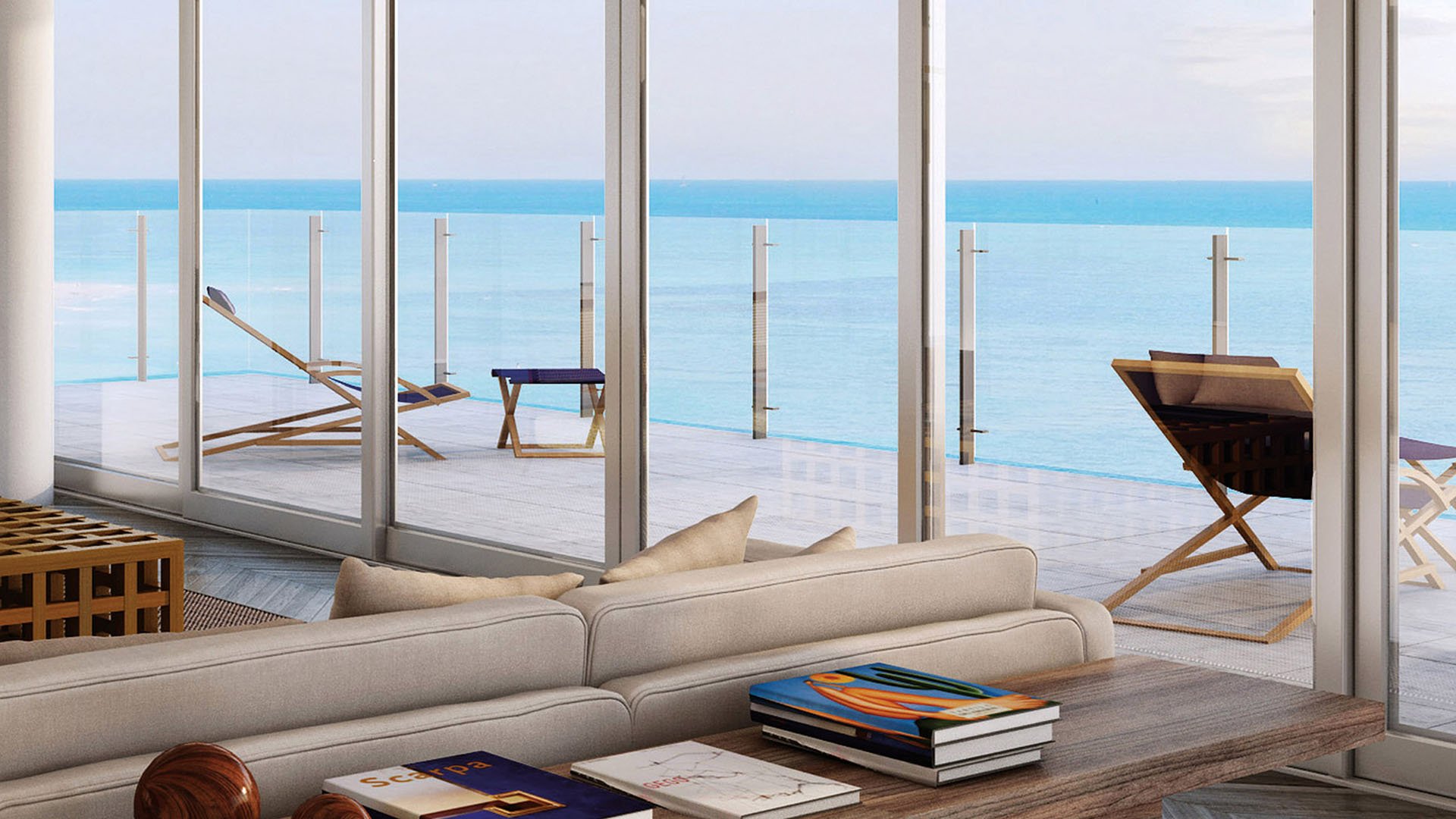
In Key Biscayne, a beautiful view can feel permanent simply because it appears serene. That is exactly why sophisticated buyers should slow down. A protected view corridor is not the same as an attractive outlook on the day of a showing. The distinction can influence privacy, natural light, daily enjoyment, and eventual resale value.
The strongest approach is to treat the view as an asset with its own due diligence file. A buyer should ask what creates the view, what could interrupt it, and whether any protection is legal, physical, practical, or merely assumed. In Key Biscayne, this is a buyer’s-guide discipline as much as an aesthetic exercise. Waterfront, waterview, and oceanfront positions can command emotional premiums, but those premiums should be tested before they are paid.
Begin by identifying the exact view that matters. Is the premium attached to a straight water view, a diagonal opening between buildings, a treetop foreground, a skyline glimpse, a sunrise axis, or a long horizon line from a principal room? A protected corridor should be described with precision, not adjectives.
Buyers should separate three conditions. The first is a legally restricted corridor, where recorded limitations, easements, covenants, setbacks, height limits, or other binding controls may shape what can be built nearby. The second is a physically durable corridor, where existing land patterns, streets, water, or open spaces make obstruction less likely. The third is a marketing corridor, where the view is currently open but not necessarily protected.
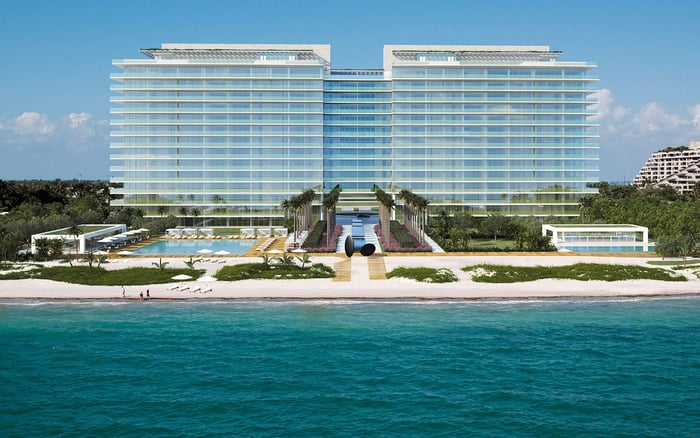
Those distinctions matter. A residence at Oceana Key Biscayne may be evaluated differently from an inland single-family home, not because one view is automatically safer, but because each view is created by a different combination of building placement, surrounding parcels, elevation, and exposure.
The most common mistake is to analyze only the residence being purchased. View risk usually sits outside the property line. Before signing, a buyer should study the parcels in the direction of the view and ask what those sites could become under plausible future conditions.
This does not require speculation dressed as certainty. It requires scenario thinking. What is the neighboring property today? Is it already improved in a way that appears stable, or does it have characteristics that could invite redevelopment? Are there vacant, underbuilt, aging, or unusually configured sites in the sightline? Does the view depend on looking over someone else’s roof, through a side yard, across a parking area, or between two structures?
In other South Florida enclaves, the same discipline applies. Buyers considering The Residences at Six Fisher Island or Rivage Bal Harbour should still examine what protects the outlook, even when the setting feels inherently rare. Scarcity is not immunity from change.
View value is not uniform throughout a home. A corridor that looks exceptional from a terrace may matter less from the primary suite. A view that photographs beautifully at eye level may feel compromised when seated. A sightline from a corner living room may be more resilient than a direct view through a narrow gap.
Walk the residence at different times of day if possible. Stand, sit, and move through the principal rooms. Look from the kitchen island, the main seating area, the bed wall, the primary bath, and the terrace edge. Ask whether the view is centered, partial, framed, layered, or dependent on a particular angle.
Floor height deserves close attention. Higher floors can improve view durability, but they do not eliminate risk if future massing rises into the same plane. Lower floors may offer a calmer connection to landscape or water, but the buyer should understand which elements are permanent and which are simply undeveloped today. The same logic applies when comparing coastal buildings such as The Ritz-Carlton Residences® Miami Beach, where orientation and elevation can define the daily experience as much as the address.
A verbal assurance that a view is protected should prompt more questions, not immediate comfort. Buyers should request the documents that support the claim. Depending on the property, those may include surveys, plats, association materials, recorded restrictions, architectural plans, site plans, public approvals, easements, or title-related items.
The goal is not to become a land-use expert overnight. The goal is to know which professionals should review the claim. A land-use attorney, title professional, surveyor, architect, or planner may each identify a different risk. For high-value purchases, that additional review can be modest compared with the premium embedded in the purchase price.
Buyers should also ask the seller to define the representation. If a listing describes a protected view, what exactly is protected? By whom? For how long? Against what kind of obstruction? If the answer is vague, the buyer should price the home as having a desirable current view, not necessarily a guaranteed future one.
A view premium should be supported by a resale argument. If two comparable residences differ materially because of a corridor, buyers should decide how much of the purchase price rests on that corridor remaining intact. Then they should imagine the exit conversation if the view changes.
This is where discipline protects both lifestyle and capital. A buyer may still choose the home with some view risk because the architecture, privacy, floor plan, or emotional connection is compelling. The key is not to confuse acceptance with oversight. If the view is partially vulnerable, the offer should reflect that vulnerability.
Conversely, a truly well-supported corridor may justify a premium when it improves the everyday experience and narrows future competition. The strongest position is one where the buyer can explain the premium clearly: what is visible, why it matters, what protects it, and why the next buyer is likely to value it as well.
Before going hard on a Key Biscayne purchase, assemble a concise view file. Include current photographs from each major room, marked sightlines on the floor plan, notes on the neighboring parcels, any documents supporting protection, and written questions for counsel or the relevant professional team.
Buyers should also make a simple view-risk matrix. Label each important sightline as low, moderate, or higher risk based on what creates it and what could change. This does not need to be elaborate. It needs to be honest.
Finally, avoid buying solely for the postcard moment. The most enduring Key Biscayne homes tend to offer a balance of outlook, proportion, privacy, access, light, and livability. A view can be the signature, but the residence should still make sense if that signature evolves.
What is a protected view corridor? It is a view line that may be preserved by a binding restriction, physical condition, or planning constraint. Buyers should verify the mechanism rather than rely on description alone.
Is every water view in Key Biscayne protected? No. A water view may be highly desirable without being legally protected, so each sightline should be reviewed on its own facts.
What documents should a buyer request? Useful items may include surveys, recorded restrictions, plats, site plans, association materials, title documents, and any plans affecting neighboring parcels.
Should I rely on a seller’s statement about the view? Treat it as a starting point. Ask for written support and have the relevant documents reviewed before assigning a premium.
Do higher floors always have safer views? Not always. Height can help, but future massing, angle, and distance can still affect the view corridor.
Can a partial view still justify a premium? Yes, if the view is meaningful from the rooms that matter and the risk is properly priced. The premium should match the durability of the outlook.
Who should review view protection claims? A land-use attorney, title professional, surveyor, architect, or planner may be appropriate depending on the claim and property type.
How should buyers compare condo and single-family view risk? Condos often depend on elevation and neighboring development, while single-family homes may depend more on setbacks, lot patterns, and adjacent structures.
What is the biggest red flag in view due diligence? Vague language is a major warning sign. If no one can explain what is protected and why, the view should be treated as uncertain.
How should a view risk affect an offer? If the view is vulnerable, the offer should reflect that risk. If protection is well supported, the buyer may have a stronger case for paying a premium.
When you're ready to tour or underwrite the options, connect with MILLION.
If branded residences are on your mind — as a home or as an allocation — we would be glad to share what we are seeing, privately.
Begin a quiet conversation