A practical, family-focused guide to evaluating amenity wait times at Edgeworth West Palm Beach, with questions for pools, elevators, valet, wellness areas, kids’ spaces, staffing, guest policies, and seasonal demand.
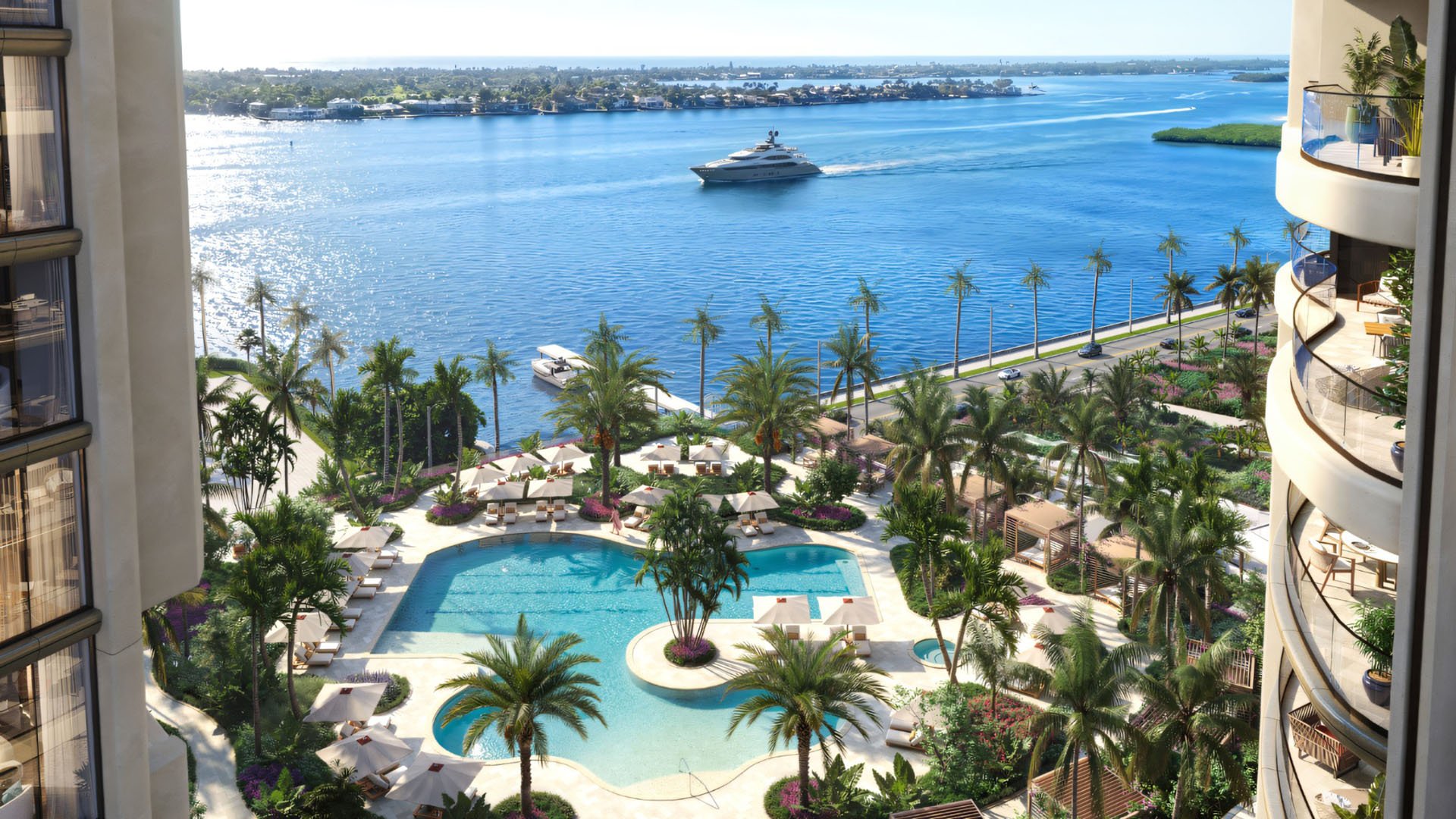
At the ultra-premium end of West Palm Beach real estate, the amenity conversation often begins with aesthetics: the pool deck, the arrival sequence, the wellness suite, the children’s spaces, the private dining room, the lobby staff, the fitness environment, the valet experience. For a family considering Edgeworth West Palm Beach, that first impression still matters. But the more revealing question is quieter and more operational: how long will it take to use the amenity when the building is busy?
For family buyers, amenity wait times are not a minor inconvenience. They shape school mornings, birthday weekends, visiting-grandparent logistics, after-practice routines, rainy-day play, and the simple pleasure of going downstairs without turning every plan into a reservation strategy. A building can be beautifully appointed and still feel difficult if its most valued spaces are frequently constrained.
The point is not to assume friction. It is to ask precise questions before purchase. Families should evaluate Edgeworth West Palm Beach as they would a private club, a school, or a staffed estate: by understanding capacity, rules, peak periods, and the culture of use.
A single owner may tolerate a delayed elevator, a fully booked treatment room, or a crowded lounge with little consequence. A family experiences the same delay differently. Children move on fixed windows. Caregivers coordinate around meals, naps, school pickups, tutors, sports, and guests. When an amenity is hard to access at the exact moment it is needed, the residence can begin to feel less private and less effortless.
That is why family diligence should focus on daily rhythm. Ask how the building performs on Saturday afternoons, holiday weekends, early evenings, school-run mornings, and during peak season. These are the moments when amenities move from marketing assets to lived infrastructure.
This is especially important in new-construction residences, where buyers may be evaluating a lifestyle before the full resident population has settled into its habits. Early impressions can be useful, but the deeper question is how the building is designed and staffed for full occupancy.
A pool is often the emotional center of a family building. It is where children burn energy, parents host friends, and visiting relatives spend the afternoon. But the pool’s true luxury is not only its finish level. It is whether a family can actually find seating, enjoy service, bring guests within the rules, and leave without feeling they have negotiated for space.
Ask how many residents can reasonably be accommodated at peak pool hours. Ask whether chairs are first come, reserved, timed, or managed by staff. Ask how guest access is handled during weekends and holidays. A generous guest policy may sound attractive until it produces crowding; a restrictive policy may protect residents but complicate family visits. The best answer is usually not simply permissive or strict. It is clear, consistently enforced, and aligned with the building’s scale.
Families should also ask how children are accommodated. Are there posted swim hours, behavior expectations, or dedicated areas? Is pool service staffed differently during season? Are wet towels, food service, and cleanup managed at a level that keeps the setting polished when multiple families are using it at once?
Few amenity discussions are as revealing as the morning exit. For families, elevator and valet performance can matter as much as the spa. A five-minute delay may be harmless on a quiet afternoon, but it can define the day when a child is late for school or a parent is moving between meetings.
Ask what the peak elevator periods are expected to be and how service elevators, move-ins, deliveries, housekeeping, dog walks, and resident traffic are separated or managed. If there are private or semi-private elevator arrangements, understand how they function in real use, not only in floor plan language.
Valet deserves the same scrutiny. Families should ask how many attendants are typically scheduled at school-run hours, dinner periods, event nights, and holiday weekends. Ask whether residents can request vehicles in advance, how the system handles multiple cars per household, and what happens when guests arrive at the same time as returning residents.
These details do not feel glamorous in a sales gallery, yet they are central to luxury. True ease is often measured at 7:35 a.m., not only at sunset.
Children’s rooms, teen lounges, tutoring-friendly spaces, movement studios, spa suites, and private dining rooms can be highly valuable for families. They also create questions about reservation priority. If a room must be reserved, families should understand who has access, how far in advance bookings open, whether time limits apply, and whether recurring use is permitted.
For wellness amenities, ask about peak demand before and after work, during weekends, and in season. A gym that feels serene during a weekday tour may operate very differently when residents return for winter. Ask whether trainers, massage providers, or outside wellness professionals are allowed, and whether their access affects resident availability.
For private dining or event rooms, families should ask about birthday gatherings, holiday dinners, children’s celebrations, and guest limits. A beautiful room is most valuable when the booking rules are predictable. If priority is unclear, the amenity can become a source of tension rather than pleasure.
Family life brings guests. Grandparents may stay for weeks. Children may invite friends. Parents may host school families or visiting relatives. The guest policy should be understood in detail, not only for overnight stays but also for pool use, wellness areas, dining rooms, parking, and access credentials.
Pets add another layer. In buildings where pets are common, ask how pet movement is handled in elevators, lobbies, service areas, outdoor relief spaces, and grooming or washing facilities if available. For families with children, the question is not only whether pets are allowed. It is whether the building has a refined system that keeps shared spaces calm, clean, and predictable.
This is where culture matters. Rules alone do not create ease. Staffing, enforcement, resident expectations, and communication all determine whether the building feels gracious during busy moments.
West Palm Beach has become increasingly attractive to buyers who want urban convenience, cultural proximity, and a softer daily cadence than denser high-rise districts. For families, that appeal is strongest when the residence supports both privacy and motion: school runs, dining, grandparents, wellness, weekend pool time, and quick transitions between home and the city.
For a buyer comparing West Palm Beach and Palm Beach options, the amenity interview should be as detailed as the floor plan review. Ask what happens when the building is full, when seasonal residents return, when children are out of school, and when multiple households want the same space at once.
Private-school logistics are also worth discussing, even if the building has no formal relationship with any school. Morning traffic patterns, vehicle retrieval, elevator timing, package flow, and visitor access can influence how smoothly a family moves through the day.
A polished buyer should ask direct but elegant questions. What are the expected peak-use periods for the pool, wellness areas, lounges, dining rooms, elevators, and valet? How will staffing adjust during season? Which amenities require reservations, and how are conflicts handled? Are guest privileges different on weekends or holidays? How are children’s spaces supervised, maintained, or scheduled? What communication system alerts residents to closures, private events, or capacity issues?
Then ask for scenarios. If three families want the private dining room on the same Saturday, how is priority determined? If the pool is at capacity, what happens next? If a resident has two cars requested during a peak valet period, how is the request sequenced? If a child’s birthday gathering includes non-resident guests, what permissions are required?
The most reassuring answers are usually specific. They acknowledge peak pressure and explain how it is managed. Vague promises of exclusivity are less useful than clear operating rules.
Family buyers should listen for three things: transparency, proportionality, and consistency. Transparency means the team can explain how amenities are managed without overpromising. Proportionality means the rules match the building’s size, seasonality, and resident profile. Consistency means policies are enforced with enough discretion to protect the experience for everyone.
If every answer sounds flexible, ask who decides. If every answer sounds restrictive, ask how families are accommodated. The ideal building is neither casual nor rigid. It is thoughtfully managed, with enough structure to prevent crowding and enough hospitality to feel personal.
For Edgeworth West Palm Beach, the right amenity conversation should move beyond renderings and into operating reality. Families are not buying a brochure version of leisure. They are buying mornings, weekends, holidays, school nights, guest visits, and the ability to live beautifully without waiting for the life they were promised.
Why should family buyers ask about amenity wait times? Wait times affect daily routines, especially school mornings, weekends, guests, and children’s activities. A beautiful amenity has less value if it is hard to use when needed.
What is the most important pool question to ask? Ask how pool seating, guest access, and peak weekend demand are managed. Capacity rules often matter more than the pool’s visual presentation.
Should buyers ask about full occupancy? Yes. The key issue is how amenities perform when the building is busy, seasonal residents are present, and multiple families want the same spaces.
How should families evaluate valet service? Ask about staffing during school-run hours, dinner periods, holidays, and event nights. Vehicle-request systems and multiple-car households should also be discussed.
Are reservation systems good or bad? They can be either, depending on fairness and clarity. A strong system protects access without making ordinary family life feel overly scheduled.
What should buyers ask about kids’ spaces? Ask about hours, guest rules, cleaning, supervision expectations, and whether reservations are required. The goal is predictable access and a calm atmosphere.
Do guest policies affect amenity wait times? Yes. Liberal guest access can increase pressure on pools, lounges, valet, and dining rooms, while clear rules can preserve resident comfort.
Why do pets matter in the amenity discussion? Pet policies influence elevator use, lobby flow, outdoor areas, and housekeeping standards. Families should understand how pet movement is managed.
What is a warning sign in the answers? Vague assurances are less useful than specific operating details. Buyers should listen for clear procedures around peak periods and conflicts.
When should these questions be asked? They should be asked before contract decisions, not after move-in. Amenity operations are part of the lifestyle being purchased.
When you're ready to tour or underwrite the options, connect with MILLION.
If branded residences are on your mind — as a home or as an allocation — we would be glad to share what we are seeing, privately.
Begin a quiet conversation