A discreet due-diligence guide for North Miami waterfront owners reviewing title, seawall exposure, association health, boat access, resale positioning, and long-term value protection.
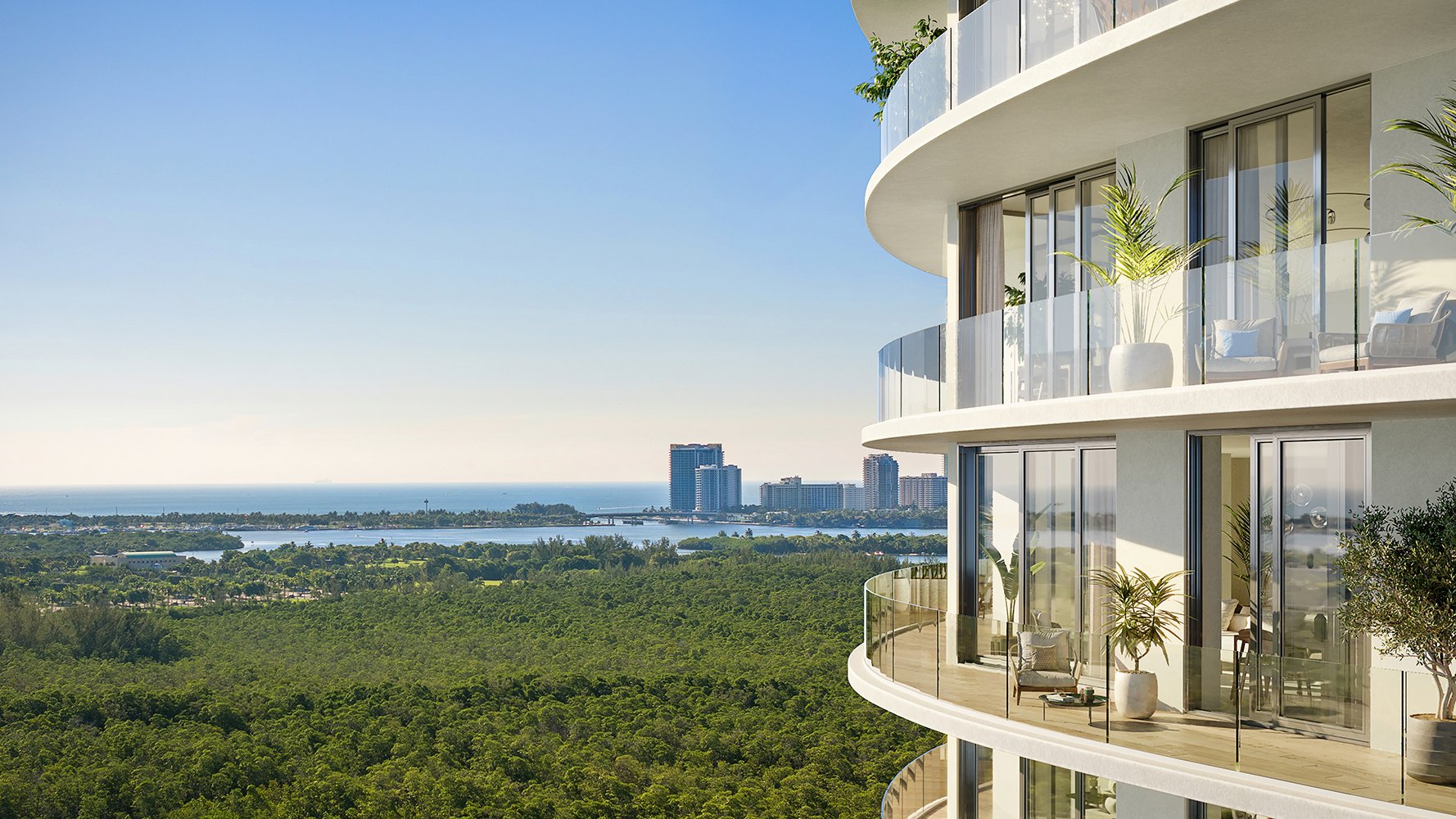
North Miami waterfront residences occupy a nuanced place in South Florida luxury. They offer the elements sophisticated owners value: open water, privacy, marina proximity, access to Biscayne Bay, and a calmer residential rhythm than the more public waterfront corridors to the south. Yet the qualities that make these properties desirable also make them more technical to own over time.
For long-term owners, the central question is not simply whether the residence has a beautiful waterview. It is whether the legal, physical, financial, and lifestyle assumptions behind that view remain sound. A waterfront asset can feel permanent, but its strength depends on documentation, maintenance, governance, and a clear understanding of how the property will function through multiple ownership cycles.
The most prudent owners treat verification as part of stewardship. They do not wait for a sale, refinancing, renovation, insurance renewal, or association vote to understand the asset beneath the lifestyle. They review the essentials before urgency arrives.
Every long-term review should begin with the paper record. Title, deed restrictions, easements, dock agreements, and recorded covenants can shape what an owner may do with a property, how the waterfront edge may be used, and whether future improvements are straightforward or complicated.
For single-family homes, the distinction between ownership of upland property and rights along the water can be important. Owners should understand whether their use is riparian, littoral, or otherwise defined by recorded instruments and applicable approvals. For condominiums, the inquiry often shifts to common elements, limited common elements, dock assignment language, and association control over waterfront amenities.
This is especially relevant for owners who expect to add, improve, lease, or transfer a boat slip. A slip that feels private in daily use may still be governed by association documents, recorded agreements, waiting lists, dimensional limitations, or separate approval procedures. The time to clarify those details is before a vessel purchase, not after.
Waterfront living brings constant exposure. Salt air, humidity, sun, wind, and storm conditions can affect exterior finishes, railings, fasteners, glazing systems, mechanical equipment, balconies, seawalls, docks, lifts, and drainage. Even the most refined residence can conceal deferred maintenance if inspections focus only on interiors.
Long-term owners should schedule periodic reviews of salt-exposed components, even when there is no visible distress. For condominium owners, this means understanding what the association maintains and what the unit owner must address. For homeowners, it means evaluating the seawall, cap, tiebacks, dock structure, electrical service near the water, and drainage patterns that may affect the property over time.
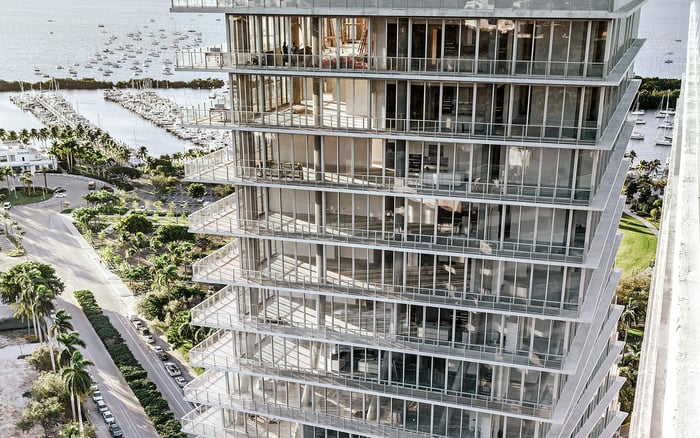
Balconies deserve particular attention in waterfront buildings. They are lifestyle spaces, but they are also structural and waterproofing interfaces. Doors, thresholds, railings, coatings, and slab edges should be viewed as part of the residence’s long-term envelope. Preventive care is usually more elegant than reactive repair.
For condominium owners, the association’s financial condition is not a background issue. It is part of the property. Reserve funding, insurance strategy, maintenance planning, capital projects, engineering reviews, and special-assessment exposure all influence the ownership experience and the future marketability of a residence.
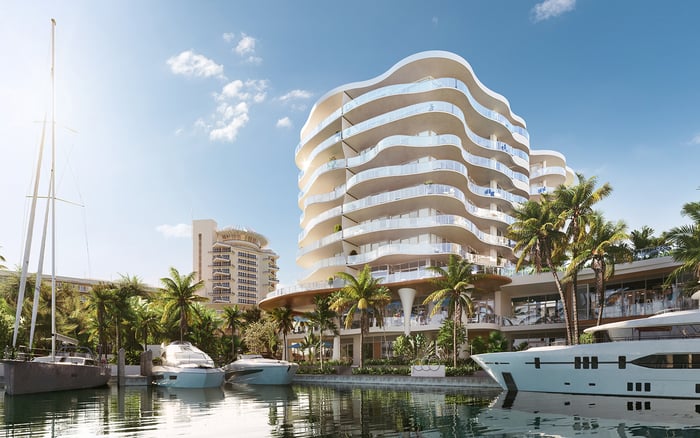
A buyer evaluating One Park Tower by Turnberry North Miami may naturally focus on design, amenities, and position. A long-term owner, however, should also think like a board member: What major systems will require attention? How are common elements maintained? How transparent is the planning process? How will waterfront infrastructure be funded if conditions change?
The same discipline applies when comparing nearby bayfront options such as Continuum Club & Residences North Bay Village. The most polished buildings are those where lifestyle and governance work together. Amenities create appeal; reserves, maintenance, and competent administration protect it.
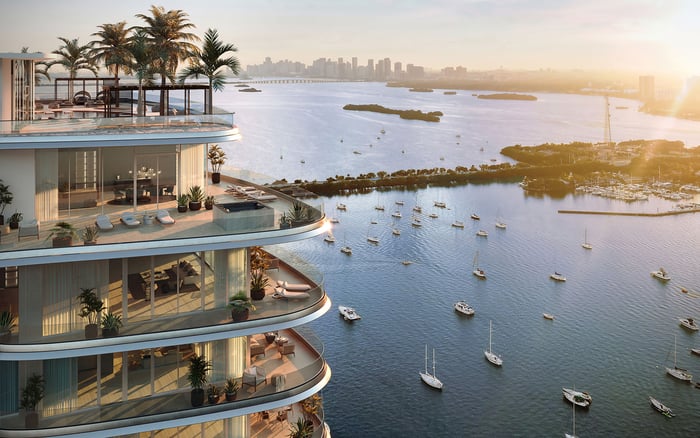
Many North Miami waterfront owners value proximity to the bay as much as the residence itself. Yet boating convenience is never merely a matter of geography. Owners should verify dock rights, slip dimensions, water depth, bridge clearance, association rules, permitting conditions, insurance expectations, and guest or service access.
If a residence is marketed or understood as boating-oriented, the practical details should match the owner’s actual vessel and habits. A weekend runabout, a center-console, and a larger yacht may have very different implications for draft, beam, lift capacity, turning radius, and access to open water.
Condominium owners should also clarify whether marina facilities are owned, licensed, leased, assigned, or separately conveyed. The word marina can mean different things in different buildings. It may refer to slips, day docks, managed berths, launch access, or simply proximity to a boating environment. Precision protects expectations.
Resale strength is built over years. The owners who fare best are often those who keep records with the same care they apply to furnishings and finishes. Inspection reports, service logs, appliance documentation, waterproofing records, dock maintenance, window and door information, association communications, and renovation approvals can all help a future buyer move with confidence.
North Miami owners should also consider how their residence will be positioned within the broader waterfront marketplace. A buyer comparing North Miami with Bay Harbor Islands, North Bay Village, Sunny Isles, or Aventura is often weighing privacy, boating, view orientation, building age, amenity depth, and access patterns. Nearby boutique waterfront alternatives such as La Baia North Bay Harbor Islands and Onda Bay Harbor may frame expectations around scale, finishes, and amenity style.
That does not diminish North Miami. It sharpens the ownership brief. A North Miami waterfront residence should be able to articulate its own logic: quieter water, practical access, privacy, residence size, dock utility, or a more residential setting. The clearer the thesis, the stronger the long-term investment case.
Luxury renovations near the water require more than taste. Owners should verify permitting requirements, association approvals, impact on building systems, waterproofing details, window and door specifications, balcony limitations, mechanical placement, and restrictions related to exterior appearance or common elements.
Interior upgrades are most successful when they work with the coastal condition rather than against it. Materials should be selected with humidity, sunlight, and maintenance in mind. Outdoor kitchens, planters, lighting, audio, shades, and terrace furnishings should be reviewed for attachment methods, drainage, wind exposure, and association rules.
In single-family settings, landscape and hardscape changes near the waterfront edge should be planned carefully. Drainage, seawall access, dock service, and equipment pathways all matter. A beautiful design that complicates maintenance can become expensive over time.
Waterfront owners should maintain a current understanding of insurance obligations, deductibles, exclusions, and documentation requirements. For condominiums, this includes both the association’s coverage and the owner’s individual responsibilities. For single-family residences, it includes the relationship among structure, contents, wind, flood, liability, dock, and vessel-related coverage.
Storm planning should be formal rather than improvised. Owners who travel frequently or use the residence seasonally should have clear protocols for shutters, outdoor furnishings, dock equipment, generators, service vendors, and post-event inspections. A luxury residence benefits from discretion, but it also benefits from readiness.
The objective is not anxiety. It is continuity. The best waterfront homes are the ones that can be enjoyed without uncertainty because their owners have already addressed what matters.
North Miami’s appeal is partly geographic and partly psychological. It sits within reach of multiple luxury corridors without fully surrendering to any one of them. Owners can compare the area with more vertical oceanfront markets, more urban bayfront settings, and smaller island communities, then decide what form of privacy and access matters most.
A buyer drawn to the engineering drama and beachfront profile of Bentley Residences Sunny Isles may still find North Miami compelling for a different reason: a more residential relationship to water, boating, and day-to-day calm. The point is not to declare one waterfront better than another. It is to match the ownership structure to the owner’s life.
For long-term owners, verification is the quiet luxury behind the visible luxury. It protects optionality. It reduces surprises. It allows a residence to be held, improved, transferred, or sold with confidence.
What should North Miami waterfront owners verify first? Start with title, deed restrictions, easements, dock rights, and association documents, then compare those records with how the property is actually used.
Are waterfront rights always included with the residence? Not always in the same way. Rights may depend on deed language, association documents, recorded agreements, or approvals tied to docks and slips.
Why is a seawall inspection important? The seawall protects the waterfront edge and can affect maintenance costs, insurability, and long-term confidence in the property.
Should condo owners review association reserves? Yes. Reserves, insurance, maintenance plans, and capital-project planning can materially influence ownership costs and future marketability.
What does a boat slip owner need to confirm? Confirm assignment, transferability, vessel size limits, access rules, maintenance obligations, and any separate costs or approvals.
How often should salt-exposed components be inspected? Owners should review them periodically, especially railings, doors, windows, balconies, docks, lifts, and mechanical systems near the water.
Can renovations affect waterfront compliance? Yes. Terrace work, exterior changes, dock upgrades, drainage, and structural modifications may require association or governmental approval.
Is resale planning relevant if I do not intend to sell soon? Yes. Organized records, proactive maintenance, and clear documentation strengthen optionality whenever circumstances change.
How should seasonal owners manage storm readiness? They should maintain written protocols for shutters, outdoor items, dock equipment, vendors, and post-storm inspections.
Is North Miami a fit for long-term waterfront investment? It can be, when legal rights, building condition, governance, boating use, and lifestyle goals are verified together.
For a discreet conversation and a curated building-by-building shortlist, connect with MILLION.
If branded residences are on your mind — as a home or as an allocation — we would be glad to share what we are seeing, privately.
Begin a quiet conversation