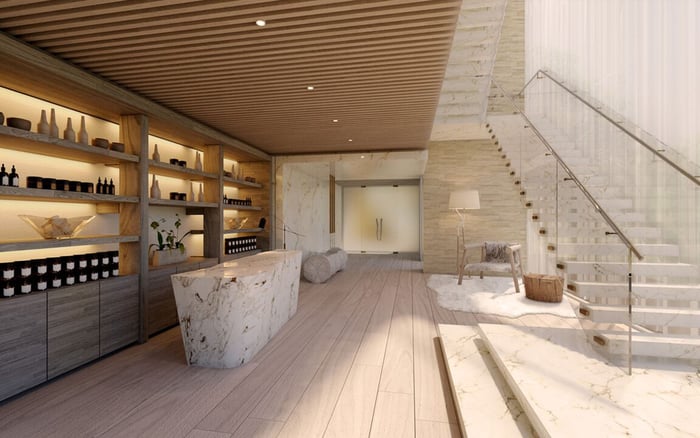
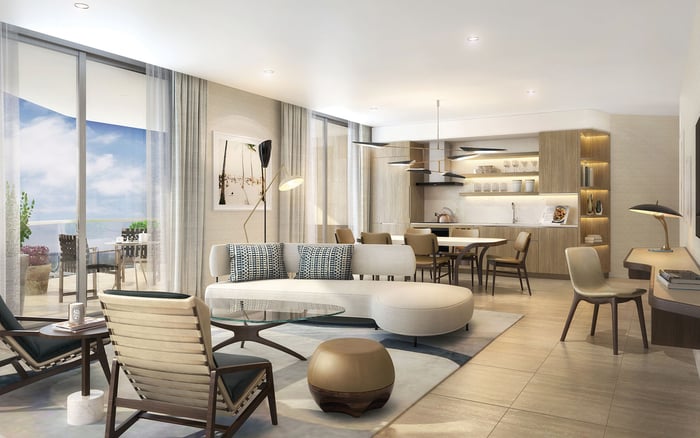
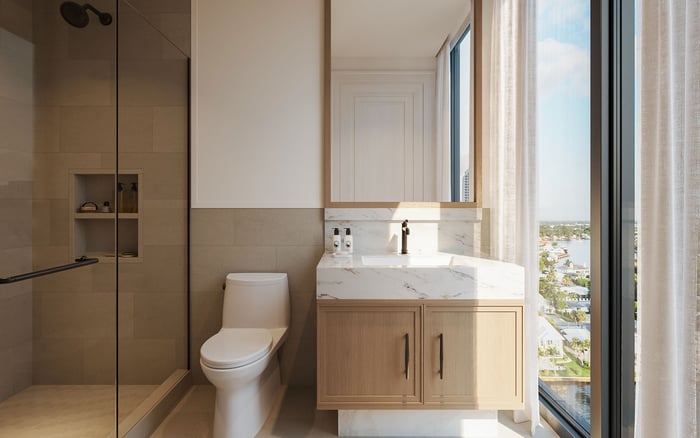
A buyer-focused comparison of Auberge Beach Residences & Spa Fort Lauderdale and Nora House West Palm Beach for affluent residents weighing hospitality-style service, dining access, privacy, noise control, and social atmosphere in South Florida.
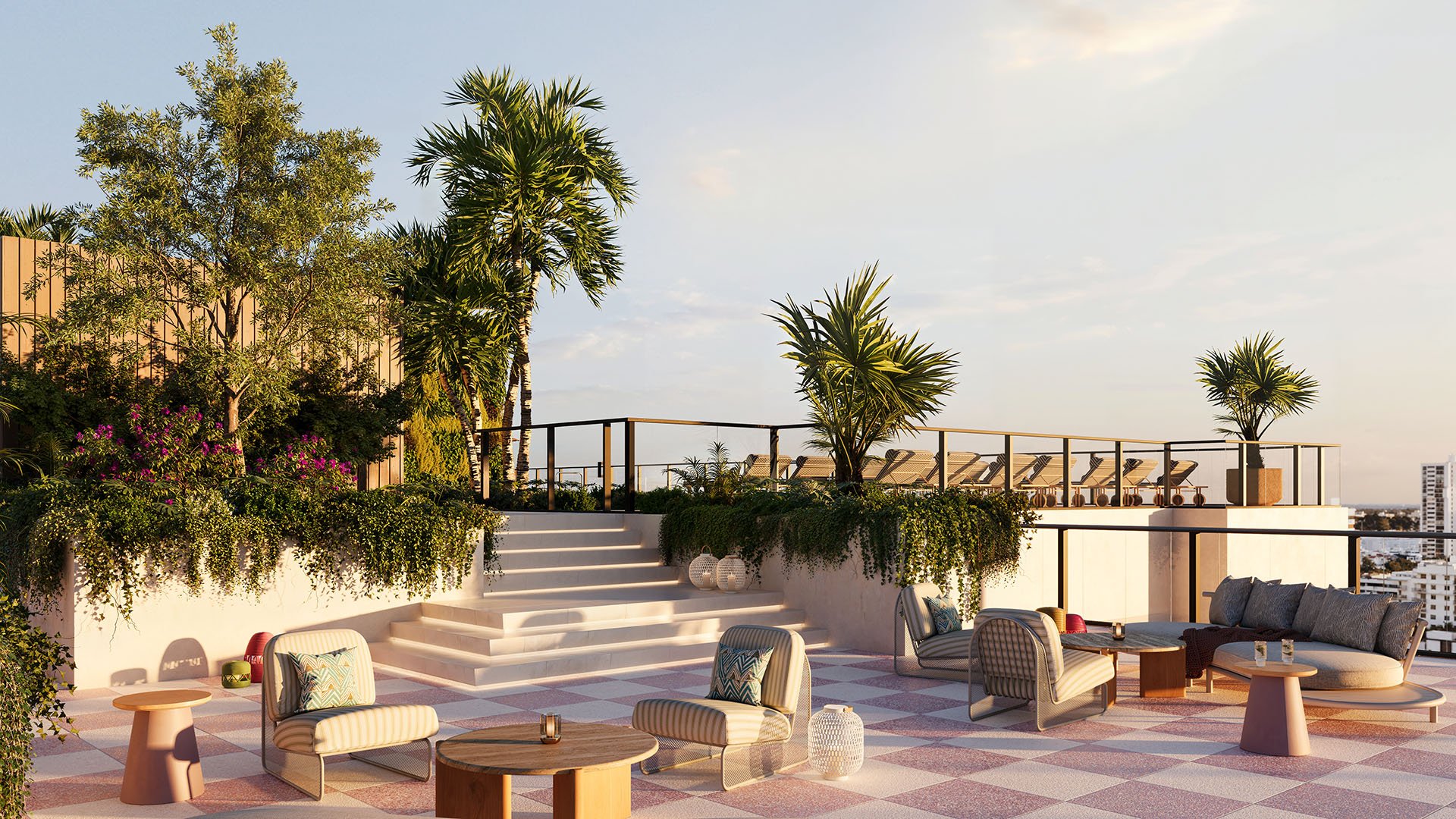
For buyers who want the cadence of a five-star stay without the feeling of hotel circulation, the comparison between Auberge Beach Residences & Spa Fort Lauderdale and Nora House West Palm Beach begins with a practical distinction. Both sit inside the broader South Florida conversation around service-led residential living, yet they ask buyers to evaluate different sources of lifestyle value.
The essential issue is operational. A buyer should ask whether the building itself is expected to provide the primary hospitality experience, or whether the surrounding neighborhood is expected to supply much of the dining, movement, and social texture. That distinction affects privacy, noise, convenience, and the way residents actually use the property day to day.
Auberge Beach is best approached as a completed Fort Lauderdale residential resort environment that can be experienced in person. Buyers can observe arrival patterns, amenity flow, resident atmosphere, and the surrounding beachside setting before making decisions. Nora House, by contrast, should be evaluated through the lens of West Palm Beach’s evolving urban energy and the practical details of how residents will be separated from nearby district activity.
Restaurant access can feel simple on a brochure and complex in daily life. The question is not only whether dining is close. The question is how residents reach it, who else uses it, how late it operates, and whether its rhythm supports or disrupts the private residential experience.
For an Auberge Beach buyer, the dining question is tied to the broader residential resort experience. The appeal is convenience, predictability, and the ability to move through a service-oriented setting without relying entirely on a surrounding urban district for evening plans. Buyers should still review the actual ownership experience carefully, but the completed setting allows those questions to be tested directly.
For a Nora House buyer, restaurant proximity should be studied as part of the West Palm Beach neighborhood proposition. District energy may be a strength for residents who want dining, activity, and a more connected urban pattern close at hand. It also requires careful diligence around outdoor seating, operating hours, ride-share activity, delivery patterns, and the separation between residential entries and public-facing uses.
This is where nearby West Palm Beach comparisons can help sharpen the buyer’s definition of hospitality at home. Mr. C Residences West Palm Beach and The Ritz-Carlton Residences® West Palm Beach may appeal to buyers asking similar questions about brand association, service expectations, privacy, and the balance between residential calm and city access.
In luxury residential buying, noise is rarely just about decibels. It is about predictability. A buyer may accept a lively restaurant nearby if the impact is known, well managed, and separated from private areas. The greater risk is uncertainty: late-night movement, service access, valet congestion, or changing patterns that were not understood before purchase.
A completed Fort Lauderdale setting gives Auberge Beach buyers the ability to study the lived experience. They can visit at different times of day, observe weekend and seasonal patterns, and assess whether the building’s tone matches their expectations for privacy and calm. That observational advantage can be meaningful for buyers who are sensitive to sound, social density, and arrival sequence.
Nora House should be reviewed with a more investigative checklist. Buyers should ask how residential entrances are handled, where deliveries and ride-share activity are expected, how amenity decks relate to active streets, and what design measures are intended to manage sound. None of those questions assumes a negative answer. They simply separate a desirable neighborhood from a residential experience that remains comfortable after the evening begins.
Social energy is one of the defining differences between South Florida luxury addresses. Some buyers want a building that feels like a private club, with social life shaped mainly by residents and invited guests. Others want a home that plugs directly into restaurants, street life, and the broader momentum of an active district.
Auberge Beach is best evaluated as an amenity-led model. The lifestyle question is whether its service culture, beachside rhythm, and residential setting deliver the level of polish and privacy the buyer wants. The strongest diligence is experiential: walk the building, study the transitions, and decide whether the atmosphere feels controlled enough for full-time or seasonal living.
Nora House is better evaluated through a neighborhood-led lens. Its West Palm Beach context may appeal to buyers who value proximity, energy, and a newer district narrative. The key is to confirm whether that energy remains additive rather than intrusive, especially for residents who want hospitality-level polish without the randomness of public circulation.
Comparisons with Fort Lauderdale branded environments can also be useful. Four Seasons Hotel & Private Residences Fort Lauderdale signals a different hospitality-residential framework, while Auberge Beach invites buyers to focus on how a residential resort environment functions without assuming that every branded experience feels the same.
A buyer’s time horizon should shape the comparison. A completed residence allows more direct evaluation of daily operations, service tone, neighbor mix, elevator flow, amenity use, and evening atmosphere. That can be especially important for buyers seeking a primary or seasonal residence where the small details of daily living matter as much as the headline amenities.
An emerging or district-oriented concept can be attractive for a different reason. It may offer a chance to align with a neighborhood’s next chapter and to prioritize walkability, restaurant access, and social texture. The tradeoff is that some lifestyle elements may depend on future operations, tenant mix, and how the surrounding area matures.
Neither profile is inherently better. The better fit depends on whether the buyer values a more observable residential resort pattern or is comfortable underwriting a livelier district proposition. The mistake is treating both as the same form of privacy simply because both participate in the luxury service conversation.
For buyers focused on service without a hotel-guest feel, Auberge Beach offers the advantage of a completed Fort Lauderdale environment that can be tested through direct experience. Buyers can evaluate the building’s actual rhythm rather than relying only on expectation.
Nora House may be compelling for buyers drawn to West Palm Beach’s urban momentum, especially if restaurant access and district energy are part of the appeal. The right diligence should focus on separation, noise management, resident circulation, and how the public-facing elements around the property will affect daily life.
The most disciplined comparison is not simply Auberge Beach versus Nora House. It is controlled residential resort living versus district-connected residential living, and each buyer should decide which version of South Florida luxury feels more natural.
Which property is the clearer fit for buyers who want service without a hotel-guest feel? Auberge Beach is easier to evaluate because buyers can study its completed Fort Lauderdale residential resort setting in person.
Should buyers treat Nora House as the same type of lifestyle as Auberge Beach? Not automatically. Nora House should be reviewed through its West Palm Beach district context and the operational details that will shape privacy, arrival, and sound.
Why is restaurant proximity important in this comparison? Restaurant proximity affects convenience, social energy, traffic patterns, and the feeling of privacy around the residence.
What should buyers ask before relying on nearby restaurants as an amenity? They should ask about operating hours, outdoor seating, delivery logistics, ride-share flow, and how residents are separated from public activity.
Why does a completed building offer an advantage for diligence? A completed property lets buyers observe arrival sequence, amenity use, evening atmosphere, and daily service culture before committing.
Who might prefer Auberge Beach? A buyer who prioritizes a beachside residential resort rhythm, controlled social atmosphere, and observable service patterns may prefer Auberge Beach.
Who might prefer Nora House? A buyer who wants West Palm Beach district energy, restaurant access, and a more neighborhood-connected lifestyle may find Nora House compelling.
How should noise be evaluated for a district-oriented residence? Buyers should study entries, terraces, glazing, nearby active uses, service areas, and the expected movement of residents, visitors, and deliveries.
Are branded and service-led residences all comparable? They are comparable only after a buyer separates brand perception from the actual operating model, resident privacy, and public access.
How can buyers vet social-media claims about a luxury listing? Cross-check permits, condo documents, and verified sales records, then tour comparable units for real-world context.
If you'd like a private walkthrough and a curated shortlist, connect with MILLION.
If branded residences are on your mind — as a home or as an allocation — we would be glad to share what we are seeing, privately.
Begin a quiet conversation