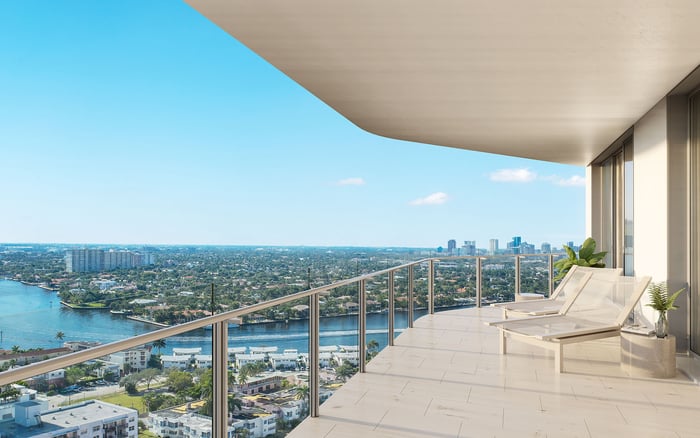
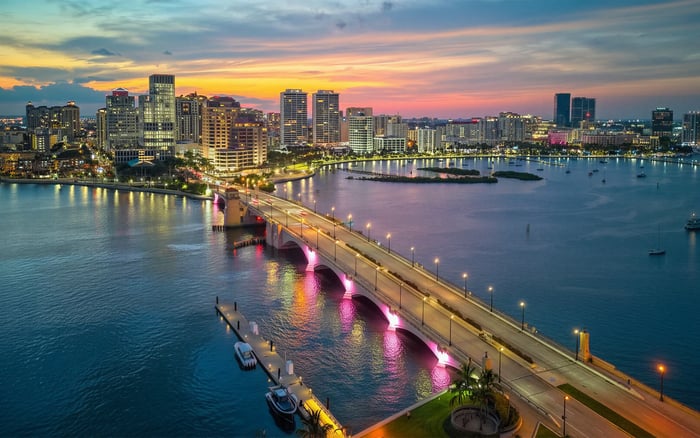
From Miami Beach trophy condos to Fort Lauderdale waterfront compounds, elite athletes are making South Florida a long-term base. The pattern is not just celebrity optics. It reflects tax structure, international mobility, and a market that has recently shown strength at the ultra-luxury tier. Here is how the athlete-buyer playbook is reshaping negotiations, inventory, and what “move-in ready” means at the top.
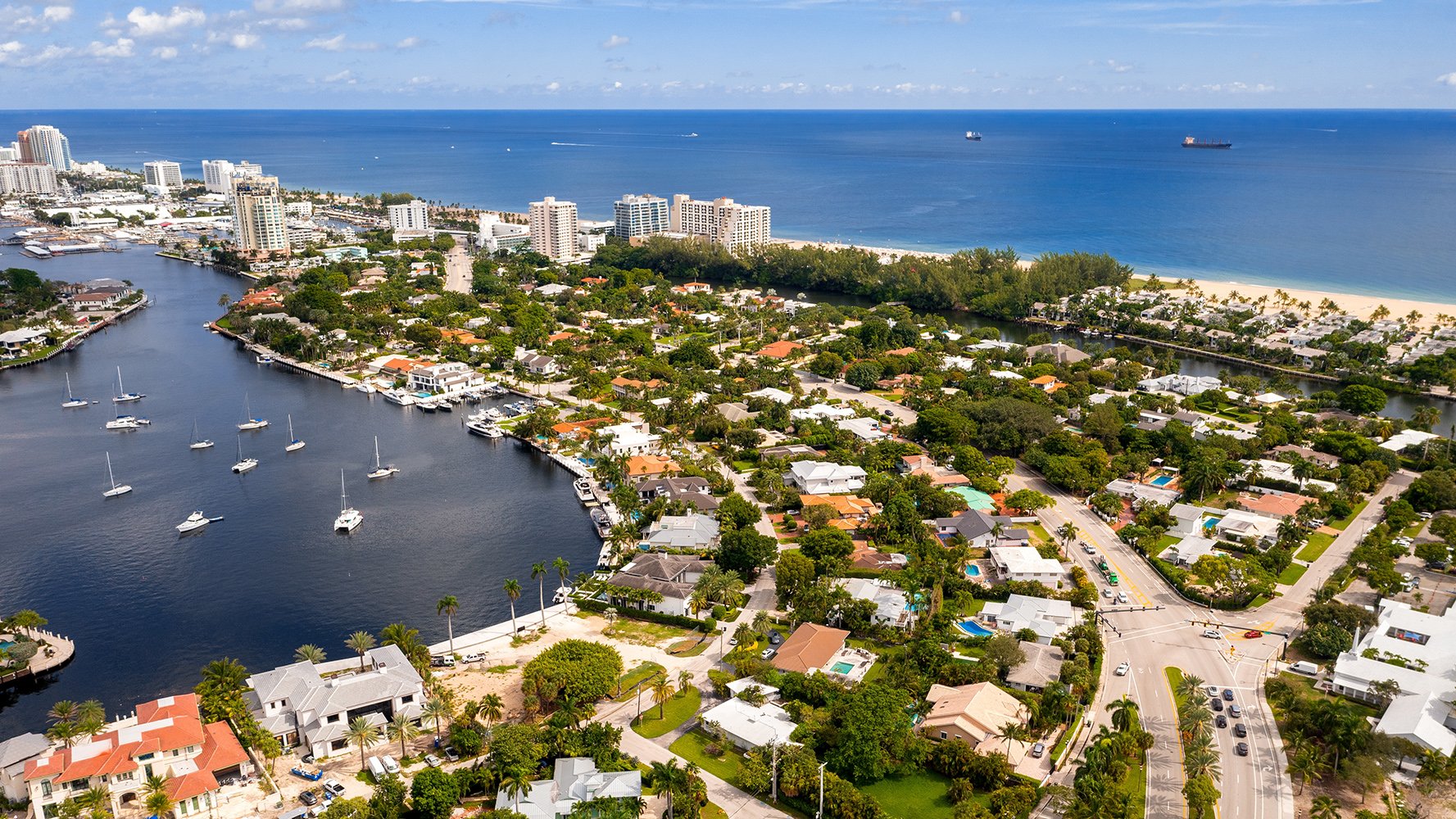
South Florida has always drawn celebrity attention, but the current surge in athlete homebuying looks less like a seasonal headline and more like a sustained relocation trend. The tell is in the property mix: waterfront single-family homes in Fort Lauderdale, trophy condos on Miami Beach, and occasional ultra-exclusive island addresses. These are not short-term rentals meant to get someone through a season. They read, trade, and live like long-term commitments to a lifestyle hub.
One driver is structural. Florida’s lack of a state individual income tax is frequently cited as a meaningful advantage for high earners compared with high-tax states. For professional athletes, that variable is not abstract. It can influence where they base their life, manage travel, and put down roots for family.
South Florida also performs well for globally mobile buyers. The region is built around privacy expectations, multilingual service, and consistent direct flight connectivity. That combination gives athletes a practical reason to stay, even when their careers are defined by change.
For luxury real estate, the headline is not celebrity. The headline is the buying profile athletes consistently bring: security without spectacle, turnkey condition without compromise, and a setting that supports both performance and recovery. When these buyers transact, they influence pricing psychology, compress decision timelines, and raise expectations around amenities, building management, and operational readiness.
The public numbers are attention-grabbing, but the more durable signal is behavioral. Athlete buyers tend to be decisive, time-sensitive, and unusually clear about what is non-negotiable.
Lionel Messi was widely reported to have purchased a waterfront Fort Lauderdale home for $10.75 million after joining Inter Miami. Around the same period, coverage also linked him to luxury condo ownership in the Miami area. That fits a common two-home cadence at the top: a primary residence that provides space, privacy, and family comfort, plus a condo that delivers proximity, security, and lock-and-leave ease.
The pattern repeats across the same coastal corridors. Luis Suárez was reported to have purchased an off-market Fort Lauderdale home near Messi for about $12 million. The clustering matters. Once a player or family establishes comfort with a neighborhood, a security posture, and a daily routine, the map tightens fast, and teammates often follow.
Sergio Busquets reportedly bought a waterfront Fort Lauderdale-area home for about $8.7 million and later listed it for $9.8 million. Even when the original motivation is lifestyle, the exit matters. Athletes may be buying for quality of life, but they still pay attention to value retention and resale positioning.
At the uppermost tier, visibility becomes its own kind of market signal. A widely covered report pegged David and Victoria Beckham’s Miami mansion at around $80 million. Purchases at that level function as both a residence and a public endorsement of the city’s ultra-luxury ecosystem.
Taken together, these are not isolated anecdotes. They reflect a buyer group that is liquid, confident, and oriented toward minimizing friction. For sellers, that changes the calculus: discretion, presentation, and contract velocity can matter as much as squeezing out another round of negotiation.
South Florida is not a single market. Athlete purchases highlight a set of distinct micro-markets, each with its own logic, inventory profile, and negotiation style.
Miami Beach remains the global-facing option for buyers who prioritize a true lock-and-leave lifestyle. Five-star service, close-in dining and culture, and immediate beach access compress daily decisions. For the right buyer, the condo is not a compromise. It is a strategic choice that aligns with travel schedules and privacy needs.
Within that Miami Beach context, the modern “trophy condo” still performs as a cultural asset as much as a home. Consider the discretion and design sensibility that has made Faena House Miami Beach a shorthand for high-touch oceanfront living. Similarly, Shore Club Private Collections Miami Beach speaks to a buyer who wants branded hospitality, curated wellness, and the ability to arrive with minimal friction.
Fort Lauderdale, by contrast, has emerged as a practical waterfront stronghold for players tied to Inter Miami and the broader South Florida sports calendar. The appeal is often straightforward: more land, deeper-water access, and a quieter daily rhythm that still connects to Miami’s dining, culture, and airport infrastructure. The reported Messi and Suárez Fort Lauderdale purchases, paired with Busquets’ purchase and later listing activity, reinforce that Broward’s luxury waterfront can be both a lifestyle win and a financially consequential move.
Then there is the status enclave. Business coverage about Tom Brady’s custom home on Indian Creek, often described as the “Billionaire Bunker,” underscores why certain island and gated environments trade on more than square footage. In elite negotiations, the address premium can be more resilient than almost any interior upgrade because it bundles signaling, privacy, and security into a single line item.
Athlete buyers value control, and a well-run luxury condominium can deliver it in ways a single-family property often cannot. The most compelling condo towers sell a system, not only a floor plan.
First, properly staffed buildings provide layered security that feels discreet rather than defensive. Owners get protected arrivals, controlled access, and a daily environment that reduces exposure without turning the home into a fortress. Second, professional management absorbs the unglamorous realities of ownership, from maintenance scheduling to vendor coordination. For buyers with unpredictable travel and training calendars, operational reliability is not a nice-to-have. It is essential.
Third, the best buildings reduce decision fatigue. In practice, a condo can simplify everything from housekeeping to repairs to package logistics. Many high-profile clients are not looking to manage a roster of contractors. They want a residence that performs consistently when they are in town, and remains stable when they are away.
In Miami Beach, Setai Residences Miami Beach captures the lock-and-leave ideal: a polished arrival experience, high service standards, and an oceanfront setting with an international sensibility. For buyers who prefer a slightly different rhythm, The Ritz-Carlton Residences® Miami Beach speaks to brand continuity and hospitality DNA that many global clients intuitively trust.
This preference is not only about ease. It can also be about risk management. Condos often consolidate exposure: one insured structure, one professional team, and one predictable monthly operating regime. For some buyers, that framework aligns with investment logic, even when the primary motivation is lifestyle.
Single-family homes remain the answer when the priority list includes water access, larger entertaining footprints, and family-forward living. In South Florida, the right waterfront house can function like a private resort, but it also has to perform day-to-day.
Athletes, especially those with young families or frequent visiting relatives, often want spaces that scale privately. That can mean outdoor training areas, recovery-friendly pools, and flexible rooms that serve as offices, media rooms, or staff suites. The goal is not simply size for its own sake. It is utility, quiet, and the ability to control the environment.
Waterfront carries practical appeal beyond the view. It can mean direct boating access, a calmer daily cadence, and the intangible prestige of owning the horizon. In many negotiations, the water is the value driver, and the house is the vessel that delivers it.
The reported Fort Lauderdale waterfront purchases by Messi and Suárez, plus Busquets’ buy and later listing, also underline a simple truth: even demand with celebrity gravity still responds to supply, design quality, and neighborhood preference. A home can be deeply personal and still be evaluated later through the lens of resale.
For sellers, preparation becomes decisive. Athletes are accustomed to performance standards. They respond to properties that feel maintained, transparent, and ready for immediate use. Deferred maintenance, unclear permitting histories, and ambiguous insurance narratives can slow down even a motivated buyer.
The athlete story is compelling, but market data provides the liquidity context that sophisticated clients care about. At the top of the market, the question is not only who is buying, but whether the segment is moving.
Miami-Dade’s ultra-luxury segment, defined in industry reporting as single-family homes selling above $3,000 per square foot, recorded 28 sales from January through July 2025, up 115 percent year over year. That kind of jump is meaningful precisely because the ultra-luxury tier is a smaller universe. When activity accelerates there, it signals depth, confidence, and a functioning buyer pool.
The longer arc supports the lifestyle-plus-capital narrative. Over the decade from July 2015 to July 2025, Miami condo prices were reported to have risen 108.2 percent, from $195,000 to $406,000. That is a broad-market metric, not a guarantee for any specific residence. Still, it helps explain why high-net-worth buyers view South Florida as a place to live and a place to allocate capital with intention.
International demand remains a pillar of this ecosystem. In reporting covering an 18-month period ending June 2025, 49 percent of new South Florida construction, pre-construction, and condo conversion sales were attributed to international buyers. Athletes, especially those with global careers and mobility, often behave like international buyers even when their earnings are domestic. They value global-standard service, turnkey readiness, and assets with prestige that translates across borders.
Luxury is not immune to real-world exposure, and waterfront living brings a unique set of considerations. Recent headlines have made that reality harder to ignore, and it has changed the order of operations in high-end due diligence.
A publicly covered 2024 fire severely damaged Miami Heat coach Erik Spoelstra’s Coral Gables home. Beyond the personal disruption, it served as a reminder that high-value properties can face sudden loss scenarios that affect timelines, insurance, and rebuilding decisions. In the current climate, buyers tend to surface operational questions earlier: insurance terms, replacement-cost assumptions, mitigation features, and the functional readiness of the home.
This shift can benefit well-managed buildings and newer construction where systems, staffing, and compliance are easier to document. It is not that one housing type is universally “safer.” It is that buyers now price uncertainty more aggressively.
In practice, the most compelling listings present a clean story. Documented upgrades, clear disclosures, and a maintenance profile that matches the asking price reduce friction. At the ultra-luxury level, uncertainty is not merely inconvenient. It is expensive, and sophisticated buyers prefer to spend on quality rather than on unknowns.
For sellers, the athlete effect is less about selling to an athlete and more about selling as if an athlete could walk through the door tomorrow. In a market where decisive buyers exist, the highest-performing listings tend to share four traits.
They are marketed discreetly, with privacy-respecting logistics that prevent unnecessary exposure. They show impeccably, because buyers who live on performance notice details, from lighting to hardware to how a home feels in motion. They read as turnkey, because time is the true luxury for people with compressed schedules. And they are priced with conviction, because sophisticated buyers can sense when a number is aspirational rather than supported.
For developers and luxury buildings, this buyer cohort reinforces the premium on service, wellness, and quiet excellence. Amenities matter, but operations matter more. A spa is a headline; a consistently well-run building is the differentiator that protects value.
For end users, the lesson is practical. Before you fall in love with a view, ask what lifestyle system you are buying, and how resilient that system is when life gets busy. The best homes in South Florida do not only photograph well. They perform.
Finally, for anyone weighing neighborhoods, a simple keyword lens helps clarify the decision: Brickell for proximity and vertical ease, Miami Beach for oceanfront cultural gravity, and Fort Lauderdale for waterfront space. The right choice is rarely one-dimensional. It is about how your home supports your entire year.
Do athletes buy condos or houses in South Florida? Both. Coverage has linked some athletes to a mix of waterfront single-family homes and luxury condo ownership, suggesting a two-home strategy that balances space with lock-and-leave convenience.
Is Florida’s tax structure really a factor in relocation decisions? It is commonly cited as a meaningful draw for high earners because Florida has no state individual income tax, which can change the net picture versus high-tax states.
Why do some athletes cluster in the same neighborhoods? Proximity to teammates, training, and trusted daily routines often narrows the map to a few waterfront and gated-community enclaves where privacy and security feel predictable.
Is the ultra-luxury market in Miami-Dade still active? Recent industry reporting showed a sharp year-over-year increase in ultra-luxury single-family sales above $3,000 per square foot in early 2025, signaling continued liquidity at the top.
To evaluate South Florida homes with discretion and precision, connect with MILLION Luxury.
If branded residences are on your mind — as a home or as an allocation — we would be glad to share what we are seeing, privately.
Begin a quiet conversation