A buyer-minded look at how World Cup operations can reshape mobility, access, and day-to-day livability around Miami Gardens, with practical implications for luxury homeowners across Miami-Dade and Broward.
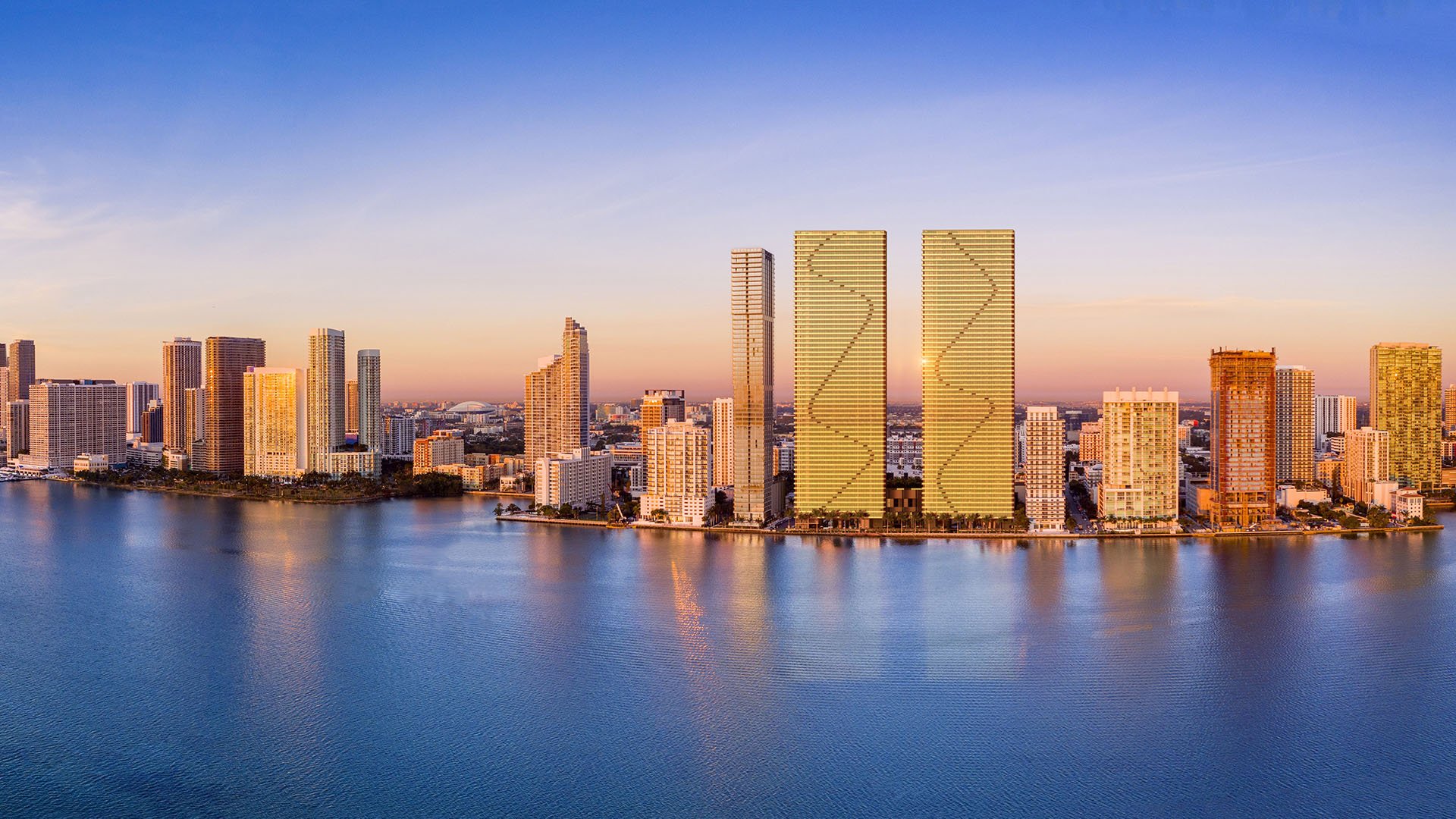
Miami Gardens is built for big days. When an event as operationally complex as the 2026 World Cup arrives, the impact won’t stay contained within the stadium footprint. It travels through road networks, neighborhood entry points, security posture, and the cadence of everyday errands. For residents and buyers in adjoining areas, the question isn’t whether traffic will be “busy.” It’s how access will be controlled, where friction will concentrate, and which micro-locations remain genuinely livable when the region is operating under heightened security.
For a luxury real estate audience, this is less about spectacle and more about predictability. Owners want to know whether guests can arrive with ease, whether staff and services can stay on schedule, and whether a weekend home still feels quiet and restorative when crowds swell. The World Cup simply sharpens what already matters: route redundancy, strong internal circulation, and residences that buffer noise and movement.
Large international events typically bring layered security planning, with perimeters that extend farther than many residents expect. In practical terms, that often means:
Checkpoints and credentialing for certain approaches, not just at the venue doors.
Temporary restrictions on stopping, parking, and curbside pickup.
Road closures that can read as “local” on a map yet still disrupt the primary arteries residents rely on.
The lived experience shifts from free-flow movement to managed movement. For adjoining neighborhoods, it can feel as though the city has been temporarily re-zoned into tiers of access. Even without published specifics, buyers should assume that high-attendance days can introduce restrictions that make habitual routes less reliable.
Luxury owners can mitigate this by prioritizing properties that protect privacy without depending on a single choke point. A building with a discreet arrival sequence, on-site guest parking, and a well-managed lobby isn’t merely a lifestyle preference. It’s operational resilience when the street outside becomes more controlled than usual.
This is where core urban product can quietly outperform expectations. In Brickell, for example, full-service towers such as 2200 Brickell are typically built around predictable arrivals, structured parking, and professional front-of-house protocols. Those features matter more when the broader metro is operating in “event mode.”
Traffic disruption around a major venue isn’t purely a radius problem. It’s a network problem. Congestion concentrates where high-volume routes meet limited capacity: ramps, bridges, canal crossings, and the last-mile grid where pedestrians, rideshare, and private vehicles converge.
For adjoining areas, expect a few consistent stress points:
Arrival and departure waves that create sharp peaks rather than steady congestion.
Spillover parking pressure on nearby residential streets.
Ride-hailing backups as vehicles circle for pickups under curb restrictions.
The buyer takeaway is to assess a home’s daily routing options, not just its distance on a map. Two different “20-minute commutes” can perform very differently if one depends on a single ramp or a single arterial. Likewise, neighborhoods that feel equally convenient on a normal weekday can diverge sharply on match days.
If you’re choosing between submarkets, consider places where your lifestyle can pivot away from driving on peak days. Waterfront walkability, on-site dining, and integrated services become practical-not indulgent. In Miami Beach, a residence like 57 Ocean Miami Beach reflects this logic: when the city is busier, having essentials close and a more self-contained home experience helps preserve calm.
The World Cup won’t last forever, but the routines you establish can. Owners who move through global-event weekends smoothly tend to do three things: they pre-plan access, they design for flexibility, and they protect the guest experience.
1) Build a “two-route” routine.
Know at least two ways in and out of your neighborhood at different times of day. The best plan isn’t a perfect route-it’s a second viable option when the first becomes controlled or slowed.
2) Treat parking and pickup as part of the property’s value.
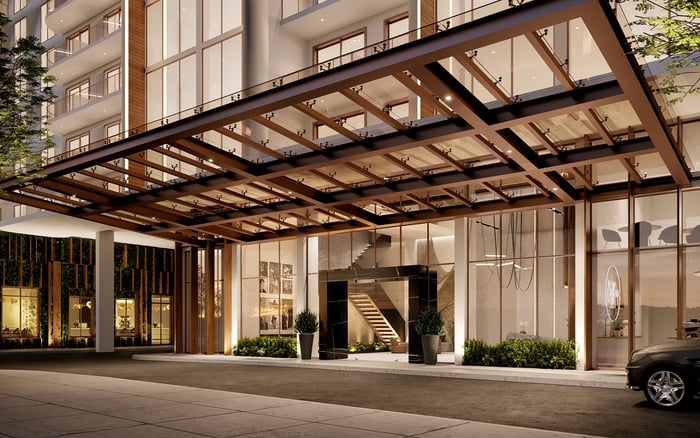
A dedicated garage space and a well-managed porte-cochère change the experience of hosting. If your building or home forces curbside improvisation, event-day rules can turn that into a recurring stress point.
3) Schedule deliveries and services like a concierge would.
Housekeeping, catering, maintenance, and personal appointments all become harder when the road network is under pressure. A simple shift to earlier windows on peak days can protect the weekend.
4) Keep privacy protocols crisp.
Heightened security periods can increase foot traffic in unexpected places. Gated entries, controlled elevators, and attentive staff help preserve discretion.
For second-home owners who prefer quieter baselines, Broward’s coastal communities can feel like a strategic counterbalance, particularly if you want luxury without the same density of event-driven movement. Properties such as 2000 Ocean Hallandale Beach can keep you within reach of Miami’s cultural gravity while orienting day-to-day life to the ocean rather than the stadium corridor.
For buyers evaluating adjoining areas, the question isn’t simply distance. It’s how your neighborhood connects to the region when key links are constrained.
generally adapt better than those dependent on a single corridor.
reduce the need to drive at the exact moments traffic is most constrained.
can limit spillover parking and cut-through traffic.
Aventura, for instance, can be compelling for owners who want a polished, amenity-rich lifestyle that functions even when portions of Miami-Dade are under heavy event demand. If you want newer residential inventory and a clean, serviced living model, Avenia Aventura reflects the kind of product that prioritizes ease of arrival, resident amenities, and a predictable daily routine.
At the other end of the spectrum, buyers who want an ultra-urban profile may still choose Downtown or Brickell, accepting periodic congestion as the trade-off for walkability and access to the region’s core dining and cultural circuit. The key is to be candid about how you live: if you value spontaneity in driving, choose locations with more routing redundancy; if you value spontaneity in lifestyle, choose buildings that let you stay local.
Even when operational details are temporary, the planning mindset can last. Major events tend to accelerate coordination between agencies, refine routing strategies, and test communication systems. From a homeowner’s perspective, two long-term implications are worth tracking.
First, “managed mobility” becomes normal.
Expect more emphasis on timed arrivals, designated corridors, and dynamic messaging during high-demand periods. Over time, residents often find the city becomes better at directing flow, even if congestion never disappears.
Second, premium shifts toward predictable convenience.
In luxury housing, predictability is a form of comfort. A building that consistently manages arrivals, noise, and services can feel more valuable than one that is theoretically “close” to everything but becomes operationally chaotic when demand surges.
That’s one reason trophy residences in established luxury enclaves retain their appeal. They were designed with privacy, staffing, and controlled access in mind-qualities that read differently when the broader region is under heightened operational pressure.
The World Cup is a milestone, but the smartest posture is calm and owner-centric. Rather than trying to time a short-term spike, consider three practical questions:
Will I be comfortable here on the busiest weekends of the year?
Does this home still work if the city’s traffic pattern changes for a day?
Can I host, arrive, and leave without depending on perfect conditions?
If the answer is yes, you’re buying for lifestyle durability. If the answer is no, the property may still be beautiful, but it’s less resilient. In South Florida, resilience is luxury.
The most discreet approach is to choose product that offers optionality: multiple access routes, strong amenity depth, professional management, and a neighborhood structure that discourages spillover. Pair that with personal habits that anticipate peak-day constraints, and the event becomes a manageable variable rather than a source of anxiety.
Will Miami Gardens have stricter security during the 2026 World Cup? Expect heightened security measures and controlled access near major venues on match days.
Should homeowners expect road closures in adjoining areas? Temporary closures and restricted turns are common during large events, especially near key corridors.
How can I reduce match-day traffic stress without moving? Pre-plan alternate routes, shift service appointments earlier, and avoid peak arrival windows.
Do condos with valet and structured parking help during major events? Yes, controlled arrivals and on-site parking reduce reliance on curbside conditions.
Is walkability more valuable during World Cup weeks? It can be, because fewer car trips mean less exposure to congestion and checkpoints.
Will rideshare be easier or harder near event zones? Harder at peak times, since pickups often move to designated areas and vehicles may be rerouted.
Are gated communities better insulated from spillover parking? Typically yes, because controlled entries can deter cut-through traffic and unauthorized parking.
Should second-home buyers avoid Miami-Dade during the event? Not necessarily; choosing amenity-rich areas and planning arrivals can preserve a calm experience.
Does the World Cup change what “good location” means in Miami? It emphasizes redundancy, predictability, and self-contained living over simple proximity.
What is the most practical takeaway for luxury buyers right now? Prioritize properties that remain easy to access and comfortable when the region is busiest.
For a confidential assessment and a building-by-building shortlist, connect with MILLION Luxury.
If branded residences are on your mind — as a home or as an allocation — we would be glad to share what we are seeing, privately.
Begin a quiet conversation