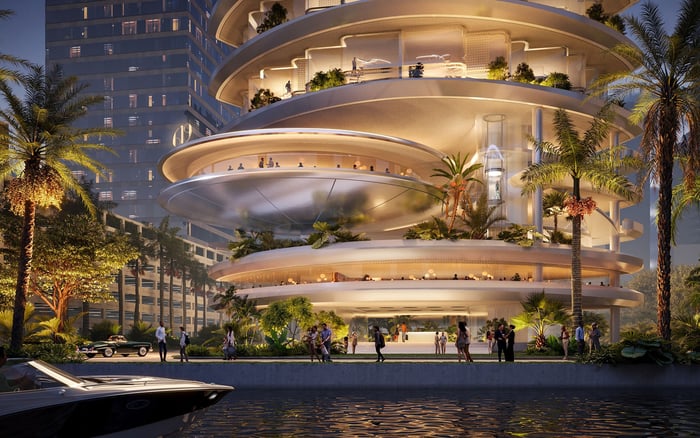
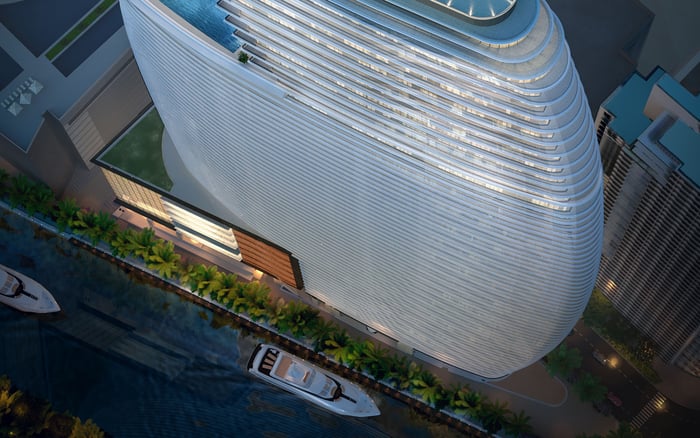
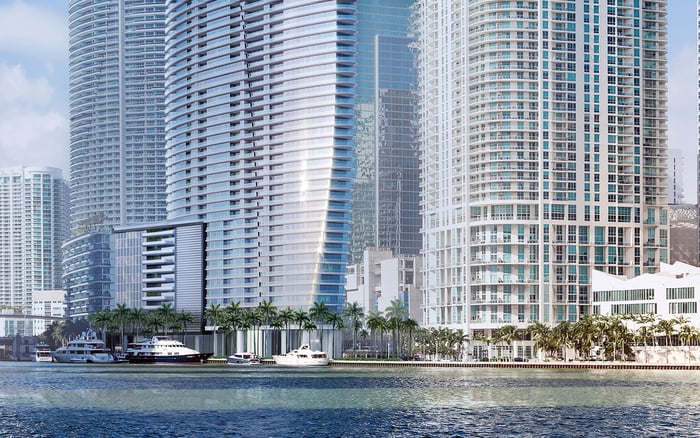
A buyer-focused look at how bridge-opening timing can influence daily convenience, privacy, and long-term fit for Aston Martin Residences Downtown Miami.
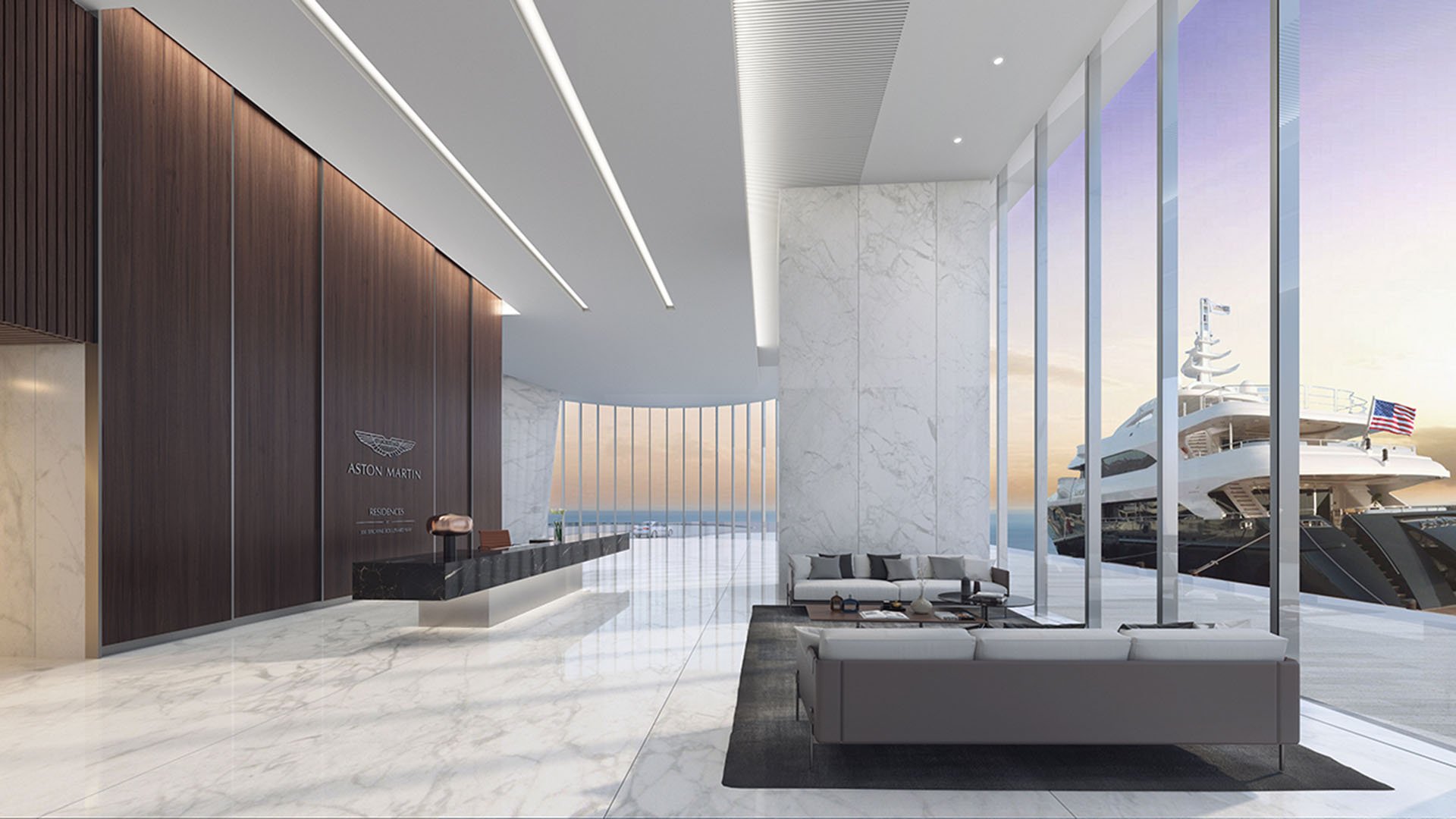
For buyers considering Aston Martin Residences Downtown Miami, the conversation often starts with design, views, finishes, and brand atmosphere. Yet for a certain kind of owner, the decisive question is quieter and more practical: how does the residence feel in the exact moments when life is already in motion?
Bridge-openings timing can become part of that answer. In a Downtown waterfront setting, a bridge opening is not simply a traffic detail. It is a rhythm that can shape school runs, airport departures, dinner reservations, guest arrivals, marina access, and the everyday ease of moving between home and the wider city. For some buyers, the impact may be minor. For others, particularly those with highly scheduled lives, it can materially change how a residence is evaluated.
This is not an argument against waterfront living. It is the opposite. The most compelling waterfront properties ask buyers to understand both the beauty and the mechanics of their location. Waterview priorities, privacy expectations, commuting habits, and tolerance for short delays should be considered together.
Ultra-premium buyers are rarely surprised by urban movement. They understand that major city living includes peak periods, valet choreography, event nights, and shifting road conditions. What matters more is predictability.
A bridge opening can feel insignificant when there is no deadline. It can feel far more consequential when a buyer is heading to a private aviation departure, a medical appointment, a client dinner in Brickell, or a school pickup with little margin. The inconvenience is not always measured in minutes. It is measured by whether the owner can rely on a route without redesigning the day.
That is why the most disciplined buyers test the experience at the times they will actually use it. A quiet midday visit can be charming, but it does not answer the full question. The stronger test is layered: early morning, late afternoon, weekend evening, rainy day, and the hour when guests are most likely to arrive.
Downtown has a different energy from a private island, a gated estate, or a low-density coastal enclave. It offers immediacy, vertical living, cultural proximity, water access, and a skyline lifestyle closely tied to Miami’s modern identity. That connectivity is precisely why timing matters.
A buyer who spends most days within the urban core may experience bridge openings as a manageable part of the waterfront pattern. A buyer who makes frequent cross-county trips, moves between multiple homes, or keeps a tightly scheduled calendar may weigh the same factor differently. For a second-home owner, the question may be more about arrival rituals: how quickly can the household settle in after landing, and how seamless is departure day?
The answer depends on personal rhythm. A residence is not only a collection of rooms. It is a base of operations. The more precise the buyer’s routine, the more precise the access analysis should be.
In the luxury segment, convenience is often delegated but not eliminated. A driver can adjust routes. A concierge can coordinate arrivals. A valet team can manage timing. Yet the owner still feels the result. If a guest is delayed, if a car must be staged earlier than expected, or if a dinner departure becomes compressed, the residential experience changes.
This is where bridge-openings timing becomes part of service design. Buyers should ask how they would stage a typical evening: where guests arrive, how a driver approaches, how long a vehicle waits, and whether alternate routes feel intuitive. The answers can reveal whether the property’s location supports the buyer’s style of hosting.
For owners who entertain often, this is especially relevant. A spectacular arrival matters, but so does a graceful exit. The best urban waterfront living should preserve composure, even when the city is active around it.
A water view and a boating lifestyle are related, but they are not the same decision. The presence of water may inspire a buyer, but marina planning requires a more operational lens. Bridge-openings timing may affect how an owner thinks about tender movements, guest pickups, captain coordination, or simply the emotional ease of using the water on short notice.
The buyer who wants the romance of the water may be satisfied by the atmosphere, the light, and the skyline. The buyer who expects regular boating should think more specifically about routes, timing, and the relationship between residential life and marine movement.
This distinction prevents disappointment. A waterfront residence can be exceptional even if an owner decides that boating logistics require advance planning. The goal is not to remove complexity. The goal is to understand it before the purchase becomes emotional.
Luxury buyers do not all value convenience in the same way. One buyer may pay a premium for direct skyline drama and accept occasional delays as part of the setting. Another may prefer a slightly different location if it gives them a more controlled daily rhythm. Neither buyer is wrong.
That is why bridge-openings timing can affect perceived value, even when it does not alter the underlying prestige of the address. It becomes part of the personal cost-benefit equation. The buyer asks: does the residence deliver enough beauty, privacy, service, and identity to justify the logistical pattern?
For Aston Martin Residences Downtown Miami, the brand conversation naturally carries a sense of motion, craftsmanship, and arrival. The buyer decision should match that sophistication. The most informed purchaser looks beyond the polished presentation and studies how the address will function on an ordinary Tuesday, a holiday weekend, and an evening when every minute is spoken for.
Before committing, buyers should create a route map around real life rather than a sales appointment. Test the path to Brickell, the airport, favorite restaurants, medical appointments, clubs, schools, and regular meeting points. If the residence will serve as a seasonal base, test the arrival and departure patterns that match actual travel.
Buyers should also consider who in the household is most sensitive to timing. A principal who works remotely may be relaxed about occasional delays. A spouse, assistant, driver, nanny, guest, or captain may experience the address differently. In luxury real estate, the home must work for the full ecosystem around the owner.
Finally, buyers should evaluate temperament. Some people are calmed by the waterfront and unbothered by the occasional pause. Others prefer absolute efficiency. The right decision is the one that aligns the residence with the buyer’s nature, not only with the brochure image.
The question is not whether bridge openings exist. The better question is whether their timing intersects with the buyer’s most important routines.
If the answer is rarely, the location may deliver the desired combination of Downtown energy, water presence, and branded residential identity. If the answer is often, the buyer may still proceed, but with a clearer plan for drivers, departures, guest logistics, and boating use.
That clarity is the hallmark of a sophisticated purchase. In the ultra-premium market, the finest decisions are not made by ignoring friction. They are made by understanding exactly which frictions matter and which are simply part of the character of a rare waterfront setting.
Why should buyers of Aston Martin Residences Downtown Miami think about bridge openings? Bridge openings can influence how predictable daily movement feels, especially for buyers with tight schedules or frequent guest arrivals.
Is bridge timing a reason to avoid a Downtown waterfront residence? Not necessarily. It is a lifestyle factor to evaluate alongside design, views, service, privacy, and personal routine.
When should a buyer test the route? Buyers should test routes during the times they would actually travel, including mornings, evenings, weekends, and departure days.
Does this matter more for full-time owners or seasonal owners? It can matter for both. Full-time owners feel routine patterns, while seasonal owners may care most about airport arrivals and departures.
How does Brickell access fit into the decision? Brickell is a common reference point for dining, business, and social movement, so buyers should test that connection at realistic times.
Should waterview priorities outweigh access concerns? That depends on the buyer. Some owners place emotional value on the water that easily outweighs occasional timing adjustments.
Is marina use affected by bridge-openings timing? It can be part of the planning conversation for owners who expect regular boating, captain coordination, or guest movement by water.
What should second-home buyers focus on? They should study arrival and departure rituals, including how quickly the household can settle in or leave for travel.
Can staff or drivers solve the issue completely? They can reduce friction, but they do not erase the importance of route planning and realistic timing expectations.
What is the most important buyer takeaway? The strongest decision comes from matching the residence to the owner’s actual rhythms, not just the appeal of the setting.
If you'd like a private walkthrough and a curated shortlist, connect with MILLION.
If branded residences are on your mind — as a home or as an allocation — we would be glad to share what we are seeing, privately.
Begin a quiet conversation