A discreet buyer’s guide to evaluating boating access, dockage expectations, draft questions, and waterfront priorities in Downtown Miami and Brickell.
In Downtown Miami, boating access is not a decorative amenity. For the serious waterfront buyer, it is part of the property’s daily utility, social rhythm, and long-term value proposition. A residence may deliver a cinematic water view, but if the owner’s vessel cannot be accommodated comfortably, the lifestyle becomes less seamless than the brochure suggests.
The most sophisticated buyers evaluate waterfront homes with the same precision they bring to architecture, privacy, service, and arrival experience. They ask how close the residence sits to practical dockage, how intuitive the transition feels from lobby to launch, and whether the building’s waterfront posture supports the boating they actually intend to enjoy.
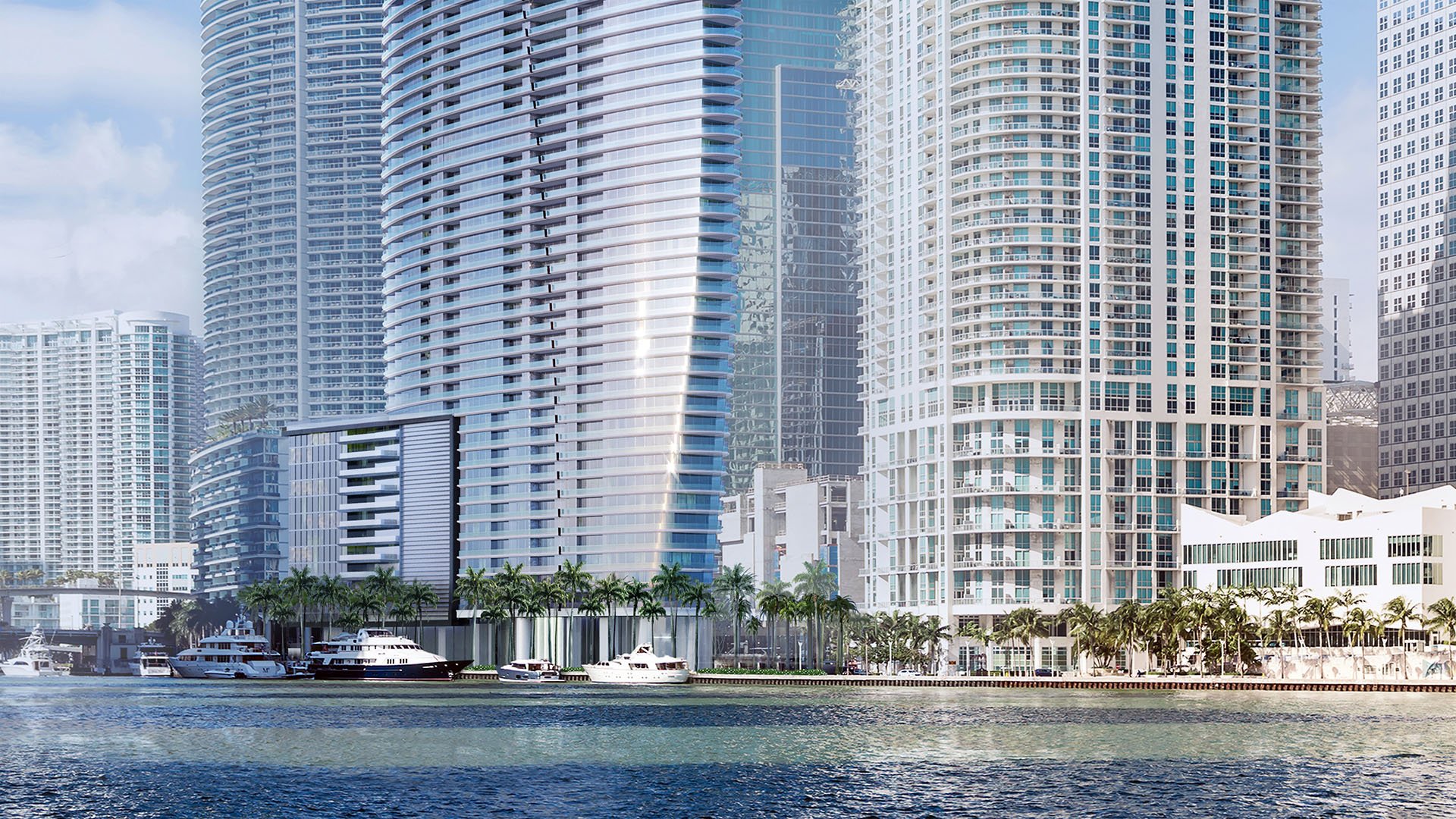
This is especially relevant in Downtown and Brickell, where vertical living meets a highly active bayfront environment. The question is not simply whether a building is near the water. It is whether the ownership experience feels effortless from residence to vessel, from morning departure to evening return.
Dockage is often discussed in transactional terms, but for ultra-premium buyers it should be framed more personally. A boat slip may be essential for one buyer, while another may prefer a nearby marina arrangement, club access, or the flexibility of concierge-assisted boating without direct ownership of a slip.
The first priority is alignment. A buyer should understand whether the property supports the size, frequency, and style of boating envisioned. Weekend bay cruising, tender runs, day boating with guests, and longer offshore itineraries each create different demands. The right residence should reduce friction, not add another layer of coordination.
This is where advisory discipline matters. A tower with commanding waterfront views may not solve a boater’s practical requirements. Conversely, a residence slightly removed from direct dockage may still function beautifully if the access pattern is clean, private, and supported by the owner’s preferred marina relationship.
Draft is one of the most important topics buyers should raise early, yet it is often left until the end of the conversation. It belongs at the beginning. Vessel draft, tide conditions, maneuvering comfort, and the route from dock to open water are all part of the same ownership equation.
No buyer should assume that waterfront proximity automatically equals vessel compatibility. A sleek bayfront address can still require careful review of water depth, access points, and navigation constraints. For larger vessels, even small differences in approach, turning room, or docking environment can materially change the experience.
The most effective approach is straightforward: define the vessel first, then test the real estate around it. If the buyer already owns a boat, its specifications should guide the search. If a future vessel is planned, the residence should be evaluated with room for that next step. In South Florida, boating is rarely static. Buyers evolve, vessels change, and the best property decisions anticipate that progression.
Downtown Miami appeals to buyers who want proximity to culture, dining, offices, entertainment, and the visual drama of Biscayne Bay. The waterfront experience here is urban, polished, and high-energy. It is less about retreating from the city and more about owning the city’s most dynamic edge.
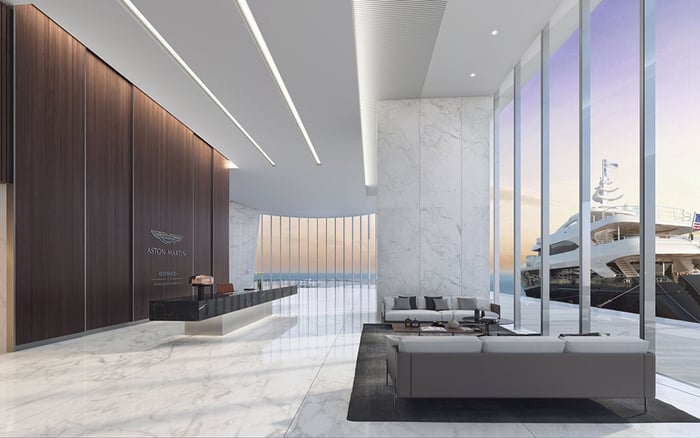
For some buyers, a residence such as Aston Martin Residences Downtown Miami reflects this particular balance: design-forward vertical living, a recognizable Downtown address, and an orientation toward water as part of the daily backdrop. For others, the appeal of Waldorf Astoria Residences Downtown Miami may lie in the prestige of a skyline presence paired with a lifestyle that keeps bay access within the broader ownership conversation.
The key is expectation setting. Downtown is not a quiet canal neighborhood. It is a metropolitan waterfront, and buyers should embrace that character. Those who do often find the combination of city access and boating culture uniquely compelling.
Brickell introduces a different version of waterfront living. It is polished, finance-driven, walkable, and deeply service-oriented. Buyers here often want the best of both worlds: a residential experience that feels private and elevated, with restaurants, offices, wellness, and water access close at hand.
Projects such as Baccarat Residences Brickell and Una Residences Brickell sit naturally in this discussion because they speak to buyers who view the waterfront not as an occasional amenity, but as part of the atmosphere of ownership. For these clients, boating access may be one criterion among several, alongside arrival sequence, residence layout, privacy, and quality of service.
A Brickell buyer should be especially clear about how often boating will occur and how much assistance is desired. Some want spontaneous access and direct control. Others prefer a curated, managed experience where staff, valet, drivers, and marina relationships remove complexity. Both can be luxurious, but they are not the same lifestyle.
The strongest waterfront purchase decisions tend to start with a hierarchy. First, define the vessel requirement. Second, define the desired access pattern. Third, compare that access pattern against the building’s privacy, service, and architectural qualities.
Views should remain important, but they should not dominate the entire analysis. A beautiful bay exposure can support resale appeal and emotional connection, yet the practical experience of boating depends on details the eye cannot see from the terrace. Buyers should ask about docking protocols, guest arrival, storage needs, tender handling, and the everyday path from residence to water.
It is also wise to separate true boating priorities from romantic ones. Many buyers love the idea of stepping from home to boat, but fewer will use that access frequently enough to justify making it the primary requirement. Others live on the water because boating is central to family life, entertaining, and travel. For them, dockage is not optional. It is part of the residence itself.
A disciplined comparison should include three layers. The first is physical compatibility: vessel size, draft, and the route to usable water. The second is operational compatibility: staffing, access hours, valet patterns, and the ease of hosting guests. The third is emotional compatibility: whether the residence feels like the right expression of waterfront life.
This is where ultra-premium buyers benefit from slowing the process. The most desirable property is not always the one with the most dramatic rendering or the highest floor. It is the one that allows the owner to live with fewer compromises. In waterfront real estate, fewer compromises can mean better privacy, a calmer arrival, cleaner boating logistics, and a residence that supports the owner’s actual habits.
Buyers should also think beyond the first season of ownership. A residence that works for a couple today may need to accommodate visiting children, guests, crew coordination, or a different vessel in the future. The water rewards planning.
Is direct dockage essential for a Downtown Miami waterfront buyer? Not always. It depends on whether boating is a daily lifestyle requirement or an occasional luxury supported by nearby arrangements.
What does draft mean in a residential boating context? Draft refers to how much water depth a vessel needs to operate safely, and it should be reviewed before assuming compatibility.
Should I choose the residence first or the boat first? If boating is central to the purchase, the vessel profile should guide the real estate search from the beginning.
Is a water view the same as boating access? No. A water view can be visually valuable, but boating access depends on practical dockage, navigation, and operating details.
How should Brickell buyers think about boating? Brickell buyers should weigh convenience, service, privacy, and the preferred marina relationship alongside the residence itself.
Can a marina relationship replace a private slip? For many owners, yes. A well-matched marina arrangement can provide flexibility without making direct dockage the central requirement.
What should be reviewed before purchasing a boat slip? Buyers should review vessel fit, access rules, use rights, maintenance responsibilities, and any limitations tied to ownership.
Are high-floor residences better for boaters? Not automatically. High floors may enhance views, but boating convenience depends more on access, logistics, and waterfront operations.
Do Downtown towers suit serious boat owners? They can, provided the buyer’s vessel needs and access expectations are aligned with the building and surrounding waterfront options.
What is the most important waterfront buyer priority? The most important priority is fit: the residence, vessel, service model, and daily lifestyle should work together naturally.
For a confidential assessment and a building-by-building shortlist, connect with MILLION.
If branded residences are on your mind — as a home or as an allocation — we would be glad to share what we are seeing, privately.
Begin a quiet conversation