A yacht-show mindset can refine how affluent buyers evaluate Downtown Miami residences, shifting attention from square footage alone to views, arrivals, service, terraces, privacy, and the ease of moving between home, water, dining, and city life.
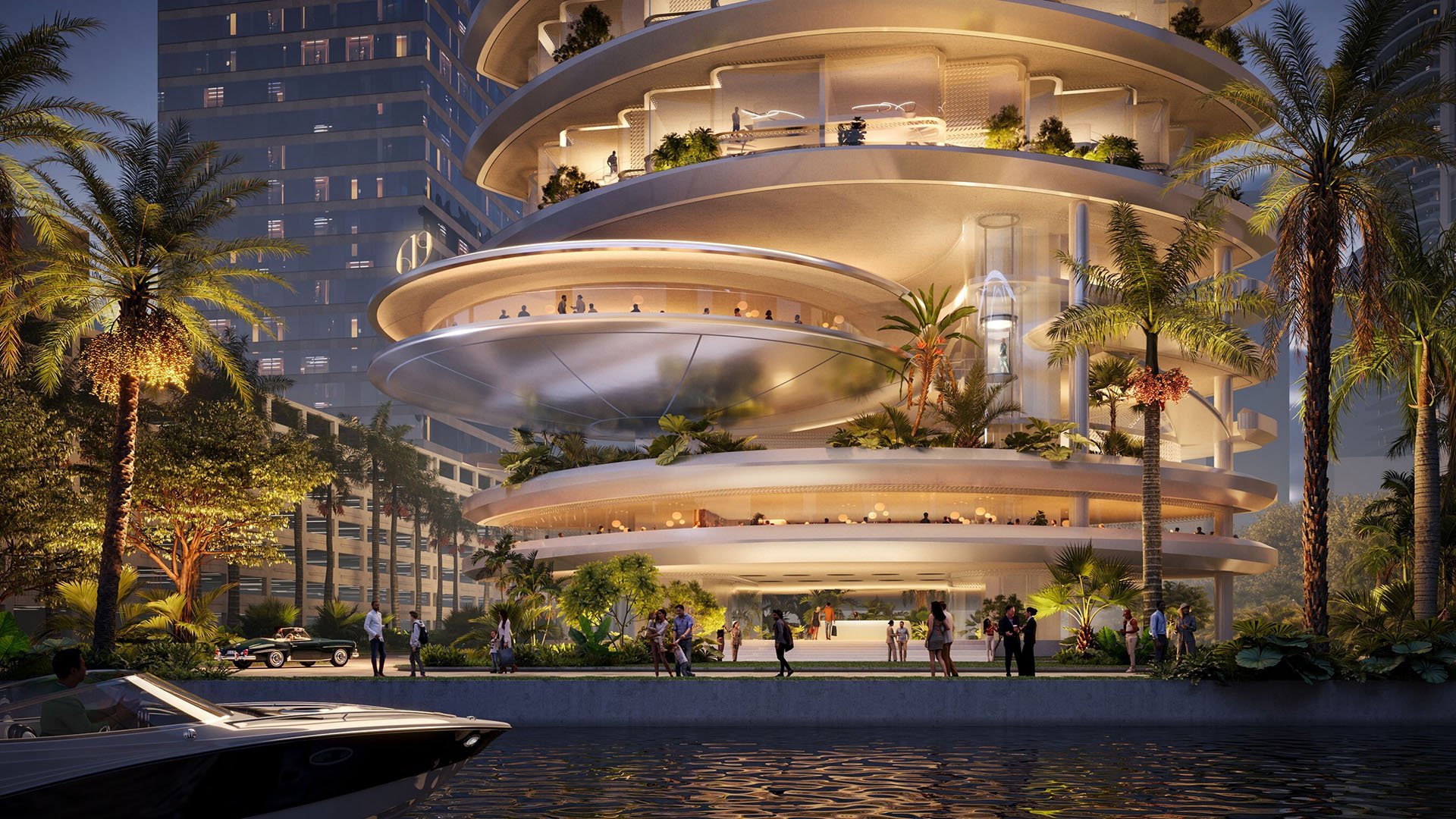
Yacht-show season has a way of refining residential taste. A buyer may arrive with familiar criteria: square footage, finishes, bedroom count, and price position. After several days moving between vessels, waterfront hospitality, private dinners, and late returns to the city, the checklist becomes more exacting. The home is no longer simply a residence. It becomes the land-based counterpart to a water-oriented life.
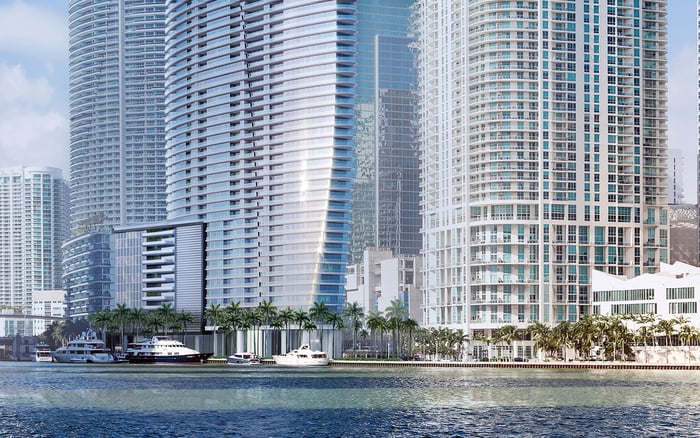
In Downtown Miami, that shift matters. The neighborhood offers a vertical expression of Miami luxury, where daily life is shaped by arrival, view, service, and proximity to culture, dining, and the bay. During yacht-show season, buyers tend to think less abstractly about lifestyle. They picture how a residence performs when guests are in town, when a captain calls, when luggage is moving, when a car is waiting, or when a quiet morning is needed after a long evening on the water.
This is where the most sophisticated purchasing decisions begin. The right residence is not merely beautiful. It removes friction.
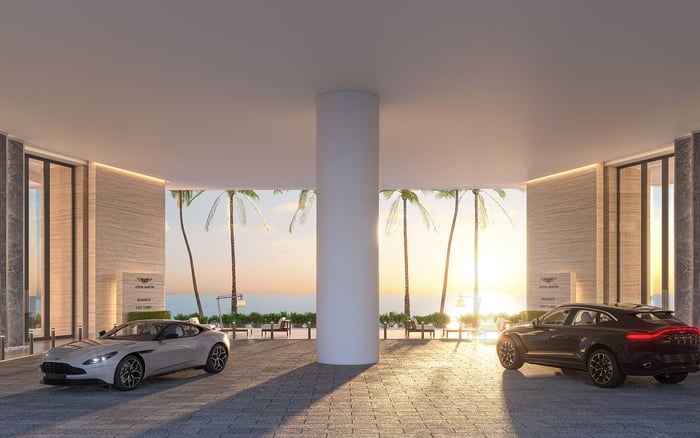
The first priority is often the arrival sequence. A grand lobby matters, but yacht-season buyers are equally attuned to how discreetly and efficiently they can enter, exit, host, and reset. Valet rhythm, elevator privacy, package handling, staff communication, and the feel of the porte cochere can become as important as a dramatic view.
The second priority is water orientation. A Waterview is not just an aesthetic preference in this context. It is a daily reference point, a reminder of why Downtown Miami appeals to those who want city energy without losing sight of Biscayne Bay. Buyers may compare how a sunrise, skyline, or passing boat traffic feels from different elevations and exposures, and they may favor plans that preserve openness from the primary suite, living room, and outdoor space.
The third priority is flexibility. Yacht-show season brings friends, advisors, family, crew conversations, wardrobe changes, deliveries, and spontaneous dinners. Residences that absorb these transitions gracefully feel more valuable. That may mean a den that functions as a private office, a secondary bedroom that gives guests real independence, or a service area that keeps the main rooms composed.
For many luxury buyers, a Terrace is no longer an afterthought. It is a room in its own right, especially during the season when Miami’s indoor-outdoor rhythm is most persuasive. The question is not simply whether a residence has outdoor space. It is whether the terrace can support morning coffee, a private conversation, a seated dinner, or a quiet hour facing the water.
Yacht-show season makes buyers more sensitive to the difference between decorative outdoor space and genuinely usable outdoor living. Depth, privacy, wind exposure, view corridor, and the relationship between terrace and interior all matter. A generous terrace that connects naturally to the main living area can make an apartment feel less like a pied-à-terre and more like a true Miami residence.
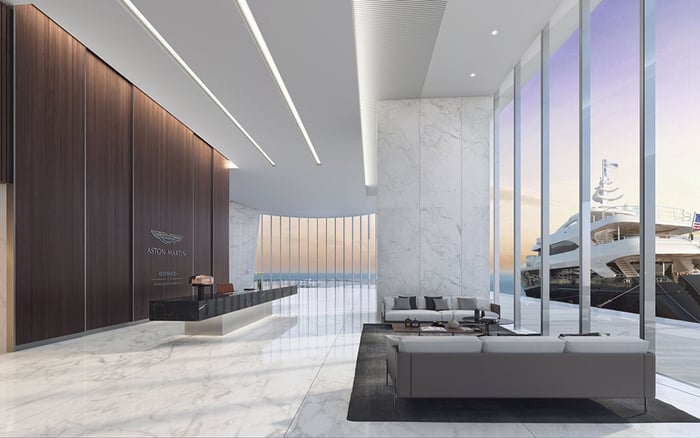
In Downtown, this is one reason high-design towers attract close attention. A buyer considering Aston Martin Residences Downtown Miami may be thinking not only about brand association, but also about how a residence supports the ritual of returning from the water to a composed, private, view-driven home.
During yacht-show season, service expectations become sharper because buyers are living through a more demanding version of their own lifestyle. Cars, reservations, garment care, deliveries, security, and guest access all become real scenarios rather than abstract brochure language. A building’s amenity program matters, but its service culture may matter more.
The strongest Downtown Miami residences understand that luxury is often invisible. It is the quiet coordination behind the front desk, the confidence of a secure arrival, the ease of moving from lobby to elevator, and the ability to host without feeling exposed. For owners who travel frequently or maintain multiple homes, this kind of operational polish can influence a purchase as much as architecture.
That is why branded and design-forward residences in the urban core often enter the conversation. Waldorf Astoria Residences Downtown Miami speaks to a buyer who values a hospitality framework, while One Thousand Museum Downtown Miami may appeal to those who see sculptural architecture as part of their private identity. The point is not to buy a name. The point is to understand what kind of living system the name represents.
Yacht-show season also sharpens the distinction between Downtown and Brickell. Downtown can feel more connected to cultural and waterfront movement, while Brickell offers a dense, polished financial-district rhythm. Many buyers consider both, especially if they want a residence that works for business, dining, and social access as well as water-oriented weekends.
The comparison should be practical. How long does it take to leave the building at peak hours? How does the elevator system feel when guests are arriving? Is the building better suited to a quiet owner, an active host, or a family using Miami as a seasonal base? Does the residence feel serene once the door closes?
For buyers drawn to Brickell, Baccarat Residences Brickell can enter the discussion as part of a more polished urban lifestyle. The best choice is rarely about one district winning over the other. It is about matching the building’s rhythm to the owner’s real life.
Marina access is an alluring phrase, but yacht-show season can help buyers separate romance from utility. Not every owner needs the same boating infrastructure, and not every residence must solve every nautical need. The wiser approach is to define the relationship between home and water with precision.
Some buyers want the closest possible connection to boarding, provisioning, and returning. Others value the visual and emotional connection to the bay more than immediate dockage. Some maintain yacht operations separately and simply want a residence aligned with that life. Downtown Miami allows for these different interpretations, which is why the buying conversation should begin with daily habits rather than assumptions.
The question is not, “Is this a yacht owner’s building?” The better question is, “Does this building make my version of yacht-season living easier, more private, and more pleasurable?”
A strong Downtown purchase begins with a lifestyle audit. Walk the arrival path. Study the views at different times of day. Stand on the terrace long enough to understand how it feels. Consider where guests will sleep, where luggage will go, where calls can be taken, and how entertaining will unfold when the city is active.
Buyers should also think about long-term calm. Yacht-show season is intense by design, but a residence must work after the social calendar quiets. The best homes in Downtown Miami retain their value in the owner’s life because they serve both modes: the energized season and the private retreat.
That duality is the essence of modern Miami luxury. It is not only about being near the water. It is about living with the water as part of the home’s logic, while still enjoying the confidence, architecture, and service of a serious urban address.
Why does yacht-show season influence Downtown Miami home priorities? It places buyers in a water-oriented routine, making views, arrivals, service, privacy, and hosting needs feel more immediate.
Is a Waterview essential for this type of buyer? Not always, but a Waterview can reinforce the emotional connection between the residence and the boating lifestyle.
Should I prioritize a Terrace in Downtown Miami? A Terrace can be highly valuable if it is deep, private, usable, and connected naturally to the main living areas.
Does every yacht owner need Marina access at home? No. Some owners need operational proximity, while others prioritize views, service, and easy movement through the city.
How should buyers compare Downtown and Brickell? Compare the daily rhythm, privacy, arrivals, dining access, and how each district supports your actual use of the home.
Are branded residences better for yacht-season living? They can be appealing when the service culture, arrival experience, and amenities match the owner’s expectations.
What floor plan features matter most during the season? Flexible guest rooms, private work areas, gracious entertaining space, and practical storage can all become important.
Is Downtown Miami better as a primary home or seasonal base? It can function as either, depending on the building, the floor plan, and how often the owner uses the city.
What should I test during a private showing? Test the arrival, elevator experience, terrace comfort, view quality, privacy, and how the home feels after the door closes.
When is the right time to refine a purchase strategy? The best time is before the season peaks, when you can evaluate lifestyle needs calmly and compare options with discipline.
To compare the best-fit options with clarity, connect with MILLION.
If branded residences are on your mind — as a home or as an allocation — we would be glad to share what we are seeing, privately.
Begin a quiet conversation