A buyer-oriented framework for evaluating Miele appliance suites as presented in show kitchens at Origin Bay Harbor Islands, with practical inspection cues and due-diligence questions tailored to South Florida condo living.
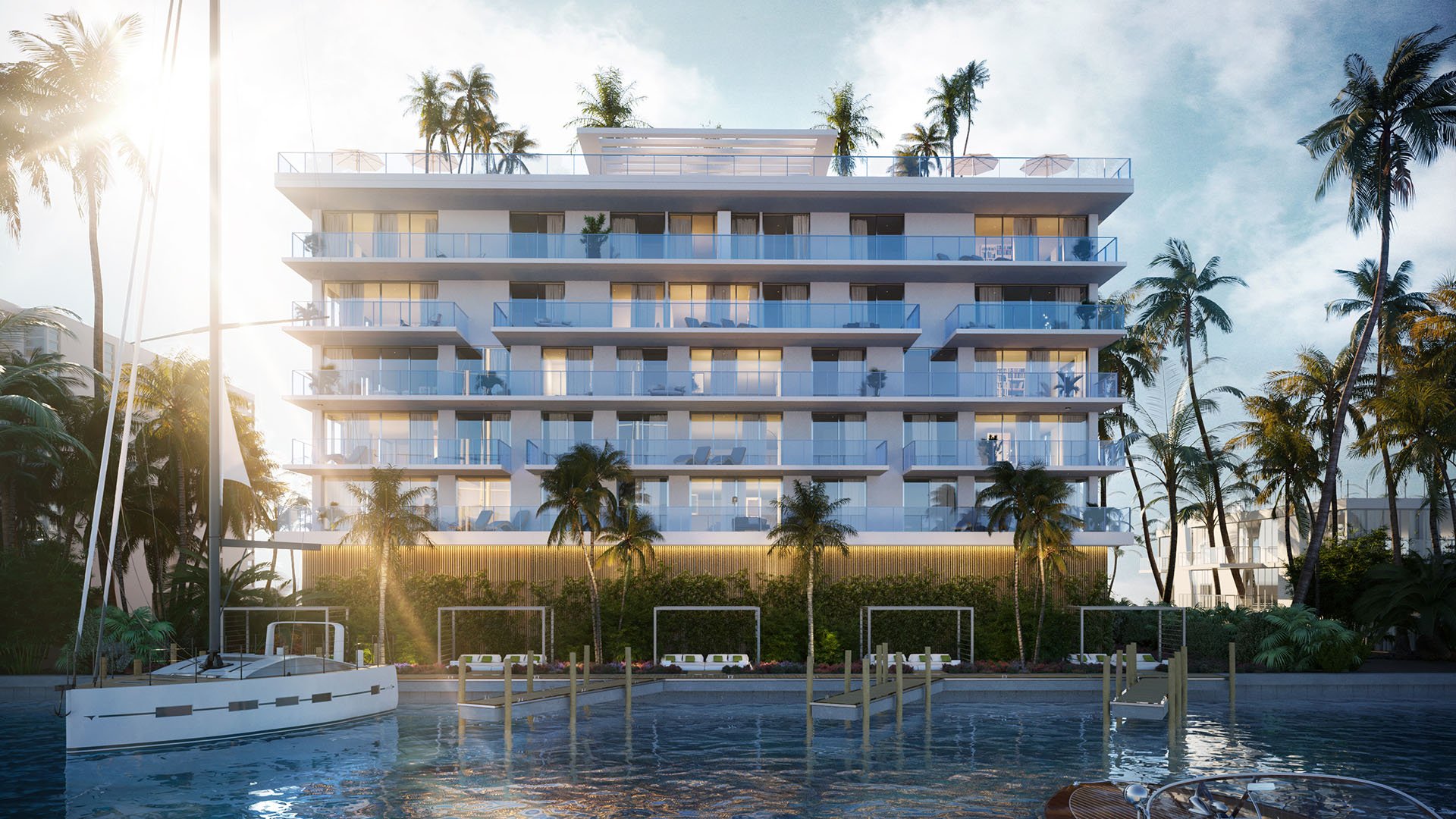
At Origin Bay Harbor Islands, the show kitchen is designed to communicate a lifestyle: calm surfaces, concealed function, and the ease of true turnkey living. When that kitchen is presented with a Miele suite, buyers often assume the hardest decision is already made because the brand signals quality.
In practice, the smarter evaluation is less about whether Miele is “good” and more about how the suite is specified, installed, and integrated into the cabinetry, ventilation, and water systems that will shape daily use. A beautifully staged kitchen can still conceal compromises: a downdraft that cannot keep up with frequent sautéing, a refrigerator layout that does not match how you entertain, or a panel-ready installation that looks sleek in photos but reveals misalignment in person.
This MILLION Luxury guide focuses on what to scrutinize in a Miele-equipped show kitchen, how to translate the display into contract language, and how to decide whether the suite supports your particular way of living in Bay-harbor.
In the ultra-premium segment, quality is not a single metric. It is a stack of outcomes that should feel effortless.
1) Integration quality.
Panel-ready refrigerators and dishwashers should disappear-but only if reveals are consistent, doors sit flush, and toe-kicks are intentional. “Luxury” is the absence of visual noise.
2) Performance under South Florida conditions.
Condos run differently than single-family homes. Consider humidity, frequent entertaining, and the acoustics of open-plan living. A suite that is technically excellent can still be wrong if it is loud, slow to clear odors, or awkward around traffic flow.
3) Serviceability and access.
In a condo, downtime is disruptive and access can be constrained. Look for clear service access points, logical shutoff locations, and practical clearances.
4) Consistency across the residence stack.
A show kitchen is a display environment; your delivered residence is a construction deliverable. Your job is to convert “what you saw” into “what you own.”
You do not need to be an appliance technician to evaluate a show kitchen. You need a practiced eye.
Open every door. Watch for smooth motion, controlled closing, and consistent gaps.
Panel-ready fronts: Are cabinet panels aligned across the appliance and adjacent doors? Inconsistency often shows at the top rail and around handles.
Hinge feel: Doors should not spring back, scrape, or drift. A premium suite feels composed.
Handle placement: In minimalist kitchens, handle alignment is part of the design language. If it is off by even a few millimeters, you will feel it every day.
A cooktop is only as good as its ventilation. In a show kitchen, hoods are often styled to be visually quiet. The buyer’s job is to confirm that “quiet” does not also mean “underpowered.”
Ask what kind of venting is intended: ducted to exterior or recirculating. In many condo contexts, recirculating setups are used, which makes filtration and maintenance more critical. Inspect the hood canopy depth and capture area relative to the cooktop width. If you cook with high heat, shallow capture typically underperforms.
Miele offers a wide range, and the difference between a good suite and a perfect suite is often configurational.
Refrigeration layout: Do you want wide shelves for platters, or more doors and zones for organized storage? If you entertain, prioritize usable shelf geometry over theoretical capacity.
Oven functionality: Convection performance, intuitive controls, and a door that feels substantial matter more than a long feature list you will never use.
Dishwasher load style: If you run multiple cycles per day, rack flexibility and drying behavior become “quality.” Look for solid rack movement and a door that closes with a confident seal.
Show kitchens can create false certainty. The solution is not skepticism; it is specificity.
The most important question is simple: Which exact Miele models are included in the residence you are buying? Model numbers, finish, and whether appliances are panel-ready should be enumerated.
Also confirm whether the developer reserves substitution rights and, if so, under what constraints. For a buyer, the ideal is a tightly defined spec where substitutions are equal or better and align with the intended design.
In an integrated kitchen, the appliance, cabinetry, and sometimes the countertop fabricator all touch the same line. Confirm what is included:
Are custom panels and handles included for panel-ready appliances?
Is the ventilation solution part of the deliverable or an allowance?
Are water filtration, shutoff valves, and ice-maker lines included and tested?
A Miele badge does not guarantee the surrounding workmanship. Integration is where luxury either holds its promise-or quietly erodes.
In condo living, acoustics are not a footnote. A dishwasher that hums through an evening, or a hood that overwhelms conversation, becomes daily friction.
In the show kitchen, ask for a live demonstration when possible. If demonstrations are not available, at least assess physical cues:
Dishwasher door and racks: A well-built unit feels stable. Flimsy rack movement often correlates with a less refined experience.
Refrigerator door seal: Close it gently and listen for a clean seal rather than a hollow bounce.
Cooktop controls: Induction controls should respond quickly and predictably; a laggy interface can be surprisingly irritating.
If you are comparing neighborhoods, notice how different projects position kitchen living. A quieter, more residential approach is often emphasized in boutique enclaves like Alana Bay Harbor Islands, while larger towers elsewhere may focus on dramatic entertaining layouts that demand more from ventilation and refrigeration.
If you want one fast, reliable test, stand at the island and look at the appliance wall in raking light.
High-quality cues:
Tight, even reveals around panels
Flush transitions between appliance faces and surrounding millwork
Consistent handle heights and lines
No visible filler strips that look like afterthoughts
Caution cues:
Uneven gaps around the dishwasher panel
A hood that feels more like décor than capture
Refrigerator doors that conflict with adjacent cabinet doors
Toe-kicks patched together rather than planned
These details matter because they predict long-term satisfaction and resale perception. In the luxury tier, buyers notice fit and finish even when they do not articulate it.
A suite should mirror your day-to-day rhythm.
Prioritize refrigeration configuration, ice production reliability, and ventilation capture. Hosts also tend to value multiple oven functions and predictable temperature performance.
Prioritize intuitive operation and easy maintenance. A suite that disappears visually should still be easy to live with: filters accessible, controls simple, and surfaces that clean without drama.
Consider how the suite handles absence: consistent cooling, good sealing, and a practical plan for shutoffs and water lines. If you split time between enclaves, you may find different expressions of turnkey living at waterfront addresses such as Onda Bay Harbor, where the emphasis on ease and arrival-ready interiors is part of the value proposition.
Miele is a familiar marker in South Florida’s upper tier, but its impact varies by project and by how designers treat the kitchen as architecture rather than a catalog.
In Brickell, many new luxury towers lean into high-gloss, design-forward kitchens where appliance integration is expected to be nearly invisible. In those settings, the most discerning buyers look beyond brand selection and into the precision of the millwork package and ventilation strategy. If you are shopping that corridor, a useful point of reference is 2200 Brickell, where the buyer mindset often centers on consistency, quietness, and the way a kitchen performs within a vertical lifestyle.
Along Miami-beach, kitchens can skew toward entertaining and view-forward layouts, which can stress ventilation and refrigeration placement. The best results are achieved when designers keep traffic flow clean and avoid placing tall refrigeration where it interrupts sightlines or crowds the prep zone. For a coastal contrast, consider the expectations buyers bring to 57 Ocean Miami Beach, where cooking, hosting, and oceanfront living frequently intersect, and the kitchen needs to feel composed during both quiet mornings and full-house evenings.
Back in Bay-harbor, the appeal is often discretion: privacy, walkability, and a residential cadence. That makes the “quiet luxury” of a well-integrated Miele suite especially relevant. In this context, quality is the absence of friction: doors that align, systems that vent effectively, and appliances that disappear into a calm architectural envelope.
Before you let the show kitchen do its job, run a controlled evaluation.
Confirm suite composition: list every appliance, finish, and model designation.
Confirm cabinetry integration: panels, handles, and alignment expectations.
Confirm ventilation approach: ducted or recirculating, and filter access.
Confirm plumbing and shutoffs: ice-maker line, filtration, service access.
Confirm substitutions: what can change, and what “equal or better” means.
If the answers are crisp, the Miele suite becomes more than a brand cue. It becomes a durable value signal that supports daily pleasure and long-term resale.
Is a Miele suite automatically considered “top tier” in a luxury condo? It is generally viewed as premium, but the real differentiator is the exact specification and the quality of installation.
What should I ask to verify the show kitchen matches my delivered residence? Request the written appliance schedule with exact model numbers, finishes, and any substitution language.
Do panel-ready appliances indicate higher quality? Not inherently, but they can elevate a kitchen when the cabinetry work is precise and the reveals are consistent.
What is the biggest risk with a beautiful show-kitchen hood? Underperforming ventilation, especially if the system is recirculating or the capture area is too shallow.
How can I assess dishwasher quality without running it? Check door balance, rack glide, and how firmly the unit closes; refined mechanics usually signal a better build.
Should I prioritize induction or gas when evaluating a suite? Prioritize what you will actually use; evaluate control responsiveness, ventilation needs, and your cooking style.
What matters most for refrigeration in an entertaining-focused home? Shelf geometry and zone layout for platters and beverages, not just overall capacity.
Are appliance warranties and service logistics important in Bay Harbor Islands? Yes, because condo access and scheduling can affect downtime; clarify service pathways and responsibilities.
Can “equal or better” substitutions change the kitchen experience? They can, especially with ventilation and integration, so define what equivalence means in writing.
What is one subtle sign of a truly luxury installation? Perfect alignment across panels and handles in raking light, with no filler pieces that look improvised.
To compare the best-fit options with clarity, connect with MILLION Luxury.
If branded residences are on your mind — as a home or as an allocation — we would be glad to share what we are seeing, privately.
Begin a quiet conversation