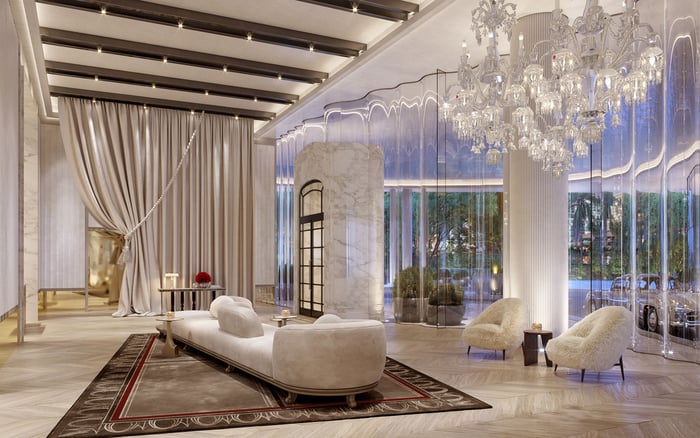
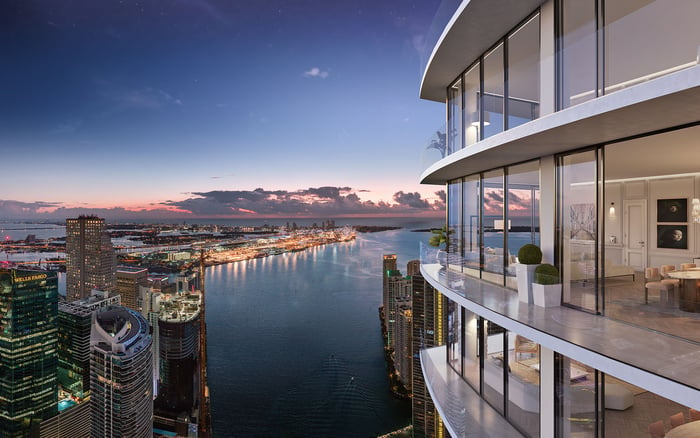
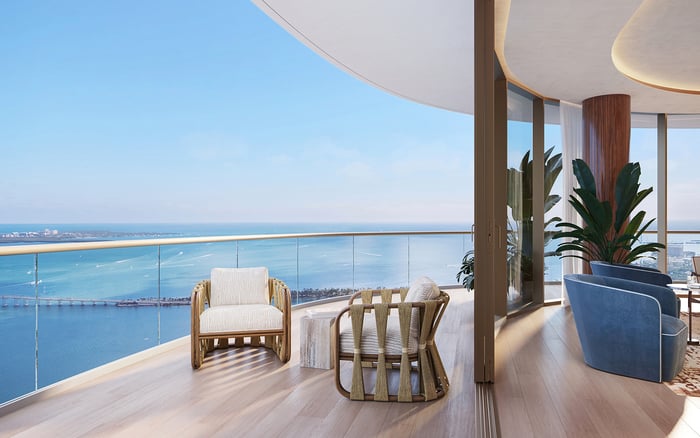
Dark, lacquered wood and pale, matte oak signal two different luxury languages: one cinematic and high-contrast, the other luminous and quietly tailored. In Brickell, these finishes are more than style. They shape how a residence photographs at night, how it feels at mid-day, and how easily it adapts to art, rugs, and future furnishings. This comparison frames what discerning buyers should consider when choosing between moody, statement-making interiors and the calm clarity of light wood palettes.
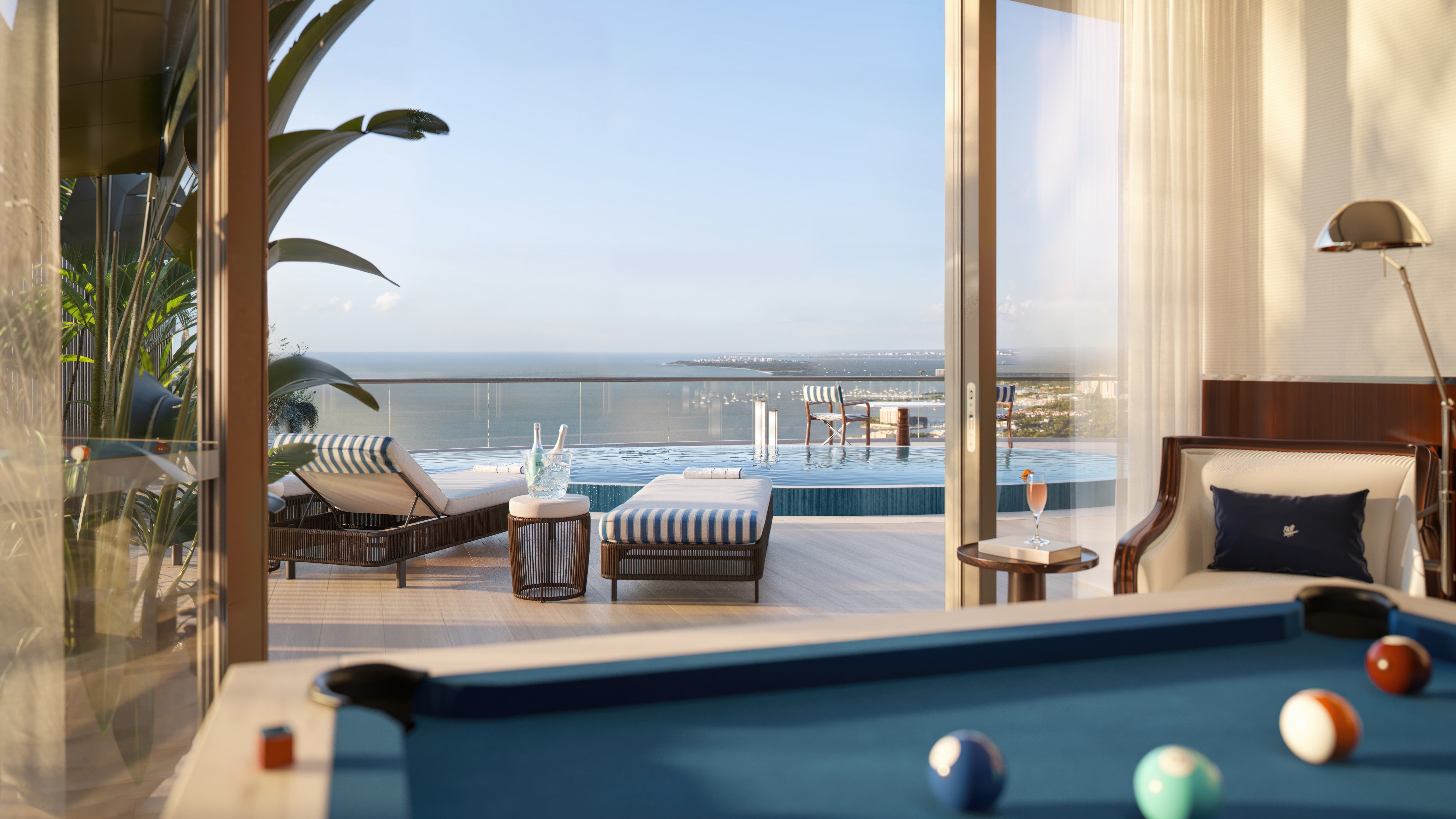
In ultra-premium condos, wood is no longer a neutral backdrop. It reads as a signal-of taste, restraint, and confidence. The debate around dark wood paneling versus light oak is really a question of atmosphere: how you want a home to look, feel, and perform from morning through night.
Dark, architectural paneling often concentrates light into a curated glow. It sharpens edges, frames views with intention, and can make a residence feel like a private club once the city lights switch on. Light oak, by contrast, behaves like an amplifier. It catches morning sun, softens shadows, and lets art, textiles, and sculptural furniture carry the narrative.
That’s what makes the comparison between 888 Brickell by Dolce & Gabbana and Cipriani Residences Brickell so compelling. Both sit within Brickell’s rarefied context, yet their finish families can deliver radically different lived experiences.
Dark wood paneling isn’t simply “darker.” It’s typically defined by layered tone, deeper trim profiles, and a more deliberate relationship with sheen. At its best, paneling becomes architecture-creating cadence along long walls, establishing a sense of procession from entry to living space, and setting a tailored rhythm behind furnishings.
For buyers who entertain at night, dark wood can be magnetic. It absorbs ambient light so targeted lighting, candles, and city reflections feel intentional rather than accidental. The room reads composed from nearly any angle, which is why this language has long been linked to legacy hospitality and private members’ clubs.
The trade-off: dark wood demands more discipline from everything around it. When paneling is the dominant element, furniture must be edited, art must be scaled precisely, and surfaces need to stay visually quiet to avoid “over-design.” In a high-rise, that can be a feature-not a flaw-for owners who want an interior that feels collected and slightly cinematic.
In the orbit of branded, fashion-forward living, dark wood also pairs naturally with high-contrast materials: boldly veined stone, bronze accents, lacquer-like finishes, and sculptural hardware. Buyers drawn to this mood often want interiors that clearly announce themselves.
Light oak’s strength is understatement. Pale wood tones bring immediate ease and daylight, especially in Miami’s bright conditions. The grain reads as texture rather than pattern, and the overall effect is quiet refinement.
Practically, light oak is exceptionally forgiving. It adapts to evolving furniture over time, supports both warm and cool palettes, and works across styles-from minimal to more transitional. For collectors, it can be an ideal backdrop: art leads, rather than competing with a dark wall plane.
In many modern luxury residences, light oak also helps expand the perception of volume. When baseboards, doors, and built-ins hold a consistent pale tone, the eye encounters fewer visual breaks. Rooms feel longer, ceilings read higher, and the view becomes the primary “feature finish.”
The caution: light oak can skew generic when detailing is too thin or the space leans beige-on-beige. The strongest light-oak interiors introduce contrast through stone, metal, or a sharply edited furniture plan-keeping the palette serene, not flat.
When buyers compare 888 Brickell by Dolce & Gabbana with Cipriani Residences Brickell, the finish conversation often becomes a proxy for identity.
Dark wood paneling suits an owner who wants arrival-an entry threshold moment, a deliberate transition from Miami glare to interior glow, and a home that feels dressed even when the room is quiet. It tends to flatter evening use and formal entertaining, particularly if you gravitate toward dramatic art, deep-toned rugs, or statement lighting.
Light oak suits an owner who prioritizes calm continuity-more sanctuary than spectacle. Daylight is welcomed, the palette stays crisp, and the overall mood reads relaxed sophistication. It’s especially fitting for buyers who rotate furnishings, collect contemporary art, or want a home that can move from personal use to future resale without needing a redesign.
In Brickell, both aesthetics can register as “luxury.” The distinction is whether you want luxury to feel theatrical and enveloping, or luminous and quietly assured.
Miami’s sun is a design force. A finish that reads rich at 7 p.m. can feel heavy at 1 p.m., and a palette that feels fresh at noon can feel underlit after dark.
Dark wood performs best with a layered lighting plan. Downlights handle general illumination, but wall washers, art lights, and warm accent sources keep paneling dimensional rather than flat. Without that support, dark surfaces can visually eat space.
Light oak performs best when the room includes intentional shadow. That can come from textured drapery, sculptural furniture, or contrast materials that create focal points. Otherwise, bright conditions can wash a room into a single note.
A useful heuristic is to picture the residence at three moments: morning coffee, a mid-day work call, and late-night entertaining. Dark wood tends to win the third; light oak tends to win the first two. Lifestyle decides the priority.
Two homes can both be “dark wood” and feel completely different. The luxury signal isn’t tone alone-it’s detailing.
Grain: Pronounced, high-contrast grain reads more decorative. Tighter grain reads more tailored.
Sheen: Higher sheen can feel glamorous, but it also intensifies reflections and demands more careful lighting. Matte reads modern and calm.
Panel rhythm: Wider panels feel contemporary; tighter, repeated panels feel more classic.
Trim depth: Deeper reveals and shadow lines read more expensive because they’re architectural, not merely applied.
The same applies to light oak. “Light” can read sandy and warm, or pale and cool. The strongest outcomes keep oak consistent across planes and let stone, metal, and upholstery provide the counterpoint.
A finish palette shouldn’t trap you in a single furniture-store look. But it will shape what reads effortless.
With dark wood paneling, consider:
Upholstery with tactile depth (bouclé, velvet, textured linen) to keep the room from feeling hard or overly glossy.
A controlled color story: two neutrals plus one accent often reads the most refined.
Larger art with simplified composition, so the wall feels intentional rather than busy.
With light oak, consider:
Strong silhouettes (curved sofas, sculptural lounge chairs) to add presence without adding color noise.
Strategic dark accents (espresso, blackened metal, deep stone) to anchor the space.
Layered textiles, because light palettes can read under-furnished without softness.
For a broader lens on how Brickell projects interpret “modern luxury,” it can be useful to compare the visual language of Baccarat Residences Brickell, where glamour-forward sensibilities often favor contrast, with the cleaner contemporary direction seen at Una Residences Brickell.
Timelessness is less about light versus dark and more about proportion, alignment, and the quality of transitions. A well-composed dark interior can age beautifully when paneling is truly architectural and the palette stays restrained. A well-executed light-oak interior can remain relevant for decades when it avoids reading like a generic “coastal modern” template.
From a resale standpoint, light oak can feel more broadly adaptable because buyers can project their own style onto it. Dark wood can be more polarizing, but it also creates a distinct memory-an advantage in a competitive luxury market.
The most important question is whether the residence feels designed with intention rather than simply finished. Buyers remember intention.
At the top end, maintenance is rarely the deciding factor, but it deserves a clear-eyed look.
Dark wood-depending on sheen-can show dust, fingerprints, and micro-scratches more readily under strong sunlight or raking light. It rewards careful housekeeping and lighting that avoids harsh glare.
Light oak tends to camouflage dust and minor marks more effectively, but it can show stains if the finish is too porous or too matte. The best light-oak applications balance a natural look with a protective topcoat that doesn’t turn the wood plasticky.
In both palettes, the finish system matters as much as the species or color. In a luxury tower environment, HVAC dryness, salt air, and strong sun exposure make craftsmanship and proper sealing part of the aesthetic outcome.
To choose between a dark, panel-forward interior and a light, oak-led interior, consider these discreet indicators:
If you host frequently and want intimacy even in a high-rise, dark wood is often the more flattering stage.
If your home is a daytime refuge and you prefer an airy, gallery-like calm, light oak is often the more natural fit.
If you own statement pieces, dark wood can frame them with drama-but it requires discipline.
If you want maximum flexibility as tastes evolve, light oak tends to accommodate change with less friction.
In Brickell, the decision is rarely about right or wrong. It’s about the atmosphere you want to live inside-and the one you want to arrive to after a long day.
Does dark wood make a condo feel smaller? It can if lighting is flat or ceilings are low, but strong, layered lighting can preserve scale.
Is light oak too trendy for luxury? Not when detailing is architectural and materials are high quality; it reads timeless and calm.
Which palette works better with large-scale art? Light oak often behaves like a gallery backdrop, while dark wood can feel powerful with fewer, larger works.
Will dark paneling clash with ocean and sky views? It can frame views beautifully, but the interior should avoid competing accents.
Is light oak better for rental flexibility? Generally yes, because it’s easier for a wide range of tenants or future buyers to furnish.
What lighting temperature suits dark wood interiors? Warmer tones typically flatter wood depth and keep the space from feeling severe.
Can light oak feel cold at night? It can without soft furnishings and layered lighting; texture and warm accents address this.
Do darker woods show wear more quickly? High-sheen dark finishes can reveal micro-scratches under sunlight, depending on the coating.
Which is easier to decorate: dark wood or light oak? Light oak is more forgiving; dark wood is more rewarding when furnishings are tightly edited.
How should I decide between 888 Brickell and Cipriani Residences aesthetically? Choose the mood you want daily-enveloping drama versus luminous calm-then align furnishings accordingly.
To compare the best-fit options with clarity, connect with MILLION Luxury.
If branded residences are on your mind — as a home or as an allocation — we would be glad to share what we are seeing, privately.
Begin a quiet conversation