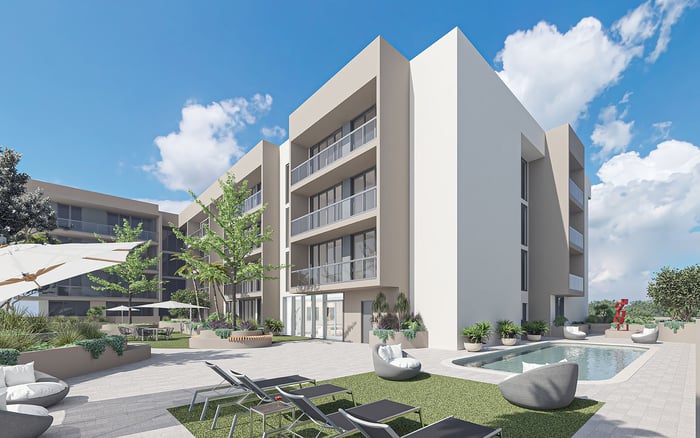
A buyer-focused look at how households with recurring trainers, tutors, and private chefs should evaluate Origin Bay Harbor Islands through layout, access, privacy, and service logistics.
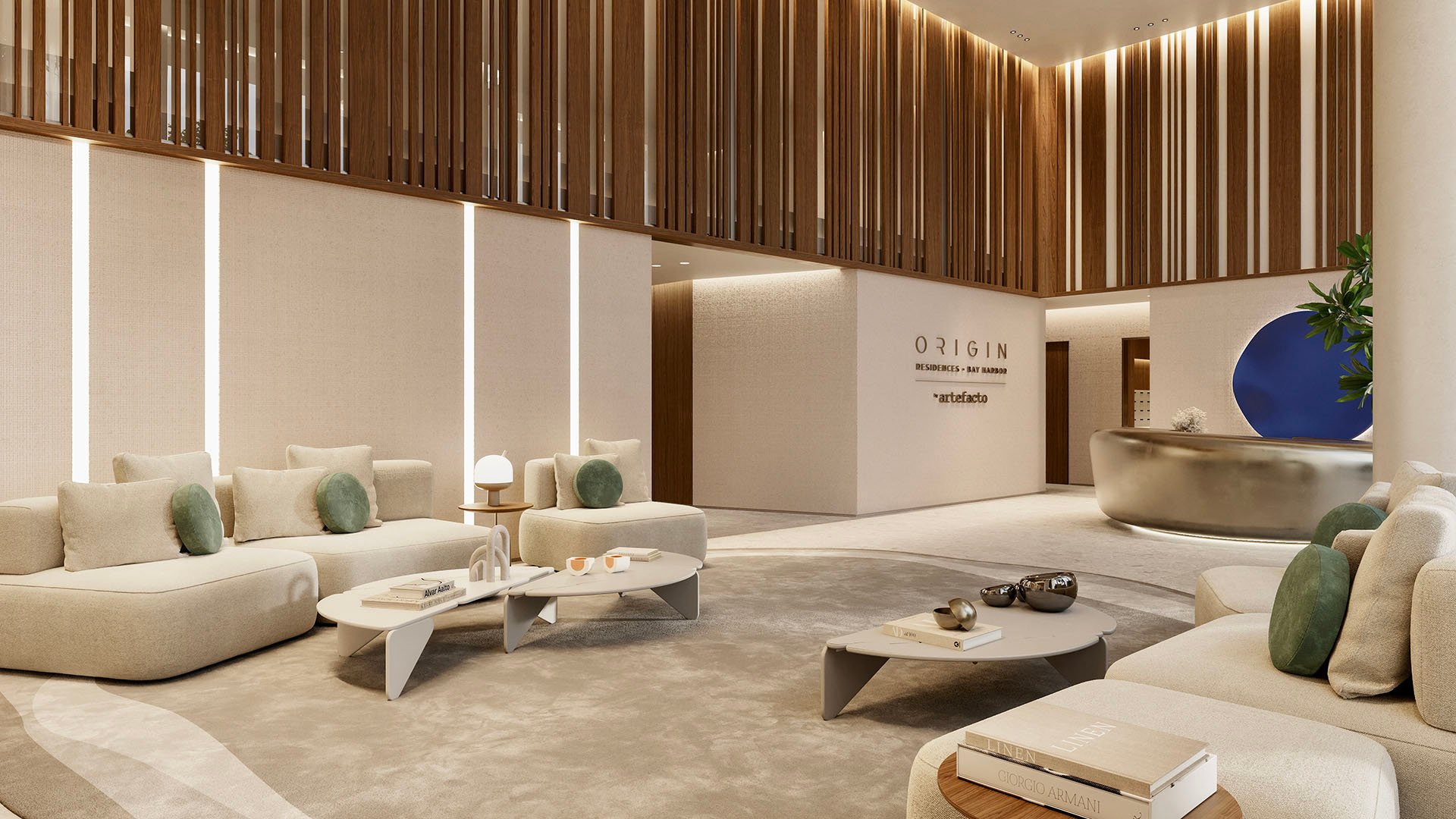
For certain luxury buyers, a residence is not simply a private address. It is a working ecosystem. A trainer may arrive before school drop-off, a tutor may need a quiet room after dinner, and a private chef may coordinate groceries, equipment, and timing around guests. In that context, Origin Bay Harbor Islands should be evaluated not only as a place to live, but as a building that can absorb repeated third-party access without eroding privacy.
That distinction matters. Available project-specific information does not support broad assumptions about staff quarters, dedicated service elevators, private chef kitchens, tutor rooms, or confirmed amenity policies. A careful buyer should therefore treat Origin Bay Harbor Islands as a due-diligence exercise: attractive if its layouts, rules, and building operations align with the rhythms of a staffed or service-supported household.
For MILLION readers, the question is not whether a building sounds luxurious. It is whether it functions elegantly when real life becomes active.
A personal trainer changes how a condominium is used. The building must accommodate recurring arrivals, possible equipment, elevator movement, and a session that may take place either in a fitness setting or inside the residence. Buyers should confirm whether Origin offers a fitness center, whether private training is permitted there, and whether the rules distinguish among guests, vendors, and outside professionals.
In-unit suitability is just as important. A residence may feel generous during a showing yet still lack the uninterrupted floor area needed for mat work, stretching, balance training, or compact strength equipment. Ceiling height, flooring tolerance, acoustic transfer, storage, and the ability to keep equipment out of sight all deserve attention.
The operational questions are equally revealing. How is a recurring trainer registered? Is advance notice required for every visit? What happens if sessions begin early in the morning? Are elevators, valet, front desk procedures, and guest access smooth enough to avoid friction? A true luxury building protects discretion, but it should not make everyday wellness feel over-managed.
Families considering Origin for a tutor-supported lifestyle should begin with the floor plan. A den, secondary bedroom, library-like niche, or flexible room becomes valuable only if it is removed from the most active parts of the residence. Tutoring next to an open kitchen, television wall, or entertaining area can work occasionally, but it rarely supports sustained concentration.
The best study spaces offer visual calm, enough room for two people to work comfortably, and separation from household traffic. Buyers should examine bedroom configurations, door placement, acoustic privacy, and whether a child or teen can move from study to dining or bedtime without crossing through an active social zone.
This is where Bay Harbor living can be especially appealing for families who want proximity without the intensity of larger urban corridors, but the building must still support the schedule. Private-school routines, test preparation, language instruction, music lessons, and after-school enrichment all place demands on access and circulation. The essential question is simple: can a tutor arrive, work, and leave without turning the residence into a lobby?
For buyers who use a private chef, the kitchen should be reviewed as a professional environment, not merely as a presentation space. Appliance package, counter depth, refrigeration, pantry capacity, ventilation, cleanup flow, and storage for specialty tools should all be discussed before contract. A beautiful kitchen may still be impractical if it cannot support prep, plating, grocery staging, and service at the same time.
Delivery logistics are equally important. Buyers should ask how groceries, specialty ingredients, wine, flowers, and event provisions enter the building. Is there a loading area? Are there time restrictions? Are outside vendors required to provide insurance? Can a chef bring an assistant? Are carts allowed through main areas, or is there a defined service route?
Service entrances, auxiliary suites, commercial-grade kitchen features, and sophisticated access-control systems are all details luxury buyers often investigate in this category. They should not be assumed at Origin. They should be confirmed directly through condominium documents, rules and regulations, and the sales process.
The cleanest way to evaluate Origin Bay Harbor Islands is to separate the residence from the building. Unit-level suitability includes kitchen scale, dens, storage, acoustic separation, bedroom placement, terrace access, and whether the plan can absorb wellness, study, and food service without constant rearrangement. This is where boutique living can either shine or reveal constraints.
Building-level suitability includes valet, elevators, front desk protocol, security registration, guest policies, vendor insurance requirements, delivery handling, and procedures for recurring visitors. New-construction buyers should request the condominium documents, house rules, vendor-access procedures, guest registration policies, and insurance requirements before relying on any lifestyle assumption.
In MILLION shorthand, this is Bay Harbor privacy, boutique discretion, new-construction document review, private-school scheduling, and waterview lifestyle planning translated into operational questions. The elegance is in the fit.
Before committing, buyers should walk through an ordinary week in precise detail. Who arrives, at what time, through which entrance, with what equipment, and for how long? Where does a trainer wait if the owner is delayed? Where does a tutor sit if guests are in the living room? Where does a chef stage groceries before dinner?
Then test the residence against that schedule. Identify the study room, the training zone, the pantry, the concealed storage, the path from entry to kitchen, and the areas where sound could become an issue. Ask the building team how often recurring professionals must be registered and whether rules differ for guests, vendors, contractors, instructors, and household employees.
Origin may appeal to service-heavy buyers if privacy, access, layout, and logistics work together. If any one element is uncertain, the due diligence should become more specific, not more optimistic.
Is Origin Bay Harbor Islands confirmed to have trainer-friendly amenities? Buyers should verify fitness facilities, private training policies, guest access, elevator procedures, and in-unit workout space before relying on that use.
Can a tutor work comfortably inside a residence at Origin? That depends on the floor plan. Look for a quiet den, secondary bedroom, or separated study area away from the kitchen and entertaining zones.
What should private-chef households ask first? Start with kitchen scale, appliance package, pantry capacity, delivery access, vendor rules, and whether outside professionals must meet insurance requirements.
Are staff quarters or service elevators confirmed at Origin? They should not be assumed. Buyers should confirm any staff, service, or access features through the condominium documents and sales process.
Why are building rules so important for recurring professionals? Trainers, tutors, and chefs may enter weekly or even daily, so registration, security, valet, elevator, and delivery policies shape everyday convenience.
Should buyers review condominium documents before contract? Yes. The documents can clarify rules, vendor access, guest registration, insurance requirements, deliveries, and household professional procedures.
What unit features matter most for this lifestyle? Prioritize flexible rooms, storage, acoustic separation, kitchen function, entry flow, and enough open space for wellness or instructional use.
Is Bay Harbor Islands a practical setting for families with tutors? It can be, especially when the residence supports quiet study and smooth arrivals, but the actual floor plan and building access matter most.
How should buyers compare Origin with other luxury buildings? Compare operations as carefully as finishes. The better fit is the building that handles repeated outside access with discretion and minimal friction.
What is the safest way to approach a purchase decision? Map your household’s weekly service schedule, then confirm that the residence, rules, and building procedures can support it comfortably.
If you'd like a private walkthrough and a curated shortlist, connect with MILLION.
If branded residences are on your mind — as a home or as an allocation — we would be glad to share what we are seeing, privately.
Begin a quiet conversation