A discreet buyer’s guide for Aspen owners considering Miami preconstruction condos, focused on lifestyle fit, contract discipline, design priorities, and long-term ownership clarity.
The Aspen-to-Miami buyer is rarely seeking a simple change of scenery. More often, the decision is about rhythm: winter sun, direct access to the water, a more social calendar, and a residence that can be locked, serviced, and returned to without the maintenance profile of a standalone estate. The strongest preconstruction condo purchase begins with that rhythm, not with a rendering.
Preconstruction is an unusually personal category because the buyer is committing to the future version of a building. The residence cannot yet be experienced in the way a completed home can. That makes discipline essential. A polished sales gallery may establish the mood, but the real evaluation lives in the floor plan, contract, finish schedule, building operations, association structure, and the daily life that will exist after closing.
For an Aspen owner, the first question is not whether Miami is desirable. It is which version of Miami belongs in the portfolio. Brickell, Miami Beach, Coconut Grove, and Sunny Isles each answer a different lifestyle question. The right choice is the one that feels natural on a Tuesday morning, not only during a long weekend.
Before discussing stacks and exposures, decide whether the residence is a primary base, a second home, a family gathering place, or an investment with occasional personal use. Each answer changes the ideal building profile.
A primary Miami residence may favor practical access, storage, parking, service consistency, and a floor plan that supports daily living. A seasonal retreat may place more weight on views, hotel-like services, wellness areas, and the feeling of arrival. A family residence may require separation between bedrooms, flexible spaces for guests, and a kitchen that functions beyond catering. An investment-minded buyer should be equally focused on rules, holding costs, and resale clarity.
The most expensive mistake is buying the most photogenic plan rather than the most usable one. Aspen buyers often understand this instinctively: a beautiful home still must work through changing seasons, guests, gear, privacy needs, and staff coordination. Miami is no different, even if the wardrobe and the view are.
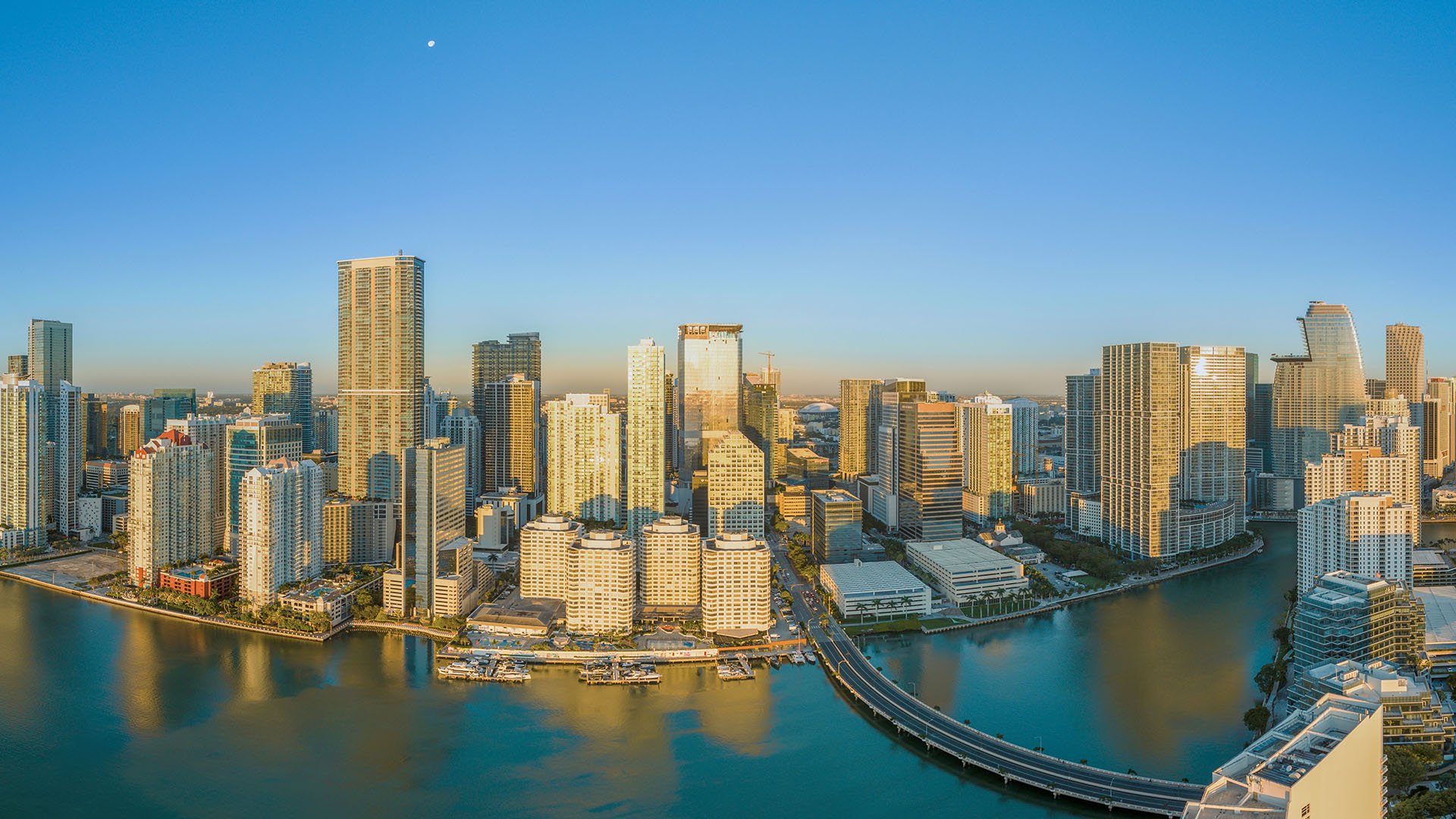
Brickell suits buyers who want an urban center, nearby restaurants, and a polished high-rise environment. A buyer considering The Residences at 1428 Brickell is typically asking whether the energy of the city should be part of the residence itself. The benefit is immediacy. The tradeoff is that the building must deliver calm inside the unit, because the neighborhood already provides movement.
Miami Beach is a different proposition. It is less about the convenience of a financial district and more about the emotional value of sand, light, architecture, and resort-like days. The Perigon Miami Beach belongs in the conversation for buyers who want their Miami identity tied to the ocean and a more leisurely sense of arrival. In internal shorthand, Miami Beach often means the buyer is prioritizing atmosphere as much as address.
Coconut Grove is usually considered by buyers who want a softer residential mood without leaving the Miami conversation. Four Seasons Residences Coconut Grove can frame that discussion for someone who wants brand-level service in a setting that feels more composed. Coconut Grove is useful shorthand for buyers who prefer shade, privacy, and a quieter pace over constant vertical intensity.
Sunny Isles speaks to those who want a direct coastal high-rise experience and a more residential beachfront pattern. St. Regis® Residences Sunny Isles may appeal to buyers who want the oceanfront tower concept with a recognized hospitality sensibility. Sunny Isles is often the language of view-driven ownership, where the horizon is part of the daily ritual.
In preconstruction, the contract is not an administrative step. It is the architecture of the deal. Buyers should have counsel review timing, deposit obligations, default provisions, closing conditions, developer rights, change allowances, assignment language, and the documents governing the future association.
The key is not to assume that every luxury project is structured alike. Two residences with similar prices can carry very different obligations. One may allow more flexibility in customization, while another may preserve broader discretion for the developer. One may suit a buyer who intends to hold indefinitely, while another may be more appropriate for someone who wants optionality.
Ask the team to translate every material clause into plain English. What happens if delivery timing changes? What is included in the purchase price? What can be substituted? What approvals are needed for modifications? How are common expenses anticipated? These are not pessimistic questions. They are the questions that preserve elegance after the excitement of signing.
A preconstruction condo should be evaluated through a full ownership lens. That includes anticipated association costs, insurance considerations, property taxes, reserves, staffing, utilities, parking, storage, and any services that may be billed separately. A buyer comfortable with estate ownership in Aspen may still find that condominium economics operate by a different logic.
The goal is not to avoid costs. In the ultra-premium market, costs often support the very services that make the building desirable. The goal is to understand what each dollar is designed to provide. A staffed lobby, valet operation, wellness programming, pool service, security, building engineering, and amenity maintenance all shape the owner experience.
This is where value becomes more nuanced. A lower carrying cost is not automatically better if it results in thinner service. A higher carrying cost is not automatically justified if the building’s operations are not aligned with the owner’s actual usage. The best number is the one that matches the intended life of the residence.
Finishes matter, but they are not the whole story. A sophisticated buyer should ask about building systems, glazing, elevator strategy, parking access, backup power, water management, acoustic performance, service circulation, loading areas, package handling, and staff protocols. The quietest luxury is often operational.
For buyers accustomed to highly controlled private homes, a condominium introduces shared infrastructure. That shared infrastructure should be a strength, not a compromise. The building should feel intuitive from the garage to the residence, from guest arrival to housekeeping coordination, from storm preparation to everyday maintenance requests.
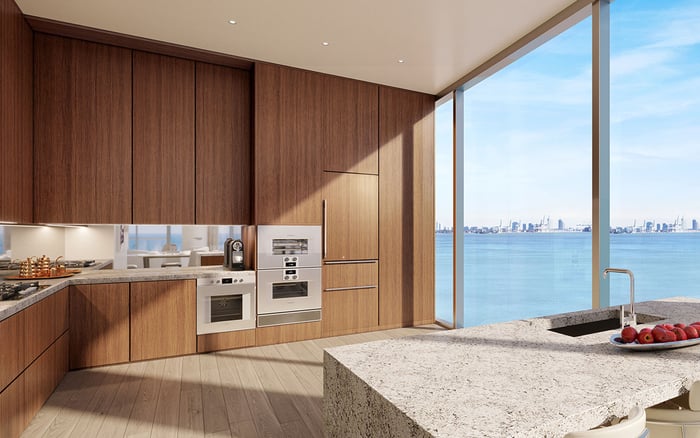
Design should also be judged by time. Will the kitchen still feel calm after repeated entertaining? Does the primary suite have enough privacy from guest rooms? Is the terrace usable, not merely impressive on paper? Are closets and storage scaled for seasonal ownership? Renderings sell mood. Plans reveal habits.
The strongest buyers in preconstruction are prepared before they become visible. They understand their preferred line, view, size, timeline, and walk-away points. They know whether they will customize. They have counsel ready. They can move with confidence without appearing hurried.
Negotiation may involve more than price. Depending on the project, the discussion can include deposits, timing, parking, storage, upgrade paths, closing logistics, or other business terms. The important point is to keep the conversation specific. A vague desire for a better deal is less effective than a clear understanding of what matters most.
For Aspen buyers, the Miami preconstruction decision should feel neither impulsive nor overly clinical. It should feel curated. The right residence will make sense as an address, as a floor plan, as a service environment, and as a long-term expression of how the owner wants to live between mountain and coast.
Is a preconstruction condo right for an Aspen buyer? It can be, especially when the buyer wants a serviced Miami residence with a future delivery timeline. The key is aligning the building with lifestyle, not just design taste.
Should I choose Brickell or the beach first? Start with daily use. Brickell favors urban immediacy, while beach locations often prioritize light, water, and a resort-like pace.
How important is the developer contract? It is central to the purchase. Counsel should review obligations, timing, default provisions, association documents, and the developer’s retained rights.
What should I study beyond the floor plan? Review building operations, service circulation, parking, storage, amenity management, insurance considerations, and future carrying costs.
Are branded residences always better? Not automatically. A brand can add service expectations and identity, but the building still must fit the buyer’s lifestyle and financial plan.
Can I customize a preconstruction residence? Sometimes, but flexibility varies by project and timing. Buyers should ask what changes are permitted, approved, priced, and documented.
What makes a unit easier to own seasonally? Practical storage, strong building management, secure access, reliable maintenance, and a plan that works for guests all matter.
Should I focus on views or interior layout? Both matter, but layout often determines long-term satisfaction. A spectacular view cannot fix a plan that does not live well.
How should I think about carrying costs? Evaluate what the costs support. Service quality, staffing, reserves, insurance, and maintenance all shape the ownership experience.
What is the best way to shortlist comparable options for touring? Start with location fit, delivery status, and daily lifestyle priorities, then compare stacks and elevations to validate views and privacy.
If you'd like a private walkthrough and a curated shortlist, connect with MILLION.
If branded residences are on your mind — as a home or as an allocation — we would be glad to share what we are seeing, privately.
Begin a quiet conversation