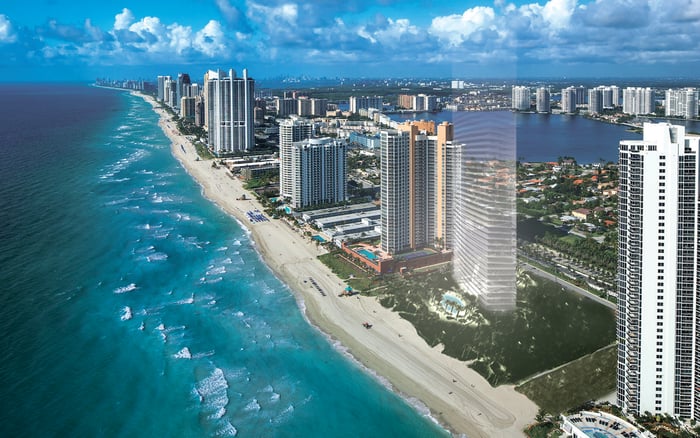
A discreet guide for São Paulo families evaluating Coral Gables luxury real estate through portfolio leverage, liquidity planning, collateral discipline, and cross-border decision-making.
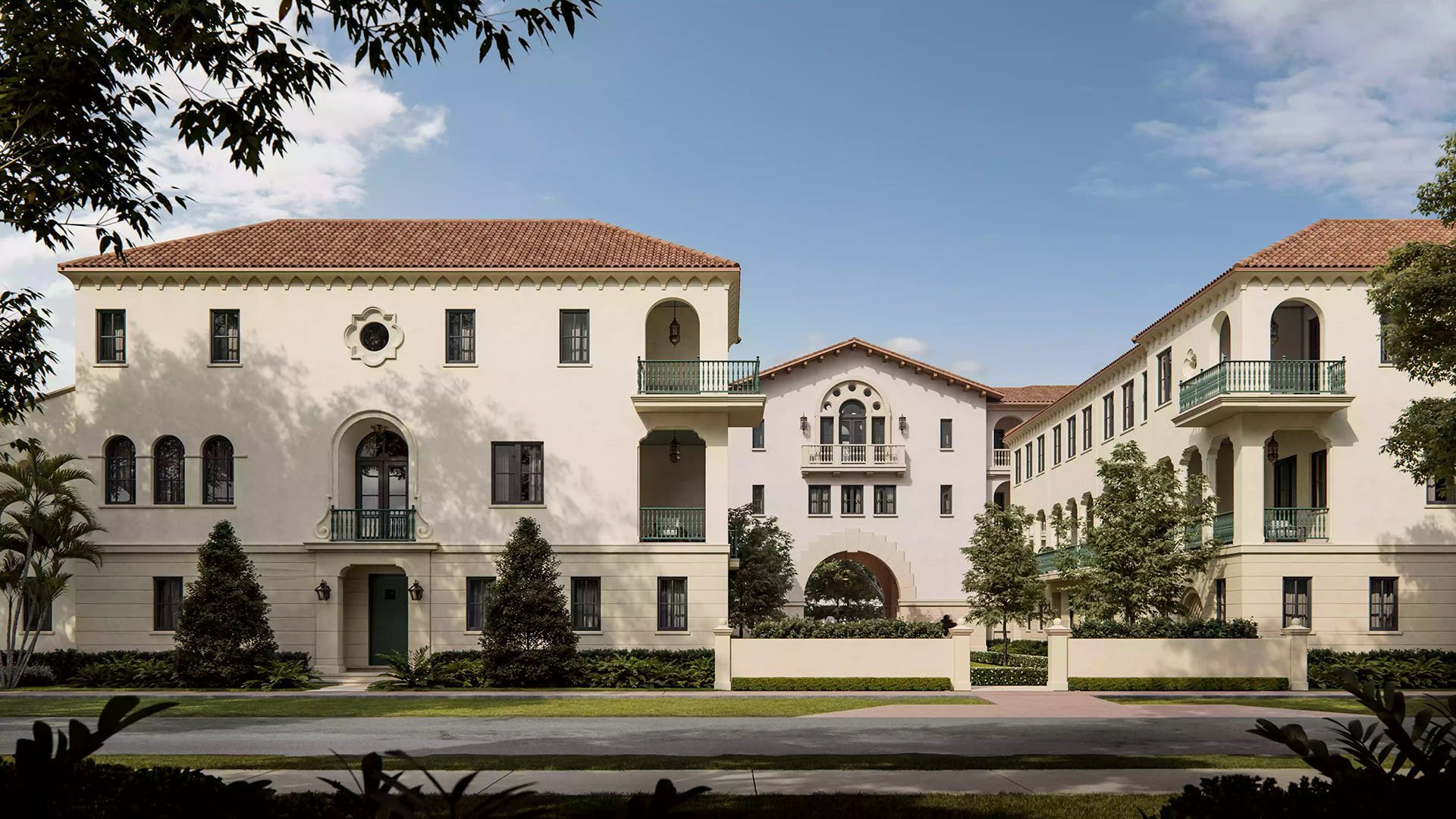
For many São Paulo families, entering South Florida luxury real estate is not simply a purchase. It is a balance-sheet decision. The residence may serve as a seasonal base, a family landing point, a capital diversification tool, or a long-term legacy asset. In Coral Gables, where privacy, architecture, schools, dining, and proximity to Miami’s business core can coexist in a restrained residential setting, the central question is often not whether to buy. It is how to buy without compromising flexibility elsewhere.
Portfolio leverage, in this context, means using a broader asset base to support a real estate acquisition while preserving liquidity for operating companies, market opportunities, family office commitments, or future property moves. It can be elegant when planned conservatively. It can also become costly when purchase price receives more attention than terms, currency exposure, collateral requirements, and the exit path.
This is a buyer’s guide topic best approached with discretion. The strongest buyers tend to separate lifestyle conviction from financing structure. They decide what the property must accomplish for the family, then design leverage around that purpose.
Coral Gables appeals to cross-border buyers because it can feel residential without feeling remote. For São Paulo families accustomed to private clubs, cultural access, secure buildings, and refined streetscapes, the area offers a quieter counterpoint to beachfront density while keeping Brickell, Coconut Grove, Miami International Airport, and Miami Beach within practical reach.
That makes the neighborhood especially relevant for buyers comparing a primary South Florida base with a second-home strategy. A residence near Merrick Park, for example, may serve a different function than a waterfront estate or a high-service condominium in the urban core. Projects such as Cora Merrick Park speak to buyers who want Coral Gables access with a more lock-and-leave rhythm, while Ponce Park Coral Gables may appeal to those studying walkability, design, and a more intimate neighborhood format.
The key is to define the role of the asset before discussing leverage. A family residence, a capital-preservation holding, and a future resale play should not be financed with the same assumptions.
Leverage should preserve optionality. It should not force decisions. For luxury buyers, the purpose is often to avoid overconcentrating liquid capital in one property while still securing the right address, floor plan, service level, or site. In practice, that may mean financing part of the acquisition, pledging a diversified portfolio, or coordinating liquidity across jurisdictions before closing.
The most sophisticated approach begins with stress testing. What happens if currency moves against the buyer? What happens if a business opportunity in Brazil requires capital six months after closing? What happens if the family decides Coral Gables is the first step, not the final purchase, and later wants to add Brickell, Coconut Grove, or Palm Beach exposure?
This is where investment discipline matters. The property may be beautiful, but the capital stack must remain calm. A lower headline rate with restrictive covenants may be less useful than a slightly more expensive structure that gives the family freedom. Similarly, a larger loan is not automatically superior if it increases complexity, reporting obligations, or pressure to sell investments at the wrong time.
São Paulo buyers should be especially attentive to the gap between where wealth is held and where the obligation sits. If income, operating businesses, or investments are largely outside the United States, a dollar-denominated purchase can introduce a second layer of decision-making. The question is not only affordability. It is whether the family is comfortable servicing, refinancing, or reducing leverage under different currency and market conditions.
Timing also matters. Pre-construction opportunities may allow buyers to stage deposits and plan liquidity over time, but they require comfort with delivery schedules, contract terms, and the possibility that family needs may evolve before completion. Finished or near-complete residences may provide more certainty, though they may require capital to be ready sooner. The right answer depends on the buyer’s liquidity calendar, not only on the building.
Buyers considering a broader Miami allocation may compare Coral Gables with St. Regis® Residences Brickell for a more service-forward financial-district lifestyle, or with Four Seasons Residences Coconut Grove for a quieter bayfront sensibility. These comparisons are not only aesthetic. They influence maintenance expectations, rental flexibility, resale audience, and the type of leverage that feels appropriate.
A disciplined buyer should begin with five questions. First, is the home a lifestyle purchase, an intergenerational asset, or a tactical allocation? Second, will the family occupy it enough to justify the full carrying cost? Third, is the financing recourse, portfolio-backed, property-backed, or a hybrid? Fourth, what liquidity must remain untouched after closing? Fifth, what would make the buyer sell, refinance, or hold for a decade?
Answering these questions early prevents the transaction from being led by emotion. Coral Gables can invite that emotion, particularly when a property combines privacy, architecture, and access in a way that is difficult to replicate. Yet leverage should be designed for periods when markets are less accommodating. The family that can hold comfortably is usually the family with the most negotiating power.
It is also wise to coordinate advisors before making an offer. Real estate counsel, tax advisors, bankers, and family office teams should understand the ownership vehicle, funding path, insurance considerations, estate planning goals, and closing timeline. For cross-border families, these details are not administrative. They are part of the purchase itself.
Portfolio leverage tends to suit buyers with substantial assets, predictable liquidity, and a clear reason to preserve capital outside the property. It is less appropriate when the structure is being used to stretch into a residence that would otherwise feel uncomfortable. Luxury real estate should not create pressure inside a family balance sheet.
For the São Paulo buyer, the best outcome is a property that feels inevitable and a financing structure that feels almost invisible. Coral Gables rewards patience, privacy, and precision. Leverage, when used well, can support all three.
What is portfolio leverage in luxury real estate? It is the use of broader assets or investment holdings to support a property purchase while preserving liquidity for other priorities.
Why would a São Paulo buyer use leverage instead of paying cash? Leverage can help preserve capital for business, investments, family office needs, or future real estate decisions.
Is Coral Gables better for a primary home or a second home? It can suit either role, depending on school needs, travel patterns, privacy preferences, and desired proximity to central Miami.
Should currency risk be part of the decision? Yes. Buyers with wealth or income outside the United States should consider how currency movement affects comfort and flexibility.
Does leverage make sense for pre-construction purchases? It can, but the buyer should align deposits, completion timing, and liquidity planning before signing a contract.
How much leverage is appropriate for a luxury purchase? The right amount depends on liquidity, collateral, risk tolerance, holding period, and the family’s broader balance sheet.
Should buyers compare Coral Gables with Brickell? Yes. Brickell may offer a more urban, service-driven lifestyle, while Coral Gables often emphasizes privacy and residential character.
Where does Coconut Grove fit in the comparison? Coconut Grove may appeal to buyers seeking a softer waterfront or village atmosphere while remaining close to Coral Gables.
What is the biggest mistake in portfolio-backed buying? The common mistake is focusing on purchase power while underestimating covenants, liquidity demands, and future flexibility.
Who should coordinate the purchase structure? Buyers should align legal, tax, banking, and real estate advisors before committing to terms or deadlines.
If you'd like a private walkthrough and a curated shortlist, connect with MILLION.
If branded residences are on your mind — as a home or as an allocation — we would be glad to share what we are seeing, privately.
Begin a quiet conversation