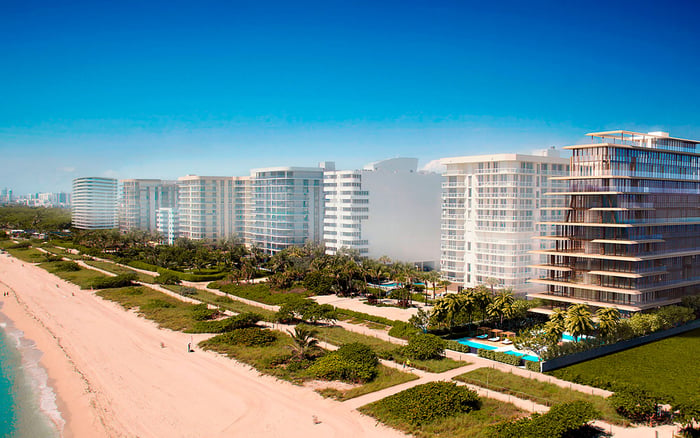
A discreet buyer framework for evaluating emergency-generator fuel planning at Arte Surfside and comparable ultra-prime coastal residences in 2026.
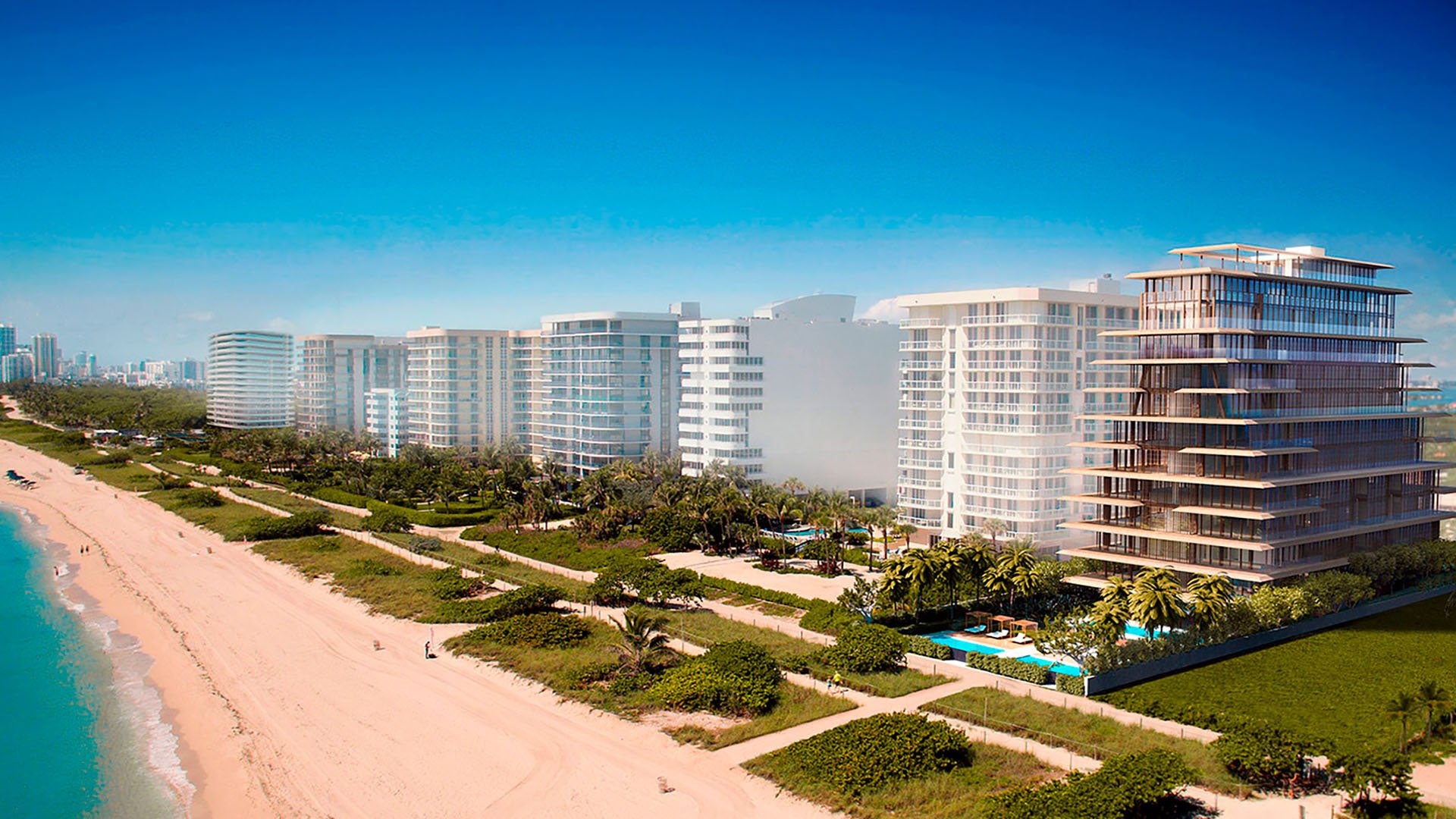
At the top of the South Florida condominium market, resilience has moved from the building engineer’s office into the buyer’s private underwriting file. Views, ceiling heights, service culture, design pedigree, and privacy still matter. In 2026, however, sophisticated purchasers are asking a more technical question: if the power grid fails, what exactly happens next?
For Arte Surfside, that question carries particular weight because the building sits in the category buyers reserve for rare, highly curated coastal ownership. The more exceptional the residence, the less tolerance there is for operational ambiguity. A buyer does not need to become a mechanical engineer, but a buyer should understand the practical architecture of emergency-generator fuel planning before removing contingencies or wiring a significant deposit.
The point is not to create anxiety. It is to define competence. When a single residence can serve as a family’s coastal base, seasonal retreat, or long-term capital position, backup-power planning becomes part of how luxury is measured. For Arte Surfside, Surfside, oceanfront, boutique, resale, and second-home considerations now belong in the same conversation, because infrastructure determines how gracefully a building performs when conditions are imperfect.
Many buyers ask whether a building has a generator. In 2026, that is only the opening question. The more useful inquiry is what the generator is intended to support, how long it can run under realistic conditions, how fuel is stored, and how replenishment would be coordinated if access, weather, or regional demand becomes strained.
Emergency power is rarely a blanket promise that every private residence will operate as though nothing happened. In many luxury condominiums, backup systems may prioritize life-safety equipment, elevators, fire systems, pumps, access control, emergency lighting, communications infrastructure, or selected common-area functions. Private in-unit comfort may be limited, partial, or dependent on specific building design. The distinction matters.
For an Arte Surfside buyer, the diligence exercise is therefore less about a yes-or-no answer and more about hierarchy. Which loads are critical? Which loads are discretionary? Which systems remain online first? Which fall away if fuel conservation becomes necessary? The answers shape whether a property behaves like a composed refuge or simply a beautiful address waiting for utility service to return.
A prudent buyer should ask for building-level documentation that explains the emergency-power system in plain operational terms. The most valuable materials are not marketing language. They are the documents that describe capacity, intended loads, maintenance routines, testing cadence, fuel storage, refueling arrangements, and decision authority during an outage.
The questions should be precise. What systems are connected to generator power? Is there an estimated runtime under defined load assumptions? Is fuel stored on site, and if so, how is it monitored? Are there service agreements or preferred vendors for refueling? Who authorizes conservation measures if the outage lasts longer than expected? Are there written protocols for communicating with residents?
Buyers should also ask whether generator testing is documented and whether any recent maintenance issues have been noted. For resale purchasers, association minutes, engineering updates, reserve discussions, and insurance-related materials can reveal how seriously the building treats continuity planning. The purpose is not to find perfection. It is to determine whether the building’s governance culture is proactive, specific, and transparent.
A runtime figure without context can be misleading. Generator duration depends on the load being served, the amount of usable fuel available, equipment condition, ambient conditions, and whether management reduces nonessential demand. A building may support critical systems for one duration under a conservative load and for a very different duration if additional systems are included.
This is where high-end buyers should resist casual reassurance. A polished lobby and a respected address do not answer whether the emergency plan is load-managed. Ask whether the building has tiers of operation. Ask what happens if one elevator is preserved while others are taken offline. Ask whether domestic water, garage access, security, cooling in common areas, or package rooms are included in the plan.
For Arte Surfside, this kind of questioning is not adversarial. It is consistent with the standards of a discerning purchaser. The best buildings should be able to discuss resilience without defensiveness. If the answer is nuanced, that is acceptable. If the answer is vague, the buyer should slow down.
Fuel is the hidden variable in many emergency-power plans. A generator can be well maintained and properly sized, yet still depend on timely refueling. In a serious regional event, road access, vendor availability, fuel allocation, and building priority can become practical constraints.
This is why buyers should ask about the chain of custody around fuel, not merely the size of the tank. Is there a regular fuel-quality program? Is water contamination monitored? Is the fuel rotated or treated as needed? Are refueling contacts current? Does the building have a written process for requesting fuel before a storm, after a storm, and during an extended outage?
An ultra-prime condominium should not rely on improvisation. The elegance of ownership is partly the absence of visible friction, but that smoothness depends on systems planned long before residents need them. In this respect, emergency-generator fuel planning is not a maintenance footnote. It is a governance test.
Generator fuel planning rarely appears as a headline in a listing description, yet it can influence buyer confidence. A well-documented continuity plan can support the perception of institutional-grade management. A vague or outdated plan can create friction during diligence, particularly for buyers who own multiple residences and compare buildings across markets.
For resale negotiations, the issue may not always translate into a price reduction. Instead, it can shape timing, contract language, inspection focus, and the buyer’s appetite for association risk. A purchaser may request additional documentation before the end of a review period. Counsel may ask for clarification on association obligations. Advisors may compare the building’s answers with those of other coastal properties under consideration.
At Arte Surfside, the buyer who asks these questions early has an advantage. The conversation remains calm, technical, and fact-based. Waiting until a storm is approaching, or until after closing, turns diligence into reaction.
A disciplined buyer should enter the process with a short list of infrastructure questions. Not every answer must be lengthy, but each answer should be concrete enough to guide judgment.
Start with scope. Which building systems are supported by emergency power? Then move to duration. Under what assumed load is runtime estimated? Then move to fuel. Where is fuel stored, how is it monitored, and what replenishment arrangements exist? Then move to governance. Who makes decisions during an outage, and how are residents informed?
Finally, ask about history. Has the system been tested under meaningful conditions? Have any maintenance recommendations been made? Have reserves, insurance, or capital planning discussions touched the emergency-power system? In a refined building, the best answers usually show a rhythm of maintenance rather than a one-time assurance.
Avoid accepting broad language such as “the building has a generator” as a complete answer. Avoid assuming that emergency power includes full air conditioning inside every residence. Avoid confusing code compliance with lifestyle continuity. Avoid waiting for the inspection period to expire before asking for documents.
Also avoid overcorrecting. No building can promise total independence from every severe event. The standard is not fantasy resilience. The standard is clear planning, maintained equipment, responsible fuel strategy, and honest communication.
That balance matters for the luxury buyer. The objective is not to turn every acquisition into a technical audit. It is to make sure the operational backbone of the property aligns with the level of investment.
In South Florida, the most desirable buildings increasingly compete on subtleties. Privacy, arrival sequence, service discretion, wellness, acoustic comfort, and maintenance culture all affect how a residence lives. Emergency-generator fuel planning belongs in that same category because it is felt most when it is needed and noticed least when it is working.
For Arte Surfside, the buyer test in 2026 is straightforward: do the building’s systems, documents, and decision protocols support the standard implied by the address? If the answer is yes, the residence gains another layer of confidence. If the answer is incomplete, the buyer has identified a legitimate diligence point before capital is fully committed.
The future of ultra-prime coastal ownership is not only about beauty. It is about continuity, discretion, and preparedness. The most elegant buildings understand that resilience is not separate from luxury. It is part of the architecture of trust.
Should Arte Surfside buyers ask about emergency-generator fuel planning? Yes. It is a practical diligence item that helps define how the building may perform during a power interruption.
Is having a generator enough information for a luxury condo buyer? No. Buyers should understand what the generator supports, how long it may run, and how fuel would be replenished.
Does backup power usually mean every residence operates normally? Not necessarily. Emergency systems often prioritize life-safety and essential building functions rather than full private-residence comfort.
What is the most important fuel question to ask? Ask how much usable fuel is available under defined load assumptions and what refueling plan exists during an extended outage.
Should this be reviewed before signing a contract? It is best reviewed before key contingency deadlines, when the buyer still has leverage and time for clarification.
Can generator planning affect resale confidence? Yes. Clear documentation can support buyer confidence, while vague answers may slow diligence or raise governance concerns.
Who should review technical generator materials? A buyer may involve counsel, an inspector, or a qualified building-systems consultant depending on the complexity of the materials.
Are association minutes useful for this topic? Yes. Minutes and related records may show maintenance discussions, capital planning, or operational attention to emergency systems.
Is this only relevant during hurricane season? No. Power interruptions can occur for multiple reasons, so continuity planning is a year-round ownership issue.
What is the buyer’s main takeaway for 2026? Treat emergency-generator fuel planning as part of luxury due diligence, not as an afterthought.
To compare the best-fit options with clarity, connect with MILLION.
If branded residences are on your mind — as a home or as an allocation — we would be glad to share what we are seeing, privately.
Begin a quiet conversation