A discreet due-diligence guide for Brickell luxury buyers evaluating terrace drainage, waterproofing, maintenance records, reserve exposure, and storm-readiness before contract deadlines expire.
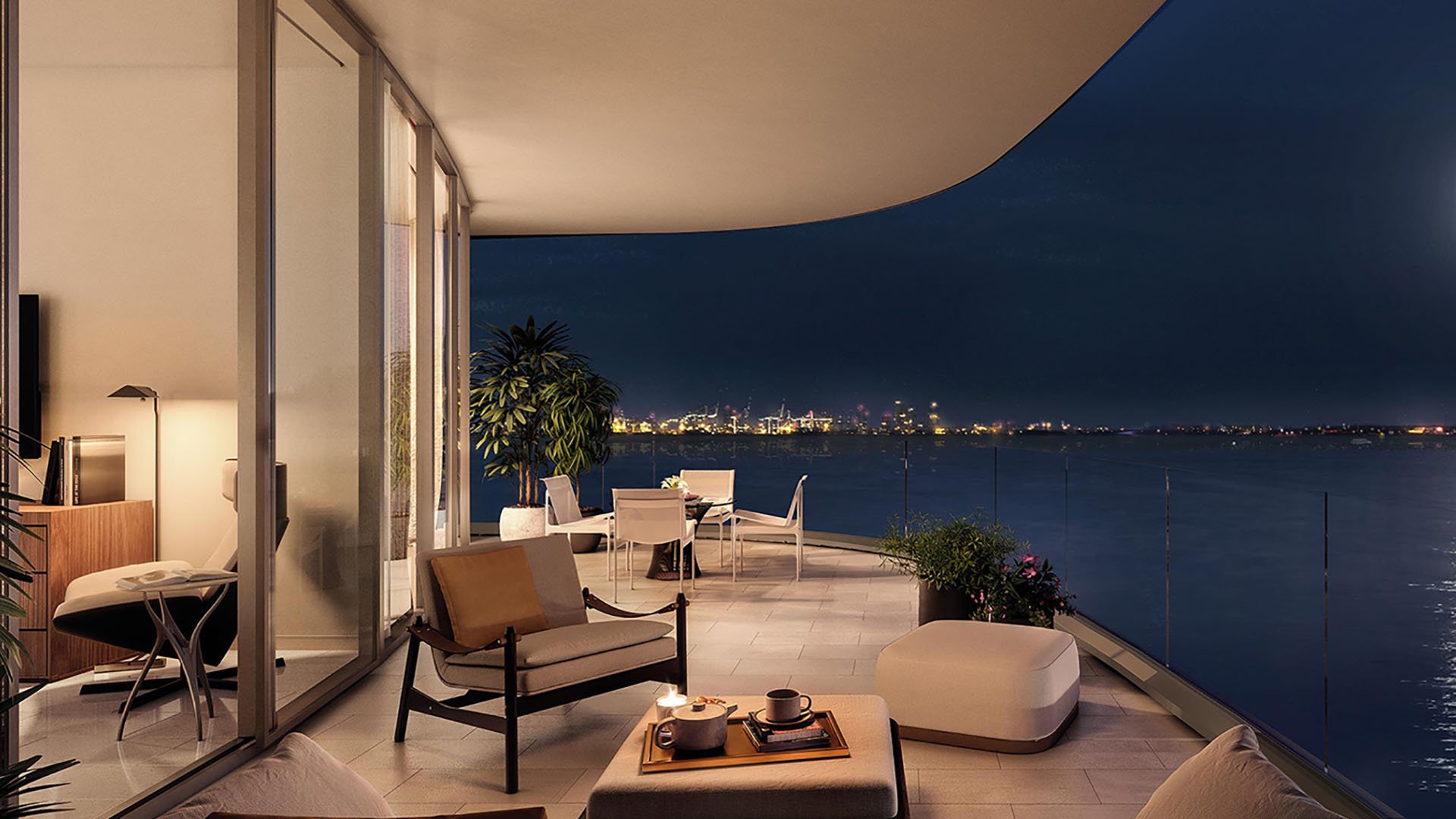
In Brickell, a terrace is often the most seductive room in the residence: open to Biscayne Bay breezes, framed by skyline light, and large enough for dining, planting, lounging, and entertaining. Yet the same outdoor space that elevates a purchase can become a costly weakness if water does not move where it should.
South Florida’s wet weather can bring heavy rain, repeated saturation, and wind-driven conditions. For luxury buyers, terrace drainage should be evaluated for storm-readiness, not merely a pleasant afternoon shower. A beautiful finish package can conceal an underperforming system below pavers, tile, decking, turf, planters, or outdoor kitchens.
This is why terrace due diligence belongs beside view analysis, floor height, service quality, and amenity programming. Whether touring 2200 Brickell or comparing newer towers across the financial district, the right questions can separate elegant outdoor living from deferred maintenance hidden in plain sight.
The first request is simple: ask for the terrace drainage plan. It should show slope direction, primary drain locations, scuppers, secondary overflow routes, and how water connects to the building storm-drainage system. On larger terraces, especially those wrapping corners or supporting multiple outdoor zones, one drain near a door is rarely the whole story.
Ask whether the terrace achieves positive drainage. In practical terms, water should be intentionally directed away from interiors, thresholds, and vulnerable edges rather than allowed to sit indefinitely. Prolonged ponding is a red flag worth investigating.
Also clarify whether the terrace functions as a roof over occupied space below. Many high-rise terraces are not merely exterior platforms; they are roof assemblies with waterproofing, drainage, structural load, and maintenance obligations that may affect another residence, an amenity area, or common space.
Primary drains matter, but luxury buyers should also ask what happens when they are overwhelmed or blocked. Secondary overflow drains or scuppers can help give water a predictable escape route instead of allowing it to push toward thresholds, interiors, elevator lobbies, or neighboring areas.
The terrace-door condition deserves close attention. Ask whether sliding glass doors, thresholds, weeps, and adjacent drains were designed with wind-driven rain in mind. Brickell towers face storm exposure from height, orientation, and seasonal weather patterns. A threshold that performs in ordinary rain may behave differently when wind pushes water horizontally across the slab.
During a showing, look for subtle clues: staining around door tracks, swollen baseboards, soft flooring, musty odors, efflorescence, darkened grout, lifted pavers, or freshly painted areas near the terrace. Moisture control is central to protecting interiors, and even the most refined finishes can reveal their history at the perimeter.
Ask for available product approvals, permits, warranties, and contractor documentation for waterproofing, drains, exterior assemblies, and terrace finishes. For a buyer, the purpose is not to become a technical expert. It is to confirm that the visible design is supported by documented systems appropriate for South Florida’s climate.
Next, ask whether anything changed after original construction. Pavers, tile, pedestal systems, planters, summer kitchens, pools, spas, turf, built-in furniture, and waterproofing work can all alter drainage behavior. Request association approvals, contractor documentation, and warranty information for any terrace modifications.
This is especially important in residences where outdoor space is a primary selling feature, such as penthouses, half-floor homes, or units with expanded entertaining terraces. A buyer considering Baccarat Residences Brickell, Cipriani Residences Brickell, or other new-construction options should still ask how terrace assemblies, drains, and finishes are documented, maintained, and protected by warranty.
In a condominium, terrace responsibility is not always intuitive. Ask who is legally responsible for the slab, waterproofing membrane, drains, railings, pavers, finishes, planters, and doors. Condominium documents may distinguish unit property, limited common elements, and association-maintained common elements.
This distinction affects repair timelines, insurance questions, access rights, and future costs. A membrane might be an association responsibility while decorative finishes fall to the owner. A drain may serve multiple areas even if it appears to sit within one private terrace. The financial question is therefore not only, “Is my terrace leaking?” It is also, “Could balcony, façade, roof, or waterproofing issues create shared cost exposure?”
This is one of the most important ownership questions in Brickell. Terrace, balcony, and façade systems are part of the same building-envelope conversation, particularly in high-rise condominiums where private enjoyment and common infrastructure overlap.
Before inspection and document-review deadlines expire, ask the seller or association for records of leaks, drain backups, membrane repairs, balcony restoration, façade repairs, insurance claims, and special assessments affecting the terrace or building envelope. One isolated repair may not be alarming. A pattern of recurring water intrusion or drain blockage deserves deeper review.
Ask whether the building has recent inspection, engineering, or maintenance reports that discuss balconies, façades, waterproofing, drainage, or exterior conditions. These records can help a buyer understand whether a private terrace issue is isolated or part of a broader building-envelope concern.
Reserve information matters as well. Ask for available reserve materials related to roofs, waterproofing, exterior painting, balconies, and structural components. If major exterior work is foreseeable, the buyer should understand whether the association has planned funding or whether future assessments may enter the ownership equation.
A standard home inspection is useful, but a luxury terrace often justifies a building-envelope, roofing, or waterproofing specialist. Ask inspectors to evaluate slope, drain access, paver conditions, membrane clues, thresholds, interior staining, and signs of concealed moisture. If possible, schedule a rainy-day showing or return shortly after a storm. Water reveals what dry finishes can hide.
Drain access is a practical issue. Concealed drains beneath pavers, decking, turf, or planters can make blockages harder to detect before leaks occur. Ask for evidence of regular drain cleaning and terrace maintenance. A well-designed system can still fail if leaves, sediment, planter debris, or construction residue obstructs the path of water.
For residences with heavy planters, pools, spas, summer kitchens, stone pavers, or built-in furniture, ask whether the added loads were structurally reviewed. In a market where outdoor living is central to value, structural and waterproofing diligence should be part of the same conversation.
In Brickell, outdoor space commands attention because it changes how a residence lives. At Una Residences Brickell or St. Regis® Residences Brickell, buyers may naturally focus on views, privacy, finishes, and amenity access. The more refined move is to ask how the terrace performs when the weather is at its least glamorous.
A terrace that drains correctly, is properly documented, remains accessible for maintenance, and sits within a well-funded association is more than an aesthetic asset. It is a sign of disciplined stewardship. In Brickell’s ultra-premium market, that discipline is part of the value.
What is the first terrace drainage document a Brickell buyer should request? Ask for the terrace drainage plan showing slope direction, drain locations, scuppers, overflow routes, and connections to the storm-drainage system.
What does positive drainage mean for a terrace? Positive drainage means water is intentionally directed away from interiors, thresholds, and vulnerable edges. Persistent ponding should be reviewed by a qualified specialist.
Should I inspect a terrace after rain? Yes. A rainy-day or post-storm visit can reveal ponding, slow drains, staining, threshold leaks, and moisture patterns that may not appear when surfaces are dry.
Are secondary overflow drains important? Yes. Secondary drains or scuppers can provide a backup path when primary drains are overwhelmed or blocked.
Who is responsible for terrace repairs in a condo? The answer depends on the condominium documents. Ask how the slab, membrane, drains, railings, pavers, and finishes are classified.
Can planters or outdoor kitchens affect drainage? Yes. Added features can block drains, change water flow, add structural load, or interfere with waterproofing if not properly reviewed and approved.
What interior signs may suggest terrace water issues? Look for stains, efflorescence, swollen baseboards, soft flooring, musty odors, and moisture near sliding doors or thresholds.
Should I ask about warranties? Yes. Confirm whether terrace waterproofing warranties remain active and whether prior owner modifications may have affected them.
Do reserves matter for a private terrace? Yes. Reserve materials can help buyers understand possible future balcony, façade, roof, and waterproofing costs.
Do I need a specialist beyond a home inspector? For significant luxury terraces, a building-envelope, roofing, or waterproofing specialist can provide deeper insight into drainage and moisture risk.
If you'd like a private walkthrough and a curated shortlist, connect with MILLION.
If branded residences are on your mind — as a home or as an allocation — we would be glad to share what we are seeing, privately.
Begin a quiet conversation