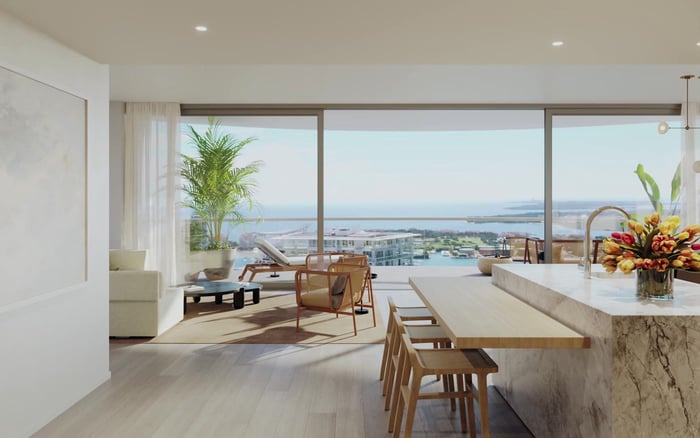
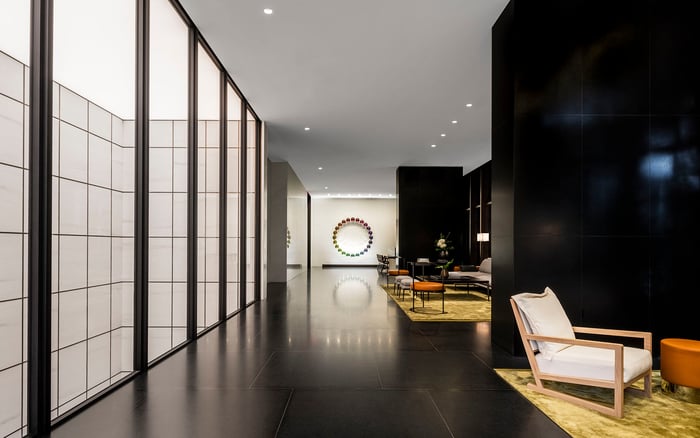
A buyer-focused look at how cabanas and storage can influence perceived value, daily convenience, and negotiation preference at Arte Surfside.

At Arte Surfside, the buyer decision rarely rests on square footage alone. The building is evaluated by many luxury buyers through a wider lifestyle lens, where privacy, discretion, design quality, and day-to-day ease can matter as much as the residence itself. In that context, a cabana or storage space is not merely an accessory. It can become part of how the home functions.
This matters because boutique ownership places more attention on small details. A buyer evaluating two otherwise comparable residences may find that the one with better ancillary utility simply lives better, especially if the residence will be used seasonally or intermittently.
The strongest buyers in this segment understand the difference between ownership that photographs well and ownership that operates smoothly. Expansive living areas, refined finishes, and a memorable arrival create the architectural impression. Cabanas and storage help determine whether the beach day, the guest weekend, or the quick winter arrival feels effortless.
In a conventional comparison, a cabana may be seen as a pleasant add-on. At Arte Surfside, where privacy and lifestyle experience are central to the buyer conversation, it can function as a practical extension of the residence. The value begins near the amenity or beachside routine: towels, sun protection, reading material, children’s items, and other personal effects can remain closer to where the owner actually spends time.
That reduction in daily friction is especially important for buyers using the property as a second home. When the rhythm of ownership involves arrivals, departures, guests, and changing weather, the fewer steps between residence and relaxation, the better. A cabana can create a semi-private pause between the condominium and the outdoor lifestyle, preserving discretion while supporting comfort.
The intangible component is just as important. Ultra-luxury buyers do not always want more space in the abstract. They want space that respects how they live. A well-positioned cabana can support wellness, privacy, convenience, and security in ways that are difficult to express through bedroom count or interior square footage.
Storage is less glamorous than a cabana, but often more decisive than buyers expect. Many South Florida luxury owners do not occupy a residence every day of the year. They may arrive for a long weekend, a winter stay, a family holiday, or a wellness-focused retreat. In each scenario, storage can help the residence remain ready.
For a second-home buyer, this can mean beach gear, sports equipment, luggage, seasonal items, personal essentials, and household support items do not need to travel back and forth. That convenience preserves the elegance of the residence itself. Closets remain cleaner. Arrival feels calmer. Departure becomes less complicated.
Storage also changes the way buyers interpret usable volume. A residence with generous interiors may still feel less practical if there is nowhere efficient to place the objects of coastal living. Conversely, a residence with thoughtful ancillary storage can feel more complete, even when compared with a similar home in the same building.
At this price level, buyers rarely make decisions in isolation. They compare. They revisit floor plans. They consider terraces, exposures, elevator access, views, privacy, and the feel of arrival. In a building with limited inventory, small distinctions between otherwise comparable homes can influence preference and negotiation posture.
That is where cabana-storage value becomes strategic. It shifts the conversation from what a residence contains to how it performs. Does the home support a seamless beach day? Does it allow an owner to arrive without reorganizing the residence? Does it protect the elevated design environment from the clutter of seasonal living? These are not minor questions for buyers focused on experience.
The same logic applies to the broader Surfside buyer. Coastal ownership in this enclave is often about calm, access, privacy, and architectural restraint rather than spectacle. Within that frame, the most valuable features are not always the loudest. Sometimes they are the ones that remove small inconveniences before they are even noticed.
Cabanas and storage do not replace the fundamentals. View, plan, condition, scale, and overall residence quality remain central. Yet ancillary spaces can affect perceived usability, which in turn can affect buyer conviction. A buyer who sees immediate lifestyle fit may be less inclined to wait for another option. A buyer who sees friction may use that friction as a reason to negotiate more aggressively.
This is particularly relevant inside a boutique building, where buyers are often choosing among very few alternatives. If two residences offer similar architectural appeal, the one with stronger practical support can feel more complete. That completeness can shape the emotional confidence of the offer.
The reverse is also true. A residence without the right ancillary support may still be exceptional, but buyers should understand what they are giving up. Will storage needs spill into living areas? Will beach-day items travel through private interiors? Will guests rely more heavily on the main residence for changing, organizing, or resetting? These details matter because they affect how the property feels after closing.
The best way to evaluate cabana-storage value is to look beyond ownership language and focus on use. Buyers should ask how the spaces support the way they plan to live: full-time, seasonal, family-oriented, wellness-focused, or highly private. The answer may be different for each household.
A buyer who entertains frequently may value a cabana as a poolside hospitality layer. A buyer who travels lightly may place more importance on storage for continuity between visits. A buyer with children or grandchildren may value both, because the practical demands of coastal living increase with every guest.
For the buyer mapping Arte Surfside, Surfside, boutique ownership, second-home convenience, and terrace priorities, the question is not whether ancillary spaces are luxurious in the abstract. The question is whether they make the residence feel more controlled, more private, and more effortless.
Because cabanas and storage can vary in structure and use rights, buyers should examine the details carefully before assigning value. The practical questions are straightforward: where is the space located, how accessible is it, what uses are permitted, how secure does it feel, and how naturally does it support the owner’s routine?
Buyers should also consider whether the cabana or storage space aligns with the specific residence. A beautiful terrace and expansive interior may define the home upstairs, while a cabana and storage area complete the lifestyle experience below. When those elements work together, the residence can feel less like a unit and more like a private coastal base.
At Arte Surfside, that distinction is central to the buyer conversation. The decision is not simply about volume. It is about a way of living with fewer interruptions, fewer shared pressures, and a more refined connection to the South Florida setting.
Why can a cabana change the buyer decision at Arte Surfside? In a boutique luxury setting, a cabana can function as a lifestyle extension of the residence rather than a minor extra.
Is storage important for seasonal owners? Yes. Storage can make intermittent use easier by keeping personal essentials and seasonal items ready between visits.
Does cabana-storage value replace square footage? No. It complements square footage by improving how the residence functions day to day.
Why does boutique scale matter? Boutique scale can make private-use features feel more meaningful because buyers pay closer attention to convenience, privacy, and use patterns.
Who benefits most from these ancillary spaces? Buyers focused on privacy, convenience, wellness, security, and a seamless second-home experience may value them most.
Can cabanas influence negotiation leverage? They can, especially when buyers compare similar residences and one offers a more complete lifestyle package.
Are storage spaces mainly for sports equipment? Not only. They can also support luggage, personal essentials, beach items, and other goods used between visits.
Should buyers verify how cabanas are assigned? Yes. Buyers should review the use rights, location, access, and practical limitations before assigning value.
Does Arte Surfside emphasize lifestyle beyond interiors? For many buyers, the appeal extends beyond interiors to privacy, discretion, design quality, and the broader experience of refined South Florida living.
What is the key takeaway for buyers? At Arte Surfside, cabanas and storage can turn an already refined residence into a more effortless coastal home.
For a confidential assessment and a building-by-building shortlist, connect with MILLION.
If branded residences are on your mind — as a home or as an allocation — we would be glad to share what we are seeing, privately.
Begin a quiet conversation