A buyer-focused guide to verifying multi-car parking at Residences by Armani/Casa in Sunny Isles Beach, from legal parking rights and valet rules to garage access, vehicle restrictions, EV needs, storm protocols, and resale considerations.
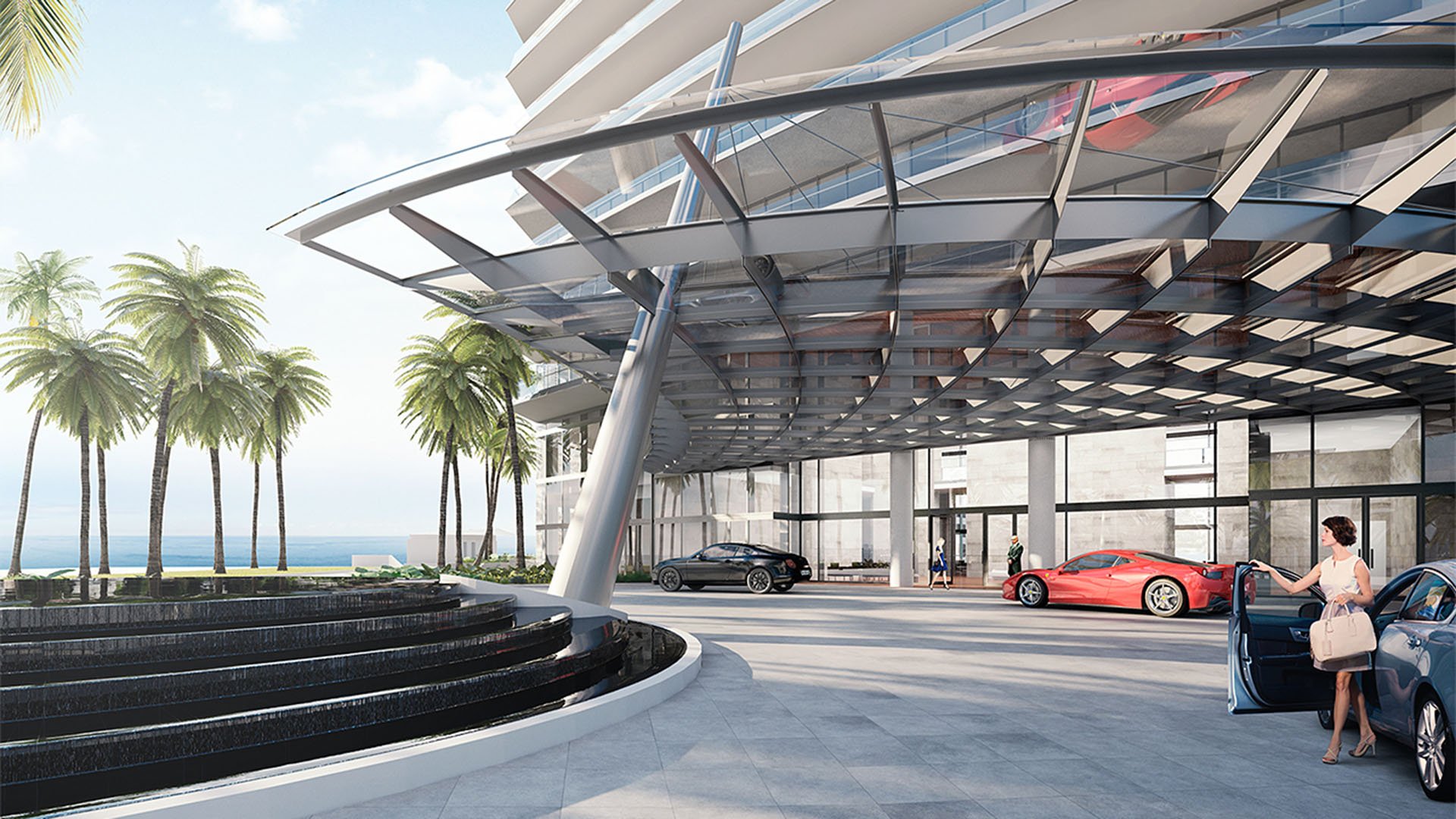
For buyers evaluating Armani Casa Sunny Isles Beach, multi-car parking should be treated as a due diligence issue rather than a lifestyle assumption. The look and feel of a branded residence may shape the emotional appeal, but parking value depends on documents, rules, physical usability, and the specific rights attached to the unit being purchased.
This distinction matters for households with more than one vehicle, visiting family, a weekend car, an exotic or low-clearance vehicle, or a daily driver that needs predictable access. A listing description may mention parking, but the buyer still needs to confirm what is legally included, what is operationally practical, and what may depend on building procedures.
The safest approach is unit-specific. Do not assume that one owner’s arrangement applies to another residence in the same building, and do not treat renderings, marketing language, or verbal summaries as proof of multi-car control.
The first question is not simply how many spaces are referenced. The more important question is what kind of parking right is being offered. A space may be deeded, assigned, licensed, valet-managed, or governed by association procedures, and those categories can create very different outcomes for ownership, daily access, and resale.
A deeded space may be viewed differently from a revocable assignment. An assigned space may be convenient today but still subject to the governing documents and association rules. A licensed arrangement may require a separate agreement. Valet-managed access may suit some owners while frustrating others who want direct self-park control.
Before assigning value to any parking claim, a buyer should request the condominium declaration, rules and regulations, parking schedule or assignment record, estoppel information, seller disclosures, and any agreement tied to additional parking. The goal is to make sure the written record matches the sales conversation.
Multi-car convenience often depends on whether extra spaces transfer with the unit. A seller may currently use an additional space through a lease, approval, building program, association process, or private arrangement. That does not automatically mean the buyer will receive the same benefit after closing.
If an extra space is described, confirm whether it is included in the legal conveyance, available through separate purchase, leased from another owner, subject to approval, or dependent on a waitlist. If the arrangement is leased, review the term, renewal rights, cost, assignability, and what happens if the underlying owner or association changes course.
This is not only about convenience. Parking that is easy to explain but hard to document can create hesitation in a future resale. Parking that is clearly recorded, transferable, and practical can make the residence easier to understand for the next buyer.
Luxury buyers often study exposure, terrace depth, finishes, elevator arrival, and sightlines with care. A multi-car buyer should bring the same discipline to the garage. A stated parking count is only one part of the experience; access, geometry, and daily function matter just as much.
When possible, walk the actual parking area connected to the unit. Pay attention to ramp width, turning radius, stall angle, column placement, ceiling height, lighting, camera visibility, elevator proximity, and whether the route feels intuitive. A space can be technically included yet feel inconvenient if it is tight, remote, obstructed, or difficult to maneuver.
Timing can also change the impression. A quiet midday visit may not reveal congestion, valet wait times, or elevator demand. A better test is to observe the building during normal arrival and departure periods, when the garage operates under more realistic pressure.
A multi-car household should not assume that every vehicle will be treated the same way. Building rules may distinguish daily vehicles, guest vehicles, oversized SUVs, motorcycles, low-clearance cars, electric vehicles, and vehicles kept in place for extended periods. Each category may involve different approvals, restrictions, insurance expectations, or access procedures.
Valet procedures deserve special review. Confirm whether valet is mandatory or optional, whether costs are included or separate, what hours and retrieval protocols apply, and whether self-parking is permitted for the relevant spaces. A buyer who values hands-free arrival may view valet as an advantage, while a collector may prioritize direct access and handling control.
Electric vehicle planning should also be addressed before a contract becomes difficult to unwind. Ask whether charging exists, whether installation is permitted, who pays for installation and electricity, whether association approval is required, and whether electrical capacity or garage infrastructure could limit availability.
In coastal South Florida, a parking review should include building procedures for severe weather, temporary closures, access restrictions, and emergency operations. The question is not only where a vehicle sits on an ordinary day, but how the building manages garage access when conditions are unusual.
Buyers should ask how residents are notified of temporary changes, whether valet or self-park procedures shift during storms, and whether guest access or vehicle retrieval can be limited during operational events. The answers may not change the desire for the residence, but they can clarify whether the parking setup fits the buyer’s expectations.
This is especially important for owners who divide time between properties, leave vehicles in place for longer periods, or rely on staff or family members to move cars when needed. Operational clarity can prevent frustration later.
Parking should be evaluated as both a lifestyle feature and a future marketability factor. A buyer with one car and flexible valet preferences may be satisfied with a very different setup than a household with multiple vehicles, frequent guests, or a specialty car requiring careful handling.
The strongest parking story is specific, documented, and easy to explain. The weakest version relies on assumptions, informal practices, or seller statements that are not supported by the governing documents. In a luxury condo purchase, that difference can affect negotiation, closing confidence, and eventual resale positioning.
For Armani Casa Sunny Isles Beach buyers, the right conclusion is not automatic confidence or automatic skepticism. It is disciplined verification: understand the legal right, test the physical experience, confirm the operating rules, and make sure the parking arrangement matches the way the residence will actually be used.
Does Residences by Armani/Casa guarantee multi-car parking for every buyer? Do not assume that. The specific parking rights for a unit should be verified through governing documents, assignment records, and closing disclosures.
What should a buyer review first when parking matters? Start with the condominium declaration, rules and regulations, parking schedule or assignment record, estoppel information, and seller disclosures.
Are renderings enough to evaluate parking? No. Renderings can suggest lifestyle, but they do not confirm stall dimensions, ramp geometry, valet procedures, or legal parking rights.
Can an additional parking space fail to transfer at closing? Yes. Extra parking may depend on a lease, separate purchase, association approval, waitlist, or arrangement that does not automatically convey.
Should valet rules be reviewed before making an offer? Yes. Confirm whether valet is mandatory or optional, how it is billed, what hours apply, and whether self-parking is permitted.
What should exotic or low-clearance vehicle owners verify? They should check clearance, stall dimensions, turning radius, security, handling procedures, and whether direct access is available.
Do EV buyers need separate parking due diligence? Yes. Charging availability, installation rights, approval requirements, cost allocation, and electrical capacity should all be confirmed.
When is the best time to inspect the garage? A normal arrival or departure period can be more useful than a quiet visit because it reveals congestion, valet timing, and elevator access.
Can parking affect resale confidence? It can. Clearly documented and practical parking may reduce buyer hesitation when the residence is marketed again.
What is the best way to shortlist comparable options for touring? Start with location fit, delivery status, and daily lifestyle priorities, then compare stacks and elevations to validate views and privacy.
If you'd like a private walkthrough and a curated shortlist, connect with MILLION.
If branded residences are on your mind — as a home or as an allocation — we would be glad to share what we are seeing, privately.
Begin a quiet conversation