A discreet buyer’s guide to using private-driver staging before closing, with emphasis on timing, privacy, guest experience, and practical coordination in the North Miami luxury market.
For a North Miami buyer, the period between contract and closing is not merely administrative. It is the final opportunity to test how a residence will feel in real life before ownership becomes permanent. Handled with discretion, private-driver staging turns that window into a precise exercise in lifestyle verification.
The concept is simple: a professional driver is coordinated around key pre-closing moments, including family visits, design walkthroughs, school or club appointments, airport arrivals, inspections, and the final walkthrough. The purpose is not pageantry. It is control. A calm arrival, a thoughtful route, and a carefully sequenced schedule allow buyers to experience the home and its surroundings without the friction that can distort judgment.
In the ultra-premium segment, buyers are often evaluating more than square footage. They are weighing privacy, convenience, service rhythm, parking flow, staff access, guest arrival, and the emotional tone of a neighborhood. A driver-staged day can reveal those details with unusual clarity.
The first mistake is treating a driver as a transportation detail rather than a staging instrument. Before scheduling, the buyer should define the purpose of the outing. Is the visit meant to confirm commute comfort, introduce relatives to the home, review furnishings, meet a contractor, or conduct the final walkthrough with a calm mind?
Each purpose suggests a different route and pace. A family introduction may call for a graceful arrival, time for questions, and a relaxed departure. A construction-oriented visit may require earlier access, room for samples or measuring equipment, and coordination with vendors. A final walkthrough should be slower, quieter, and free of social distraction.
This is especially relevant for buyers cross-shopping North Miami Beach, Aventura, Bay Harbor, and Sunny Isles while comparing waterfront, condominium, and single-family home options. The car should not simply connect addresses. It should help the buyer understand how each choice behaves as a lived routine.
A well-staged drive should reflect the buyer’s future life, not an idealized sales loop. If the residence will function as a second home, the route may begin at the airport, continue through preferred dining or marina-adjacent areas, and end with a property arrival that mirrors a Friday evening landing. If the home will be a primary residence, the route may test school runs, fitness appointments, office access, and evening returns.
The most useful drive is rarely the shortest. It is the most honest. Buyers should consider different times of day when possible, especially if daily rhythm is central to the purchase decision. Morning, late-afternoon, and evening arrivals can feel markedly different in any urban coastal setting.
The driver should be briefed on discretion, gate protocol, security preferences, and any sensitive timing. The buyer’s advisor should also confirm whether building staff, gate attendants, or property representatives expect the arrival. The smoother the entry sequence, the more accurately the buyer can assess the property itself.
Private-driver staging should protect the buyer’s anonymity and emotional space. This is not the moment for an unnecessary entourage, excessive discussion in public areas, or visible negotiation. The best experiences feel almost quiet. The buyer steps out, enters the property, observes, decides, and departs without attracting attention.
For high-profile individuals, vehicle choice matters. Understatement is often preferable to spectacle. The same is true of arrival timing. If a building lobby, driveway, or private gate is likely to be active, a carefully chosen window can reduce exposure and create a more accurate sense of residential calm.
Privacy also extends to conversation. Sensitive matters such as price, repairs, family concerns, financing, or closing conditions should not be discussed within earshot of staff, other residents, or vendors. A private vehicle can create a controlled environment for those discussions, but only if the driver is appropriately professional and the buyer’s team keeps the schedule disciplined.
Private-driver staging is most effective when aligned with the closing calendar. The buyer may need separate trips for design review, inspection follow-up, insurance coordination, utility planning, and the final walkthrough. Compressing all of these into one visit can create fatigue and blur priorities.
A better approach is to assign a theme to each visit. One drive may focus on lifestyle. Another may focus on technical review. A third may focus on family comfort. The final visit should be reserved for condition, access, included items, and any remaining questions that must be resolved before closing.
The driver should receive only the information necessary to execute the schedule. The closing team should keep legal, financial, and contractual conversations separate from the lifestyle staging experience. That separation preserves focus and reduces confusion.
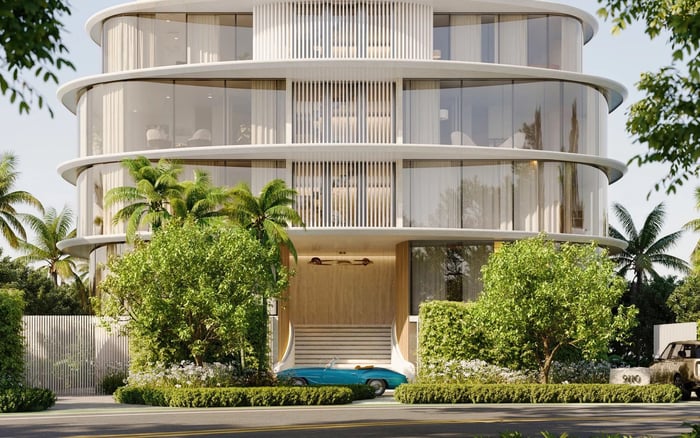
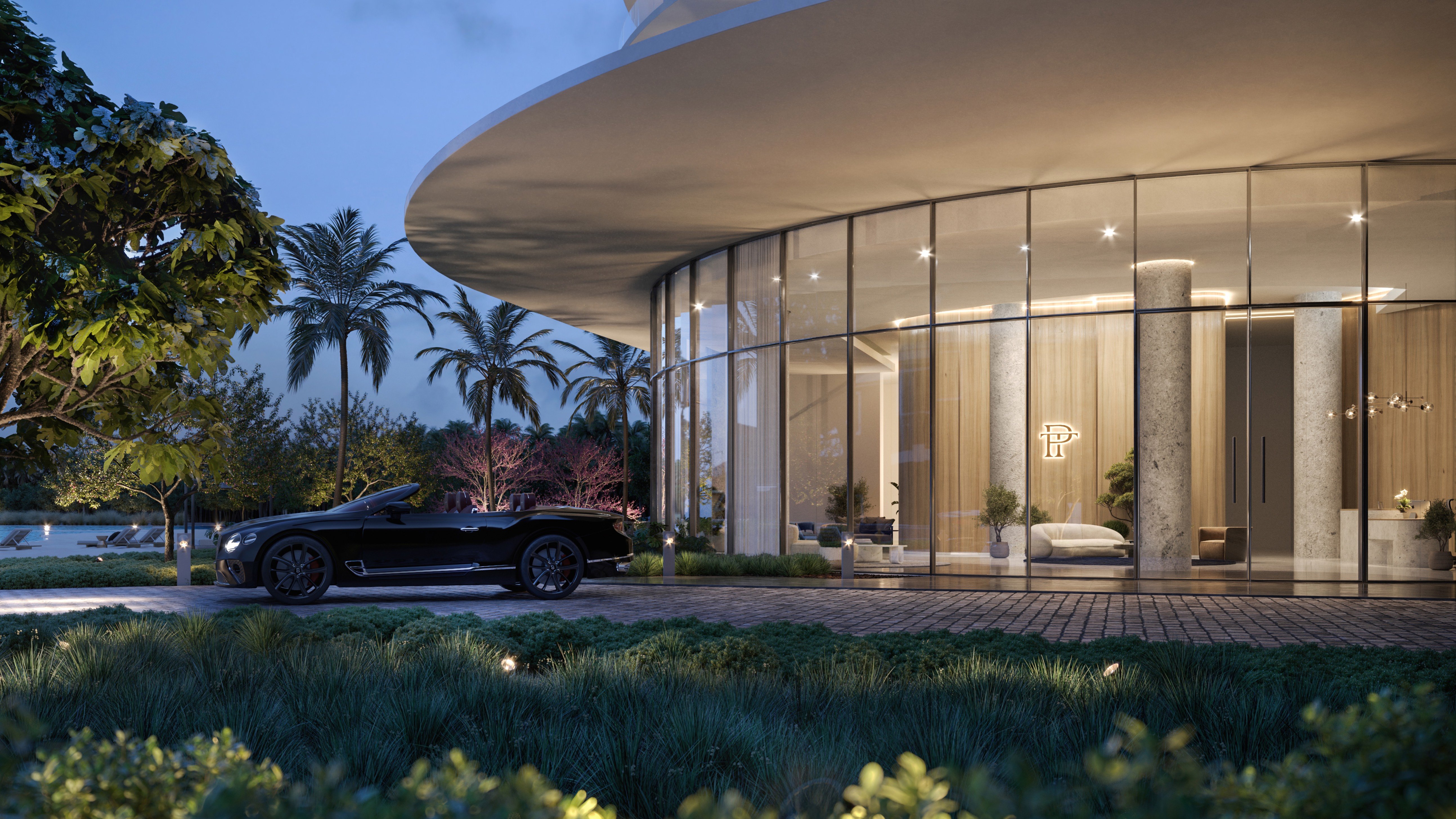
Arrival tells a buyer more than many brochures can. The sequence from curb, gate, garage, lobby, elevator, driveway, or front door reveals the daily experience of ownership. Is the transition intuitive? Does it feel private? Is there enough room for luggage, children, guests, or household staff? Does the approach feel serene or exposed?
Buyers should notice how the residence receives them. In condominiums, that may involve valet flow, elevator access, lobby tone, and service circulation. In a single-family setting, it may involve driveway geometry, guest parking, lighting, gate operation, and the distance between arrival and main living areas.
Private-driver staging makes these observations easier because the buyer is not distracted by navigation, parking, or timing. Instead, the buyer can focus on the choreography of ownership. At the highest level, the question is not only whether the home is beautiful. It is whether the home can receive the buyer’s life with ease.
The most refined staging is invisible. It does not require branded folders, scripted commentary, or exaggerated hospitality. It requires punctuality, silence when appropriate, clean sequencing, and a schedule that respects the buyer’s attention.
Advisors should avoid overloading the day with too many comparisons. If the buyer is already under contract, the goal is confirmation and preparation, not reopening every decision. If concerns remain unresolved, the drive should be structured to address them directly.
The best outcome is a buyer who arrives at closing with confidence. The route has been tested. The arrival has been understood. Family members have seen what they need to see. Vendors have been coordinated. The final walkthrough has occurred without haste. In that sense, private-driver staging is less about luxury transportation and more about reducing uncertainty.
Before booking, confirm the purpose of the visit, the preferred vehicle profile, the number of passengers, timing sensitivity, privacy requirements, and all property access protocols. Share only essential details with the driver, and keep the buyer’s advisor responsible for sequencing the day.
If multiple parties are involved, designate one point of contact. A driver should not receive competing instructions from relatives, designers, assistants, and brokers. The cleaner the command structure, the more polished the experience.
Finally, leave room in the schedule. Luxury decisions require space. A buyer may want ten extra minutes in the primary suite, a second look at the view, or a quiet conversation after the walkthrough. A rigid itinerary can undermine the very clarity the staging was designed to create.
What is private-driver staging before closing? It is the planned use of a private driver to support pre-closing visits, walkthroughs, family introductions, and lifestyle testing around a property purchase.
Is this only for celebrity or high-profile buyers? No. It is useful for any buyer who values privacy, efficiency, and a calmer decision-making environment before closing.
When should the driver be scheduled? Schedule the driver around meaningful milestones, such as inspection follow-up, design review, family visits, and the final walkthrough.
Should the driver know the purchase details? No. The driver needs schedule, access, and routing details only, not pricing, contract terms, or personal financial information.
Can private-driver staging help with a final walkthrough? Yes. It allows the buyer to arrive focused, avoid parking distractions, and assess the property condition with greater composure.
Should family members join the staged drive? They should join if their comfort or approval matters, but the schedule should remain controlled and not become a social tour.
What type of vehicle is best? The best vehicle is discreet, comfortable, and appropriate for the buyer’s privacy needs, luggage, guests, and property access.
How many properties should be visited in one outing? Fewer is usually better. A tight, purposeful itinerary produces clearer impressions than an overextended day.
Who should coordinate the driver? One trusted point of contact should manage timing, routing, and access so the driver receives clear, consistent instructions.
Does this replace legal or inspection diligence? No. It complements formal diligence by helping the buyer understand lifestyle, arrival, privacy, and daily-use details.
For a discreet conversation and a curated building-by-building shortlist, connect with MILLION.
If branded residences are on your mind — as a home or as an allocation — we would be glad to share what we are seeing, privately.
Begin a quiet conversation