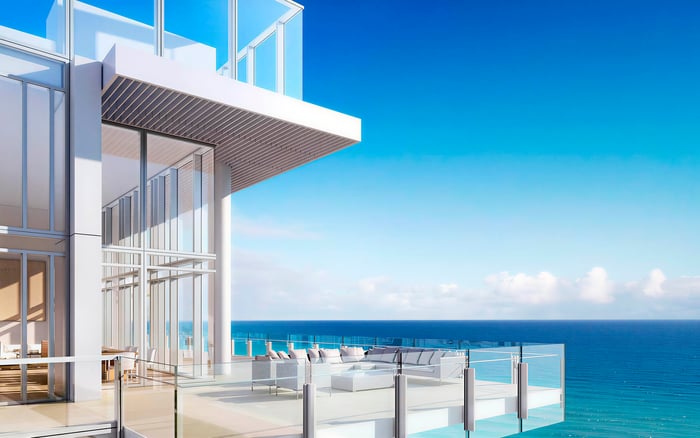
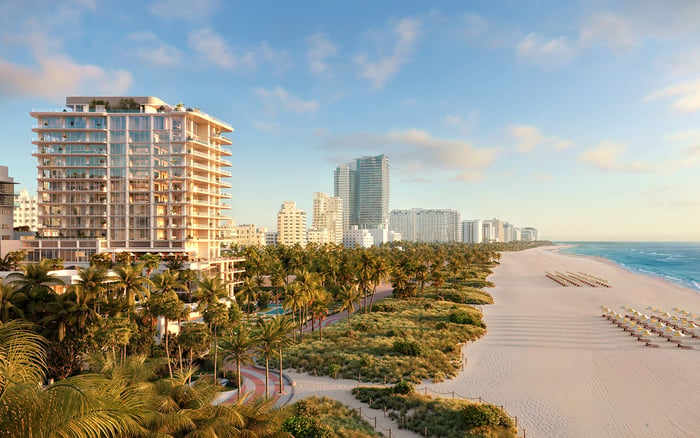
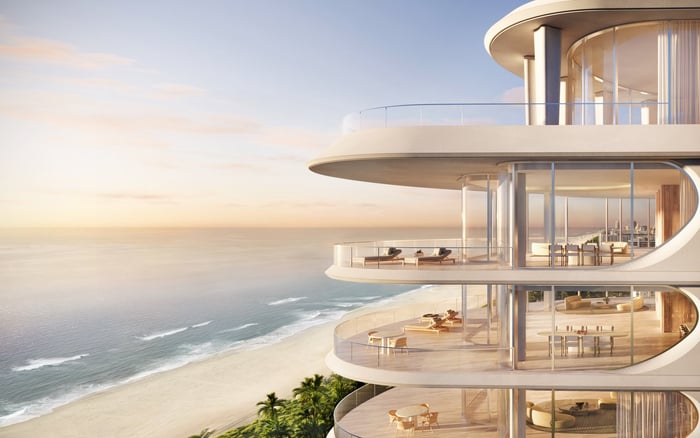
A 2026 buyer lens on how privacy, security technology, and guest screening may shape the choice between 57 Ocean Miami Beach and Shell Bay by Auberge Hallandale.
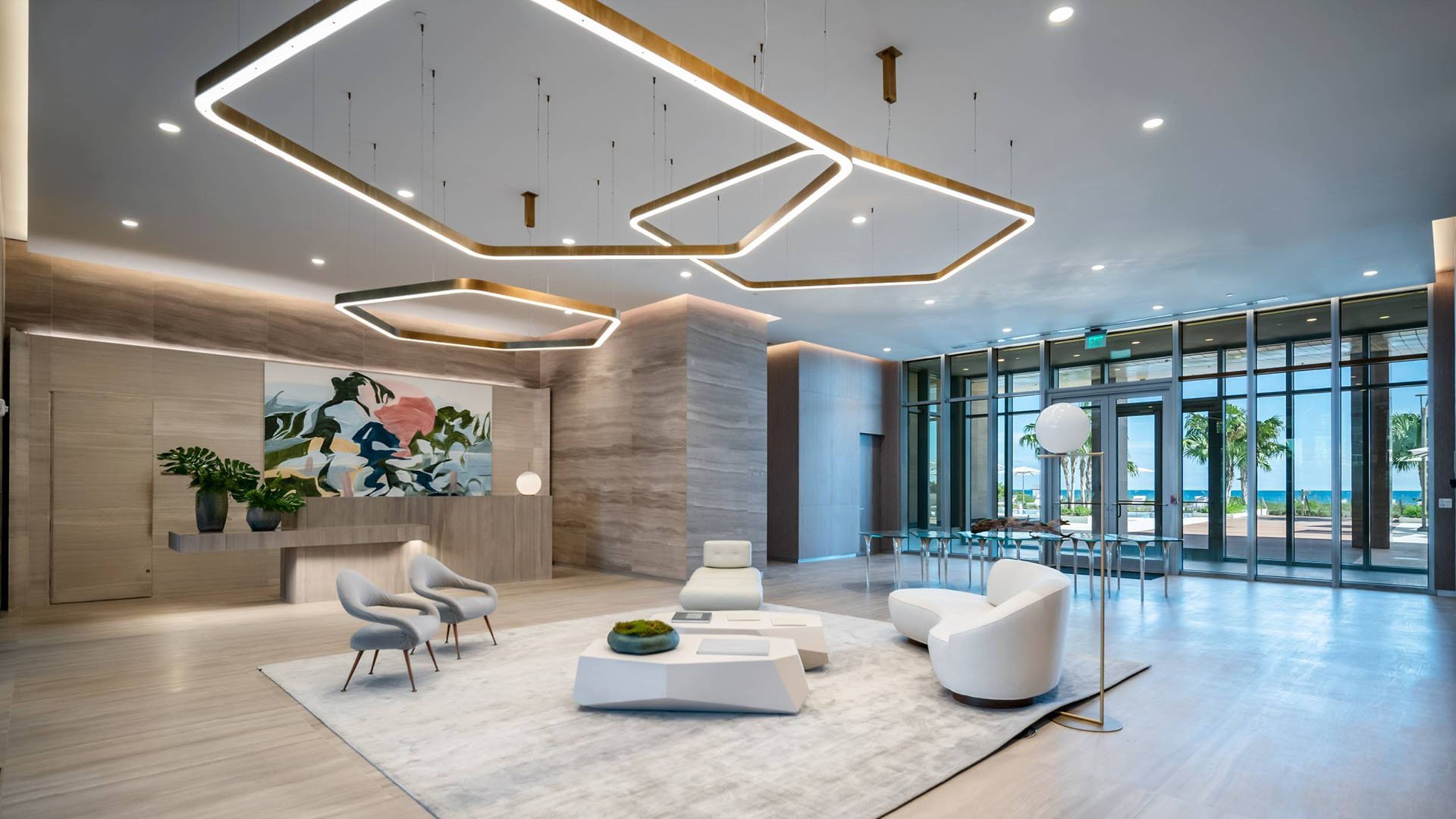
For South Florida’s next wave of luxury buyers, the comparison between 57 Ocean Miami Beach and Shell Bay by Auberge Hallandale is not only about location, architecture, or brand atmosphere. It is a test of how a residence protects the private life of its owners. By 2026, the most discerning buyers will likely ask a sharper set of questions: Who sees my arrival? How are guests received? How visible is service movement? How quietly does the building protect daily life?
That is where the Miami Beach-to-Hallandale comparison becomes more nuanced. 57 Ocean Miami Beach Miami Beach suggests a coastal residential lens tied to the rhythm and visibility of Miami Beach. Shell Bay by Auberge Hallandale, by contrast, invites a different privacy expectation, shaped by a more resort-residential frame and the buyer psychology associated with controlled environments. Neither posture is automatically superior. The stronger fit depends on how a household defines discretion.
In 2026, privacy will not be a single amenity. It will be an operating system.
The old definition of privacy was largely physical: fewer neighbors, generous setbacks, secure elevators, and quieter corridors. Those factors still matter. But the contemporary buyer is increasingly focused on behavioral privacy: how easily the building allows an owner to move through daily life without social friction.
That includes the approach sequence, the valet moment, the lobby sightline, the elevator transition, the pool deck, the spa corridor, and the way guests are announced. A large residence can still feel exposed if every arrival is on display. A smaller environment can feel composed if movement is choreographed with care.
For buyers comparing 57 Ocean Miami Beach with Shell Bay by Auberge Hallandale, the central question is not simply which address feels more private on paper. It is which environment better protects the owner’s preferred rhythm. Some residents want the cultural and beach-oriented energy of Miami Beach, with privacy layered into a recognizable coastal setting. Others may prefer a more contained experience, where access, guest flow, and club-like boundaries are central to the daily proposition.
The word oceanfront carries emotional power in South Florida, but privacy determines whether that oceanfront experience feels serene or performative.
Security technology has entered a delicate phase in luxury residential design. Buyers want capability, but they do not want to feel as if they live inside a visible security apparatus. The best systems are quiet, precise, and integrated into service culture.
In the 2026 buyer test, questions will likely become more direct. Is access controlled at multiple points? Is guest arrival predictable? Are deliveries separated from owner movement? Is the front-of-house experience elegant rather than procedural? Can a household host without turning every visit into a lobby negotiation?
Technology may support the answer, but it cannot replace judgment. Controlled elevators, credentialed entry, visitor pre-clearance, surveillance architecture, and other access tools may be part of the wider conversation in luxury residential real estate. Yet these elements only feel luxurious when paired with human discretion. A sophisticated buyer will notice whether security enhances hospitality or interrupts it.
This is especially relevant in a market where buyers may divide time between several homes. A second-home owner does not want to re-explain personal preferences on every arrival. The residence should remember without announcing that it remembers.
Guest screening is no longer just a building policy topic. It is a lifestyle issue, a social issue, and ultimately a resale issue. In ultra-premium residences, owners increasingly want assurance that the people circulating through the property belong there, are expected, and are received with appropriate discretion.
The challenge is tone. Overly rigid screening can feel inhospitable. Too little screening can erode the sense of sanctuary. The ideal balance is a system in which invited guests are welcomed smoothly, uninvited access is naturally prevented, and owners are not burdened with constant administrative friction.
For 57 Ocean Miami Beach, buyers may focus on how privacy functions within the broader Miami Beach lifestyle, where restaurants, beach access, social movement, and visiting friends are part of the appeal. For Shell Bay by Auberge Hallandale, the guest question may be framed through a more contained lens: who enters the environment, how club-like the arrival feels, and how consistently the property separates public energy from private residence life.
The gated-community vocabulary is useful here, even when applied more broadly than a traditional gate. The modern equivalent may be a sequence of invisible thresholds, each designed to preserve calm without making the resident feel managed.
A buyer drawn to 57 Ocean Miami Beach may be prioritizing a direct relationship with Miami Beach’s coastal identity. This buyer often values a setting connected to the city’s established luxury language: beach mornings, restaurant access, wellness routines, and the cultural texture that makes Miami Beach distinct.
For that buyer, privacy must be efficient rather than isolating. The residence should support spontaneity. Guests may arrive for dinner, family may come through seasonally, and the owner may want to move between home and the neighborhood without excessive ceremony. The right privacy model protects the household while preserving the ease of Miami Beach living.
The key buyer question is whether the building’s daily choreography feels calm during peak social periods. In a visible coastal market, the best privacy is often not withdrawal. It is the ability to participate selectively.
A buyer drawn to Shell Bay by Auberge Hallandale may be thinking in terms of controlled atmosphere, residential hospitality, and a more curated boundary between owner life and outside activity. Hallandale offers a different emotional register from Miami Beach, and that distinction may be attractive to buyers who want luxury with more deliberate separation.
For this buyer, privacy may be measured by how complete the environment feels once inside it. The appeal is not only the residence, but the surrounding pattern of access, reception, amenities, staff awareness, and guest protocol. If Miami Beach can feel socially kinetic, Hallandale may read as more composed for buyers who want their residence to operate as a private world.
That does not mean quiet at the expense of sophistication. It means a different hierarchy of values: fewer uncontrolled transitions, clearer owner identity, and a stronger emphasis on managed entry.
Before choosing either path, buyers should pressure-test privacy in real terms. Visit at different times of day. Observe arrivals. Watch how guests are greeted. Ask how service providers enter and circulate. Consider whether the lobby feels like a social room, a security point, or a calm threshold.
Buyers should also ask how the residence handles hosted events, extended family stays, staff access, vendors, ride-share arrivals, and private drivers. The answers reveal whether the property’s privacy model is designed for real households or only for brochures.
The most important test is emotional. After walking through the arrival sequence, does the buyer feel protected, processed, or observed? In the ultra-premium tier, that difference is decisive.
Is 57 Ocean Miami Beach or Shell Bay by Auberge Hallandale more private? The better choice depends on the buyer’s preferred lifestyle. One may prioritize Miami Beach connectivity, while the other may appeal to buyers seeking a more contained residential atmosphere.
Why is guest screening so important for 2026 buyers? Guest screening affects daily comfort, owner security, and the perceived exclusivity of the property. It is increasingly part of how buyers evaluate long-term livability.
Should privacy outweigh location when buying luxury real estate? Not always. The strongest purchase balances location, design, service culture, and privacy in a way that matches the household’s real use pattern.
What should buyers observe during a private tour? Buyers should study arrival flow, lobby visibility, elevator access, service movement, and how guests are received. These details often reveal more than finishes alone.
Does stronger security technology always mean better privacy? No. Technology must be integrated with discretion and hospitality, or it can make the residence feel overly managed.
How does Miami Beach privacy differ from Hallandale privacy? Miami Beach privacy often works within a more active coastal setting. Hallandale may appeal to buyers who prefer a more controlled residential rhythm.
Are service entrances and delivery protocols important? Yes. Separating service movement from owner and guest movement can meaningfully improve the feeling of privacy.
Can a highly social residence still feel private? Yes, if circulation, staffing, and guest protocols are well choreographed. Privacy is about control, not necessarily isolation.
What is the biggest mistake buyers make when judging privacy? They focus only on the residence interior and overlook the path from street to front door. The arrival experience is often the true privacy test.
What is the best way to shortlist comparable options for touring? Start with location fit, delivery status, and daily lifestyle priorities, then compare stacks and elevations to validate views and privacy.
If you'd like a private walkthrough and a curated shortlist, connect with MILLION.
If branded residences are on your mind — as a home or as an allocation — we would be glad to share what we are seeing, privately.
Begin a quiet conversation