A buyer-focused editorial on how cash-buyer liquidity reshapes the condo search across Miami, Fort Lauderdale, and Palm Beach, with emphasis on leverage, timing, building quality, and lifestyle fit.

For affluent buyers comparing Miami, Fort Lauderdale, and Palm Beach, cash-buyer liquidity is more than a financing detail. It changes the shape of the search itself. A buyer who can transact without a mortgage contingency often enters a different conversation with sellers, one centered on certainty, timing, privacy, and execution. Yet liquidity alone does not create a superior purchase. It gives the buyer more control over which opportunities deserve attention.
In South Florida’s luxury condominium market, the most effective shortlist is no longer built only around views, finishes, amenities, or prestige. It is built around how capital behaves. A cash buyer can move quickly, but should not move casually. The ability to close with fewer dependencies should sharpen standards, not soften them.
That distinction matters across the tri-county corridor. Miami offers depth, brand energy, and a larger vertical luxury ecosystem. Fort Lauderdale can appeal to buyers who want water, boating culture, and a somewhat calmer rhythm without leaving an urban environment. Palm Beach is often about restraint, social privacy, and scarcity. The same cash position can work differently in each market.
Cash gives a buyer a cleaner profile. A seller may view a cash offer as more dependable because it can reduce uncertainty around approval timelines, appraisal issues, and lender conditions. That does not mean the buyer should overpay. Often, the opposite is true. A strong cash position can allow a buyer to ask for terms that better reflect the quality of execution.
The key is to separate price from certainty. Some sellers will value a fast, uncomplicated closing. Others may value confidentiality, limited disruption, or flexibility on occupancy. A sophisticated buyer uses liquidity to shape the full offer, not simply to produce a higher number. Deposit structure, diligence period, closing date, and proof of funds can all influence how the offer is received.
For a buyer creating a shortlist, this means removing properties whose only appeal is competition. If a residence requires too many compromises, such as inferior exposure, awkward layout, uncertain building condition, or weak resale logic, cash should not rescue it. Liquidity is most powerful when attached to a residence that would still make sense under slower, more conventional conditions.
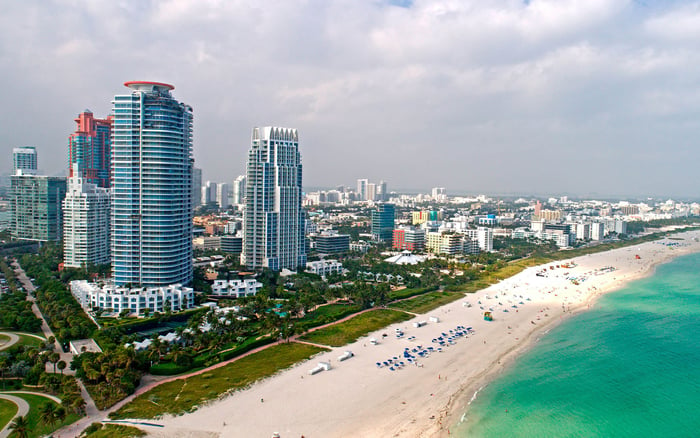
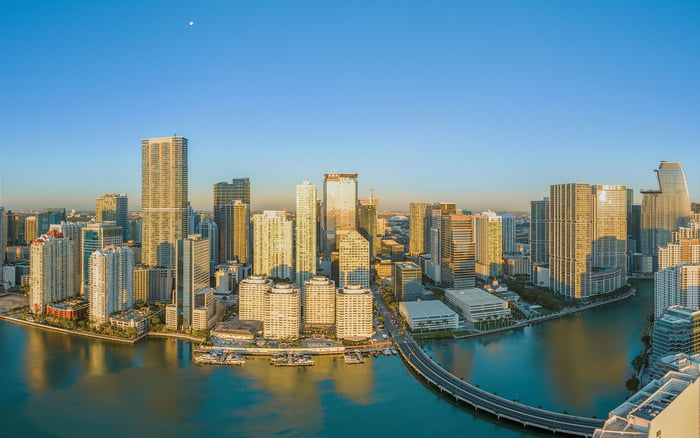
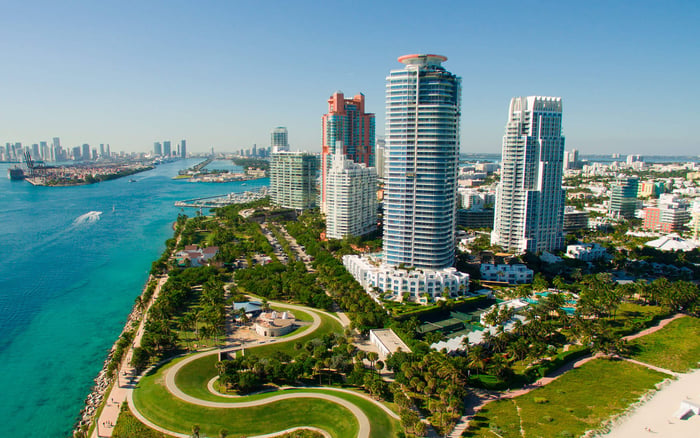
Miami tends to reward decisiveness. The market has multiple luxury submarkets, from Brickell to Miami Beach, Coconut Grove, Edgewater, Surfside, and beyond. A cash buyer can compare very different lifestyles within a relatively compact geography. One shortlist may include a high-floor urban residence, a beach-oriented pied-à-terre, and a quieter waterfront building with larger private outdoor space.
The opportunity in Miami is optionality. Buyers can pursue new construction, established resale, hotel-branded residences, boutique waterfront buildings, or full-service towers with substantial amenities. The challenge is noise. A cash buyer may gain access to more opportunities, but not every opportunity deserves equal attention.
The strongest Miami shortlist starts with use case. A primary resident may prioritize elevator privacy, parking ease, building financial health, and daily convenience. A second-home buyer may care more about services, lock-and-leave simplicity, and proximity to dining, culture, and the beach. An investment-minded buyer needs to think beyond presentation and consider rules, rental posture, operating costs, and future buyer depth.
Cash can help in Miami when timing is compressed. It can also help when sellers prefer a discreet, low-friction transaction. Still, the buyer should insist on careful review of building documents, assessments, reserves, insurance posture, and any rules that affect intended use.
Fort Lauderdale often attracts buyers who want luxury without constant spectacle. The city can suit those who value boating access, larger-feeling residential neighborhoods, beach proximity, and an easier daily rhythm. For cash buyers, the shortlist here often becomes more lifestyle-specific and less trophy-driven.
Instead of asking which building has the most recognizable name, the better question may be: which residence will be easiest to live in well? That includes arrival sequence, garage convenience, marina or water access where relevant, terrace usability, service culture, and the day-to-day experience of moving between home, beach, dining, and airport.
Cash liquidity can matter when a seller values confidence. In Fort Lauderdale, a buyer who can close cleanly may be especially attractive for properties where timing, simplicity, or certainty is important. But the buyer should not confuse a smoother transaction with a simpler asset. Waterfront and coastal condominiums still require close attention to maintenance history, building systems, and long-term cost visibility.
A refined Fort Lauderdale shortlist should be narrower than a Miami shortlist. Rather than sampling every luxury option, cash buyers are often better served by identifying the exact lifestyle lane: beachfront service, marina-adjacent living, boutique privacy, or a larger residence that functions almost like a home in the sky.
Palm Beach changes the psychology of the search. Here, liquidity may be expected rather than exceptional among top-tier buyers. The advantage of cash is therefore less about standing out broadly and more about being prepared when the right residence appears.
The shortlist should be edited with unusual discipline. In Palm Beach and nearby luxury enclaves, the best properties are often defined by fit: building culture, privacy, scale, exposure, service, and proximity to the buyer’s established routines. A residence can be objectively elegant and still be wrong for a specific buyer.
Cash can help a buyer act when a rare alignment emerges. But because scarcity can intensify emotion, pre-commitment to standards is essential. Before touring seriously, the buyer should define non-negotiables: minimum interior scale, acceptable renovation level, preferred exposure, parking needs, pet policies, terrace importance, and tolerance for future capital projects.
In this market, restraint is a form of strength. A cash buyer who can say no quickly is often better positioned than one who treats every limited offering as urgent. The shortlist should be short for a reason.
Across the three markets, liquidity should change the order of evaluation. A financed buyer may start with affordability and lender constraints. A cash buyer can start with asset quality, then decide whether the asking price and terms justify action.
The first test is building quality. Amenities matter, but governance, maintenance, insurance, reserves, and capital planning are equally important. The second test is floor plan integrity. In luxury condos, inefficient layouts can be more damaging than dated finishes, because finishes can be changed and structure often cannot. The third test is exposure. Light, view corridors, privacy, noise, and terrace depth all affect daily enjoyment and eventual resale.
The fourth test is exit logic. Even a long-term owner should understand who the next buyer might be. Is the residence attractive to a primary resident, seasonal owner, relocating executive, family, or global buyer seeking a serviced lifestyle? The fifth test is friction. Buildings with complicated access, restrictive policies, poor parking, or unclear renovation procedures may erode the advantage of a clean cash purchase.
A cash buyer should not ask which city is best. The better question is which city makes the capital feel most intelligently placed.
Miami suits buyers who want energy, architectural variety, cultural access, and a broad spectrum of luxury condominium formats. It can be especially compelling for buyers who value optionality and may want to compare several distinct lifestyles before committing.
Fort Lauderdale suits buyers who want refinement with less intensity. It may appeal to those who want water, boating, beach access, and urban convenience in a more relaxed frame. The shortlist should focus on ease of use and long-term livability.
Palm Beach suits buyers who prioritize discretion, social fit, and scarcity. The best approach is patient, precise, and highly edited. Liquidity helps most when the buyer already knows what is acceptable and can act without hesitation.
Ultimately, cash-buyer liquidity should not expand the shortlist endlessly. It should make the shortlist more selective. The buyer with the greatest freedom also has the greatest responsibility to define value before the market defines urgency.
Does being a cash buyer guarantee a better condo price? No. Cash can improve certainty and negotiation posture, but price still depends on the seller’s priorities, property quality, and market context.
Should cash buyers still conduct full due diligence? Yes. Liquidity should never replace review of building documents, financials, rules, insurance posture, assessments, and physical condition.
Is Miami better for cash buyers than Fort Lauderdale or Palm Beach? Not universally. Miami offers more variety, Fort Lauderdale may offer calmer livability, and Palm Beach often emphasizes scarcity and discretion.
How should a cash buyer define a condo shortlist? Start with intended use, then filter by building quality, floor plan, exposure, service level, rules, and resale logic.
Can cash help in a competitive situation? Yes. A clean offer with reliable proof of funds, thoughtful timing, and limited contingencies can be attractive to sellers.
Should cash buyers consider financing later? Some buyers choose to purchase with cash and evaluate financing afterward, but that decision should be aligned with broader wealth planning.
What matters most in a luxury condo building? Beyond design and amenities, buyers should assess governance, maintenance culture, privacy, access, reserves, and long-term cost visibility.
Is new construction always the best choice for cash buyers? No. New construction can offer modern design and services, while resale may offer established operations, proven views, and immediate use.
How does investment thinking affect the shortlist? It adds discipline around rental rules, buyer depth, operating costs, future supply, and the likely audience for resale.
What is the biggest mistake cash buyers make? The most common mistake is treating speed as strategy rather than using liquidity to secure the right residence on intelligent terms.
For a confidential assessment and a building-by-building shortlist, connect with MILLION.
If branded residences are on your mind — as a home or as an allocation — we would be glad to share what we are seeing, privately.
Begin a quiet conversation