A buyer-focused underwriting guide comparing Armani Casa Residences Pompano Beach with La Baia North Bay Harbor Islands across amenity density, elevator friction, operating complexity, and owner governance.
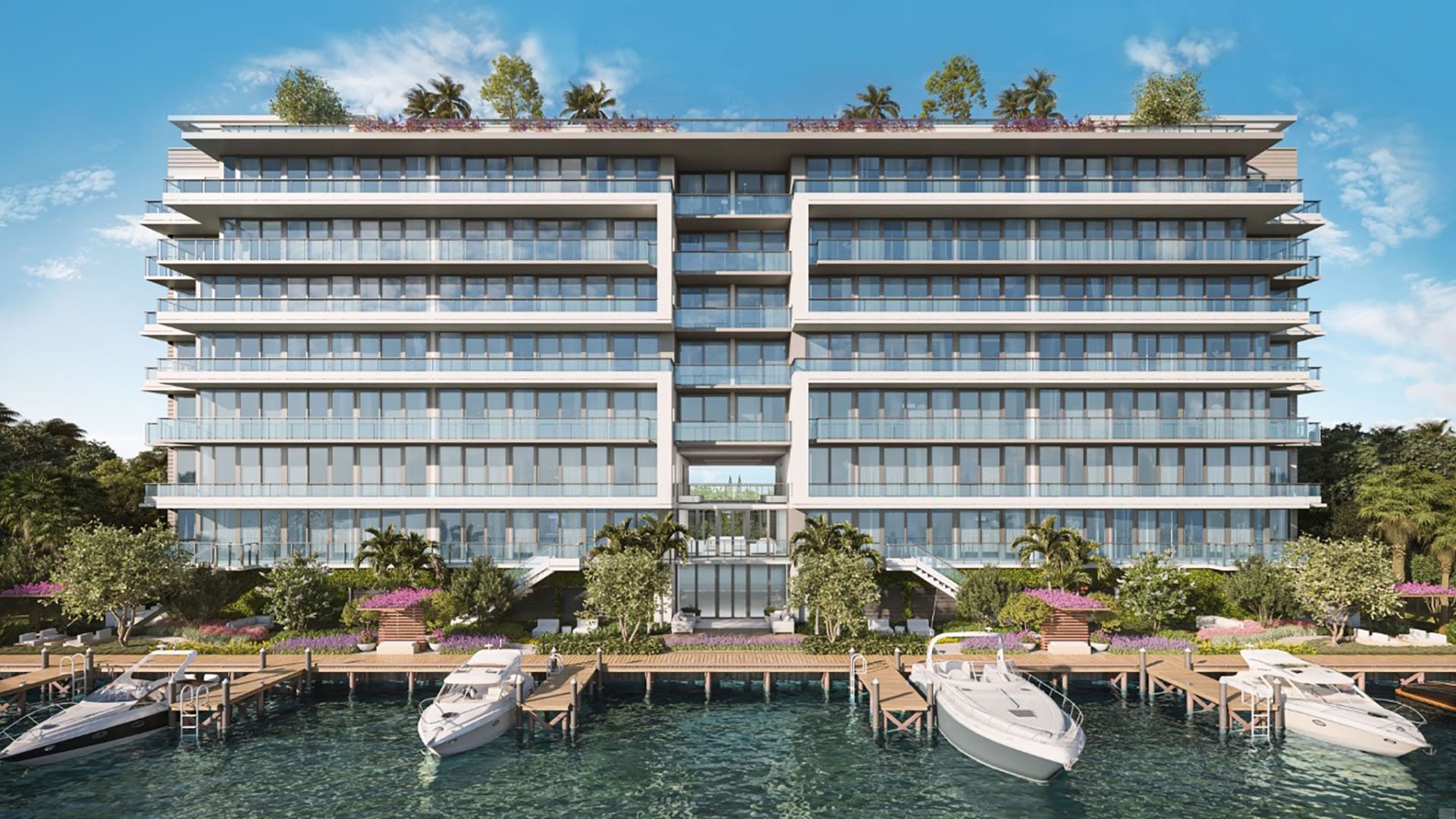
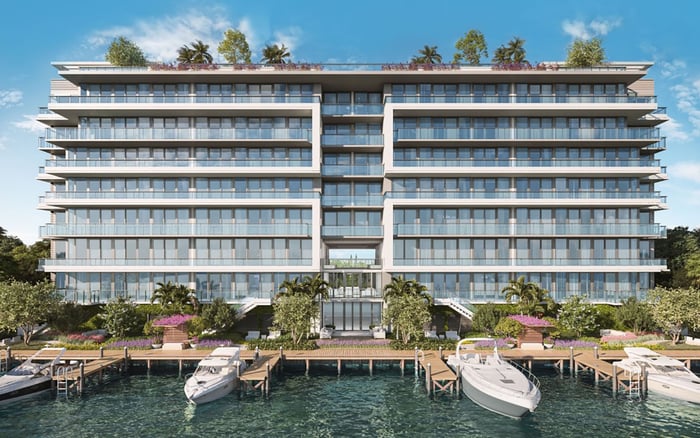
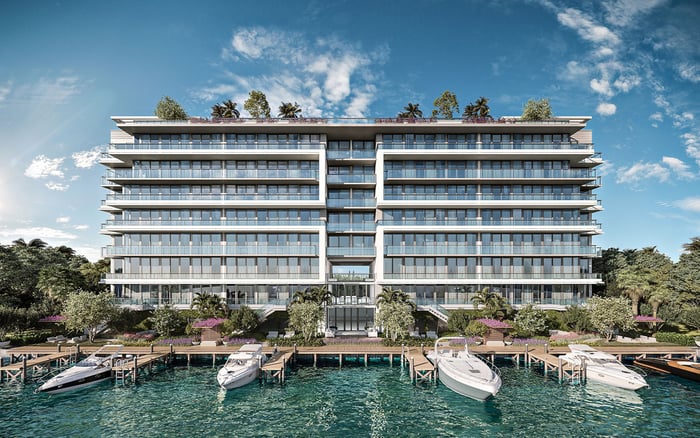
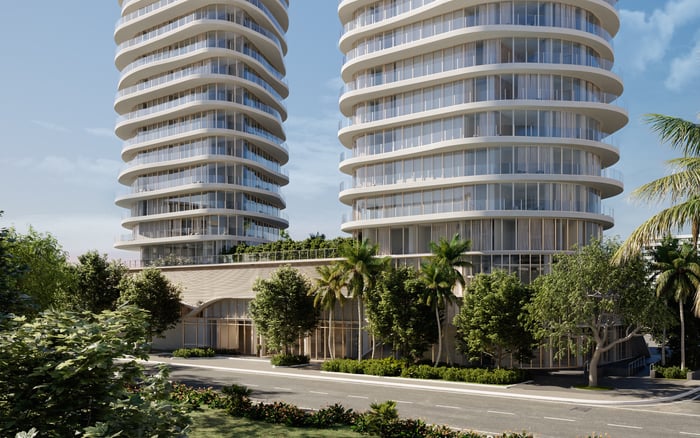
Armani Casa Residences Pompano Beach vs La Baia North Bay Harbor Islands is not a simple contest between two luxury addresses. It is a study in two distinct ownership experiences. One side offers a branded, design-led high-rise model, with the promise of scale, views, services, and a broader amenity environment. The other is a boutique waterfront alternative in Bay Harbor Islands, where lower density, simpler movement through the building, and a more concentrated owner base may matter just as much to the right buyer.
For a South Florida purchaser, the question is not only what the residence looks like on day one. It is how the building lives at 8:30 a.m., during a holiday weekend, after a major storm season, through a board transition, and five years into ownership, when service quality, reserves, and resale depth often matter more than presentation.
This is where underwriting becomes personal. Armani Casa Residences Pompano Beach asks the buyer to determine whether a brand premium is supported by durable views, amenity execution, staffing quality, and long-term demand in Broward. La Baia North Bay Harbor Islands asks a different question: does a lower-rise, lower-density building create a more private, owner-directed daily rhythm?
In a branded high-rise, amenity breadth can be compelling. The work is separating the beauty of the amenity package from the practical question of access. Armani Casa Residences Pompano Beach should be analyzed as the higher-density, amenity-rich side of this comparison. That does not make it weaker. It means the buyer must test whether the scale of the common areas, staffing, and operating budget are proportionate to the resident base.
The cleanest approach is ratio-based. Ask for amenity square feet per residence, residences per pool, residences per fitness facility, staff per residence, and HOA cost per square foot. A project can have a sophisticated amenity program and still feel strained if key spaces become crowded at the same hours. Conversely, a smaller amenity plan can feel generous when the resident count is limited and the building is well managed.
For La Baia North Bay Harbor Islands, the underwriting emphasis shifts toward privacy and owner concentration. A smaller resident base may improve day-to-day access to common areas, especially when there are fewer competing resident, guest, staff, and vendor movements. For a Bay Harbor buyer who values quiet arrival, familiar faces, and predictable access, that may be more important than a longer amenity menu.
The premium buyer should not ask, “Which building has more?” The sharper question is, “Which building gives me more usable access to what I will actually use?”
Elevator performance is one of the most under-discussed variables in luxury condominium underwriting. In a high-rise branded tower, amenity programming can increase vertical circulation because residents, guests, staff, vendors, deliveries, move-ins, and service teams may share overlapping movement patterns. Even when a lobby feels serene, the system behind it can become stressed during peak periods.
For Armani Casa Residences Pompano Beach, buyers should request or model residents per cab, average interval, handling capacity, service-car availability, and likely peak-period wait times. The final condominium documents should be reviewed for unit count, floor count, cab count, elevator zoning, and service-elevator separation. Loading-dock design and delivery rules also matter, because a beautiful residential elevator system can be compromised when service use is not properly separated and scheduled.
La Baia North Bay Harbor Islands should be analyzed for simpler circulation. Lower density can reduce friction, particularly when there are fewer staff and vendor movements. That does not eliminate the need for diligence. A boutique building still needs resilient elevator operations, clear move-in rules, and a practical service protocol. But the baseline risk is different because fewer residences typically mean fewer simultaneous demands on the vertical system.
For ultra-premium buyers, elevator wait time is not a minor inconvenience. It is part of the daily quality of ownership. The highest-value residence can feel diminished if arrival, departure, deliveries, and guest access are consistently inefficient.
Owner control is often invisible during the sales process, yet it can shape the entire ownership experience. La Baia North’s boutique profile makes this especially important. Buyers should review declaration rights, board turnover timing, rental rules, reserve policy, amendment thresholds, and any developer-retained rights that could affect decision-making after closing.
This is not merely legal housekeeping. Governance determines how budgets are set, how reserves are funded, how special assessments are approached, and how much discretion owners truly have once the building matures. A smaller ownership group can make governance feel more direct, but it can also concentrate financial responsibility among fewer owners. That is why reserve funding and shared-facility obligations deserve particular attention.
Armani Casa Residences Pompano Beach has a different governance profile to study. A fuller service model can mean greater operational complexity, including staffing, maintenance, insurance, reserves, common-area replacement, and brand-sensitive service expectations. These items can support a compelling lifestyle, but they must be underwritten as recurring costs rather than presentation features.
Investment discipline begins with the documents. Before assuming a branded tower will command superior resale or that a boutique building will be easier to govern, the buyer should study the condominium declaration, proposed budget, management structure, and rules governing rentals, alterations, deliveries, pets, amenities, and board authority.
The central tradeoff is clear. Armani Casa Residences Pompano Beach offers the branded, design-led, higher-density model, where scale, views, service, and amenity breadth may create a powerful ownership proposition. The underwriting burden is to confirm that the brand premium is supported by the building’s physical and operational realities.
La Baia North Bay Harbor Islands represents the lower-density waterfront alternative, where privacy, simpler circulation, and potentially more direct owner governance may define the experience. The underwriting burden is to confirm that the boutique scale is matched by strong documents, appropriate reserves, and clear owner protections.
Neither profile is inherently superior. The better fit depends on the buyer’s tolerance for operational complexity, desire for amenity programming, sensitivity to monthly costs, and preference for governance style. A buyer seeking a highly serviced, visually branded environment may accept more complexity if the execution is strong. A buyer seeking discretion, ease, and a calmer building rhythm may prefer the boutique model.
For waterfront buyers, the most durable decision is often the one that balances emotion with operating reality. Views, finishes, and arrival sequence create the first impression. Elevator performance, amenity access, reserves, and board control determine the long-term ownership experience.
Before proceeding, buyers should request final unit count, amenity square footage, elevator configuration, service-elevator access, loading-dock rules, draft operating budgets, reserve assumptions, rental restrictions, board turnover language, and any shared-facility obligations. They should also ask how peak elevator demand is handled during holidays, events, move-ins, and high delivery periods.
Monthly cost should be treated as a living number, not a static line item. In amenity-rich buildings, staffing, insurance, maintenance, replacement cycles, and reserves can materially influence ownership cost. In boutique buildings, fewer owners may mean a more intimate environment, but also a smaller base across which certain expenses are shared.
The most refined underwriting does not chase the longest amenity list or the smallest building. It identifies the building whose structure, systems, documents, and culture best match the way the owner actually intends to live.
Is Armani Casa Residences Pompano Beach the more amenity-driven option? Yes. It should be underwritten as the branded, higher-density, amenity-rich side of the comparison.
Is La Baia North Bay Harbor Islands the more boutique option? Yes. It is framed as the lower-rise, lower-density waterfront alternative with a more owner-centric feel.
Why does amenity density matter? Amenity density shows whether the amenity program is likely to feel generous or strained in daily use.
What elevator metrics should buyers review? Buyers should study residents per cab, average interval, handling capacity, service-car access, and peak wait times.
Can a high-rise have more elevator friction? Yes. More residences, staff, guests, vendors, and deliveries can increase vertical circulation demand.
Does boutique scale eliminate elevator risk? No. It may reduce friction, but buyers should still review cab count, service rules, and move-in procedures.
Why is owner control important at La Baia North? Smaller buildings make governance details, reserve policy, rental rules, and amendment thresholds especially meaningful.
What should Armani Casa buyers verify in documents? They should verify final unit count, amenity square footage, elevator configuration, and service separation.
Which is better for long-term resale? The stronger resale case depends on execution, views, service quality, operating costs, and buyer demand at the time of sale.
How should buyers choose between the two? Choose the risk profile that matches your lifestyle: branded-service complexity or boutique-control simplicity.
To compare the best-fit options with clarity, connect with MILLION.
If branded residences are on your mind — as a home or as an allocation — we would be glad to share what we are seeing, privately.
Begin a quiet conversation