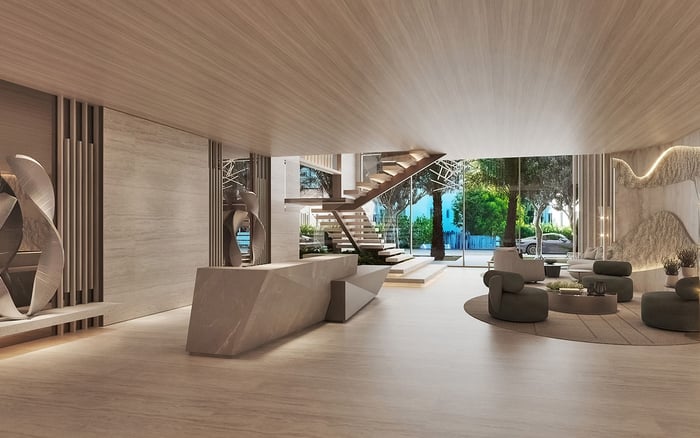
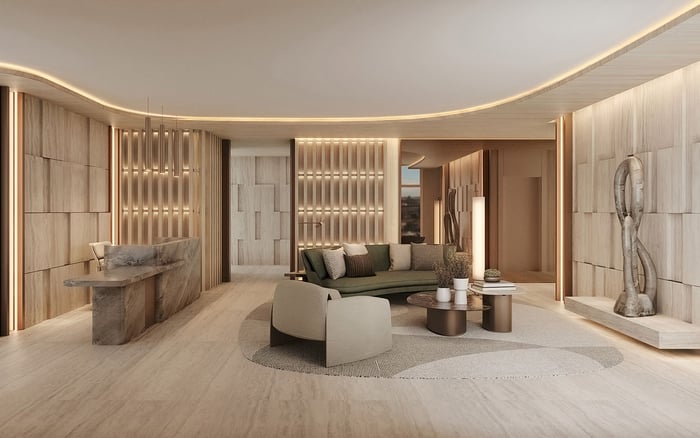
A discreet 2026 buyer framework for evaluating Alana, La Baia North, and La Maré in Bay Harbor Islands through private amenities, club-access claims, and daily livability.
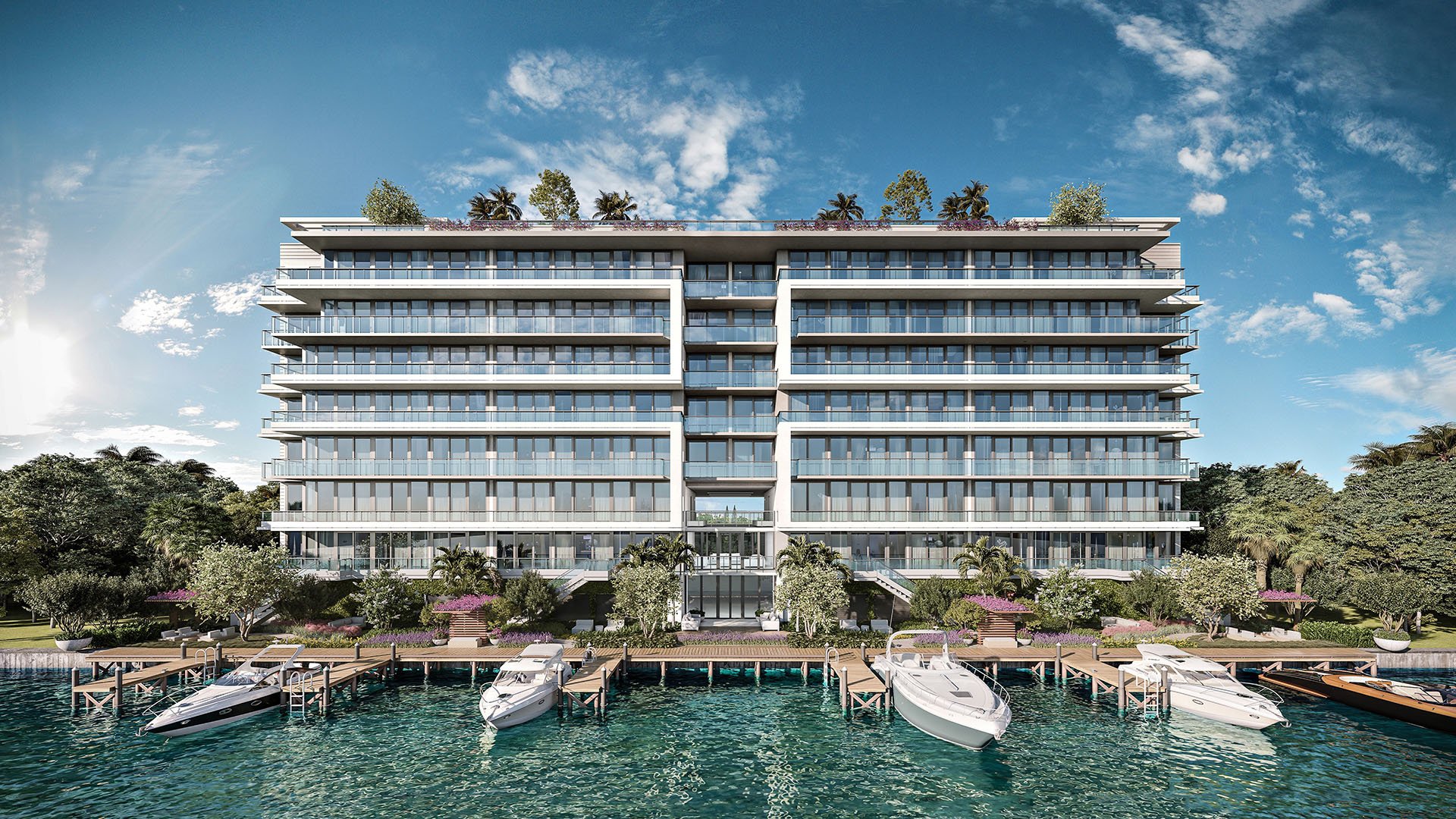
Bay Harbor Islands moves at a different tempo than the more vertical, high-volume luxury corridors of Greater Miami. The market is more intimate, more residential, and often more nuanced. For 2026 buyers comparing Alana Bay Harbor Islands, La Baia North Bay Harbor Islands, and La Maré Bay Harbor Islands, the question is not simply which building offers the most polished amenity language. The more valuable question is how each condominium will actually live once the purchase contract is signed.
That distinction matters because this is a boutique decision as much as a luxury one. The appeal is not limited to privacy, design, water proximity, or scale. It rests on whether the building’s private amenity program, any separate club-access narrative, and the surrounding neighborhood rhythm align with a buyer’s weekly routine. In Bay Harbor Islands terms, the strongest choice may be the one that feels quietest on paper but proves most useful in daily life.
This comparison is best read through the eyes of end users and long-term holders making multi-million-dollar commitments. Short-term amenity rankings can blur the differences between projects. A more disciplined due-diligence lens separates what is owned, what is shared, what is promised, what is documented, and what will still matter five years into ownership.
Private in-building amenities should be analyzed as part of the core ownership experience. These are the spaces and services a resident expects to access by virtue of living in the condominium, subject to final condominium documents, rules, budgets, hours, reservation systems, guest policies, and maintenance standards. For Alana Bay Harbor Islands, La Baia North Bay Harbor Islands, and La Maré Bay Harbor Islands, the essential buyer test is not whether the amenity list sounds complete. It is whether the program fits the owner’s actual daily use.
A lap in the pool before school drop-off, a quiet lounge for a short meeting, a fitness space that eliminates a separate gym drive, or a private place to host visiting family can all be meaningful. Each, however, should be tested practically. How many residences share the amenity? Are there reservation systems? Are guests allowed? How does staffing support the experience? Which costs are embedded in association fees, and which remain outside the association structure?
Club access, when presented in any luxury condominium context, requires its own review. It should not be treated as interchangeable with private building amenities. A club relationship may be valuable, but buyers should evaluate its type, reliability, transferability, duration, cost, restrictions, and practical relevance. A club that sounds impressive in a sales conversation may be less useful if access is limited, dependent on third-party terms, or misaligned with how the household spends its time.
Alana Bay Harbor Islands belongs in the boutique Bay Harbor Islands luxury condominium conversation rather than a large-scale Miami high-rise frame. That context should shape the buyer’s questions. Instead of asking whether Alana feels more dramatic than a tower in another neighborhood, the more disciplined inquiry is whether its private amenity program supports a quieter, more residential pattern of ownership.
For an end user, that means mapping the building against ordinary days. Is the household likely to use the private spaces in the morning, at night, on weekends, or primarily when guests arrive? Does the building’s scale support the level of privacy the buyer wants? Does the amenity program reduce friction, or does it simply duplicate services the owner already uses elsewhere?
For an investment-minded long-term holder, Alana’s evaluation should also consider how durable the lifestyle proposition feels. Boutique luxury can age well when daily convenience, privacy, and neighborhood fit remain consistent. Buyers should still verify the operating documents, use rules, budgets, and any current developer materials before relying on amenity assumptions.
La Baia North Bay Harbor Islands should also be understood as part of the boutique condominium market in Bay Harbor Islands, not as a substitute for a large urban resort tower. The buyer’s due diligence should focus on the relationship between privacy, amenity utility, and neighborhood access.
The central question is practical: which parts of the private amenity program would become part of the resident’s week? Some owners value quiet, controlled shared spaces more than a long roster of features. Others want the building itself to carry a broader lifestyle load. La Baia North should be evaluated by how clearly its amenities support the specific buyer’s habits, not by how easily its materials compare with a competing brochure.
Any external-access or club-style claim should be separated from the building’s private offering. Buyers should ask whether the benefit is documented, whether it is automatic or conditional, whether it carries additional cost, and whether it would matter if the ownership plan shifted from full-time residence to seasonal use. The point is not skepticism for its own sake. It is to place each benefit in the correct category before assigning value.
La Maré Bay Harbor Islands completes the 2026 comparison set with the same need for careful separation between private amenities, possible external privileges, and neighborhood rhythm. Its boutique context is central. Buyers considering La Maré should avoid importing expectations from larger Miami condominium formats and instead ask how the project’s private experience would support a more composed Bay Harbor Islands lifestyle.
For some households, the best amenity is one that is close, uncrowded, and easy to use without planning. For others, the value lies in entertaining, wellness, water-oriented relaxation, or the feeling of having a private residential setting that remains connected to the wider Miami Beach and Bal Harbour orbit. La Maré should be judged by the owner’s pattern, not by generic luxury vocabulary.
Club-access language, if raised in the purchase process, should be tested for legal and practical strength. Is it a membership, a preferred relationship, an invitation pathway, or something else entirely? Can it change? Does it survive resale? Does it apply to family members or guests? Those answers may materially affect perceived value, particularly for buyers comparing buildings at similar price levels.
Bay Harbor Islands due diligence cannot stop at the lobby. The neighborhood rhythm test should include schools, dining, walkability, and traffic. These variables are not peripheral. They often determine whether a residence feels elegant in real life or merely attractive during a showing.
For families, school logistics may shape morning and afternoon routines. For seasonal owners, dining and walkability can influence whether the home feels effortless without constant car dependence. For buyers moving between Miami Beach, Bal Harbour, Surfside, and the mainland, traffic patterns around bridges and peak-hour circulation should be experienced in person, not imagined from a map.
This is where Bay Harbor Islands can be especially compelling. The district offers a residential cadence that appeals to buyers seeking proximity without constant intensity. Still, each household should test the routes it will actually use. A buyer who values quiet evenings may reach a different conclusion than one who prioritizes immediate access to restaurants, schools, or cross-causeway movement.
A sophisticated comparison does not need to force Alana, La Baia North, and La Maré into a single universal winner. Each should be measured against a buyer profile. The full-time resident may prioritize day-to-day convenience, operating clarity, and quiet amenity access. The seasonal owner may value lock-and-leave ease, guest accommodation, and proximity to dining. The long-term holder may focus on durability of neighborhood demand, building governance, and the credibility of the amenity proposition.
The better exercise is to create three columns: private amenities, external or club-related access, and neighborhood rhythm. Under each column, buyers should record what is documented, what is assumed, and what still needs confirmation. If a benefit is not clearly established in the documents that govern ownership, it should be treated as a possible lifestyle enhancement rather than a core value driver.
The result is a calmer, more accurate purchase decision. These projects sit within a desirable boutique market, but their differences will matter most at the level of actual use. A buyer who understands that distinction is far less likely to overpay for language and far more likely to select the residence that remains satisfying through changing seasons of ownership.
Are Alana, La Baia North, and La Maré comparable projects? Yes. They are part of the same 2026 Bay Harbor Islands condo comparison set, but each should be evaluated through its own documents and daily-use profile.
Should buyers treat club access as part of the condominium amenities? No. Private building amenities and any club-access claim should be reviewed separately because they may have different terms, costs, and reliability.
What is the most important amenity question for Alana Bay Harbor Islands? The key question is how its private amenity program fits the owner’s real daily routine rather than how it reads in isolation.
What is the most important amenity question for La Baia North Bay Harbor Islands? Buyers should test whether the private amenities support their household’s weekly habits and whether any external access is clearly documented.
What is the most important amenity question for La Maré Bay Harbor Islands? Buyers should ask how the building’s private offering and any separate access claims translate into practical value over time.
Why does boutique scale matter in Bay Harbor Islands? Boutique scale can support privacy, calm, and residential intimacy, but buyers should verify how the building will operate in practice.
What neighborhood factors should buyers test before committing? Schools, dining, walkability, and traffic should all be tested around the buyer’s actual schedule and routes.
Is this comparison mainly for investors or end users? It is most relevant for end users and long-term holders evaluating lifestyle durability rather than headline amenities alone.
Can amenity promises change before or after delivery? Details can depend on final documents, budgets, rules, contracts, and developer materials, so buyers should confirm every material point.
What is the best way to choose among the three? Compare documented private amenities, any external access, and neighborhood rhythm against the way the household will truly live.
For a discreet conversation and a curated building-by-building shortlist, connect with MILLION.
If branded residences are on your mind — as a home or as an allocation — we would be glad to share what we are seeing, privately.
Begin a quiet conversation