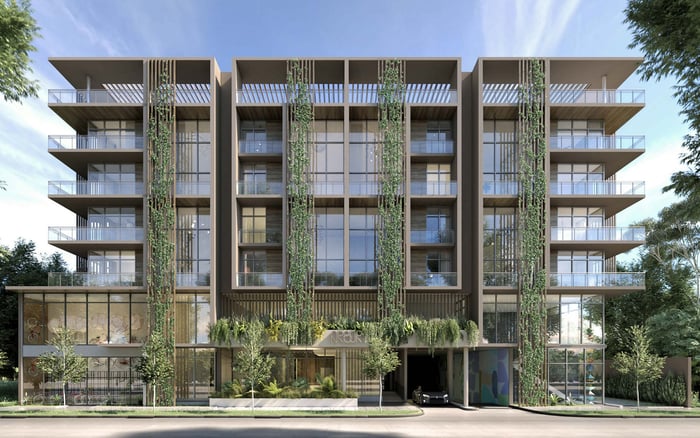
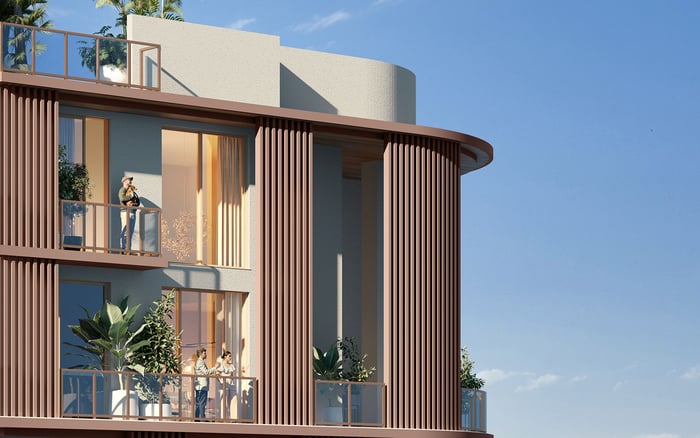
A practical editorial guide for Arbor Coconut Grove owners considering pergolas, awnings, cabanas, and other shade systems for private outdoor living areas.
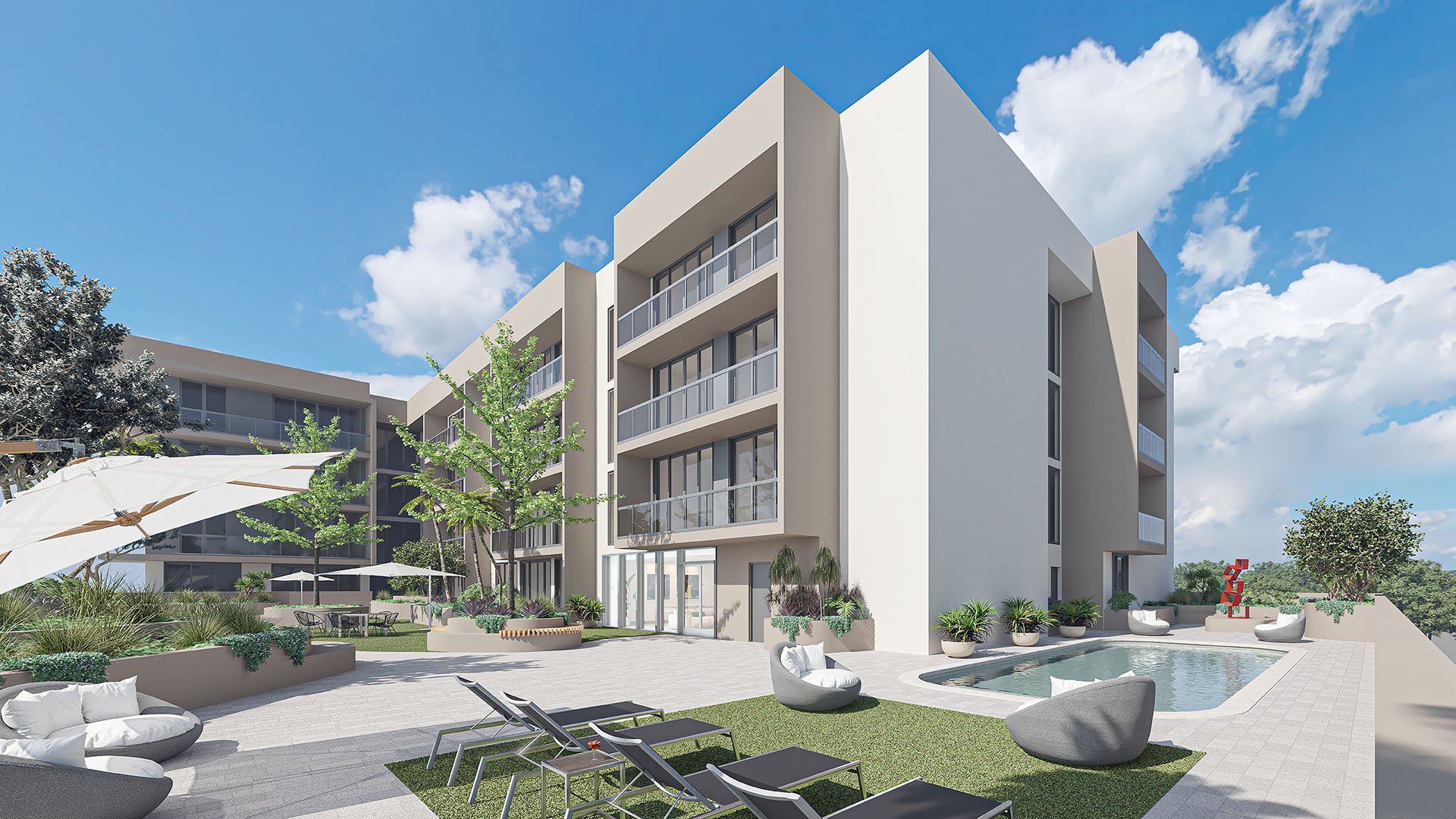
At Arbor Coconut Grove, shade is not a decorative afterthought. It is central to how a full-time owner experiences the residence, especially in a boutique Coconut Grove condominium where private outdoor areas carry real daily value. Balconies, terraces, rooftops, and patios function less as occasional appendages and more as open-air rooms connected to the home.
That distinction matters. A seasonal owner may notice glare during a holiday stay or heat over a long weekend. A year-round resident lives with those conditions through morning coffee, remote work, evening dining, summer rain, privacy considerations, and the long-term maintenance of anything placed outside. Shade becomes a matter of comfort, design, association compliance, and, eventually, resale.
The better owner mindset is not simply, “Would this look beautiful?” It is, “Can this be approved, installed, maintained, insured, and transferred cleanly when the property is sold?” That threshold separates an attractive outdoor idea from a durable ownership decision.
Arbor’s Coconut Grove setting supports an indoor-outdoor way of living. The appeal is not only the residence itself, but the way private exterior areas can extend daily routines into shade, greenery, air, and filtered light. In that context, a balcony or terrace can become a breakfast room, reading room, work-break area, entertaining edge, or quiet evening retreat.
Because these spaces carry real residential purpose, shade planning deserves early and careful attention. A loose umbrella, movable planter, or freestanding lounge chair is very different from an attached pergola, fixed awning, cabana structure, or exterior shade system. The former typically reads as furniture. The latter may affect exterior appearance, attachment points, drainage, wind exposure, maintenance responsibility, and the building’s visual rhythm.
For a boutique building such as Arbor Coconut Grove, small exterior choices can feel more visible. A mismatched canopy, heavy frame, or improvised attachment may appear minor from one residence yet disrupt the collective architectural character. The goal is not to overregulate taste. It is to protect the building’s design language while allowing owners to enjoy outdoor space intelligently.
Owners considering a shade structure should begin with the assumption that permanent or attached exterior additions are approval-sensitive. That is especially true when the proposed feature touches the building envelope, changes the exterior profile, affects a limited common element, or becomes visible from neighboring residences and shared areas.
A practical review usually starts with the condominium association. Owners should understand what the governing documents, rules, architectural standards, or alteration policies require before ordering materials or hiring an installer. Even when an idea seems modest, the association may need to review dimensions, materials, color, method of attachment, drainage impact, maintenance responsibility, and consistency with the building’s overall residential character.
The second layer is technical. Exterior systems in South Florida demand caution because sun, wind, rain, corrosion, and exposure can test materials quickly. Owners should not assume that a shade product suitable for a suburban patio is automatically appropriate for a condominium terrace or rooftop condition. Installation details matter as much as the product itself.
The third layer is future transferability. A buyer will want confidence that any exterior addition was properly approved and maintained. If a shade system lacks documentation, appears inconsistent with association standards, or creates uncertainty about removal or repair, it can become a negotiation issue. Good paperwork is part of good design.
The vocabulary of shade can sound simple, but each option raises different approval questions. A pergola may offer architectural presence and filtered light, yet its structure may be more complex than a fabric solution. An awning can soften glare and improve comfort, but its mechanism, color, projection, and attachment method may require review. A cabana can create privacy and hospitality value, but it may be treated differently depending on whether it is movable, fixed, fabric-based, or framed.
Other exterior shade systems, including screens, sails, louvered elements, or retractable solutions, should be evaluated through the same lens. Does the system alter how the building looks from outside? Does it attach to exterior walls, ceilings, railings, slab edges, or other shared components? Can it withstand regular exposure? Who maintains it? Can it be removed without damaging finishes? These questions are not obstacles to luxury living. They are the infrastructure of living well in a condominium environment.
Owners should also consider proportion. A refined shade solution should feel integrated with Arbor’s greenery and residential character, rather than imposed on it. The most successful upgrades tend to look quiet, intentional, and consistent. They improve comfort without calling undue attention to themselves.
Full-time ownership changes the calculus. An owner in residence throughout the year experiences heat, glare, afternoon storms, humidity, and privacy conditions repeatedly. A terrace that is magnificent at sunset may be difficult at midday without shade. A rooftop or patio that photographs beautifully may be uncomfortable for ordinary use if sun exposure is unmanaged.
That does not mean every outdoor area needs a built structure. Movable furnishings, umbrellas, landscape elements, or textile choices may solve much of the problem with fewer approval complications. But for owners who want a more permanent solution, the decision should be deliberate. The more attached, visible, or structural the shade element becomes, the more important the approval path becomes.
There is also a lifestyle consideration. Full-time residents often use outdoor areas in smaller, more frequent moments rather than only during entertaining. Ten minutes of shade in the morning, a protected lunch hour, or a dry corner during a passing rain shower can matter more than dramatic design. Comfort accumulates.
Before commissioning a shade feature, owners should clarify several practical points. First, determine whether the proposed item is considered furniture, a removable accessory, or an alteration. That classification can change the review process. Second, ask what drawings, product specifications, color samples, installation methods, and contractor information may be needed. Third, confirm whether the association requires approval before deposits are paid or work is scheduled.
Owners should also address maintenance from the beginning. Fabric may fade, frames may weather, fasteners may corrode, and mechanisms may require service. If a system creates staining, noise, drainage problems, or damage, the owner may be expected to correct it. A well-designed shade feature should be easy to maintain, not merely attractive on installation day.
Finally, owners should keep every approval, drawing, invoice, warranty, and maintenance record. For a future sale, this archive can help demonstrate that the outdoor improvement was handled responsibly. In a luxury condominium, clarity is a form of value.
The most elegant shade solution at Arbor is likely the one that feels inevitable. It respects the architecture, belongs to the private outdoor room, performs in daily weather, and avoids unnecessary association friction. It is not louder than the residence. It simply makes the residence more usable.
For full-time owners, shade planning should be viewed as part of stewardship. A pergola, awning, cabana, or exterior system can enhance privacy, soften heat, protect daily routines, and improve the livability of a cherished outdoor space. But the approval pathway is not a formality. It is the difference between an improvement that supports ownership and an addition that complicates it.
At Arbor, the better question is not whether shade is desirable. For many full-time owners, it clearly can be. The better question is how to achieve it in a way that remains refined, compliant, maintainable, and aligned with the building’s Coconut Grove character.
Can Arbor owners assume a pergola is allowed? No. A permanent or attached pergola should be treated as approval-sensitive unless the association documents clearly allow it.
Are movable umbrellas easier than fixed shade systems? Often, yes. Movable furnishings generally raise fewer concerns than attached structures, though owners should still confirm applicable rules.
Why does shade matter more for full-time owners? Full-time residents experience heat, glare, rain, privacy, and maintenance conditions consistently, not just during occasional visits.
Could a shade structure affect resale? Yes. Buyers may ask whether the feature was approved, maintained, and transferable without association issues.
What should owners review first? Owners should begin with association rules, alteration procedures, and any architectural standards that govern exterior appearance.
Are awnings simpler than cabanas? Not necessarily. Awnings can still involve attachment, visibility, color, projection, and maintenance questions.
Should owners order materials before approval? That is risky. Approval should be addressed before deposits, fabrication, or installation scheduling.
Do shade choices need to match Arbor’s design character? Yes. A successful shade solution should respect the building’s architecture, greenery, and residential tone.
What records should owners keep? Keep approvals, drawings, specifications, invoices, warranties, and service records for future reference and resale clarity.
Is this legal advice? No. Owners should consult the appropriate association, design professionals, contractors, and legal advisers for their specific situation.
For a tailored shortlist and next-step guidance, connect with MILLION.
If branded residences are on your mind — as a home or as an allocation — we would be glad to share what we are seeing, privately.
Begin a quiet conversation