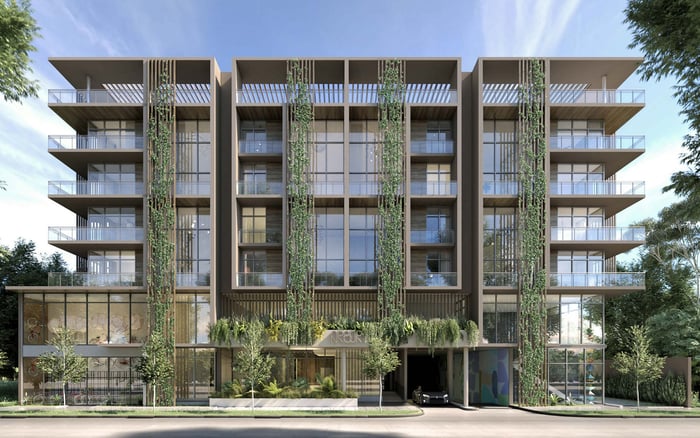
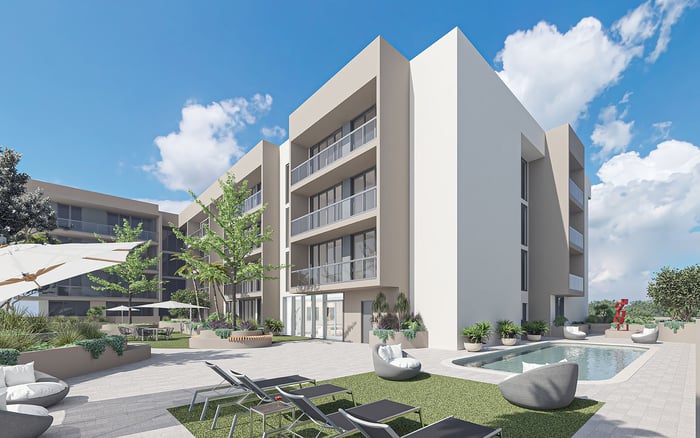
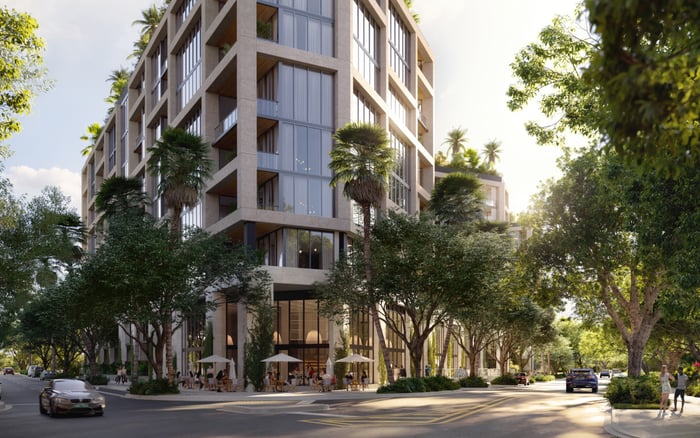
A buyer-focused 2026 due-diligence guide for evaluating terrace drainage at Arbor Coconut Grove, with practical review points for design intent, waterproofing, maintenance, and long-term ownership confidence.
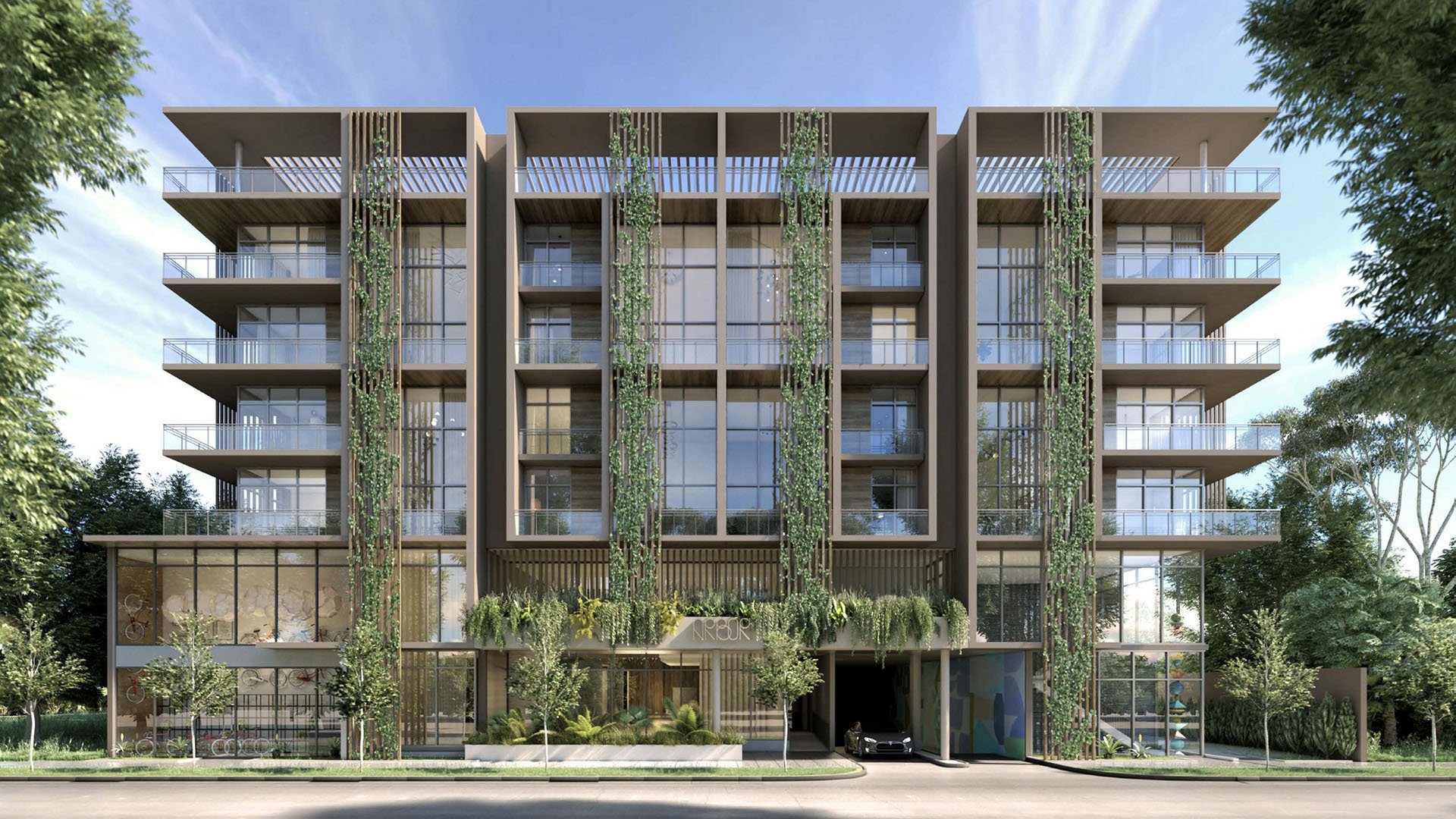
At Arbor Coconut Grove, the terrace is more than an outdoor room. It is the threshold between architecture, landscape, weather, privacy, and daily ritual. In South Florida, that threshold must be beautiful, but it must also be disciplined. For a 2026 buyer, terrace drainage belongs near the top of the due-diligence file, alongside title review, association documents, insurance, finish schedules, and mechanical systems.
The promise of indoor-outdoor living can draw attention to views, furniture layouts, planters, summer kitchens, and the pleasure of shaded morning coffee. Those details matter. Yet water management determines whether the terrace remains graceful over time. Standing water, poorly coordinated thresholds, blocked drains, inadequate slope, or unclear maintenance obligations can turn a coveted outdoor space into a recurring concern.
For a buyer comparing new-construction boutique residences, Arbor Coconut Grove sits within a broader Coconut Grove lifestyle conversation where terrace and balcony performance can be as consequential as interior finish. The strongest review is not adversarial. It is calm, specific, and documented.
Luxury buyers often read a terrace visually: the tile, railing, planting edge, exposure, and relationship to the living room. A more complete review begins beneath that surface. The terrace should be understood as a layered assembly that may include the structural deck, waterproofing, protection board, drainage plane, setting bed, finished surface, scuppers or drains, perimeter detailing, and door thresholds.
Ask the right professionals to identify what carries water away, what keeps water out, and who maintains each component after closing. The surface finish may appear perfectly level, but proper drainage usually relies on subtle slope. That slope should direct water toward intended collection points rather than door tracks, planter bases, wall intersections, or low corners.
The point is not to assume that a premium residence automatically resolves every field condition. Even the most elegant terrace should be checked for practical performance. Where does rain go during a heavy afternoon storm? What happens when leaves collect near a drain? Are overflow routes visible or concealed? Can the owner access relevant cleanout points without disturbing finishes?
Before a buyer becomes attached to a specific residence, the terrace file should be assembled. Request available plans or diagrams showing terrace drains, slopes, waterproofing limits, finished floor transitions, railings, planters, and any penetrations for lighting, irrigation, or outdoor kitchens. If full technical drawings are not available to the buyer, ask for the clearest permitted documentation that can be shared.
The goal is to establish design intent. Documentation should answer whether the terrace is drained by area drains, scuppers, trench drains, or another method. It should also clarify whether planter zones are integrated into the waterproofing strategy or treated separately. If exterior appliances, gas, water, or electrical features are contemplated, the buyer should understand whether those additions are included, allowed, or subject to later approval.
Association materials deserve equal attention. A terrace may feel private, but maintenance responsibility can be divided among the owner, association, developer, or vendors depending on the governing documents. Buyers should review who is responsible for drain cleaning, waterproofing repairs, finish replacement, irrigation issues, and damage caused by owner-installed improvements.
A fair-weather showing is useful for atmosphere, but drainage is best evaluated with weather patterns in mind. If possible, review the terrace after rainfall or ask direct questions about observed water movement. Look for discoloration, persistent damp areas, mineral deposits, loose pavers, swollen wood elements, staining at walls, or water tracks near thresholds.
Door transitions are especially important. The elevation difference between interior floor and exterior terrace should be examined carefully. A low threshold may feel seamless and luxurious, but the detailing must still manage wind-driven rain. Buyers should ask how water is kept from reaching interior flooring and whether door tracks are designed for the exposure.
Corners are equally revealing. Water often exposes weaknesses where walls, railings, drains, and finish transitions meet. A terrace that drains evenly should not depend on the owner pushing water toward an outlet after every storm. The more complex the terrace, the more important the inspection becomes.
Coconut Grove buyers often value softness: greenery, shade, layered planting, and a sense of enclosure. That landscape character is part of the neighborhood’s identity. On a private terrace, however, planters introduce weight, irrigation, root behavior, drainage needs, and maintenance access.
If the residence includes or permits planters, buyers should understand whether they are built-in or movable, whether irrigation is included, how excess water drains, and whether waterproofing is protected from root intrusion. A planter that appears decorative may carry technical implications for the deck below and for adjacent residences.
Privacy screens, trellises, furniture, and outdoor kitchens can also interfere with drainage if placed carelessly. A buyer should ask whether heavy items require pads, approvals, or specific placement. The question is not whether the terrace can be personalized. It is how personalization can occur without compromising the system that protects the residence.
A well-designed terrace still requires stewardship. Leaves, soil, petals, sand, and outdoor debris can collect quickly in South Florida conditions. Buyers should ask how often drains are expected to be cleared, who performs that work, and whether access panels or drain covers are easy to remove without damaging finishes.
Luxury ownership works best when maintenance is predictable. The due-diligence file should include warranty information, care instructions, permitted cleaning methods, and restrictions on sealants or chemicals. Some exterior finishes can be sensitive to pressure washing, acidic cleaners, or unapproved coatings. The wrong maintenance approach can create more harm than the original issue.
It is also wise to ask how terrace drainage concerns are reported after closing. Is there a building protocol? Does the association coordinate access? Are emergency conditions handled differently from routine maintenance? Clear answers reduce friction later, especially for second-home owners who may not occupy the residence year-round.
Verbal comfort is useful, but written clarity is stronger. Buyers should ask for written responses to practical questions before closing or before removing relevant contingencies. Where are the primary and secondary drainage points? What slope is intended? What components are covered by warranty? What terrace modifications require approval? Who is responsible for clearing drains? What happens if water intrusion is suspected?
The tone can remain courteous. This is not about distrusting the property. It is about respecting the complexity of elevated outdoor living in a tropical market. A confident building team should understand why a serious buyer wants answers before committing capital.
For Arbor Coconut Grove, the broader lesson is simple: the terrace should be evaluated with the same seriousness as the kitchen, primary suite, parking, storage, and building services. The residence may be purchased for lifestyle, but it is owned through systems.
Why is terrace drainage so important at Arbor Coconut Grove? Terrace drainage affects comfort, maintenance, waterproofing, and long-term confidence. It should be reviewed before a buyer focuses only on finishes and views.
Should a buyer hire an inspector for the terrace? Yes, a qualified inspector or relevant construction professional can help assess visible conditions, thresholds, drains, slope, and maintenance concerns.
What should I ask about terrace slope? Ask where water is intended to flow and whether the slope directs rain toward drains rather than doors, corners, planters, or walls.
Are terrace drains an owner responsibility? Responsibility depends on the governing documents and building rules. Buyers should confirm who clears drains, repairs components, and approves modifications.
Can outdoor furniture affect drainage? Yes, heavy furniture, rugs, planters, and built-ins can block water paths or cover drains. Placement should respect the intended drainage design.
What warning signs should I look for during a walk-through? Look for standing water, staining, loose finishes, mineral deposits, damp corners, or water marks near thresholds and walls.
Do planters create special concerns? Planters can affect weight, irrigation, root control, and waterproofing. Buyers should understand how planter drainage is designed and maintained.
Should terrace questions be answered before closing? Yes, material terrace questions should be addressed in writing while the buyer still has leverage to review, negotiate, or request clarification.
Is a seamless indoor-outdoor threshold always better? Not automatically. A low threshold can be elegant, but it must still manage wind-driven rain and protect interior flooring.
How should a luxury buyer approach this without overcomplicating the purchase? Keep the review focused, documented, and professional. The objective is to confirm performance, not to diminish the appeal of the residence.
To compare the best-fit options with clarity, connect with MILLION.
If branded residences are on your mind — as a home or as an allocation — we would be glad to share what we are seeing, privately.
Begin a quiet conversation