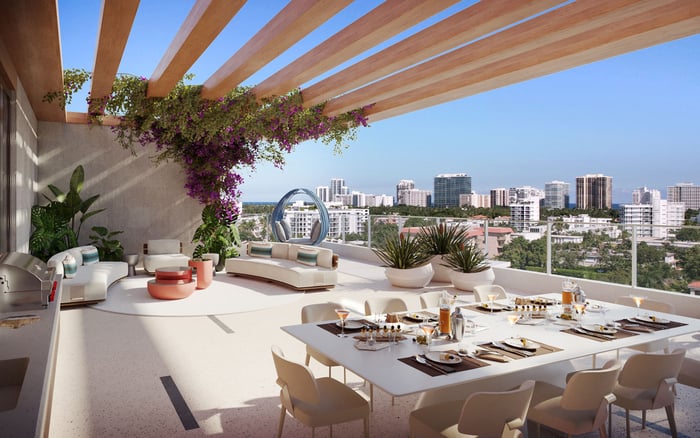
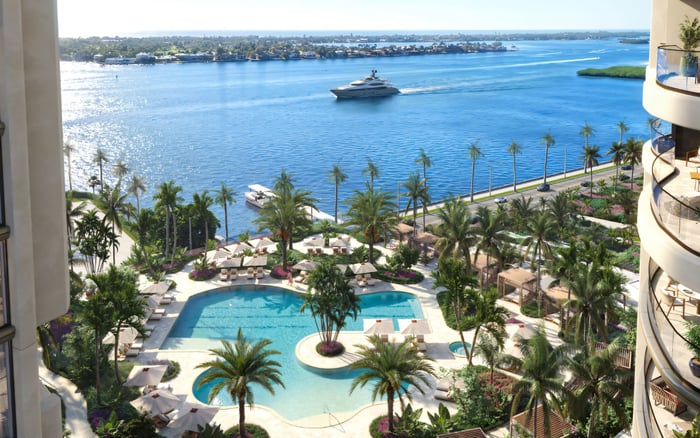
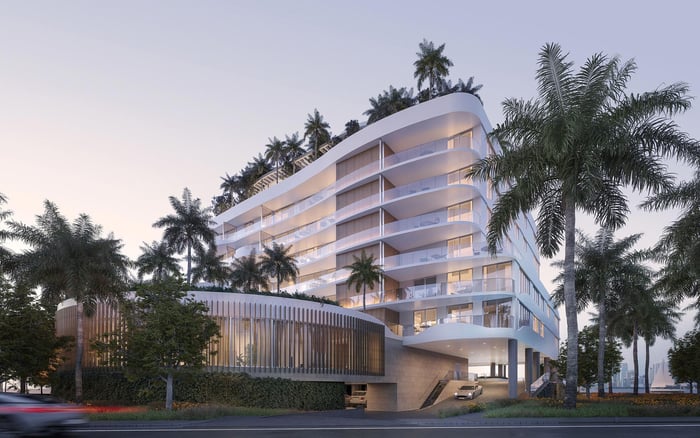
A practical waterfront due diligence guide for seasonal buyers considering Alma Bay Harbor Islands, with emphasis on Intracoastal wake exposure, dock comfort, seawall inspection, and ownership planning.
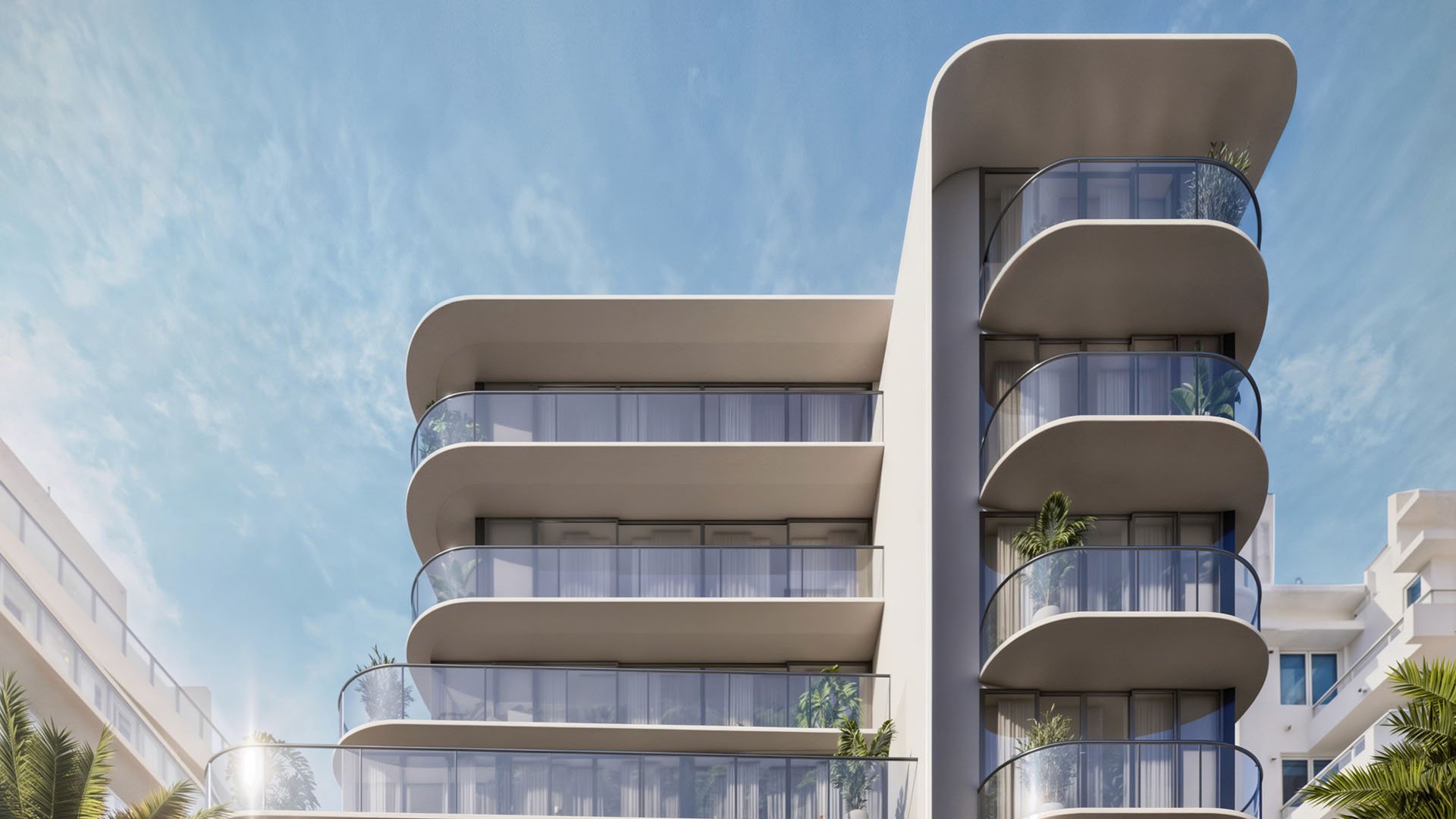
For seasonal buyers, Alma Bay Harbor Islands is not simply a waterfront address. It is a Bay Harbor Islands ownership decision shaped by the daily rhythm of boats, tides, dock use, and the way a particular residence meets the Intracoastal edge. Wake exposure belongs in the acquisition process, not as an afterthought left for marine contractors after closing.
The appeal is clear: open water, a refined residential setting, and the pleasure of arriving at a home that feels closely connected to the waterfront. Yet sophisticated buyers separate the romance of the water from the operating reality of owning beside it. At Alma Bay, that means studying how passing vessels may affect comfort, maintenance planning, watercraft storage, and the long-term usability of docks and shoreline improvements.
This is especially important for a second-home buyer who may occupy the residence intensely during select months and rely on vendors or property managers for the rest of the year. Wake does not make a waterfront property less desirable by definition. It makes the site more specific, and specificity is where value is best understood.
Seasonal buyers often arrive focused on views, floor plans, terraces, and interior finish quality. Those elements matter, but the waterline deserves equal scrutiny. A polished residence can still require careful due diligence if its dock, seawall, or vessel storage area sits in a more active wake pattern.
Wake exposure at Alma Bay should be examined lot by lot. Orientation, proximity to more active boating paths, and whether the home faces a more open or protected stretch of water can all influence the ownership experience. A residence with beautiful waterview appeal may feel calm during a weekday afternoon showing and noticeably different during a peak weekend boating window.
That difference is not necessarily negative. Some buyers accept more visible marine activity in exchange for the atmosphere of a livelier waterfront. Others prefer a quieter edge where guests can sit near the dock with minimal motion. The key is to understand which experience you are purchasing before the contract becomes emotional.
A serious waterfront review should move beyond the terrace railing. Buyers should inspect, or have qualified professionals inspect, the seawall, dock pilings, boat lifts, fenders, cleats, and shoreline conditions before closing. Each component contributes to how the property handles motion, pressure, tie-off stress, and everyday use.
Pilings and cleats are more than accessories. They are part of the practical architecture of ownership, particularly if the property includes or accommodates a boat-slip arrangement. Fenders should be assessed for placement and condition. Lifts should be evaluated not only for convenience, but for how they protect the vessel when the water is active. Seawalls should be reviewed for visible condition, repair history, and any signs that recurring maintenance may be part of the ownership budget.
This is where a buyer’s luxury standard should become exacting. The question is not only whether the dock looks presentable. It is whether the entire waterfront assembly supports the way the owner intends to live, entertain, and store watercraft.
A single showing can flatter almost any waterfront. For Alma Bay buyers, the sharper approach is to visit the property at different times of day and, when practical, at different tide stages. The purpose is to observe vessel traffic, water movement, dock motion, and the comfort level of people seated or standing near the water.
Weekend, holiday, and peak boating periods may be more revealing than a quiet weekday appointment. Seasonal owners in particular should ask direct questions about when wake is most noticeable. If the home will be used primarily during winter holidays, long weekends, or peak social periods, those are the conditions that deserve attention.
A Bay Harbor waterfront decision should also account for how the owner plans to use the dock. A buyer who simply enjoys the view may evaluate wake differently from one who expects frequent boarding, guest pick-ups, or regular boat lift operation. Local vessel flow and the feeling of exposure from the shoreline should be understood as part of the residence’s real lifestyle profile.
Wake exposure is both a comfort issue and an ownership-cost issue. Before closing, buyers should request available seller records relating to seawall repairs, dock permits, marine contractor work, boat lift maintenance, and recurring shoreline service. These documents can help identify whether the waterfront has been actively maintained, recently improved, or deferred.
The goal is not to search for perfection. Waterfront property requires care. The goal is to understand whether the condition of the dock and seawall aligns with the asking price, the buyer’s intended use, and the level of oversight that a seasonal owner can realistically provide.
For resale discipline, documentation also matters beyond the first purchase. A future buyer may ask similar questions, particularly in a high-end waterfront environment where informed due diligence is expected. Strong records can support confidence, while incomplete records may increase the need for professional review.
At Alma Bay Harbor Islands, wake exposure should not be treated as a reason to avoid waterfront ownership. It should be treated as a site-specific variable that informs pricing, inspections, vendor planning, and the owner’s expectations.
Two residences can share a general waterfront setting while offering different day-to-day experiences at the shoreline. One may feel more protected; another may feel more visually open and active. One may require more attention to fenders, lifts, or dock hardware. Another may offer a quieter guest experience but less drama in the view. These are not generic judgments. They are buyer-specific tradeoffs.
The strongest seasonal buyers approach the subject with calm precision. They observe the water, test assumptions, ask for records, involve qualified marine professionals where appropriate, and price the residence with its waterfront behavior in mind. At this level of the market, discretion is not the absence of questions. It is knowing which questions matter before the view takes over.
Is wake exposure a reason to avoid Alma Bay Harbor Islands? No. It is a due diligence item that should be priced, inspected, and managed as part of a site-specific waterfront purchase.
Can wake conditions vary between residences in the same area? Yes. Orientation, channel proximity, and whether the property faces more open or protected water can materially change the experience.
When should seasonal buyers visit the property? Buyers should try to observe the property at different times of day, tide stages, and peak boating periods when practical.
Are weekends and holidays important for evaluating wake? Yes. Short weekday showings may not reveal the boating patterns that matter most during seasonal use.
What dock components should be reviewed before closing? Pilings, lifts, fenders, cleats, tie-off points, and the general dock structure should be reviewed carefully.
Should the seawall be inspected? Yes. The seawall is central to waterfront ownership and should be evaluated for condition, visible issues, and repair history.
What seller records should buyers request? Buyers should request available records for seawall repairs, dock permits, marine contractor work, and recurring shoreline maintenance.
Does wake affect only comfort? No. Wake may also affect dock usability, watercraft storage decisions, and long-term maintenance planning.
How should a seasonal owner plan for wake-related maintenance? Seasonal owners should align inspections, vendor oversight, and maintenance schedules with the periods when the home is not occupied.
What is the best mindset for buying waterfront at Alma Bay? Treat the water as part of the asset, then evaluate its movement, infrastructure, and maintenance profile with the same care as the residence.
For a tailored shortlist and next-step guidance, connect with MILLION.
If branded residences are on your mind — as a home or as an allocation — we would be glad to share what we are seeing, privately.
Begin a quiet conversation