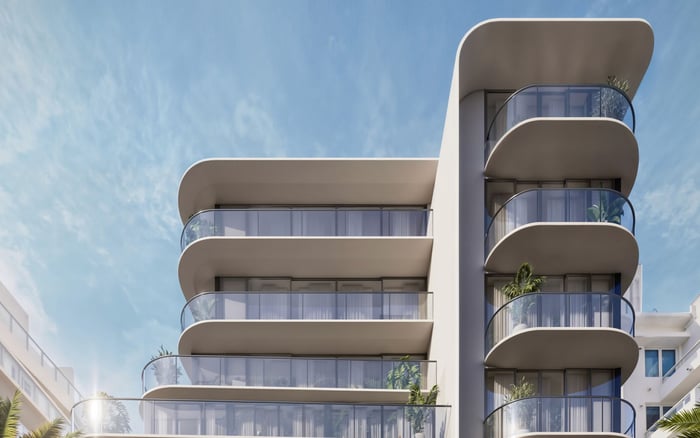
A buyer-focused look at how lock-and-leave ownership changes the way dock-access rights, boating routines, building rules, and waterfront convenience should be evaluated at Onda Bay Harbor.
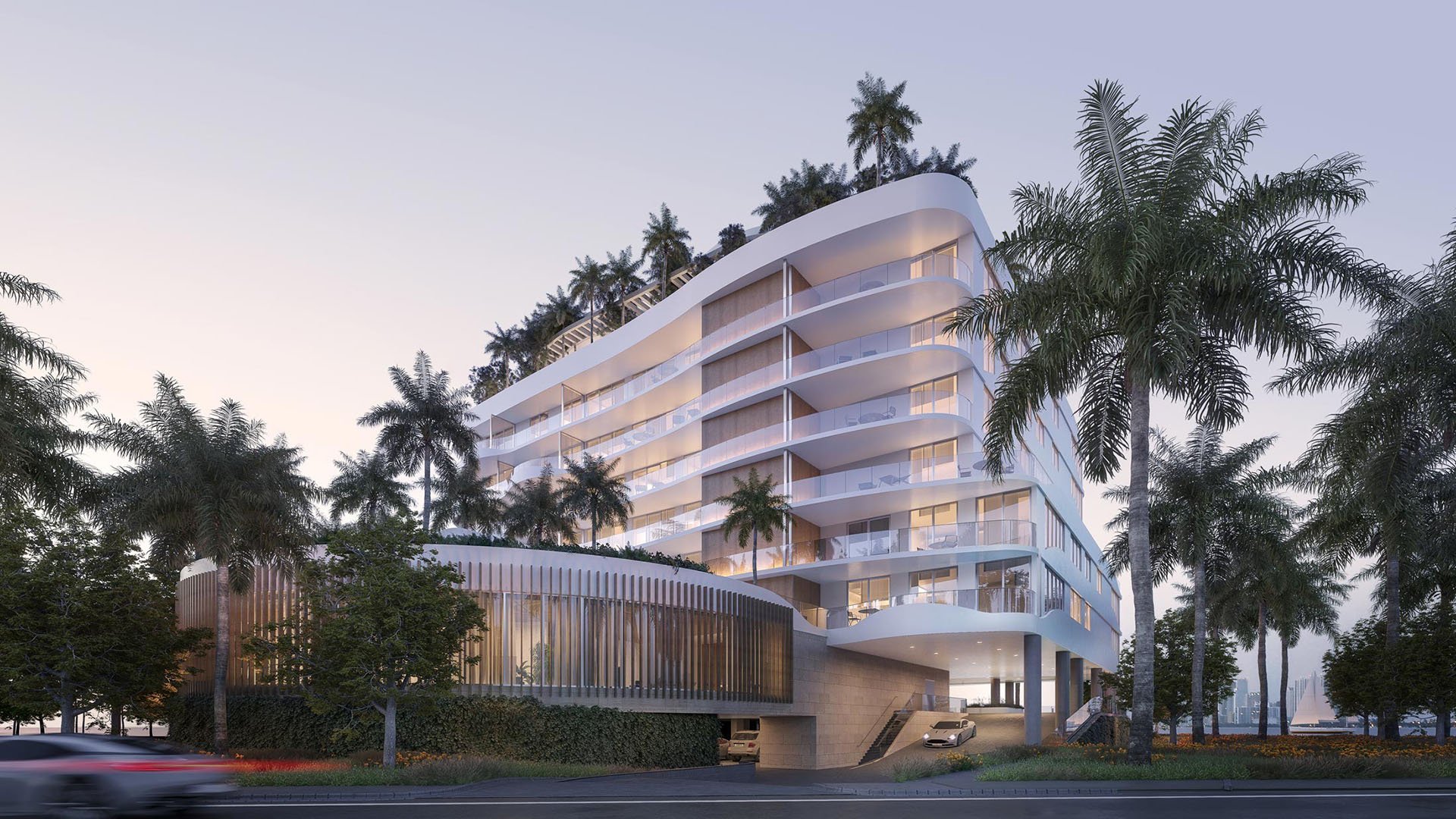
For a South Florida buyer, waterfront living is often framed through views, light, and arrival. At Onda Bay Harbor, the more sophisticated question is quieter: how does dock access function when the owner is not always in residence?
That is the lock-and-leave test. A buyer may be drawn to the romance of moving from a refined residence into a boating lifestyle, yet the practical value of that experience depends on rights, rules, management, and timing. The residence can be elegant. The bay can be calm. The access can still require careful reading.
This matters most for owners who divide time between cities, travel frequently, or treat a waterfront condominium as a seasonal base rather than a full-time home. For them, dock access is not merely an amenity. It is an operating question.
In a conventional luxury condominium, lock-and-leave ownership is often measured by security, valet, concierge service, package handling, and maintenance simplicity. On the waterfront, the definition expands. The owner must consider how boating access is documented, how use is scheduled or assigned, what rules apply to guests and captains, and whether access remains convenient after weeks away.
A dock-related privilege can feel intuitive during a sales conversation, but its long-term value depends on the language attached to it. Is the right deeded, licensed, leased, assigned, revocable, transferable, or subject to association approval? Each structure can create a different ownership experience.
The distinction matters because a lock-and-leave buyer is often seeking reduced friction. If every boating decision requires additional coordination, the lifestyle may remain attractive, but it becomes less effortless.
The most polished waterfront properties often present boating as atmosphere: the curve of the shoreline, the intimacy of the basin, the ability to move between home and water with discretion. A disciplined buyer treats dock access with the same seriousness as parking, storage, terrace rights, rental restrictions, and pet policies.
The practical vocabulary is simple: Bay Harbor context, boat-slip documentation, marina operations, second-home routines, and waterview expectations all need to align before a buyer treats access as effortless.
At Onda Bay Harbor, the phrase that matters is not simply access. It is the nature of access. Buyers should understand whether dock use is tied to a specific residence, a separate agreement, an association framework, or availability at the time of need. They should also understand whether a future resale buyer receives the same benefit or must qualify separately.
A right that transfers cleanly can support confidence. A right that depends on approval, inventory, or changing rules may still be valuable, but it should be priced and understood differently.
A full-time waterfront resident can observe the rhythm of the property. They know when staff is available, how the dock area functions, which procedures are simple, and which require planning. A seasonal owner may not have that advantage. They arrive expecting the property to perform immediately.
That is why a lock-and-leave buyer should think beyond ownership and into choreography. If the boat is kept elsewhere, how easy is pickup and drop-off? If a captain is involved, what access protocols apply? If guests are using the residence, are they permitted to use the dock area? If weather changes plans, what flexibility exists?
These questions are not signs of skepticism. They are signs of serious buying. In South Florida’s luxury market, the most informed purchasers do not only ask what is included. They ask what happens on a Thursday afternoon in season when everyone wants the same convenience.
Water views and water access can overlap, but they should not be conflated. A residence may offer a compelling visual relationship with the bay while dock use remains subject to a separate structure. Conversely, a buyer may value limited boating access even if the residence itself is selected primarily for privacy, scale, or interior experience.
This distinction is especially important at boutique waterfront addresses, where the emotional appeal of the setting can make every water-related benefit feel unified. In reality, the view belongs to the residence, subject to the usual conditions of condominium ownership and surrounding context. Dock access belongs to the governing documents and the operating framework.
For buyers considering Onda Bay Harbor, that separation can be clarifying. The view can be evaluated aesthetically. The dock component should be evaluated contractually and operationally.
A refined purchase process does not require drama. It requires precision. Before treating dock access as part of the value proposition, a buyer should request the documents that define use, transferability, costs, restrictions, insurance requirements, and association oversight.
They should also ask how the building handles periods of absence. If an owner is away for a month, does anything about dock usage change? Are there notice requirements? Are third-party service providers permitted? Are there limitations on vessel size, timing, loading, fueling, maintenance, or overnight use? Are there separate charges?
The best answers are not necessarily the most permissive. They are the clearest. Luxury buyers can adapt to rules when those rules are stable, well administered, and disclosed early. Uncertainty is what undermines confidence.
Dock-related access can be meaningful to a future buyer, but only if it is legible. A resale audience will ask the same questions with even greater scrutiny, because they are buying not only the residence but the prior owner’s understanding of how the asset works.
If a right is clearly documented and transferable, it may strengthen the ownership story. If it is informal or dependent on availability, it may still be appealing, but it should not be marketed as though it were equivalent to a deeded or exclusive entitlement.
This is where disciplined language protects value. A waterfront residence does not need exaggeration. It needs accuracy. In the ultra-premium market, the buyers most likely to appreciate dock access are also the buyers most likely to inspect it carefully.
Onda Bay Harbor sits within a market conversation shaped by privacy, water proximity, and ease of movement across the northern Miami Beach and Bay Harbor Islands corridor. For the right buyer, the appeal is not theatrical. It is measured, residential, and highly specific.
The lock-and-leave buyer is often attracted to exactly that combination: a polished base, a waterfront setting, and the possibility of boating access without the obligations of a single-family home. The appeal is strongest when the physical experience, building services, and rights structure all point in the same direction.
That is the central lesson. Dock access is not a decorative line in a property description. It is a lifestyle instrument, and instruments must be tuned.
The most useful way to evaluate Onda Bay Harbor is to divide the decision into three layers. First, the residence itself: plan, finish, privacy, light, outdoor space, and daily comfort. Second, the building: service culture, security, maintenance, and rules. Third, the waterfront component: what is promised, what is documented, and how it performs when the owner is away.
If all three layers align, the lock-and-leave case becomes compelling. If one layer is uncertain, the buyer does not necessarily need to walk away. They need to price the uncertainty, negotiate with clarity, or decide that the lifestyle value still justifies the structure.
This is the kind of decision that separates a beautiful purchase from a well-understood one.
Is dock access the same as owning a boat slip? Not necessarily. Buyers should confirm whether access is deeded, assigned, licensed, leased, or otherwise controlled by association documents.
Why does lock-and-leave ownership make dock rights more important? Owners who are away often need the property to function smoothly upon arrival. Any ambiguity around access can create friction.
Should dock access be reviewed before contract signing? Yes. The structure, costs, transferability, and restrictions should be reviewed as part of the buyer’s due diligence.
Can dock access affect resale value? It can, particularly when the right is clearly documented and transferable. Informal access may be less persuasive to future buyers.
Are water views and dock rights evaluated separately? Yes. A view is part of the residence experience, while dock access depends on documents, rules, and operations.
What should seasonal owners ask about? They should ask how access works during absences, whether captains or guests may use facilities, and what notice is required.
Do stricter dock rules reduce luxury value? Not always. Clear, stable rules can protect privacy, order, and long-term enjoyment for residents.
Is Onda Bay Harbor best suited to boat owners only? No. A buyer may value the waterfront setting, privacy, and residential atmosphere even without frequent boat use.
What is the biggest mistake buyers make with dock-access language? They assume access means exclusivity. The exact documents should define what the owner can use, when, and under what conditions.
How should a buyer compare Onda Bay Harbor with other waterfront options? Compare the residence, building operations, and waterfront rights separately. The strongest choice is the one where all three are clear.
To compare the best-fit options with clarity, connect with MILLION.
If branded residences are on your mind — as a home or as an allocation — we would be glad to share what we are seeing, privately.
Begin a quiet conversation