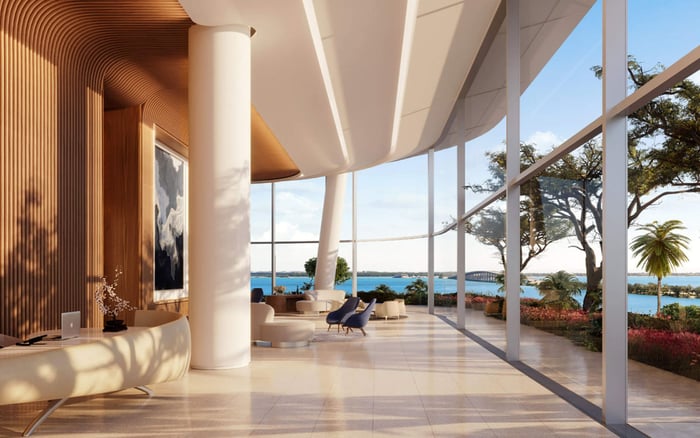
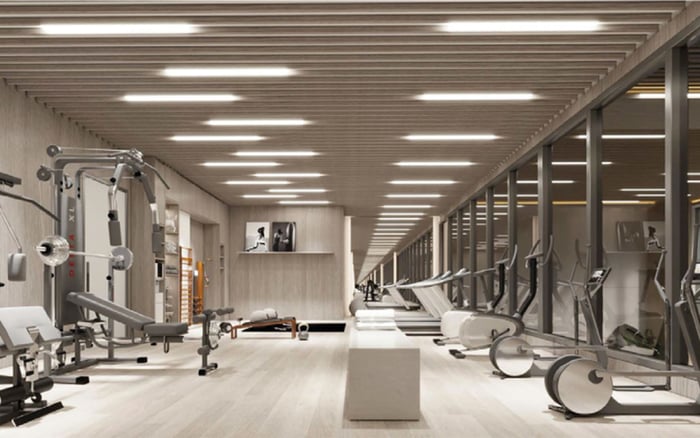
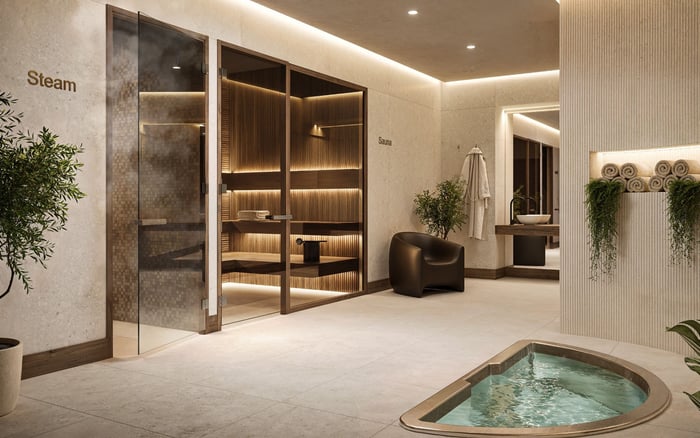
A buyer-focused framework for judging whether wellness amenities deliver daily value, credible service, privacy, and defensible long-term utility.
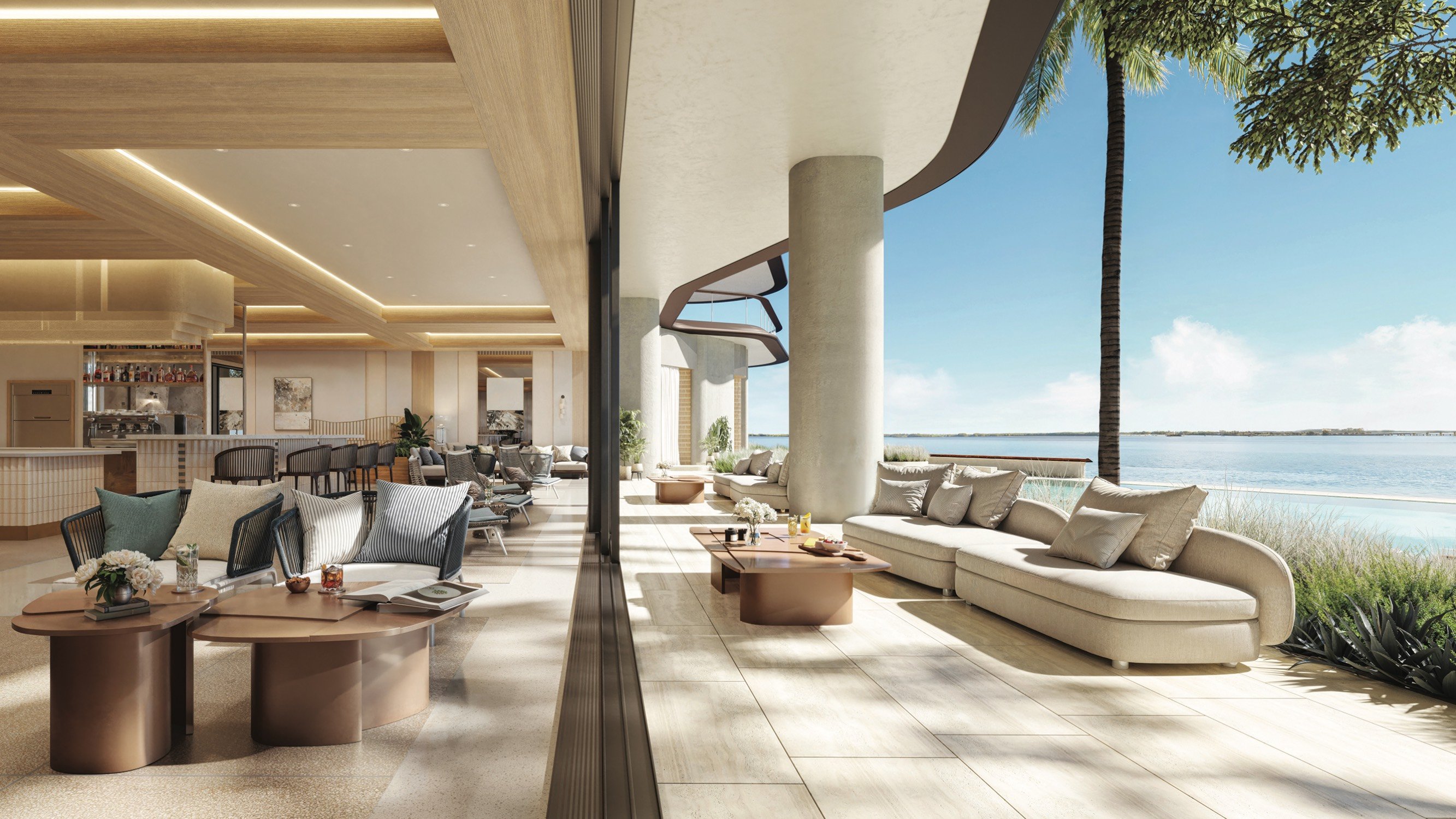
At The Residences at Mandarin Oriental, Miami, the most useful question for buyers is not whether wellness features prominently in the presentation. It is whether the residential experience makes healthy routines easier, quieter, and more consistent.
That distinction matters across branded residences. A beautifully conceived space may create atmosphere, but lifestyle value emerges after residents move in: how easily an amenity can be reserved, whether it remains private at peak times, who maintains it, and how naturally it fits into an ordinary week. The strongest wellness proposition is not necessarily the longest inventory of features. It is the one that removes friction from routines a resident already values.
Wellness language often blends design, hospitality, service, and emotion. Buyers should translate each phrase into a practical scenario. If a space is presented as restorative, ask what protects it from noise and circulation. If personalized attention is emphasized, determine whether that means dedicated personnel, bookable appointments, or coordination with outside providers. If exclusivity is central, clarify who may enter and under which guest rules.
This approach is especially relevant to new-construction purchases, where buyers may be evaluating plans, renderings, and anticipated operations rather than an established daily rhythm. The objective is not to discount the vision, but to identify which elements are supported by physical planning, written access policies, staffing assumptions, and a workable service model.
1. Frequency of use.
Begin with the household's actual calendar. A feature used four times a week may be more valuable than a dramatic space visited twice a year. Frequent travelers may prioritize efficient, private access; full-time residents may place greater value on programming variety and dependable hours.
2. Capacity and flow.
Floor area alone does not establish usability. Ask how residents arrive, where they wait, whether changing areas create bottlenecks, and how the space accommodates simultaneous users. Privacy is often determined by circulation, not decoration.
3. Operational clarity.
Determine which experiences are self-directed, staffed, appointment-based, or subject to additional charges. Buyers should also understand booking windows, cancellation terms, guest privileges, age restrictions, and whether outside practitioners may be admitted.
4. Environmental quality.
Materials and visual calm matter, but so do acoustics, lighting control, ventilation, temperature, maintenance, and separation from active social zones. These less photogenic details often determine whether a room supports concentration or recovery.
5. Residential integration.
Consider the complete journey from private residence to amenity and back. Elevator access, discretion, storage, service circulation, and the ability to return home without crossing a busy public setting can materially influence repeated use.
A hospitality name can establish expectations, but purchasers should still distinguish brand recognition from the specific residential service arrangement. Ask which wellness-related functions are included in ordinary operations, which rely on third-party specialists, and which may evolve after opening.
Dependability also requires clear boundaries. Residents should know who provides each service, how appointments are managed, what happens during periods of high demand, and how privacy is protected. This is where lifestyle value becomes measurable: not through abstract prestige, but through saved time, consistent standards, and fewer logistical decisions.
Wellness infrastructure carries ongoing costs. Buyers should review how the budget treats staffing, maintenance, consumables, repairs, and periodic replacement. They should also identify separately charged services and consider whether those fees duplicate memberships or treatments already used elsewhere.
The right calculation is personal. A household that replaces several external routines with convenient in-residence access may find meaningful value. Another may prefer lower recurring obligations and a simpler amenity program. Neither conclusion is inherently more luxurious. Luxury lies in the alignment between expenditure and use.
Comparison shopping is most revealing when every property is tested against the same questions. A buyer studying a wellness-led concept such as House of Wellness Brickell can compare access, privacy, and operating structure rather than relying on theme alone. The same discipline applies to The Well Coconut Grove and The Residences at Mandarin Oriental Boca Raton.
For readers accustomed to buyer's guides, a simple scorecard is effective: anticipated weekly use, ease of access, privacy, staffing clarity, incremental cost, and confidence in long-term upkeep. Buyers considering Brickell or other South Florida submarkets should avoid comparing amenity counts across dissimilar operating models. A shorter, coherent program may serve a household better than a broad collection of spaces with uncertain availability.
Before assigning a premium to wellness, request the current amenity schedule, relevant plans, access provisions, service descriptions, and budget assumptions available for review. Then classify each feature as essential, useful, occasional, or irrelevant. This prevents an emotionally persuasive presentation from carrying the same weight as everyday utility.
At The Residences at Mandarin Oriental, Miami, the decisive issue is fit. Buyers should ask whether the proposed environment supports their routines with discretion and consistency-and whether the associated obligations remain sensible after the novelty fades. That is the difference between a wellness narrative and durable residential value.
What makes a wellness amenity genuinely valuable? Frequent use, convenient access, privacy, reliable upkeep, and a clear service model create practical value.
Should buyers focus on the number of wellness spaces? No. Coherence, capacity, and relevance to the household's routine matter more than a long amenity inventory.
How can a buyer test privacy before completion? Review plans for entrances, elevators, waiting areas, changing rooms, guest routes, and service circulation.
Why do operating hours matter? Limited hours can make an attractive feature impractical, particularly for residents with demanding work or travel schedules.
Are all wellness services usually included in common charges? Buyers should not assume so. Identify what is included, separately billed, appointment-based, or externally provided.
What should be reviewed in the operating budget? Look for staffing, maintenance, consumables, repairs, replacement reserves, and other recurring wellness-related expenses.
How should guest access be assessed? Confirm eligibility, limits, advance-booking rules, charges, and whether guests affect resident capacity at popular times.
Does a hospitality brand guarantee a specific service level? Brand identity sets expectations, but buyers should evaluate the documented residential services and operating structure.
How can buyers compare wellness offerings fairly? Apply the same scorecard to each property, covering frequency of use, access, privacy, staffing, cost, and upkeep.
What is the most important final question? Ask whether the offering will still improve everyday life after its novelty and presentation value have faded.
If you'd like a private walkthrough and a curated shortlist, connect with MILLION.
If branded residences are on your mind — as a home or as an allocation — we would be glad to share what we are seeing, privately.
Begin a quiet conversation