A discreet buyer’s guide to evaluating Mr. C Residences West Palm Beach as a branded, hospitality-led preconstruction condominium in a fast-evolving South Florida market.
Mr. C Residences West Palm Beach should be evaluated through three separate lenses: branded-residence living, an urban West Palm Beach ownership setting, and the obligations that come with a condominium purchase. The appeal is the possibility of a more service-forward residential experience, but the purchase should still be approached with disciplined document review and a clear understanding of long-term carrying costs.
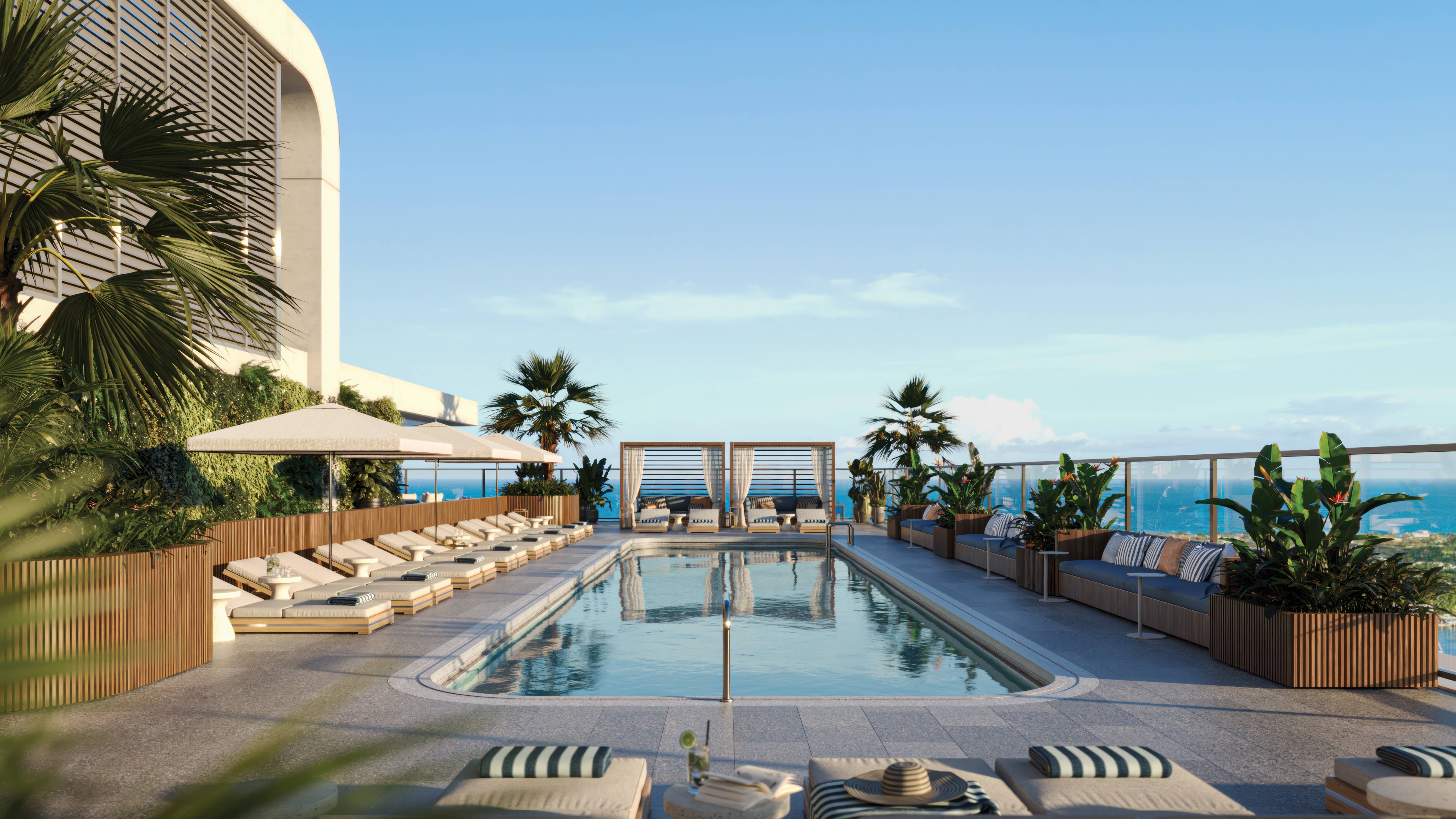
A branded residence is not simply a condominium with a more polished lobby. Buyers should understand how service standards are funded, how any brand relationship is governed, and how hospitality-style operations may shape everyday ownership. In that sense, Mr. C Residences West Palm Beach should be reviewed as both a lifestyle purchase and a long-duration operating asset.
The first question is not whether the name has appeal. The sharper question is how that appeal translates into cost, control, and resale logic. A branded-residence model may support a premium versus non-branded luxury condominiums, but that premium is durable only if services remain consistent, governance is strong, and buyers understand precisely what they are paying for.
Ask whether brand licensing fees, staffing expenses, hospitality operations, and service standards are reflected in the condominium association budget. Then compare those items with standard building operations such as maintenance, security, reserves, insurance, and management. This is where an Investment buyer and a lifestyle buyer often reach different conclusions. One may value the service layer as a differentiator; the other may view it as a cost that must be justified by occupancy, enjoyment, and future resale assumptions.
The comparison set matters. In West Palm Beach, buyers may look at Alba West Palm Beach for a different expression of luxury condominium living, or The Ritz-Carlton Residences® West Palm Beach when evaluating another service-led residential concept. The purpose is not to declare one model superior. It is to isolate what is being paid for and determine whether that cost aligns with the buyer’s intended use.
Florida condominium documents should be reviewed before a buyer becomes emotionally anchored to a floor plan or view corridor. The purchase agreement, condominium declaration, association budget, offering materials, and reservation or deposit structure warrant careful attention from Florida counsel. Out-of-state buyers should not assume that practices from another state translate neatly into Florida condominium law.
For a New-construction purchase, the contract may address delivery timelines, permitting risk, construction-cost exposure, design-change rights, and the developer’s remedies for delays. These provisions can seem dry, but they define the buyer’s leverage if the project schedule changes or the final product differs from early expectations.
The association budget is equally important. Review projected staffing, reserves, maintenance obligations, insurance assumptions, and possible future assessments. In a branded building, a service promise becomes meaningful only when the budget explains who pays for it, how costs may rise, and how the association can respond to changing conditions.
Florida ownership requires a clear view of risk. Buyers should review insurance premiums, coverage availability, flood exposure, storm resilience, and long-term maintenance obligations at both the building and neighborhood level. Coastal and storm-related considerations do not disappear because a residence is beautifully designed or professionally staffed.
The broader condominium-insurance environment also matters. Future premiums, reserve requirements, and assessments can affect carrying costs over time. A prudent buyer asks not only, “What will I pay at closing?” but also, “What could ownership reasonably cost after the building is operating, insured, staffed, and maintained through several seasons?”
This is especially important for buyers comparing West Palm Beach with other South Florida submarkets. A residence such as Forté on Flagler West Palm Beach may invite a different set of questions around waterfront orientation, while urban projects require attention to surrounding construction, access, and neighborhood rhythm. The diligence should be specific, not generic.
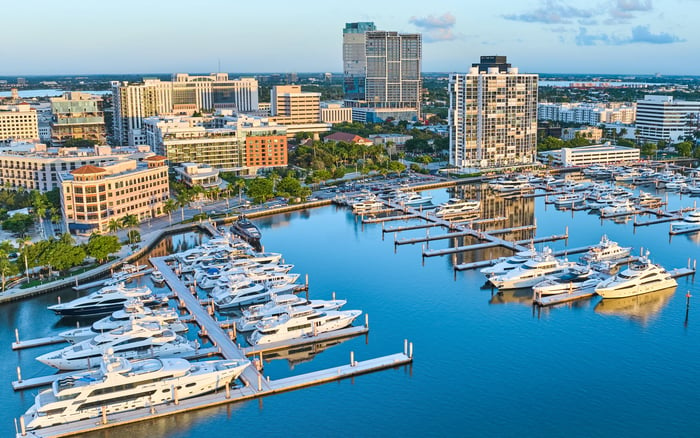
West Palm Beach’s evolution as a luxury residential market is part of the draw, but neighborhood trajectory deserves disciplined review. Buyers should examine nearby development, infrastructure considerations, zoning context, and construction activity before deciding how the setting fits their ownership plan.
The issue is not simply whether the area feels appealing today. It is how change may affect traffic, arrival experience, noise, views, service access, and resale positioning. Seasonal demand can also change the daily cadence of ownership, from restaurant access to building occupancy, staffing intensity, and maintenance planning.
For buyers who want a broader West Palm Beach frame, South Flagler House West Palm Beach may serve as a useful reference point for the city’s luxury evolution. Mr. C, by contrast, should be evaluated through the lens of hospitality-led residential living and urban convenience.
Second-home buyers often care less about daily governance until they need it. That is a mistake. If the residence will be used part time, review lock-and-leave services, property-management support, guest access protocols, service access, and rental limitations before signing.
Non-local owners should also examine rules for renters, guests, branded amenities, deliveries, staff, pets, and vendors. Hotel-like service does not necessarily mean hotel-like flexibility. A residential condominium can have carefully drawn rules that protect privacy and service quality while limiting certain uses. That may be ideal for a private owner and frustrating for a buyer expecting broad rental or guest privileges.
The best question is practical: “How will this residence work when I am not here?” The answer should cover keys, packages, storms, maintenance visits, family stays, housekeeping access, and emergency communications.
Mr. C Residences West Palm Beach should be understood as a refined, service-forward proposition rather than a conventional condominium purchase. Its appeal depends not only on architecture and amenities, but also on governance, operating costs, service consistency, insurance resilience, and the long-term durability of the branded-residence concept.
For the right buyer, that combination can be powerful. For the wrong buyer, the very features that create distinction may feel costly or restrictive. The advantage belongs to purchasers who separate emotion from documentation, compare branded costs with ordinary operating expenses, and view West Palm Beach’s growth with both enthusiasm and caution.
What makes Mr. C Residences West Palm Beach different from a standard condo? It should be evaluated as a branded, service-forward residential concept rather than only as a conventional condominium purchase.
Should out-of-state buyers hire Florida counsel? Yes. Florida counsel should review the purchase agreement, condominium declaration, budget, offering materials, and deposit structure.
Are branded-residence fees important to review? Yes. Buyers should ask how brand licensing, staffing, service standards, and hospitality operations are reflected in association costs.
Is Pre-construction risk a major consideration? Yes. Delivery timelines, permitting risk, construction-cost exposure, design changes, and delay remedies should be reviewed closely.
How should buyers think about resale value? Resale assumptions should account for the brand premium, operating costs, governance, service consistency, and neighborhood trajectory.
What climate issues should be evaluated? Buyers should review flood exposure, insurance availability, storm resilience, and long-term maintenance costs at the building and area level.
Can part-time owners treat the residence like a hotel suite? Not necessarily. Rules for guests, renters, service access, and branded amenities may differ from hotel operations.
Why does Downtown West Palm Beach matter to the purchase? Downtown conditions can influence daily ownership, so nearby development, traffic, construction activity, and seasonal patterns should be studied.
What should be compared with non-branded condominiums? Buyers should isolate the cost of branded services from ordinary building operations such as insurance, reserves, staffing, and maintenance.
Is Mr. C Residences West Palm Beach best for investors or end users? It may suit either profile, but the decision should be based on use pattern, cost tolerance, rental rules, and long-term ownership goals.
For a confidential assessment and a building-by-building shortlist, connect with MILLION.
If branded residences are on your mind — as a home or as an allocation — we would be glad to share what we are seeing, privately.
Begin a quiet conversation