A discreet guide for empty nesters evaluating South Flagler luxury residences, with emphasis on lifestyle fit, building governance, climate comfort, ownership costs, and long-term flexibility.
For many empty nesters, South Flagler represents a graceful next chapter: water, discretion, proximity to culture, and the promise of trading household complexity for a more curated daily rhythm. Yet a luxury residence should not be judged only by its view corridor, lobby finish, or the calm of a late-afternoon showing. It should be pressure-tested as a long-term living system.
The central question is simple: will this residence make life easier, more elegant, and more resilient after the novelty fades? That requires evaluating the building, the association, the service model, the parking, the storage, the arrival sequence, the guest experience, and the way each space supports a couple whose household has changed.
A South Flagler search can begin with refined options such as South Flagler House West Palm Beach, but the right decision is never made from branding alone. The stronger approach is to test the residence against how you live at 7 a.m., 4 p.m., and after a week of guests.
Before setting foot in a sales gallery or residence, create a written brief that separates essentials from seductions. Essentials may include single-level living, generous primary storage, two comfortable guest suites, a quiet office, effortless parking, and a building culture that feels composed rather than performative. Seductions may include dramatic ceiling heights, entertaining terraces, oversized amenities, and finishes that impress during a tour but matter less in daily life.
For a private search brief, make the thesis plain: West-palm-beach, New-construction, Second-home, Waterview, service, and exit discipline. The words are not decorative. They force clarity around whether the purchase is a primary downsizing move, a seasonal base, or a waterfront lifestyle pivot with future resale in mind.
Tour with that brief in hand. If a residence is beautiful but fails the brief, it should not advance. Empty nesters often have the advantage of patience and liquidity. Use both.
In a luxury condominium, the building is part of the residence. Governance, reserves, insurance, maintenance culture, staffing, rules, and long-term capital planning all influence quality of life. A polished arrival matters, but it is only the surface. Ask how decisions are made, how communication is handled, and how the building anticipates future costs.
This is especially important for buyers moving from a single-family home. A condominium can remove burdens, but it also introduces shared governance. The issue is not whether rules exist. The issue is whether those rules support the lifestyle you want. Pet policies, contractor access, guest procedures, valet expectations, renovation approvals, and amenity hours all become part of daily living.
A building such as Forté on Flagler West Palm Beach may invite attention because of its South Flagler positioning, yet the more sophisticated buyer will still review the documents, budget posture, service standards, and practical flow before becoming emotionally committed.
A single showing rarely reveals friction. Empty nesters should simulate three ordinary days: a quiet weekday, an active social evening, and a guest weekend. Consider where groceries go, where luggage lands, how visiting adult children will feel, where grandchildren can sleep, and whether the kitchen functions for two people who may entertain selectively rather than constantly.
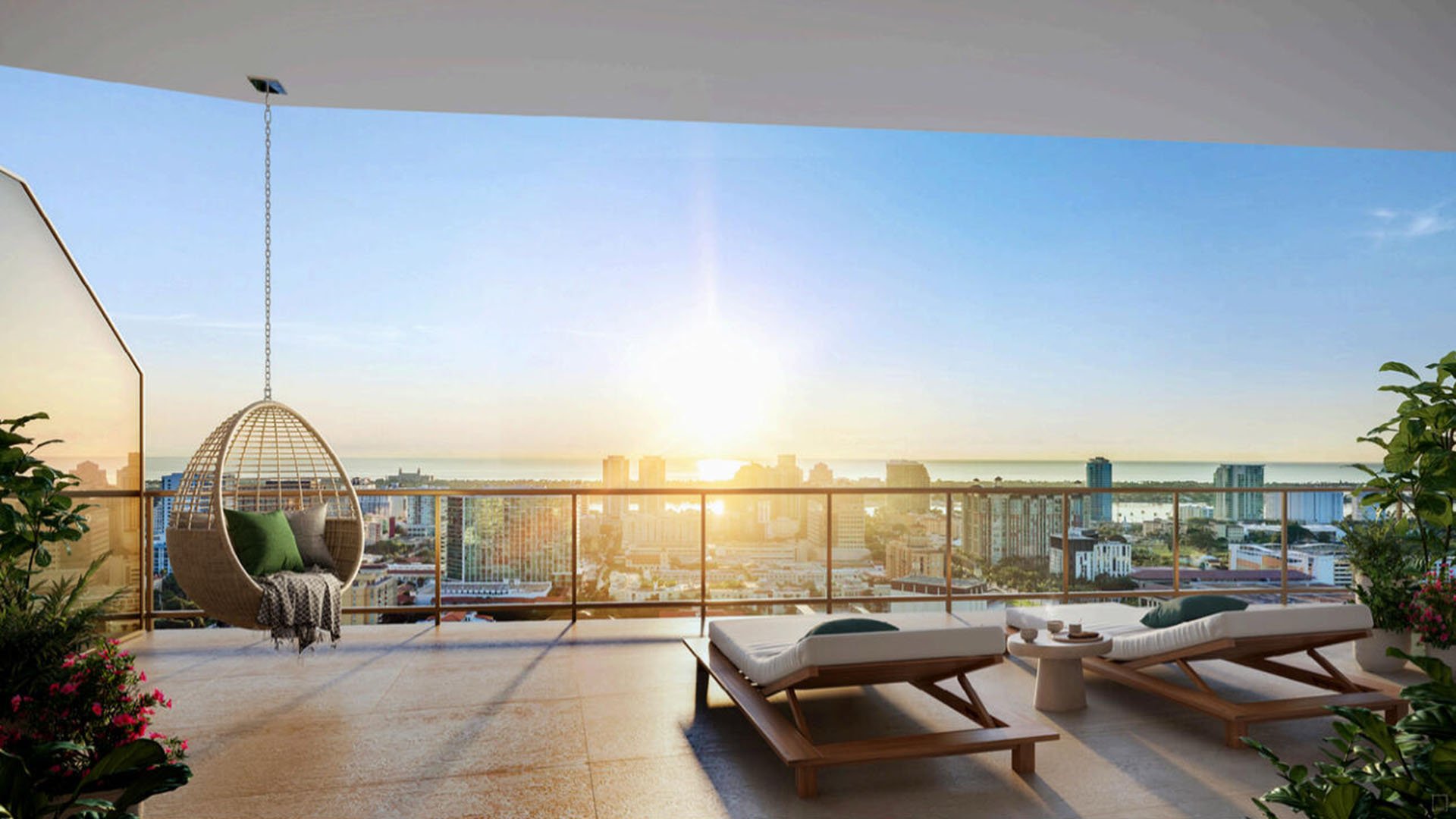
Walk the route from car to residence. Notice elevator timing, acoustic privacy, package handling, lobby intimacy, and whether staff presence feels polished or intrusive. Test terrace usability at different times of day. Consider sun, glare, privacy, wind, furniture placement, and whether the outdoor space will be used often enough to justify its premium.
Also ask whether the residence supports aging without feeling clinical. Wide circulation, intuitive lighting, accessible showers, smart storage, and minimal level changes can preserve elegance while making the home easier to live in over time.
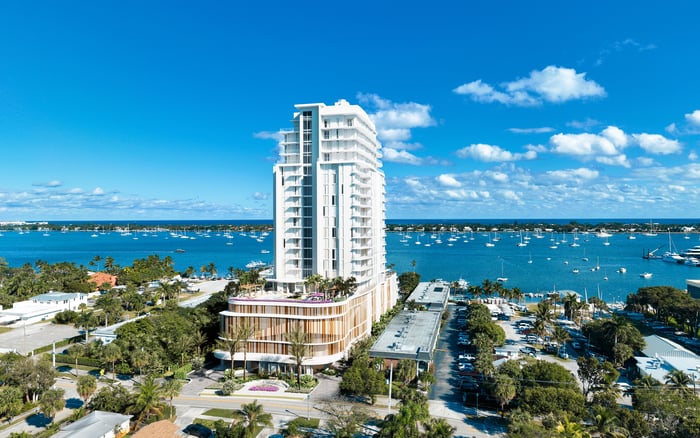
South Flagler appeals to buyers who want calm without detachment. Still, it should be compared against other West Palm Beach settings and nearby luxury alternatives. A residence like Shorecrest Flagler Drive West Palm Beach may suit buyers focused on a Flagler Drive lifestyle, while Alba West Palm Beach may enter the conversation for those evaluating the broader West Palm Beach waterfront market.
The comparison should not be a beauty contest. It should answer practical questions. Which address makes dinner plans easier? Which building feels more private? Which option better supports medical appointments, fitness routines, club life, cultural evenings, visiting family, and airport departures? Which residence would still feel right if one spouse travels frequently or if the household becomes more seasonal?
Empty nesters should also decide how much urban energy they truly want. Some buyers imagine walkability but rarely walk. Others underrate the pleasure of being near restaurants, galleries, services, and friends. The correct answer is personal, but it must be honest.
Climate exposure is not only an engineering topic. It is a comfort topic, an insurance topic, a maintenance topic, and a resale topic. Buyers should ask direct questions about windows, water management, backup systems, generator coverage, cooling resilience, garage elevation, and the building’s protocols during severe weather.
Inside the residence, comfort should be tested room by room. Does the primary suite remain quiet? Does afternoon light create heat or glare? Can shades, glass, and mechanical systems keep the home composed without constant adjustment? A luxury residence should feel serene in ordinary weather and intelligently prepared in difficult weather.
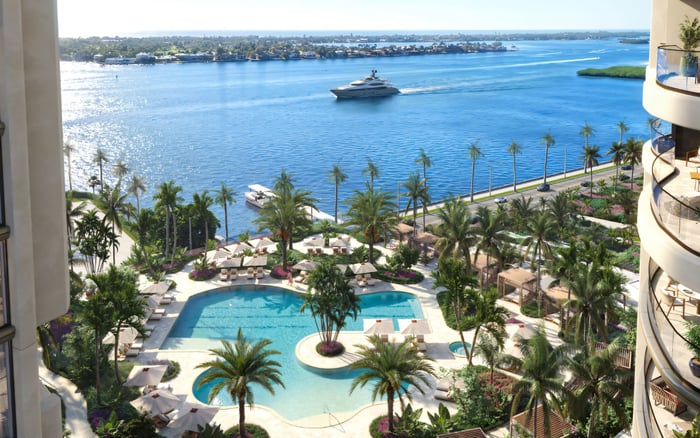
The same lens applies to amenities. Pools, fitness rooms, social rooms, docks, terraces, and landscaped areas are part of the ownership proposition, but they also require maintenance and funding. The best buildings make this feel invisible. Buyers should still understand how that invisibility is paid for.
The most successful empty nester moves are not about having less. They are about editing toward what matters. A smaller residence can live larger when storage is excellent, rooms are properly proportioned, and service removes routine burdens. Conversely, a large unit can feel inefficient if circulation is awkward or guest rooms sit unused most of the year.
Prioritize the rooms that will be used daily. The primary suite, kitchen, living area, terrace, office, and laundry should be excellent. Guest space should be gracious but not dominant. If adult children visit occasionally, comfort matters. If they visit constantly, the floor plan must support independence and privacy.
Options such as Mr. C Residences West Palm Beach can help buyers frame how brand, service, and daily convenience influence the downsizing equation. The right residence should feel like a simplification, not a compromise.
Even if this is intended as a long-term home, every luxury purchase deserves an exit plan. Consider whether the residence will appeal to future buyers who value the same attributes: view quality, privacy, building reputation, floor plan clarity, parking, storage, outdoor space, and a well-managed association.
Avoid over-personalizing early. Highly specific design choices can be wonderful for private enjoyment, but they may narrow the buyer pool later. If the residence requires customization, focus on improvements that enhance livability, light control, storage, and timeless material quality.
Most importantly, pressure-test carrying costs. Monthly obligations, potential assessments, insurance dynamics, staffing levels, and maintenance expectations should be understood before contract, not rationalized afterward. Luxury is not only what you can buy. It is what you can own comfortably.
How should empty nesters begin a South Flagler search? Start with a written ownership brief that defines daily routines, guest needs, service expectations, and long-term flexibility before touring residences.
Is a water view enough to justify a premium? A view matters, but it should be weighed against privacy, layout, building governance, climate comfort, parking, storage, and resale depth.
What condominium documents deserve special attention? Review budgets, reserves, insurance, rules, renovation policies, meeting materials, and any information that clarifies future obligations.
Should empty nesters prioritize new construction? New construction can offer modern systems and fresh design, but buyers should still evaluate governance, service culture, costs, and floor plan function.
How many bedrooms are ideal after downsizing? The best answer depends on guests, family rhythms, and work needs; many buyers value flexible rooms more than sheer bedroom count.
What should buyers test during a second showing? Test arrival, elevator flow, natural light, terrace comfort, acoustic privacy, storage, kitchen function, and the route from parking to residence.
How important is building culture? Very important. Rules, staffing, neighbor expectations, and communication style shape daily life as much as finishes and amenities.
Should seasonal owners evaluate differently than full-time residents? Yes. Seasonal owners should focus on lock-and-leave convenience, management support, guest access, storm protocols, and carrying costs while away.
What makes a residence easier to age in gracefully? Single-level living, intuitive circulation, accessible baths, strong lighting, reliable elevators, and excellent storage can preserve comfort over time.
When is the right time to involve an advisor? Involve an advisor before emotional commitment, ideally before serious negotiation, document review, or comparison between competing buildings.
When you're ready to tour or underwrite the options, connect with MILLION.
If branded residences are on your mind — as a home or as an allocation — we would be glad to share what we are seeing, privately.
Begin a quiet conversation