Luxury in South Florida is increasingly defined by what you do not see: an intelligent, privacy-minded layer that unifies lighting, climate, security, shades, and entertainment into a single, calm experience. As AI assistants migrate from novelty to signature amenity, the most sophisticated homes are being designed around interoperability, discretion, resilience, and future-proof infrastructure that anticipates the next decade of upgrades.
In South Florida’s upper tier, “smart home” no longer means a handful of apps and voice prompts. It is increasingly treated like a core amenity, as integral to the luxury experience as a well-planned kitchen or a terrace with correct scale. Designers and Realtors in Florida have noted that AI assistants are becoming a defining feature in high-end homes, moving past basic commands into deeper personalization and multi-system control.
What is changing is not only what technology can do, but how it is expected to feel. The standard is calm. The home should respond with minimal visible hardware, fewer competing interfaces, and clear respect for privacy. In that sense, the smart home is becoming more architectural. It is designed, planned, and engineered, not tacked on.
In West Palm Beach and Palm Beach, this expectation shows up most clearly in new-construction conversations, where residences are judged not only on finishes and views, but on the quality of the living system behind the walls.
A useful distinction for buyers: luxury smart homes are typically professionally installed and centrally programmed systems, not a patchwork of consumer devices. Florida integrators commonly emphasize a whole-home approach where lighting, HVAC, security, shades, and AV are unified under a single control ecosystem, rather than managed through isolated apps.
That unification matters for three reasons.
First, it reduces friction. A residence feels refined when control is intuitive and consistent from room to room.
Second, it improves reliability. Professional platforms are built to coordinate multiple subsystems without the constant troubleshooting that can come with device-by-device setups.
Third, it strengthens the resale narrative. Public coverage has shown that high-end listings increasingly market automation as a differentiator, particularly when it is positioned alongside resilience and sustainability.
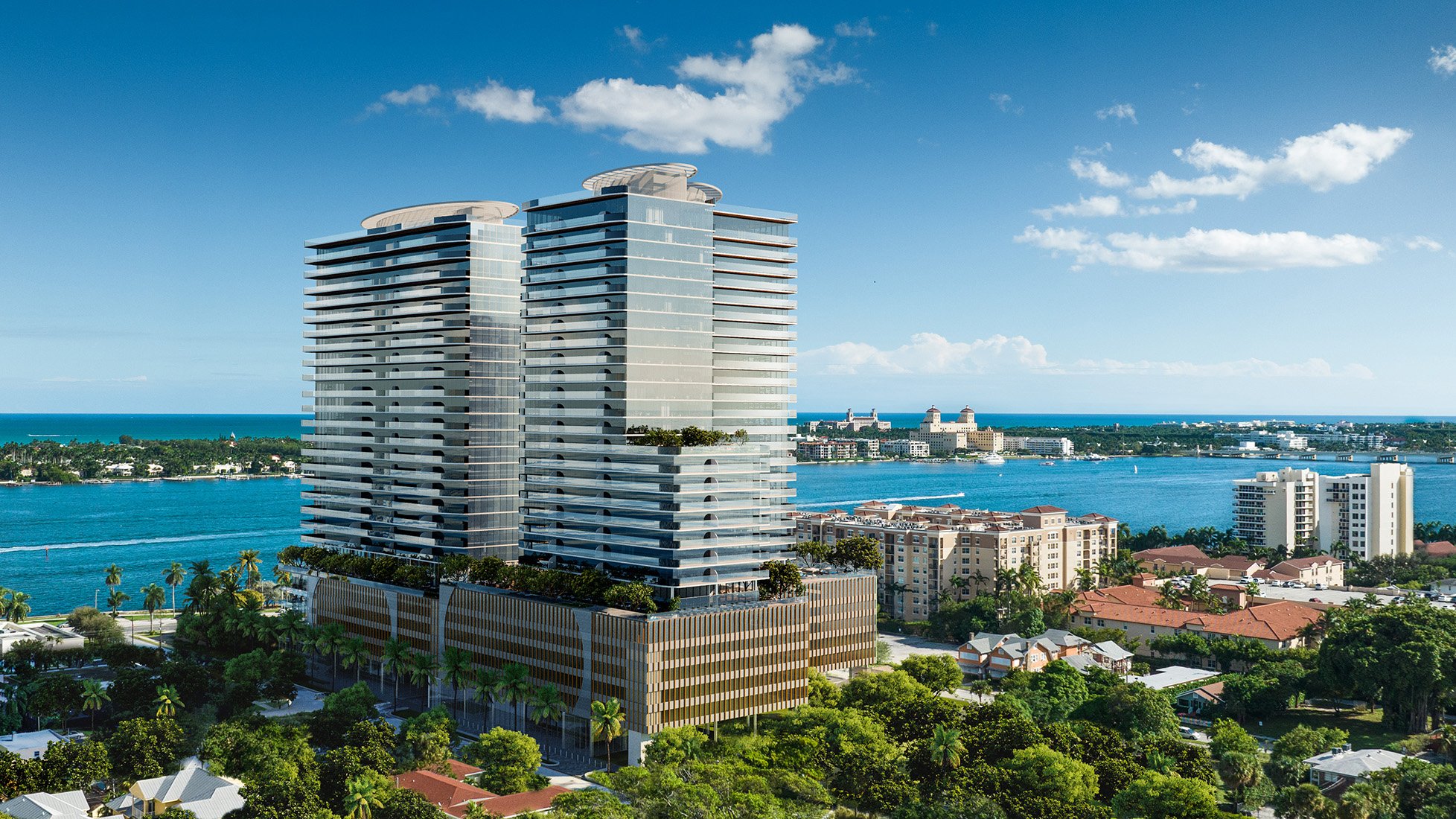
For condo buyers evaluating a next-generation lifestyle in towers such as Forté on Flagler West Palm Beach or Alba West Palm Beach, the smart question becomes less about a gadget and more about whether the building and residence are prepared for a fully integrated life.
Florida luxury-market coverage has highlighted that AI assistants are moving into the role of signature amenity, and the best examples are designed around privacy and performance. One widely discussed luxury-oriented assistant, Josh.ai, positions itself as privacy-focused and emphasizes on-premises control rather than relying on consumer-grade smart speakers.
That posture resonates in a market defined by second homes, seasonal use, and the need for discretion. For an owner who is frequently away, an intelligent home becomes a stewardship tool. It is less about saying “turn on the lights” and more about managing an environment that stays secure, comfortable, and ready on arrival.
AI also improves the ergonomics of control. Touch panels and keypads still matter, but voice and conversational interfaces can become a natural layer when implemented thoughtfully. Josh.ai also markets direct integration with Crestron, an example of how luxury AI is often designed to sit on top of broader whole-home automation ecosystems rather than replacing them.
In practice, a well-designed AI layer should respect the home’s hierarchy. It should elevate the experience without becoming the experience.
Luxury automation trends in Florida point toward tighter system interoperability as a major 2025 direction, driven by buyer expectations at the top of the market. The differentiator is not simply that a home is smart, but that its systems speak the same language.
The most common pain point in modern residences is app fatigue. When lighting, shades, thermostat, alarm, and audio all require separate logins and interfaces, the home becomes less elegant over time. A unified platform reduces that clutter and supports a consistent rhythm of living.
This is where systems such as Crestron, Control4, and Lutron appear repeatedly in industry discussions of luxury installations. They are often used to unify multiple subsystems, creating one experience that can scale with the home.
For buyers considering a service-centric lifestyle in Mr. C Residences West Palm Beach, the expectation often aligns with hospitality logic: one interface, predictable outcomes, and the ability to set scenes that match how you live. Morning, entertaining, away, bedtime. The home should transition with the quiet competence of a well-run hotel suite, with more control and far more personalization.
One of the clearest luxury signals in home automation is not the number of features, but the restraint of the visible layer. A CE Pro case study on a Florida waterfront mansion highlighted the priority placed on “invisible tech,” including concealed speakers, discreet keypads and touch panels, and centralized gear locations, all intended to keep architecture visually dominant.
For design-forward buyers, that restraint is the point. Technology should not compete with stone selection, millwork detail, or sightlines to the water. It should disappear into the composition.
This has practical implications for how you evaluate a residence:
In branded environments such as The Ritz-Carlton Residences® West Palm Beach, the buyer expectation often follows the same discreet ethos. The goal is a home that feels designed, not digitized.
The most consequential smart-home decision is often invisible and made early: infrastructure. That same CE Pro coverage emphasized “future-proofing” via additional wiring, outlets, and expansion-ready planning before walls close up.
This matters because technology changes faster than architecture. A residence can carry timeless finishes for decades, while connectivity and control needs evolve quickly. Planning for expansion is a form of risk management.
For new construction and major renovations, buyers should think in layers:
Even if you do not install every feature on day one, building the backbone protects optionality. It also makes later upgrades cleaner, faster, and far less invasive.
Wellness has moved from spa-like finishes into environmental programming. Realtor.com coverage has highlighted circadian-rhythm lighting being marketed as a premium “smart wellness” feature in Palm Beach.
The appeal is straightforward: light shapes how a home feels throughout the day, from energizing mornings to calmer evenings. When lighting is coordinated with shading, it can also support comfort and reduce the glare that can come with expansive glass.
For buyers, the key question is not whether a residence has smart lighting, but whether it is designed with intention. A refined system should:
This is also where personalization becomes tangible. Over time, a home can learn preferred levels, timings, and atmospheres without constant tinkering.
In South Florida, intelligence is increasingly framed as a resilience feature. Public reporting on a Fort Lauderdale “fortress” mansion emphasized extensive resilience features marketed alongside Loxone automation and energy positioning, including solar panels. Business Observer Florida coverage of a Naples waterfront estate similarly highlighted backup power and remotely manageable protective features such as shutters or screens.
This is the regional reality: owners need homes that can be responsibly managed from afar.
A luxury smart-home strategy often prioritizes:
The point is not to turn a residence into a control room. It is to reduce uncertainty. When you can check, secure, and prepare a property remotely, the home becomes a safer asset and a more comfortable one.
Luxury automation varies widely in cost and scope. The differences are typically driven by how deeply the system integrates security, HVAC, lighting, and interoperability, not by a single device purchase. Before you commit, ask questions that reveal underlying quality and long-term serviceability.
Start with these:
Finally, evaluate the experience, not the spec sheet. Luxury technology should feel quiet, consistent, and nearly invisible. If it feels complicated during a tour, it often feels worse at home.
What is the difference between a DIY smart home and a luxury smart home? A luxury smart home is typically professionally installed and centrally programmed, designed to unify multiple subsystems under one experience rather than relying on isolated device apps.
Why are privacy-focused AI assistants becoming popular in high-end homes? Privacy and discretion are central luxury values. Luxury-oriented assistants have been positioned around on-premises control, appealing to owners who want convenience without consumer-grade data tradeoffs.
What does “future-proofing” mean in a smart-home context? It means planning infrastructure early, such as extra wiring, outlets, and expansion-ready pathways, so the home can adopt new technology later without invasive construction.
How does smart-home tech relate to resilience in South Florida? Automation increasingly supports remote stewardship and protective readiness, pairing control with features like backup power planning and remotely managed shutters or screens.
For discreet guidance on South Florida residences where technology and design align, explore MILLION Luxury.
If branded residences are on your mind — as a home or as an allocation — we would be glad to share what we are seeing, privately.
Begin a quiet conversation