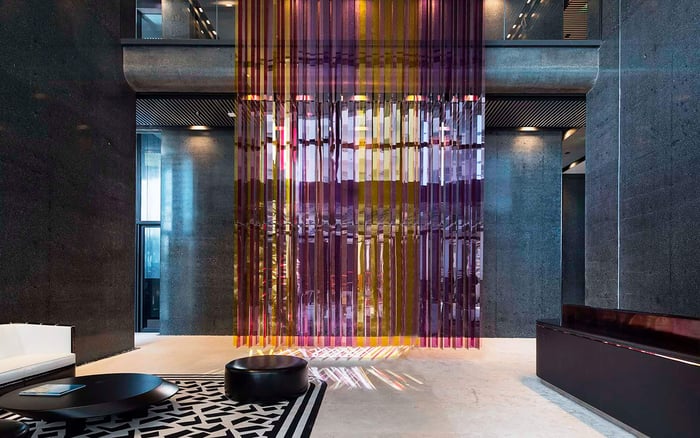
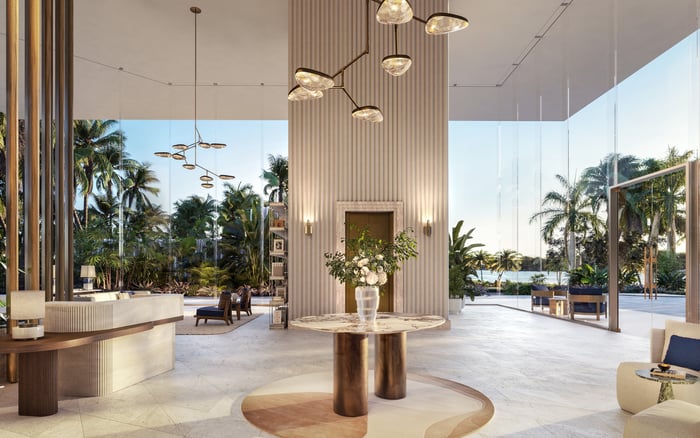
South Florida’s most discerning buyers are no longer choosing between stark minimalism and flamboyant maximalism. Today’s luxury homes increasingly blend warm, natural materials and disciplined planning with selective moments of personality, art, and texture. The result is a calmer kind of opulence that still feels lived-in, especially in a coastal climate where durability and indoor-outdoor flow matter as much as aesthetics.
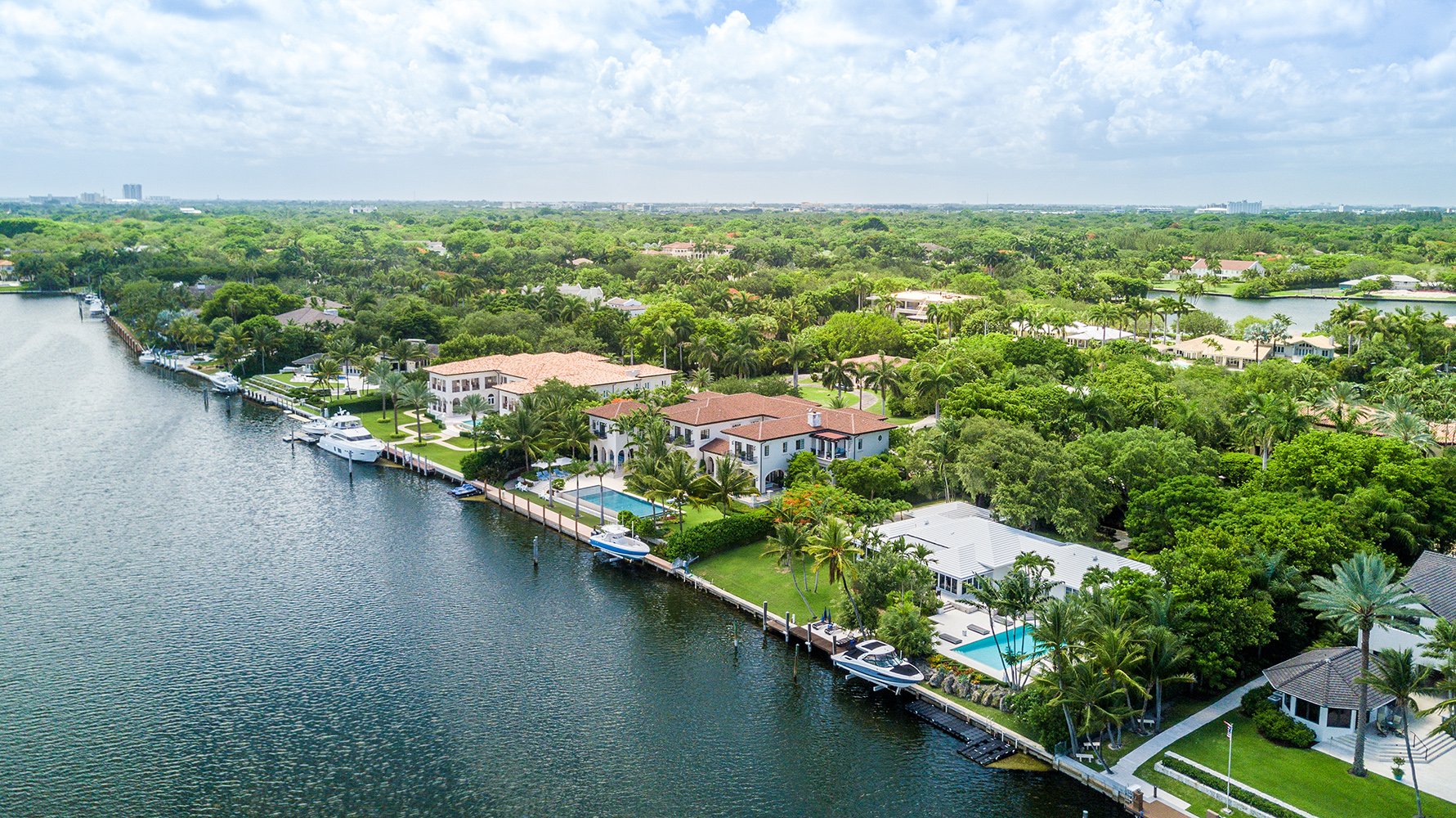
Minimalism versus maximalism can sound like a design quiz. In South Florida luxury real estate, it functions more like a lifestyle indicator. Buyers are not just purchasing finishes. They are buying a mood: privacy without heaviness, glamour without noise, and spaces that can shift from quiet mornings to high-profile entertaining without feeling performative.
Across Miami Beach and the broader coastal market, the sharp, gallery-white minimalism that once defined “modern” is being refined into organic modernism, often framed as warm minimalism. The goal is not less design. It is more intention. Clean lines are softened with wood grain, stone veining, and tactile surfaces that read as serene rather than clinical.
At the same time, maximalism is back, but not as clutter. The strongest version is deliberate and editorial, built through layered texture, era, and pattern with a clear point of view. For many buyers, the practical question is simple: where do you want discipline, and where do you want expression?
South Florida minimalism is moving into a warmer register, favoring natural textures and a controlled palette. This aligns with how luxury buyers actually use their homes: hosting, collecting, traveling, and living with family and staff while still wanting an environment that feels grounded.
Warm minimalism also suits the coastal context. Natural materials and restrained color can feel timeless, and they make it easier to integrate future art acquisitions or furniture updates without redesigning the entire residence. The home stays flexible, which matters when tastes evolve or owners rotate between multiple properties.
In Hillsboro Beach, branded residential offerings have helped codify this preference for curated calm. Consider how Rosewood Residences Hillsboro Beach positions the lifestyle: hospitality-level amenities and a resort sensibility, with interiors frequently marketed around serenity and craft rather than visual intensity. The takeaway is straightforward. A minimalist-feeling home can still deliver a maximal lifestyle when the planning, service, and amenity ecosystem do the heavy lifting.
Maximalism’s renewed relevance is less about volume and more about authorship. It resonates when it feels curated, not chaotic. The rooms that succeed have rules, even when they look collected.
Designer sentiment reflects this direction. In a 1stDibs survey, maximalism and eclecticism ranked among top designer picks, signaling continued appetite for richer, more layered interiors even as minimalism remains influential. In South Florida, where many buyers split time between multiple homes, a collected interior can become the narrative anchor, a place that feels distinctly personal rather than generic.
A useful model is “maximalism with meaning,” where art and objects are integrated into a coherent visual story. Reported design case studies in Miami show couples balancing preferences by placing bolder statements in a few select rooms, allowing the rest of the home to remain quiet and cohesive.
For buyers, this is the permission structure. You do not need one aesthetic identity for an entire residence. You can design by zone.
The most sophisticated South Florida interiors increasingly treat minimalism and maximalism as complementary tools. The architecture provides order; the interiors decide where to add emphasis.
A common formula looks like this:
This is not only aesthetic. It is operationally smart. A calm, minimal core supports daily life, improves sightlines, and tends to photograph well for resale. Expressive rooms, meanwhile, create memorability and make the home feel bespoke without turning every square foot into a statement.
In Miami Beach, newer design-led inventory often leans into this balance. The Perigon Miami Beach is widely marketed around a design-forward team, including architecture by OMA and interiors by Tara Bernerd & Partners. Even setting the marketing language aside, the broader point holds: buyers are prioritizing buildings where the concept is coherent enough to support both restraint and statement.
For those who want a quieter, hotel-like baseline with room for personal layers, Setai Residences Miami Beach speaks to the appeal of refined, hospitality-informed minimalism. The value is not only aesthetic. It is the predictability of the backdrop, which lets a collector rotate pieces seasonally without the home fighting back.
In South Florida, style is inseparable from performance. Humidity, sun exposure, and salt air can punish fragile finishes. That is why the renewed emphasis on stone, wood, and natural texture is not only visual. It is practical.
Luxury-focused trend coverage increasingly highlights durable, timeless natural materials as a response to both climate and changing tastes. For buyers, the material strategy can also resolve the minimalism-maximalism tension:
A related stewardship angle is gaining traction: more interest in reusing and updating existing pieces, including reupholstery. This pairs naturally with curated maximalism. A home can feel collected and responsible at the same time, especially when vintage silhouettes are reinterpreted in performance fabrics that make sense for coastal life.
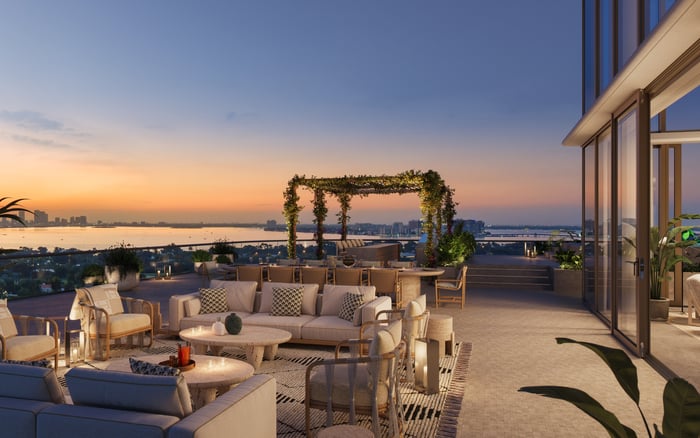
Whether a buyer prefers restraint or spectacle, South Florida luxury design continues to prioritize indoor-outdoor living. Large openings, outdoor rooms, and seamless circulation are not trends here. They are the baseline for comfort, entertaining, and how the climate is experienced.
This is where minimalism often proves its value. A simplified interior allows the landscape, water views, and light to carry the visual impact. But maximalism can also thrive outdoors, where pattern and color read differently against sky, greenery, and evening lighting.
A practical guideline is to treat outdoor spaces as true rooms with a clear program. A breakfast terrace benefits from calm materials and easy maintenance. A sunset lounge can support bolder textiles, sculptural lighting, or a statement bar, especially when the interior architecture remains composed.
Branded luxury residences offer a useful lens for understanding this style spectrum.
Some concepts are positioned around serenity and craftsmanship, reflecting minimalist luxury values through restraint and wellness emphasis. Others communicate maximal luxury through richly detailed public spaces, hospitality storytelling, and material intensity, often without relying on clutter.
Miami Beach offers clear examples of the glamour-forward end. Faena House Miami Beach sits within a broader cultural narrative where art, design, and performance are part of the district’s identity. The design lesson is not that every room must be bold. It is that a building can provide a heightened, art-driven atmosphere while an individual residence remains edited and livable.
Separately, local development narratives have highlighted an Art Deco revival as a way to reintroduce geometry and glamour while meeting modern expectations for privacy and discreet technology. The nuance for buyers matters. Maximalism does not have to mean visual noise. It can mean richer profiles, better detailing, and more considered ornament.
Instead of selecting a style label, evaluate the home as a long-term asset with daily usability.
Start with the envelope. If the architecture has strong proportion and planning, you can live minimally or maximally inside it. If the envelope is busy or poorly resolved, decorating will not fix it.
Decide where calm is non-negotiable. Primary suite, kitchen circulation, and daily living zones typically benefit from warm minimalism: fewer visual interruptions, better storage discipline, and materials that age well.
Assign your “statement rooms.” Libraries, lounges, powder rooms, and dining rooms are ideal for maximalist expression. This approach also helps couples with different preferences, because it turns taste into a plan.
Curate first, decorate second. Maximalism succeeds when it is intentional. Build around a few anchor pieces, such as a major artwork, a sculptural dining table, or a heritage textile that can guide the palette.
Think about resale, but do not design for a stranger. A calm architectural baseline and durable materials tend to translate across buyer profiles. Curated layers should be meaningful, but also removable, so the home can transition cleanly if you sell.
What is “warm minimalism,” and why is it popular in South Florida? Warm minimalism keeps clean contemporary lines but adds natural materials and texture, creating a calmer, more livable luxury that suits coastal light and indoor-outdoor living.
Can maximalism hurt resale value? Overly personal built-in finishes can narrow the buyer pool, but curated maximalism typically lives in furniture, art, and textiles. With a timeless architectural base, the layers can be adjusted for resale.
How do I combine minimalist architecture with a serious art collection? Use the home’s quiet zones as gallery-like backdrops with controlled lighting and storage discipline, then concentrate bolder color and pattern in select rooms where the collection is contextualized.
Which rooms should stay minimal in a high-end coastal home? Many buyers keep the primary suite, kitchen, and main circulation calm, emphasizing durable materials and thoughtful storage, then express personality in dining, lounge, and powder rooms.
For discreet guidance on South Florida luxury real estate and design-led buildings, connect with MILLION Luxury.
If branded residences are on your mind — as a home or as an allocation — we would be glad to share what we are seeing, privately.
Begin a quiet conversation