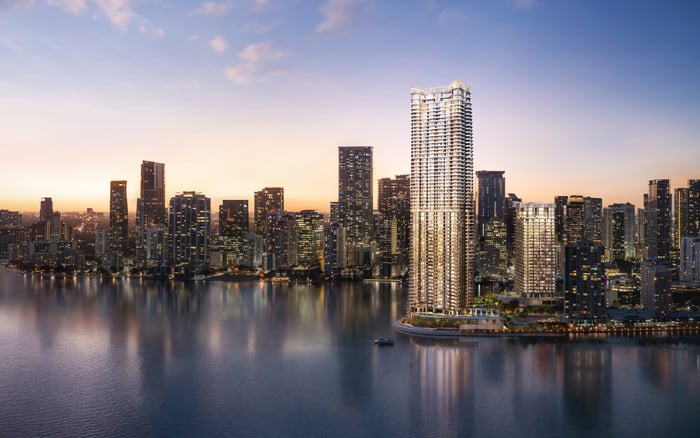
A buyer-focused editorial on why acoustic privacy is central to quiet luxury at Delano Residences & Hotel Miami and comparable South Florida branded residences.
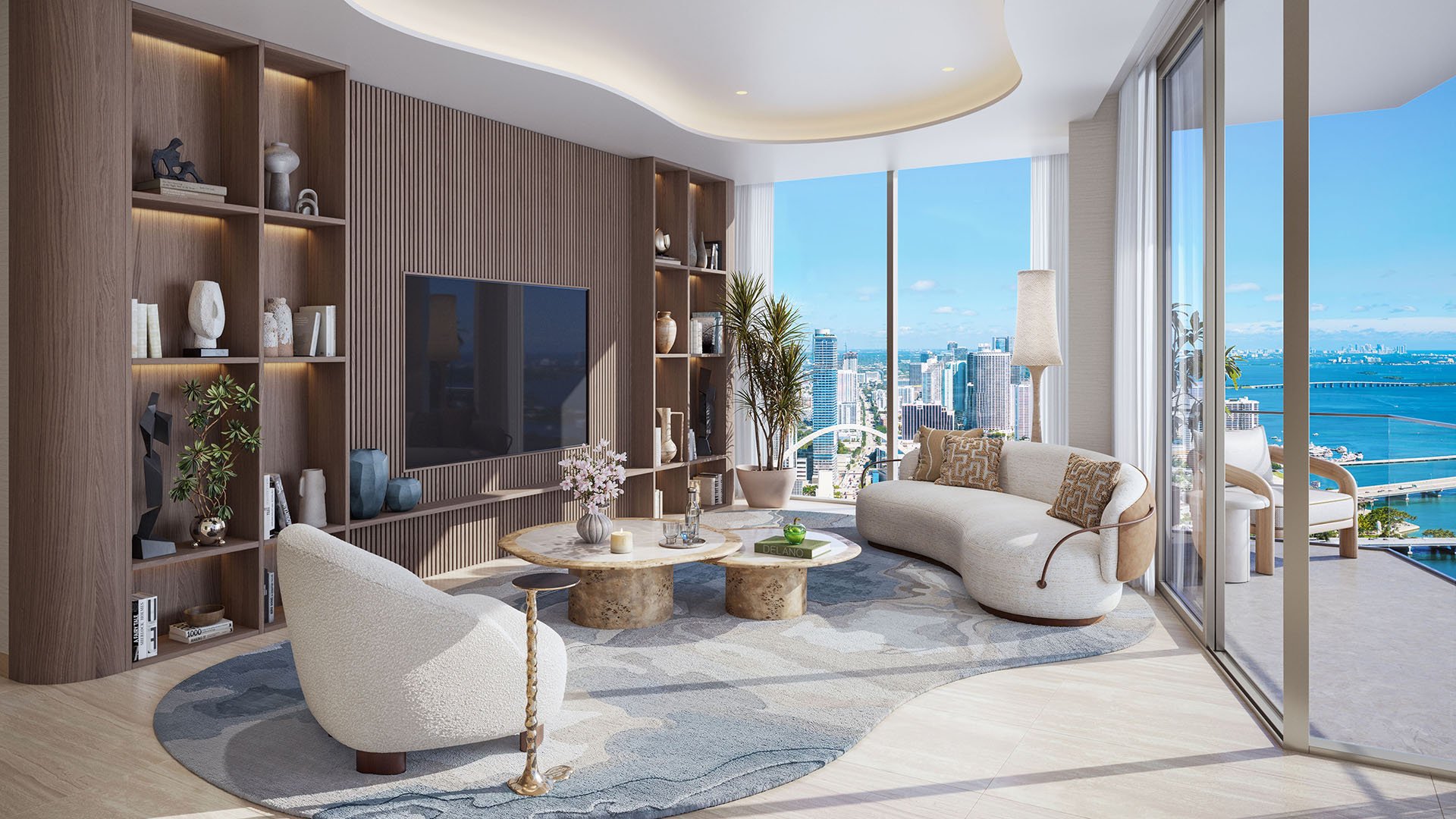
In South Florida’s upper tier, the luxury conversation is no longer defined only by views, finishes, private elevators, or branded hospitality. The most discerning buyers are looking more closely at the invisible architecture of daily life: privacy, calm, and the ability to retreat completely once the residence door closes. For Delano Residences & Hotel Miami, that makes soundproofing between residences more than a technical detail. It is part of the project’s quiet luxury proposition.
Sound is emotional. A faint television through a party wall, footsteps above a primary suite, music traveling through a corridor, or mechanical vibration near a bedroom can alter how a residence feels. In a market where buyers often compare trophy addresses by lifestyle rather than square footage alone, acoustic separation can determine whether a home feels serene, compromised, or truly private.
The point is not to overstate what any single building has or has not specified. The point is to frame the right question. In a hotel-residential setting such as Delano Residences & Hotel Miami, buyers should evaluate sound control with the same seriousness they apply to ceiling heights, views, terrace depth, and service programming.
A residence connected to hotel energy carries an appealing promise: arrival, service, design, food and beverage, and an elevated social rhythm close at hand. Yet that same vibrancy is precisely why acoustic planning matters. The strongest branded residential environments allow owners to enjoy amenity life without importing it into the home.
The practical question is not simply whether a building is “quiet.” It is where sound might travel. Neighbor-to-neighbor transmission can move through walls, floors, ceilings, doors, plumbing chases, façade systems, and corridors. Amenity floors, elevator banks, back-of-house areas, and hotel circulation can also influence the experience, especially for residences near shared spaces.
For buyers, this creates a more sophisticated diligence category. A beautiful lobby and a graceful residence layout are visible during a tour. Acoustic performance is usually understood through documents, construction assemblies, field testing, and the developer’s approach to details. In the ultra-premium segment, that hidden discipline often separates a polished project from a genuinely restful home.
The first question is separation between adjacent residences. Buyers can ask how party walls are designed, whether assemblies include resilient components, and how penetrations for outlets, pipes, and vents are treated. Even a well-built wall can underperform if sound finds a shortcut through small gaps or shared cavities.
The second question concerns impact noise. In high-rise living, footsteps, dropped objects, and furniture movement often matter as much as voices. Floor and ceiling assemblies, underlayment, slab design, and finish selections can influence how sound transfers vertically. This is especially relevant for buyers considering bedrooms below living spaces or residences below amenity uses.
The third question is about doors and corridors. A heavy entry door with strong seals can be the difference between a private foyer and an audible hallway. Elevator lobbies, service corridors, and trash rooms deserve attention because they are not always top of mind during a sales presentation.
The fourth question is mechanical. Air-conditioning equipment, exhaust systems, pumps, and vertical shafts can create low-level noise that becomes more noticeable at night. Buyers should understand where equipment sits relative to primary bedrooms, dens, and terraces.
Miami’s luxury skyline is increasingly shaped by residences that pair high design with hospitality, wellness, and lifestyle access. That is especially visible across Downtown and Brickell, where buyers may compare Delano with projects such as Waldorf Astoria Residences Downtown Miami, Faena Residences Miami Downtown Miami, and St. Regis® Residences Brickell.
These comparisons are not only about brand language. They are about how an owner wants to live. A buyer who hosts often may prioritize entertaining areas and service adjacency. A buyer who uses the residence as a second home may prize a bedroom wing that feels insulated after a late arrival. A family may look closely at how children’s rooms, media rooms, and staff areas relate to neighboring units.
For search clarity, many buyers compare Downtown with Brickell and Miami Beach, especially across new-construction, condo-hotel, and high-floor inventory. The common thread is control. The higher the density of services, amenities, and views, the more important it becomes for the private residence to feel acoustically composed.
Acoustic privacy is difficult to photograph, but easy to remember. A buyer who tours a residence and senses calm may not immediately identify why it feels elevated. Conversely, a buyer who hears neighboring activity may carry that impression long after leaving.
That makes soundproofing a form of resale protection. It supports the feeling of quality without relying on ornament. It reinforces sleep, work, entertaining, and long stays. It also aligns with a broader luxury shift away from visual excess and toward sensory control. The most valuable homes are not merely impressive at sunset. They function beautifully at midnight, during a conference call, after a flight, and on a quiet Sunday morning.
This is why buyers looking beyond Downtown may apply the same lens to waterfront and resort-style residences, from The Residences at Mandarin Oriental, Miami to select Miami Beach and bayfront offerings. The address may change, but the standard remains consistent: the residence should protect the owner’s private atmosphere.
For Delano Residences & Hotel Miami, the soundproofing conversation belongs at the center of buyer diligence, not at the end. Quiet luxury is often described through materials, palette, lighting, and proportion. In practice, it is also the absence of intrusion. It is the sense that the home has been composed for living, not just photographed for launch.
A careful buyer should not accept general assurances where technical specificity is possible. Ask about assemblies. Ask about testing. Ask about mechanical locations. Ask how hotel and residential uses are separated in daily operation. Ask which details are designed to keep energy in the public realm and tranquility inside the private residence.
The best luxury buildings understand that privacy is architectural, operational, and emotional. In that context, soundproofing is not a secondary upgrade. It is one of the purest expressions of discretion.
Why does soundproofing matter in a luxury residence? It protects sleep, privacy, entertaining, and daily comfort. In the ultra-premium segment, quiet can be as important as view or finish quality.
Is soundproofing especially important in a hotel-residential building? Yes. Hotel-adjacent living can bring service and energy, so buyers should understand how private residences are separated from shared and hospitality areas.
What should buyers ask about walls between residences? Ask how party walls are designed and how outlets, plumbing penetrations, and other potential sound paths are sealed or isolated.
What is impact noise? Impact noise is sound from footsteps, furniture movement, or objects contacting floors. It usually relates to floor, ceiling, slab, and underlayment design.
Can an entry door affect acoustic privacy? Yes. Door weight, perimeter seals, thresholds, and corridor layout can all influence how much hallway sound enters a residence.
Should mechanical equipment be part of buyer diligence? Absolutely. Buyers should understand equipment locations, shafts, pumps, and ventilation paths near bedrooms and quiet rooms.
Is acoustic quality visible during a sales tour? Not always. It is often confirmed through specifications, construction details, testing, and careful attention to building systems.
Does quietness influence resale? It can. A calm residence can leave a strong impression on future buyers, especially in dense, amenity-rich luxury buildings.
How should buyers compare Delano with other Miami projects? Compare not only brand and amenities, but also residence separation, bedroom placement, corridor exposure, and mechanical adjacency.
What is the best way to shortlist comparable options for touring? Start with location fit, delivery status, and daily lifestyle priorities, then compare stacks and elevations to validate views and privacy.
To compare the best-fit options with clarity, connect with MILLION.
If branded residences are on your mind — as a home or as an allocation — we would be glad to share what we are seeing, privately.
Begin a quiet conversation