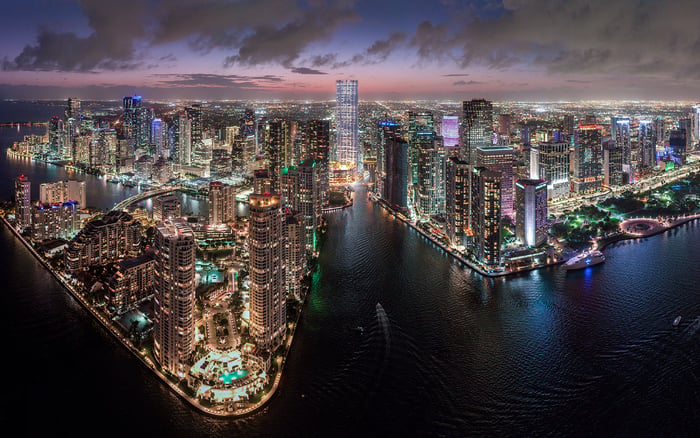
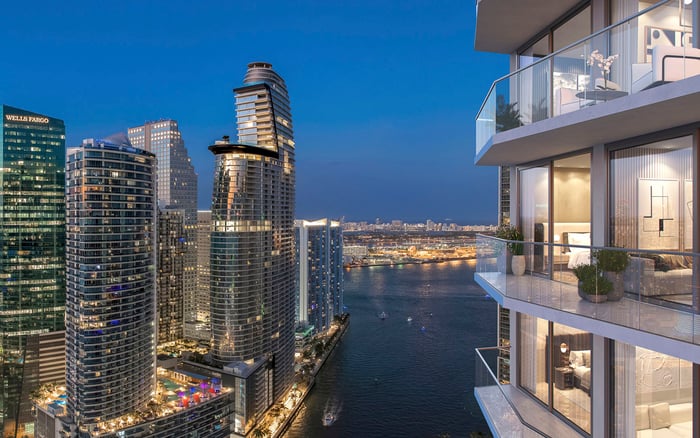
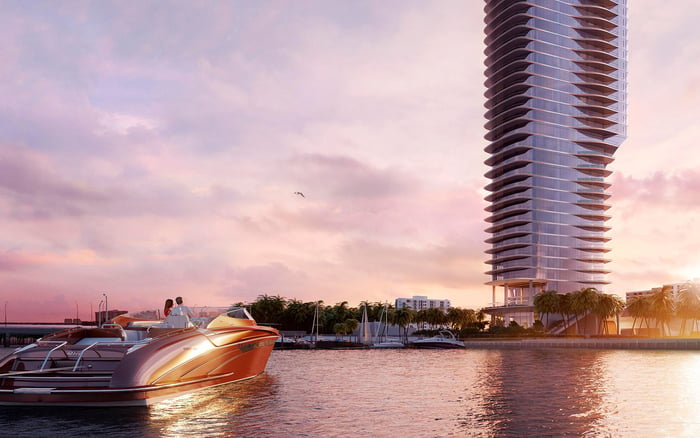
Brightline-connected travel is changing how luxury buyers think about South Florida ownership, shifting the focus from a single address to a more flexible lifestyle radius.
For years, South Florida luxury ownership turned on a familiar question: beach, bay, island, golf, or city. Brightline-connected travel has made that decision more precise. The issue is no longer only where a buyer wants to wake up, but how effectively that address supports movement across the region.
That distinction matters. A residence can now be judged less as an isolated trophy and more as a private base within a broader personal circuit. Meetings, dining, art, family visits, airport access, marinas, wellness routines, and weekend escapes all enter the ownership calculus. The most sophisticated buyers are not simply chasing proximity. They are seeking optionality.
This is where the South Florida ownership question becomes more interesting. A buyer may prefer the calm of a waterfront enclave, the energy of a business district, or the discretion of a boutique coastal address. Brightline-connected travel does not erase those preferences. It clarifies them by asking which home should serve as the anchor, which should serve as the occasional retreat, and which location may be better rented or avoided altogether.
In a market defined by multiple centers of gravity, the strongest address is often the one that protects time. That may mean a lock-and-leave condominium in an urban core, a waterfront home for weekends, or a full-service residence that allows the owner to arrive, reset, and move on without friction.
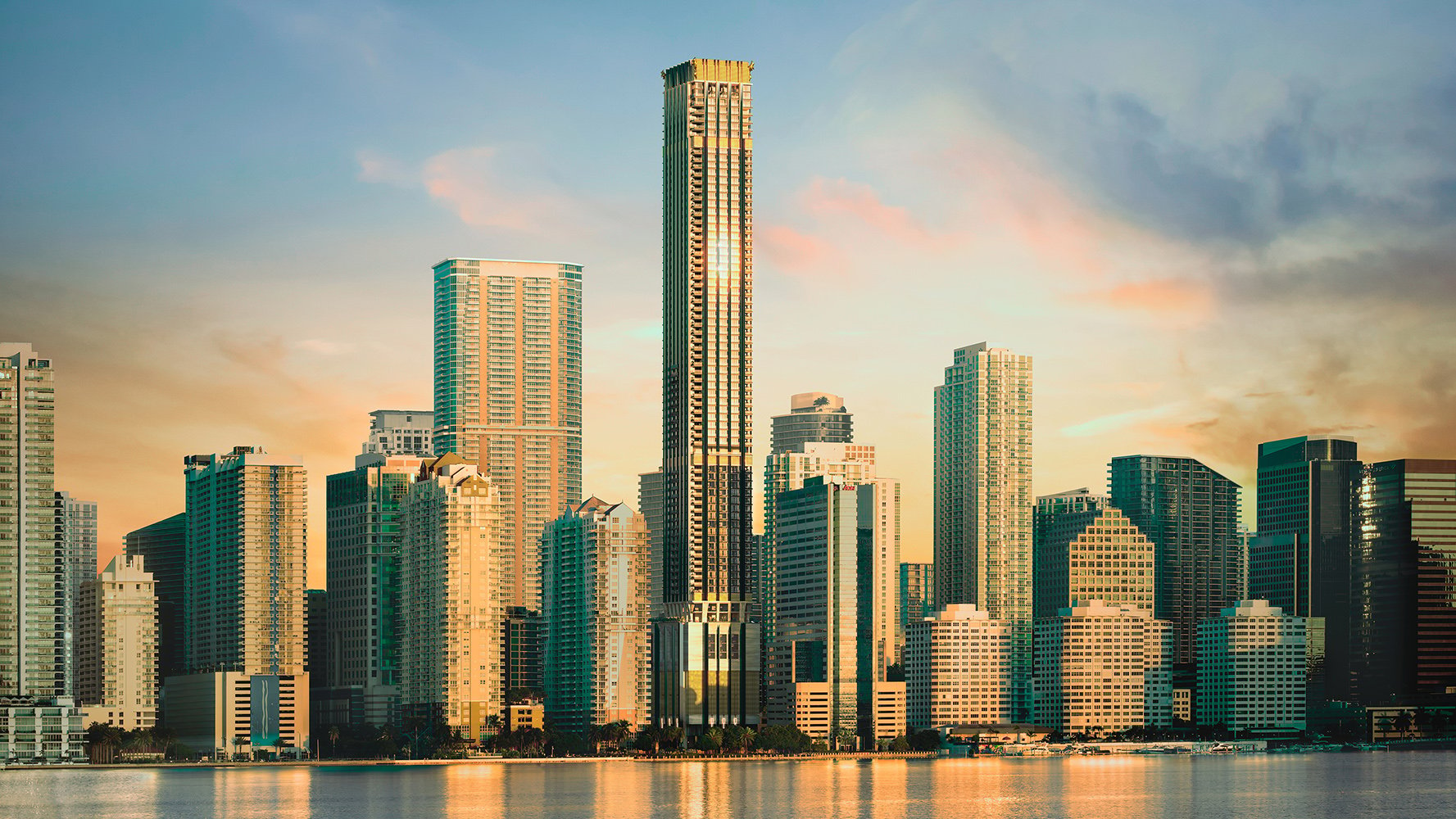
For a buyer focused on Brickell, the appeal is clear: an urban ownership posture with dining, finance, hospitality, and cultural energy close at hand. A residence such as 2200 Brickell fits naturally into that conversation because it speaks to buyers who want Miami to function as a working base as much as a leisure destination.
The regional base, however, does not need to be in Miami. A Fort Lauderdale buyer may prioritize a different tempo, balancing water-oriented living with access to a broader South Florida itinerary. In that context, Sixth & Rio Fort Lauderdale belongs in the discussion for those considering a refined Broward position without surrendering connectivity.
Brightline-connected travel draws a practical line between a pied-à-terre and a true primary residence. The first should remove effort. The second must support everyday life. Confusing the two is where expensive mistakes begin.
A pied-à-terre can be smaller, more service-driven, and closely tied to arrival and departure patterns. It should feel seamless for short stays, allowing the owner to move from transit to dinner, from meetings to rest, and from a weekend visit back into the rhythm of travel. A primary residence requires a deeper test: storage, privacy, pet needs, family routines, school considerations, guest flow, security, outdoor space, and long-term comfort.
For the West Palm Beach buyer, this distinction is especially relevant. Some owners may want a compact, elegant base for culture, dining, and business access. Others may want a more settled Palm Beach County lifestyle. Projects such as Mr. C Residences West Palm Beach invite that conversation because they allow buyers to consider a hospitality-influenced residential experience in a location that can function beyond the occasional weekend.
Prestige still matters in South Florida. It remains part of the market’s language. Yet Brightline-connected ownership rewards usefulness in a way pure status sometimes does not. The most coveted address for entertaining may not be the best address for a weekly commute. The most serene waterfront residence may not be the most practical lock-and-leave. The most recognizable tower may not be the one that improves a buyer’s actual life.
That is why the right conversation begins with rhythm. How often will the owner arrive? From where? At what time of day? Will the residence be used alone, with family, with staff, or with guests? Is the property meant to hold value as an Investment, simplify travel as a Second-home, or become the center of life in South Florida?
New-construction can be appealing in this context because buyers often want modern layouts, current systems, private amenities, and a cleaner ownership experience. Still, newness alone is not the answer. The residence must serve the intended pattern of use. An elegant floor plan that is poorly matched to the owner’s movement will feel less luxurious with every visit.
A growing number of affluent buyers think less in terms of one perfect location and more in terms of a north-south strategy. One residence may provide the professional base. Another may provide the weekend escape. A third market may remain purely aspirational until the buyer’s life pattern justifies it.
Boca Raton, for example, attracts buyers who may want a calmer residential identity while still remaining within the larger South Florida conversation. A project like The Residences at Mandarin Oriental Boca Raton suits buyers comparing the comfort of a more composed setting with the pull of Miami, Fort Lauderdale, or Palm Beach.
The key is not to overbuy for an imagined lifestyle. A buyer who will use Miami three nights a week should not pretend that a distant weekend property will solve the weekday problem. A buyer who visits seasonally should not necessarily pay for a primary-residence footprint. The elegant decision is the honest one.
Before choosing a Brightline-connected ownership position, buyers should define the role of the residence in plain terms. Is it a landing pad, a social address, a family base, a wellness retreat, a business platform, or a legacy asset? Each answer points toward a different property type.
Then comes the friction test. A luxury residence should reduce resistance. If every stay requires complicated transfers, excessive coordination, or repeated compromises, the address may be beautiful but poorly matched. Conversely, a residence that quietly saves time can feel more valuable than one with louder signals of prestige.
Brickell buyers may look toward residences such as The Residences at 1428 Brickell when the goal is a serious Miami base with a polished urban identity. Coastal buyers may choose another logic entirely. The point is not that one submarket wins. The point is that the residence must answer the owner’s calendar.
The most refined South Florida buyers are not asking whether Brightline-connected travel makes one city better than another. They are asking how it changes the cost of time. When movement becomes easier, ownership can become more strategic. A buyer can separate work from leisure, privacy from visibility, and daily needs from seasonal pleasure.
That does not make every connected address equal. Some properties will feel natural for short stays. Others will reward deeper residence. Some will be better suited to entertaining. Others will be preferred for recovery, family, or privacy. The true luxury is not mobility itself. It is the ability to choose the right degree of mobility without compromising the feeling of home.
In practical search language, the brief may include Brickell, Fort Lauderdale, West Palm Beach, New-construction, Second-home, and Investment. In lived terms, however, the question is simpler: does this residence make South Florida easier, more pleasurable, and more personal?
How does Brightline-connected travel affect luxury real estate decisions? It encourages buyers to evaluate a residence by regional usefulness, not neighborhood prestige alone. Time, arrival patterns, and lifestyle radius become more important.
Should buyers choose Miami if they want the most flexible base? Miami can be highly practical for some owners, especially those with business, dining, or cultural priorities. The best choice still depends on the buyer’s weekly rhythm.
Is a pied-à-terre better than a larger primary residence? A pied-à-terre works when the goal is short, efficient stays. A primary residence is better when the home must support daily life, family routines, and longer occupancy.
Does rail-connected travel make waterfront property less important? No. Waterfront living remains a powerful preference. Connectivity simply adds another layer to the decision, especially for buyers balancing multiple South Florida destinations.
What should a buyer prioritize first? Start with use pattern. The most important question is how often the residence will be occupied and what the owner needs to accomplish while there.
Can Fort Lauderdale work as a luxury base? Yes, for buyers who prefer its tempo and water-oriented lifestyle. It can also serve as a strategic midpoint within a broader South Florida routine.
Why consider West Palm Beach? West Palm Beach can appeal to buyers seeking a polished urban experience with proximity to Palm Beach County’s cultural and residential atmosphere.
Is new construction always the safer choice? Not always. New construction may offer modern convenience, but the building must still match the owner’s lifestyle, timing, and privacy expectations.
How should investors think about this trend? Investors should focus on durable lifestyle demand and practical access. A residence that saves time may have broader appeal than one relying only on image.
What is the simplest way to choose the right location? Map the owner’s real routine before comparing buildings. The right address should make South Florida feel more effortless, not more complicated.
For a confidential assessment and a building-by-building shortlist, connect with MILLION.
If branded residences are on your mind — as a home or as an allocation — we would be glad to share what we are seeing, privately.
Begin a quiet conversation