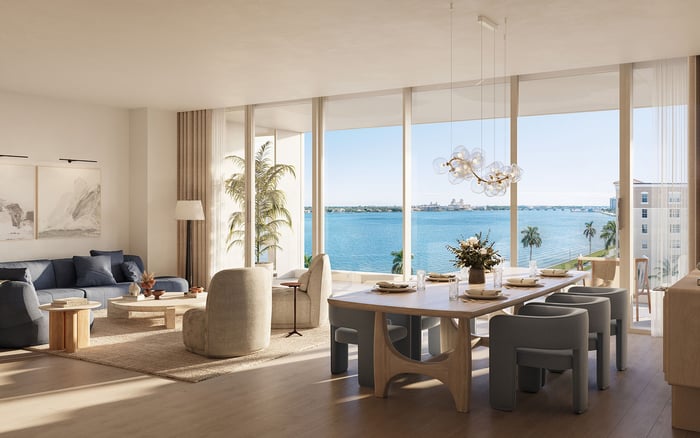
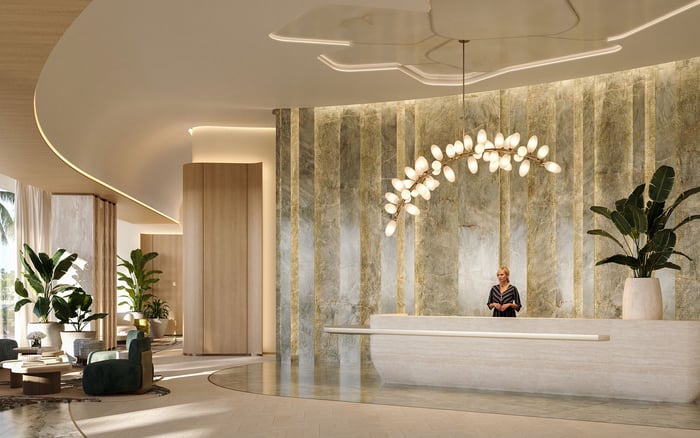
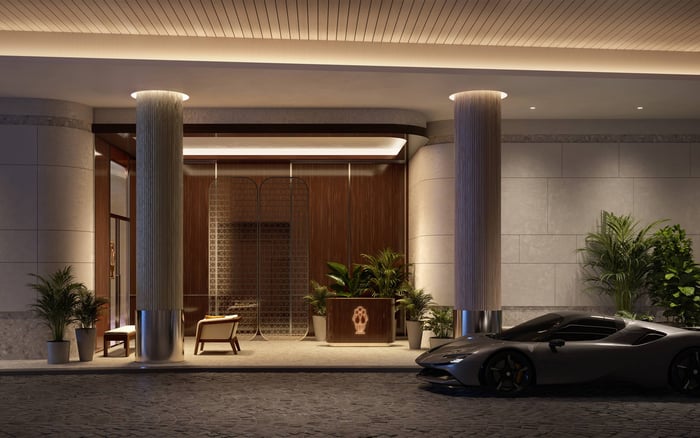
A discreet buyer’s guide to the lifestyle divide between South Flagler’s quieter residential rhythm and Downtown West Palm Beach’s more walkable, service-rich urban cadence.
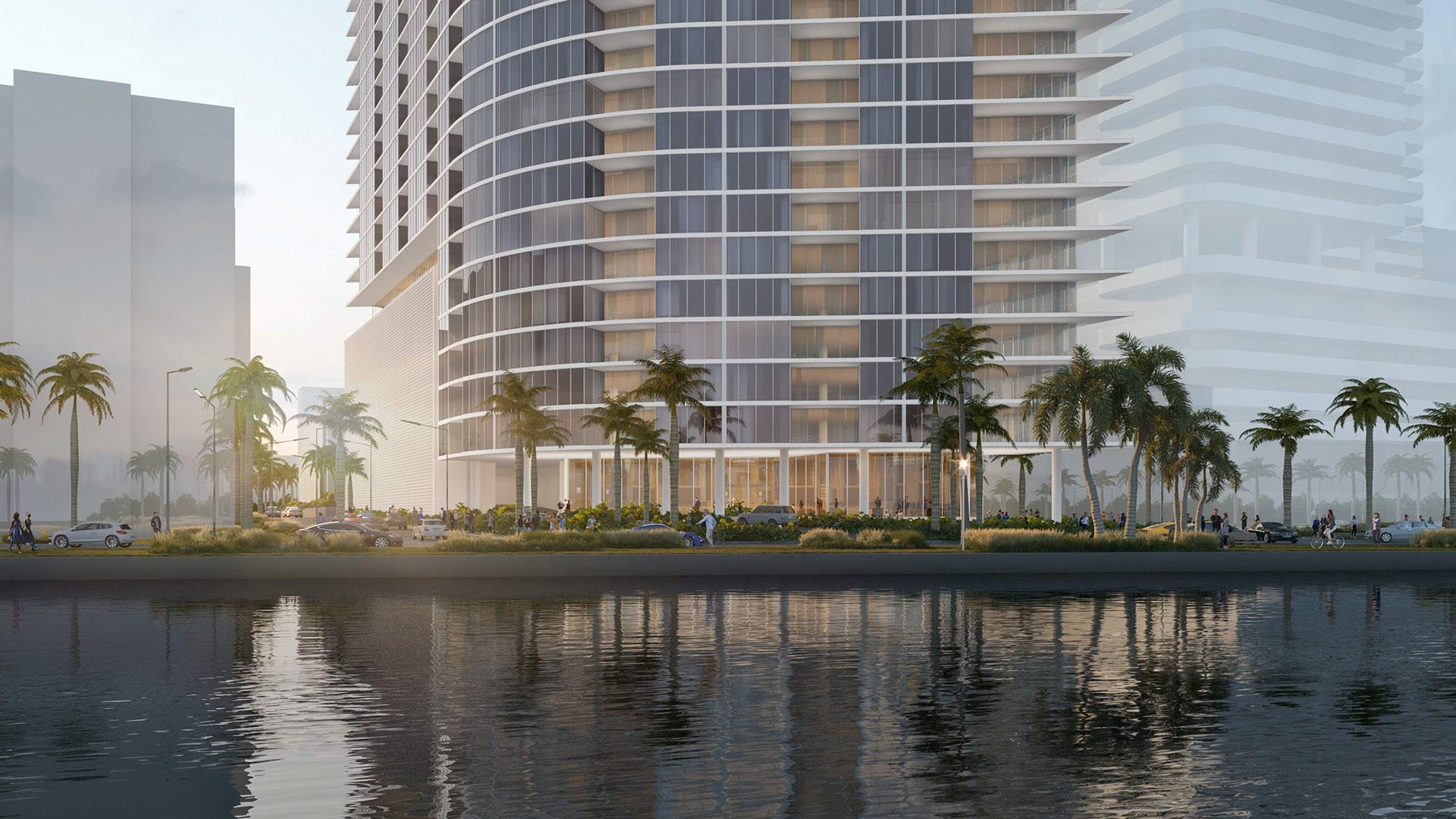
South Flagler and central West Palm Beach are often discussed as one continuous luxury market. In practice, they ask different questions of a buyer. One is about composure, privacy, and the pleasure of returning to a quieter residential setting. The other is about proximity, choice, and the ease of making the city part of daily life.
For the ultra-premium buyer, the distinction is not simply whether a home sits near shops or apart from them. It is how the building is expected to perform. A South Flagler address tends to emphasize arrival, discretion, and retreat. A more central West Palm Beach setting places greater pressure on the residence to function as both home and concierge platform, with quick access to dining, errands, wellness, and social plans.
That is why residences such as South Flagler House West Palm Beach are best understood through lifestyle tempo as much as architecture. The buyer is not only selecting a floor plan. The buyer is choosing how often the outside world should enter the day.
Walkability in a luxury context is rarely about counting steps. It is about whether the walk feels natural, useful, and desirable at the times a resident actually wants to use it. Some buyers want a morning route that feels meditative. Others want a spontaneous dinner plan that requires no car. A third group wants both, though not necessarily from the same address.
South Flagler’s appeal is often tied to a more residential pattern. The walk becomes part of decompression, a way to move through the day without making the city feel constantly present. In central West Palm Beach, walkability becomes more programmatic. It supports decisions made in real time: coffee, a salon appointment, a meeting, a drink before dinner, a last-minute gift.
This difference changes the way buyers should tour property. On South Flagler, the relevant question is how the home feels when leaving and returning. In a more Downtown environment, the question is how much of daily life can be handled without coordination.
The South Flagler buyer often values service that is felt rather than seen. At its best, it is calm, exacting, and quietly anticipatory. Staff presence should reduce friction without turning the residence into a stage. Privacy is not merely a building feature. It becomes the organizing principle behind valet flow, guest arrival, deliveries, pet routines, and the transition from public to private space.
That expectation explains why projects along or near this corridor are often evaluated through the choreography of arrival. At Forté on Flagler West Palm Beach, for example, the name itself places the conversation squarely on Flagler, where buyers tend to focus on how the residence relates to the water-facing side of the city and how quietly the building supports daily life.
Service here should not feel theatrical. It should feel edited. The front desk remembers preferences, the valet experience is smooth, and building operations preserve the sense that home remains separate from the energy of the city.
In central West Palm Beach, service expectations become more active. The resident may want restaurant coordination, transportation timing, package management, housekeeping access, wellness scheduling, and guest handling to support a faster lifestyle. The building becomes a private base camp for an urban day.
This is where walkability and service merge. If a buyer can leave for dinner on short notice, return with guests, receive deliveries efficiently, and move between appointments without a car, the residence has to support that rhythm. The service model is less about invisibility alone and more about precision under movement.
Projects such as Mr. C Residences West Palm Beach speak to this type of buyer psychology. The attraction is not only the address. It is the possibility of living with a more fluid relationship between home, hospitality, and the surrounding city.
Boutique living can mean different things on each side of the equation. On South Flagler, boutique often suggests intimacy, fewer layers between resident and staff, and a more residential sense of recognition. The ideal is quiet familiarity. Residents want to be known without being observed.
Closer to the city core, a boutique scale may appeal to buyers who want walkability without sacrificing a feeling of personal control. The challenge is balance. A highly walkable setting can bring convenience, but discerning buyers still want the building threshold to feel composed.
That is the lens through which a project like Alba West Palm Beach becomes part of the broader conversation. The decision is not simply whether the address is calm or connected. It is whether the building’s service culture matches the way the owner actually lives.
The most useful exercise is to map a week, not a weekend. Where will breakfast happen on an ordinary Tuesday? How often will the resident host? Is the car part of daily pleasure or daily friction? Does the owner prefer a serene return after dinner, or the ability to extend the evening without planning?
For some, South Flagler will feel more enduring because it emphasizes permanence and restraint. For others, central West Palm Beach will feel more efficient because it compresses lifestyle into a smaller, more walkable radius. Neither is inherently better. The better address is the one that reduces the most friction for the buyer’s real life.
A residence such as Shorecrest Flagler Drive West Palm Beach helps illustrate the nuance: Flagler-oriented living can appeal to buyers who want the grace of a quieter setting while remaining in conversation with West Palm Beach. The sophisticated decision is not to chase the liveliest location or the quietest one. It is to choose the level of proximity that still feels private.
Is South Flagler more private than central West Palm Beach? It is generally perceived as the calmer choice, especially for buyers prioritizing discretion and residential rhythm.
Is Downtown better for walkability? Downtown typically appeals to buyers who want more daily needs, dining, and social plans within easier reach.
What does service mean in a South Flagler building? It usually means quiet efficiency, refined arrivals, and staff presence that feels discreet rather than performative.
What does service mean in central West Palm Beach? It often means active lifestyle coordination, from guest handling to transportation timing and daily conveniences.
Should second-home buyers prioritize walkability? Only if they plan to use the residence as an effortless base for restaurants, wellness, shopping, and social plans.
Do full-time residents evaluate these areas differently? Yes. Full-time residents tend to focus more heavily on routines, storage, arrivals, staff interaction, and errands.
Is a quieter address less convenient? Not necessarily. It may simply require a different relationship with driving, valet service, and planned movement.
Can a walkable location still feel private? Yes, if the building manages arrivals, amenities, and resident circulation with enough control and discretion.
Are boutique buildings better for service? They can feel more personal, but execution matters more than size. The culture of the building is decisive.
What is the best way to compare these locations? Tour them at the times you would actually live there: morning, early evening, and after dinner.
For a tailored shortlist and next-step guidance, connect with MILLION.
If branded residences are on your mind — as a home or as an allocation — we would be glad to share what we are seeing, privately.
Begin a quiet conversation