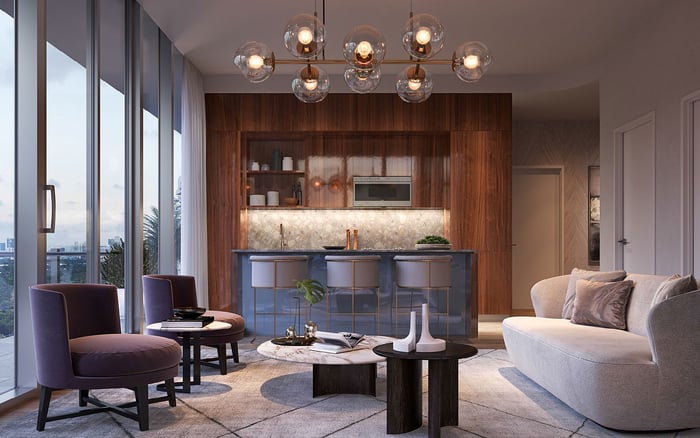
A refined second-home strategy begins before the property search. In 2026, homestead planning can help affluent South Florida buyers clarify residency intent, ownership structure, use patterns, and long-term family goals before selecting a residence.

For ultra-premium buyers, a South Florida residence is rarely just a place to stay. It is a family base, a tax conversation, a succession decision, a lifestyle statement, and often a future liquidity asset. That is why homestead planning belongs at the beginning of the second-home process, not after the contract is signed.
In simple terms, homestead planning asks one disciplined question: which residence should carry primary personal intent, and how should every other residence be organized around that answer? The details require qualified legal and tax guidance, but the strategic value is clear. When a buyer understands residency posture, title preferences, family usage, privacy needs, and long-term estate objectives, the property search becomes sharper and more deliberate.
For 2026, the stronger second-home strategy is not necessarily the most dramatic purchase. It is the one that aligns the residence with how the owner actually lives, travels, protects assets, hosts family, and plans for the next generation.
Many buyers begin with architecture, views, and service. Those elements matter, but they are not the whole brief. Homestead planning introduces a more consequential filter: will the South Florida property be treated as the principal residence, a seasonal retreat, a family gathering point, or a flexible asset within a broader portfolio?
Each answer points toward a different product. A buyer expecting substantial weekday presence may prioritize privacy, parking, storage, security, and proximity to business routines. A buyer seeking seasonal refuge may value arrival experience, lock-and-leave ease, wellness spaces, and guest separation. A family creating a multigenerational base may focus on bedroom configuration, staff flow, children’s spaces, and the ability to host without compromising owner privacy.
This is where a residence in Brickell can mean something very different from a beachfront home or a quieter village setting. A buyer evaluating The Residences at 1428 Brickell may be thinking about urban access and a polished weekday rhythm, while another buyer may want a coastal cadence that feels deliberately removed from the business day.
Investment logic matters, but it should not overpower the personal plan. A second home may appreciate, generate optionality, or provide future resale flexibility, yet the wrong ownership structure or unclear residency intent can weaken the elegance of the purchase.
The strongest planning begins with a private balance sheet view. How many residences does the family already maintain? Which property is emotionally permanent? Which one is strategic? Which one may eventually be transferred, sold, rented, or retained for heirs? These questions are not only financial. They define the role of each property in the family’s life.
In South Florida, this often becomes a choice among distinct lifestyles. The buyer’s map may read like a set of preferences: Brickell for city access, Miami Beach for resort rhythm, Coconut Grove for village calm, and West Palm Beach for a refined seasonal base. The language may be simple, but the planning beneath it should be exact.
Title decisions should not be made casually. The way a property is owned can affect privacy, financing, estate planning, family governance, and administration. Homestead planning gives advisors the context to recommend a structure that reflects actual use rather than theoretical convenience.
If the residence is intended for personal use, the plan may look different from a property intended for guests, adult children, or periodic rental consideration. If the owner expects to spend meaningful time in the residence, documentation and consistency become more important. If the home is one part of a larger family office strategy, governance may matter as much as design.
This is why timing matters. Structure is easier to refine before acquisition than to correct after closing. A buyer considering The Perigon Miami Beach, for example, should ask not only whether the residence suits the desired lifestyle, but also how it fits into the owner’s broader legal, tax, and estate architecture.
South Florida’s luxury corridors offer very different forms of privacy, access, and daily life. Homestead planning helps buyers translate those differences into practical decisions. The question is not simply where the buyer wants to be seen. It is where the buyer can live consistently with the plan.
A residence in Coconut Grove may appeal to someone seeking a softer pace, established greenery, and a more residential rhythm. A buyer exploring Four Seasons Residences Coconut Grove may be weighing a lifestyle that feels composed rather than performative. By contrast, a West Palm Beach address can support a seasonal social calendar with a different geography of clubs, dining, family visits, and airport patterns.
For buyers considering The Ritz-Carlton Residences® West Palm Beach, the planning conversation should include how often the residence will be occupied, who will manage it when vacant, and whether the property is meant to become more important to the family over time.
The most refined acquisitions are rarely rushed. Before offers are written, buyers should align their advisory team on residency intent, estate considerations, privacy preferences, insurance review, financing approach, and operating expectations. None of this diminishes the romance of the search. It protects it.
The goal is not to reduce a residence to a spreadsheet. The goal is to ensure that the pleasure of ownership is not undermined by avoidable complexity. In 2026, the buyer who plans first can move with greater confidence when the right residence appears.
New-construction residences can be especially compelling for buyers who want a clean starting point, but the planning work remains the same. Service, design, and location should support the ownership plan, not distract from it.
What is homestead planning in a second-home context? It is the process of clarifying which residence is intended to function as the primary personal base and how other homes should be structured around that decision.
Should homestead planning happen before buying? Yes. Planning before acquisition can help align title, financing, residency intent, and estate considerations before choices become harder to adjust.
Does every South Florida second-home buyer need advisors? Affluent buyers should involve qualified legal, tax, and estate advisors because the right approach depends on personal circumstances and jurisdictional details.
Can a second home still be part of an investment strategy? Yes, but investment goals should be balanced with personal use, family priorities, ownership structure, and long-term flexibility.
How does location affect the plan? Location influences daily use, privacy, access, maintenance, guest patterns, and whether the residence realistically supports the buyer’s intended lifestyle.
Is a condominium easier for seasonal use? It can be, especially for buyers who value managed services and lock-and-leave convenience, but the right choice depends on the family’s needs.
Should family succession be discussed early? Yes. If the property may be retained for heirs or shared across generations, succession planning should inform the acquisition from the beginning.
Does privacy matter in homestead planning? Privacy can affect title strategy, staffing, access, security, and how the owner’s presence is managed across multiple residences.
Can plans change after closing? They can, but post-closing changes may be less efficient than planning carefully before the purchase is completed.
What is the first step for a 2026 buyer? Begin with a clear statement of how the residence will be used, then have advisors review structure before the property search becomes emotional.
For a tailored shortlist and next-step guidance, connect with MILLION.
If branded residences are on your mind — as a home or as an allocation — we would be glad to share what we are seeing, privately.
Begin a quiet conversation