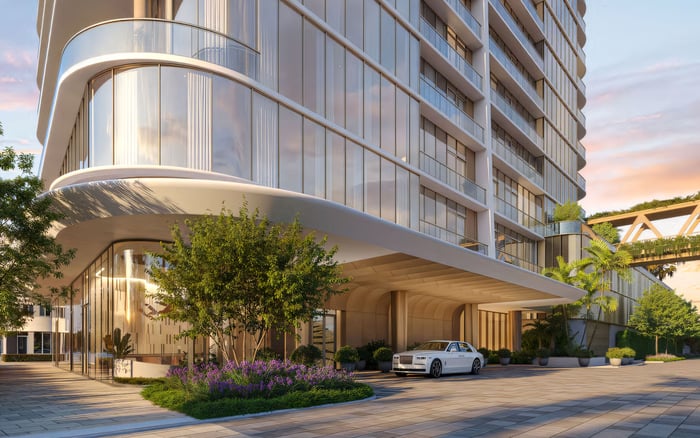
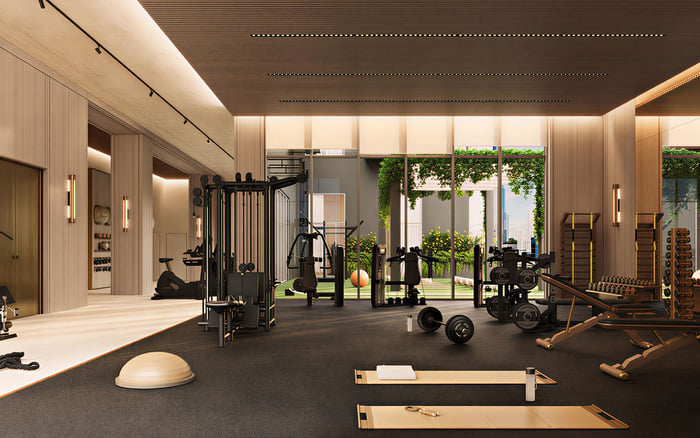
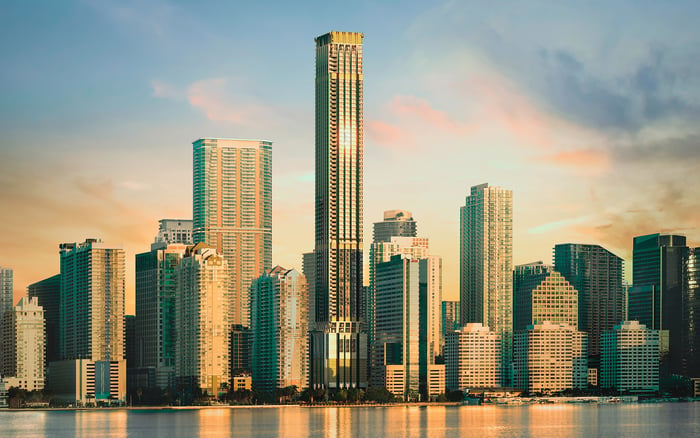
A buyer-oriented comparison of 619 Residences by Foster + Partners + Nobu Hospitality and Kempinski Residences Miami Design District, framed around architectural authorship, hotel-service expectations and long-term residential fit.
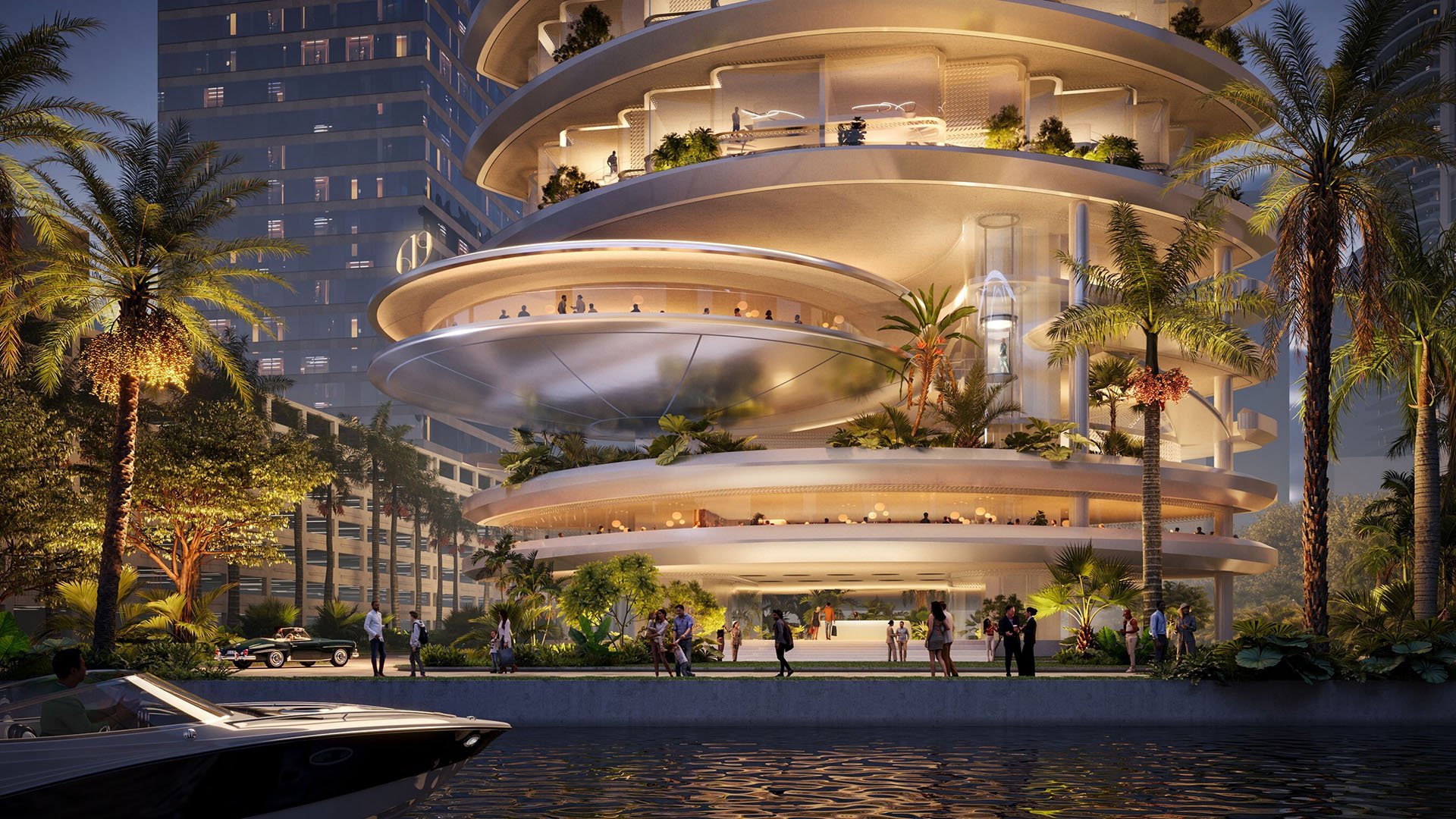
At the top of Miami’s branded-residence market, the question is no longer simply which tower looks more impressive. The more useful question is what kind of authorship a buyer wants to live with every day. 619 Residences by Foster + Partners + Nobu Hospitality frames the conversation around architectural pedigree and lifestyle association, while Kempinski Residences Miami Design District leans into hotel heritage in a neighborhood already fluent in design, fashion and collectible culture.
Both ideas appeal to the same sophisticated audience, but they speak different languages. One begins with design discipline and the promise of a carefully considered residential object. The other begins with the memory of service, arrival, hosting and hospitality. For a buyer deciding between them, the distinction matters because the brand is not only a name above the door. It shapes how a home is perceived, how guests are received and how the building may age in the market’s imagination.
Design pedigree is compelling because it gives a residence a sense of authorship. In the luxury tier, buyers often look beyond finishes and amenities toward proportion, restraint, sequence and the way a building composes daily life. A design-led residence can feel more personal than promotional. Its value is not dependent on constant novelty; it rests on whether the architecture remains legible and desirable over time.
For 619 Residences by Foster + Partners + Nobu Hospitality, the central appeal is the balance implied by the name itself: a design practice paired with a hospitality and culinary lifestyle brand. Without relying on hard claims about the program, a buyer can still read the positioning. The project is not trying to be anonymous. It invites residents to understand the home as part architecture, part atmosphere and part social language.
This is where Miami’s broader luxury field becomes useful. Buyers comparing a design-forward option may also look at The Residences at 1428 Brickell or Casa Bella by B&B Italia Downtown Miami to understand how architectural identity, interiors and brand alignment can create different emotional registers. Brickell and Downtown each attract buyers who want an urban address, but the strongest residences differentiate themselves by how convincingly the design idea carries from lobby to private home.
Hotel heritage offers a different kind of confidence. It is not only about visible luxury, but about the expectation that a residence will be managed with a certain hospitality rhythm. For buyers who travel often, host frequently or value seamless support, a hospitality-led residence can feel intuitive. The brand creates a mental shortcut: arrival should be graceful, service should feel practiced and the building should understand discretion.
Kempinski Residences Miami Design District benefits from that hospitality frame in a setting where the surrounding lifestyle already values presentation and experience. The Miami Design District is a natural environment for buyers who treat home as part of a wider cultural routine, with dining, fashion, art and design influencing how they move through the city. In that context, hotel heritage can feel less like ornament and more like operating philosophy.
The comparison is not about whether hotel heritage is better than design pedigree. It is about temperament. Some buyers want the quiet authority of an architectural statement. Others want the reassurance of hospitality habits translated into a private-residence setting. In Miami, both can command attention when the execution feels coherent.
The practical distinction emerges in daily use. A buyer who values retreat may prioritize proportion, light, privacy and an atmosphere that feels composed. A buyer who values social ease may focus on arrival, hosting flow, amenity etiquette and the way staff interaction shapes the experience of living there.
Pre-construction buyers should be especially clear about how they intend to use the home. A primary resident may care deeply about acoustic calm, elevator experience, package flow and the difference between hotel energy and residential stillness. A second-home owner may care more about lock-and-leave confidence, guest readiness and a brand that communicates easily to friends, family and future renters, where permitted.
New-construction luxury in Miami has become increasingly specialized. 888 Brickell by Dolce & Gabbana sits in the fashion-branded conversation, while Cipriani Residences Brickell speaks to hospitality and dining heritage. These comparisons do not replace the decision between 619 and Kempinski, but they sharpen what a buyer responds to: visual authorship, lifestyle theater, service culture or a precise blend of all three.
Investment analysis at this level should be more nuanced than asking which name is louder. A residence with lasting appeal tends to have a clear identity, a defined audience and a lifestyle that remains credible after the initial sales narrative fades. Boutique character can support scarcity and intimacy, while a larger hospitality concept can support recognition and operational familiarity. Neither is automatically superior.
For 619 Residences by Foster + Partners + Nobu Hospitality, the investment argument is strongest for a buyer who believes architectural authorship and curated lifestyle identity will remain important in Miami’s next cycle. For Kempinski Residences Miami Design District, the argument is strongest for a buyer who believes hotel heritage, branded service and district-level lifestyle will continue to matter. The sharper the buyer’s own use case, the clearer the decision becomes.
There is also a psychological factor. Some purchasers want a home that feels like a private collection piece. Others want a residence that feels like an extension of global travel habits. Both instincts are valid. The most confident choice is the one that matches how the owner actually lives, not merely how the brochure reads.
Choose 619 Residences by Foster + Partners + Nobu Hospitality if your priority is design authorship, spatial character and the sense that the residence itself is the main event. This is the more compelling direction for a buyer who wants architecture to do much of the talking and who sees brand partnership as an accent rather than the entire story.
Choose Kempinski Residences Miami Design District if your priority is hospitality fluency, arrival ritual and the cultural convenience of a design-focused neighborhood. This is the more compelling direction for a buyer who wants the private home to feel supported by a service tradition and a recognizable hospitality mindset.
The best comparison is not design versus service in the abstract. It is whether the buyer wants to own a residence that reads first as an architectural statement, or one that reads first as a hospitality-informed address. In South Florida’s luxury market, the winners are rarely generic. They are the residences that know exactly who they are for.
Is 619 Residences more design-led than Kempinski Residences Miami Design District? It is positioned around a notable design and lifestyle pairing, so design pedigree is central to how many buyers will read it.
Is Kempinski Residences Miami Design District mainly about hotel heritage? The Kempinski name gives the project a hospitality frame, which may appeal to buyers who value service culture and brand familiarity.
Which is better for a primary residence? The better fit depends on daily priorities such as privacy, service expectations, neighborhood rhythm and how often the owner entertains.
Which is better for a second home? A second-home buyer may favor the residence that feels easiest to arrive into, maintain and explain to guests or family members.
Does architectural pedigree matter for resale? It can matter when buyers continue to value the design identity, but long-term appeal also depends on execution, management and market taste.
Does hotel branding matter for resale? It can help when the brand suggests reliable service and a recognizable lifestyle, though the residence still needs to function well as a home.
Should buyers compare these with other Brickell projects? Yes, Brickell comparisons can help clarify whether the buyer prefers finance-district energy, culinary branding, fashion branding or architecture-led identity.
Is the Miami Design District a different lifestyle choice? Yes, it generally suggests a more design-, retail-, dining- and culture-oriented daily rhythm than a purely financial-core address.
Can a boutique feel outperform a larger branded concept? It can if the buyer values intimacy, privacy and scarcity more than broad name recognition or a highly visible hospitality platform.
What is the simplest way to choose between them? Decide whether you want your home to speak first through architecture or through hospitality, then evaluate every detail through that lens.
When you're ready to tour or underwrite the options, connect with MILLION.
If branded residences are on your mind — as a home or as an allocation — we would be glad to share what we are seeing, privately.
Begin a quiet conversation