
A buyer-focused look at how private enclaves and branded residential towers approach discretion, access, service, and day-to-day security for South Florida luxury purchasers.
For the ultra-premium buyer in South Florida, security is no longer a background feature. It is part of the architecture of daily life. The question is not simply whether a residence feels protected, but how that protection is delivered, how visible it becomes, and whether it complements the way an owner actually lives.
Two models dominate the conversation. The first is the private enclave: low profile, access-conscious, and often prized by buyers who value separation from the public realm. The second is the branded residential tower: service-led, highly staffed, and shaped around a managed hospitality experience. Both can appeal to sophisticated owners. They simply express privacy in different languages.
The distinction matters because luxury buyers are not seeking a generic sense of safety. They are calibrating discretion, arrival, guest access, household staff, deliveries, vehicles, amenities, and social exposure. A residence may be visually spectacular, but if the security experience does not match the household rhythm, the property can feel inconvenient rather than serene.
A private enclave is built around controlled approach. Its appeal is psychological as much as physical: fewer unknown passersby, a stronger sense of residential identity, and a lifestyle that begins before one reaches the front door. For many buyers, that first threshold is the luxury.
In South Florida, this model often resonates with owners who want a quieter residential cadence. They may be seasonal, family-oriented, high profile, or simply uninterested in the social theater of a busy lobby. Their preferred security experience is understated. The ideal is not a dramatic checkpoint, but a sequence of subtle filters: location, access pattern, limited traffic, and a household environment that feels intentionally removed.
Fisher Island is the clearest shorthand for this buyer psychology, and residences such as The Residences at Six Fisher Island speak to the enclave mindset without needing to overstate it. Buyers considering this world are usually comparing more than floor plans. They are evaluating how a place reduces friction, limits exposure, and supports a private rhythm across arrivals, departures, guests, and family life.
The private enclave model also tends to attract buyers who prefer architectural permanence over brand signaling. A gated community, a private island setting, or a limited-access waterfront address can create security rooted in scarcity and spatial control. The owner does not need every protective layer to announce itself. In fact, the quieter it feels, the more successful it may be.
Branded towers approach security through orchestration. The central promise is not isolation, but management. A staffed arrival, attended lobby, controlled elevators, amenity oversight, valet coordination, and resident services can create the sense of a building actively operating around the clock.
This model appeals to buyers who want privacy without solitude. They may enjoy restaurants, wellness spaces, social rooms, hotel-level service, and a recognizable residential experience that aligns with global expectations. Security here is tied to professionalism. The right staff culture matters as much as the building envelope.
In Brickell, the tower model is especially relevant because the neighborhood is energetic, vertical, and intensely urban. A project such as 888 Brickell by Dolce & Gabbana represents the kind of branded environment where arrival sequence, service choreography, and resident identity become part of the daily experience. The buyer is not seeking invisibility from the city; rather, the buyer wants a refined interface with it.
Similarly, St. Regis® Residences Brickell fits the branded-tower conversation because many buyers associate hospitality names with service discipline, consistency, and a clear hierarchy of resident care. The security advantage, in this context, is not merely a door or desk. It is a culture of controlled access supported by trained personnel and predictable procedures.
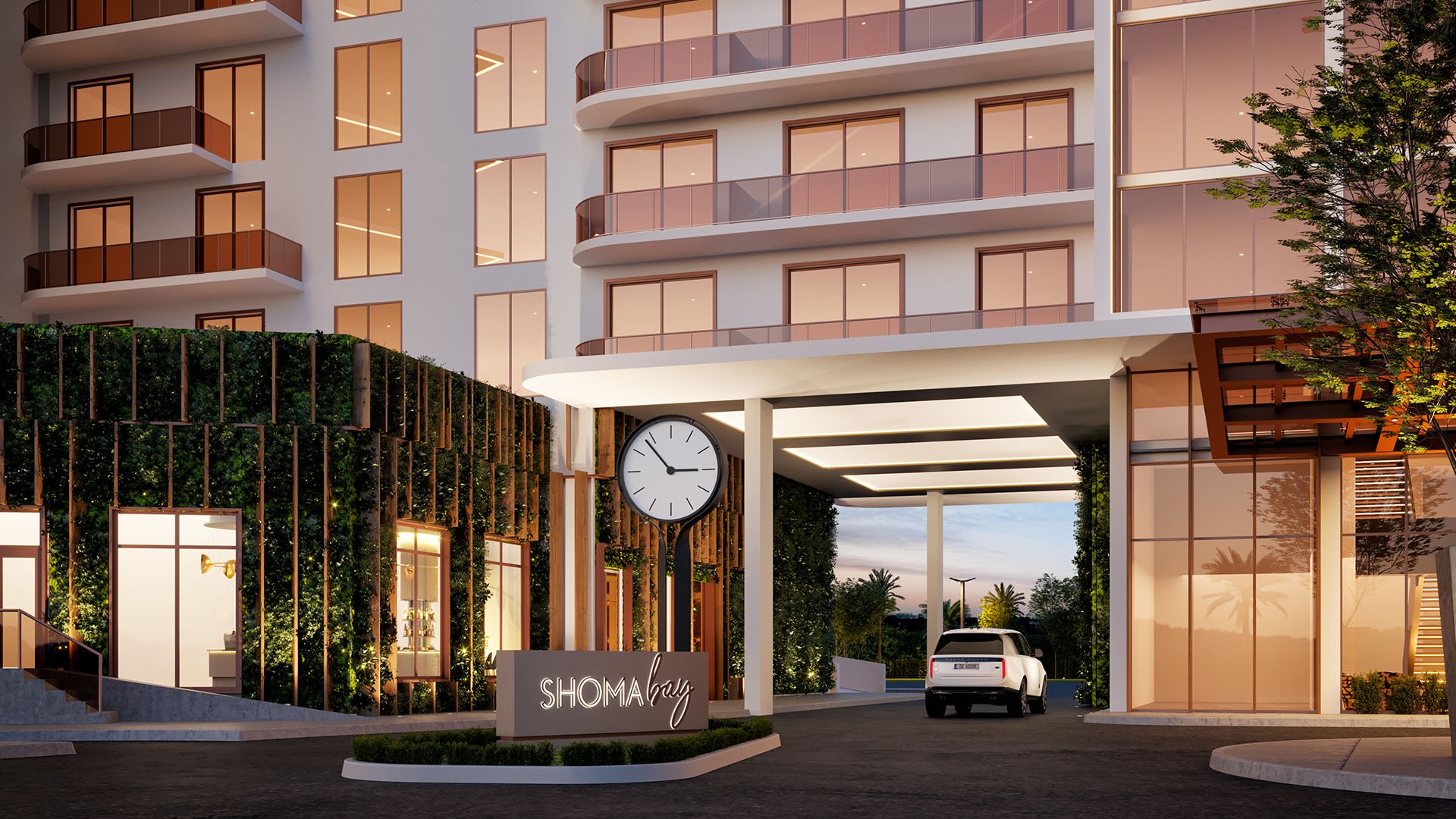
Security is often judged in the first moments of arrival. Does the drive feel exposed or composed? Is the transition from car to residence seamless? Are guests greeted in a way that feels elegant rather than intrusive? Is the owner insulated from unnecessary interaction?
Private enclaves tend to emphasize distance and sequence. The sense of control begins outside the residence, often through geography and limited access. Branded towers compress that sequence into a more vertical experience. The owner moves from valet or porte cochere to lobby, elevator, corridor, and residence, relying on staff and systems to maintain order.
Neither approach is inherently superior. A buyer with multiple vehicles, household staff, children, and frequent private guests may prefer the calmer staging of an enclave. A buyer who travels often, entertains in the building, and wants amenities managed with precision may prefer a tower. The security question becomes a lifestyle question: how many touchpoints do you want, and who should manage them?
This is why projects in Sunny Isles and waterfront urban neighborhoods can attract different answers from equally qualified buyers. A residence such as Bentley Residences Sunny Isles belongs in the conversation for purchasers thinking about the relationship between vehicles, vertical living, and highly designed arrival. For buyers, Sunny Isles can represent a broader decision about beachfront visibility, convenience, and controlled movement.
The private enclave buyer often wants privacy first and service second. The branded tower buyer often wants service as the mechanism for privacy. That distinction is subtle, but important.
In an enclave, the best moments may be the ones no one sees: a morning walk, a quiet dock, a family arrival, a dinner with friends, all supported by an environment that feels residential rather than performative. In a branded tower, privacy may come from excellent management: staff who know when to step forward, when to disappear, and how to maintain access discipline without making residents feel observed.
Buyers should ask practical questions. How are guests announced? How are deliveries handled? How is parking managed? How visible is the lobby from the street? How many residents, staff, vendors, and visitors move through the same spaces on a typical day? What happens when multiple owners host at once?
These questions matter more than labels. A boutique tower can feel more private than a poorly planned enclave. A large branded residence can feel calm if circulation is intelligently separated. A private island address can feel inconvenient if access does not suit the owner’s daily schedule.
South Florida offers rare breadth. Brickell gives buyers the energy of vertical city life. Miami Beach and Surfside bring oceanfront privacy into sharper focus. Fisher Island signals separation and exclusivity. Boca Raton, Fort Lauderdale, Palm Beach, and Sunny Isles each add different interpretations of access, service, and discretion.
For search-minded buyers, neighborhood and lifestyle terms can be useful starting points. Yet the more refined exercise is experiential. Walk the arrival path. Watch how staff engage. Study the guest route. Consider where children, drivers, assistants, friends, chefs, trainers, and vendors move. A truly secure residence makes all of those paths feel anticipated.
Private enclaves and branded towers are not opposing status symbols. They are two security philosophies. One protects through distance, scarcity, and residential quiet. The other protects through staffing, systems, and service culture. The right choice is the one that lets an owner move through South Florida with less friction, fewer compromises, and a deeper sense of command.
Are private enclaves always more secure than branded towers? Not necessarily. Enclaves may offer more separation, while branded towers may offer more active management and staffing.
Who is the best fit for a private enclave? Buyers who prioritize discretion, quiet arrivals, family privacy, and a lower public profile often gravitate toward enclaves.
Who is the best fit for a branded tower? Buyers who value service, amenities, staffing, and a polished urban or beachfront experience may prefer branded towers.
Does a luxury brand automatically mean better security? No. Practical quality depends on access design, staffing culture, resident policies, and daily operational discipline.
What should buyers evaluate during a property tour? Study the arrival, lobby visibility, elevator control, guest process, parking flow, and delivery handling.
Are branded towers less private because they have more amenities? Not always. Well-managed amenity spaces can preserve privacy if circulation and access are thoughtfully organized.
Can a private enclave feel inconvenient? Yes. Limited access can be a benefit or a drawback depending on commuting patterns, guests, staff, and lifestyle needs.
Is Brickell better suited to branded towers? Brickell often appeals to tower buyers because its urban setting rewards service, vertical access, and managed convenience.
Is Fisher Island more aligned with the enclave model? Fisher Island is commonly associated with privacy-minded ownership because its residential experience emphasizes separation.
What is the simplest way to choose between the two models? Decide whether you want security to feel like distance and quiet, or like service and coordination.
To compare the best-fit options with clarity, connect with MILLION.
If branded residences are on your mind — as a home or as an allocation — we would be glad to share what we are seeing, privately.
Begin a quiet conversation
.jpg&width=700&height=438&fit=cover)