A discreet comparison of three luxury residential choices through the practical lenses that shape daily life: walkability, school access, and weekend rhythm.
For sophisticated South Florida buyers, the conversation has moved beyond trophy recognition. The more useful question is how a residence behaves from Monday morning through Sunday evening. Walkability, school access, and weekend lifestyle are not secondary considerations. They determine whether a home feels effortless after the closing.
That is why 619 Residences by Foster + Partners + Nobu Hospitality, Arte Surfside, and One Thousand Museum Downtown Miami create a compelling three-way comparison. Each name suggests a different answer to the same practical brief: reduce friction, preserve privacy, and make the city feel personally curated.
This is not a ranking. It is a lifestyle audit. A buyer choosing among a design- and hospitality-led address, a Surfside coastal setting, and a Downtown landmark should focus less on which project photographs best and more on which one supports the household’s daily cadence.
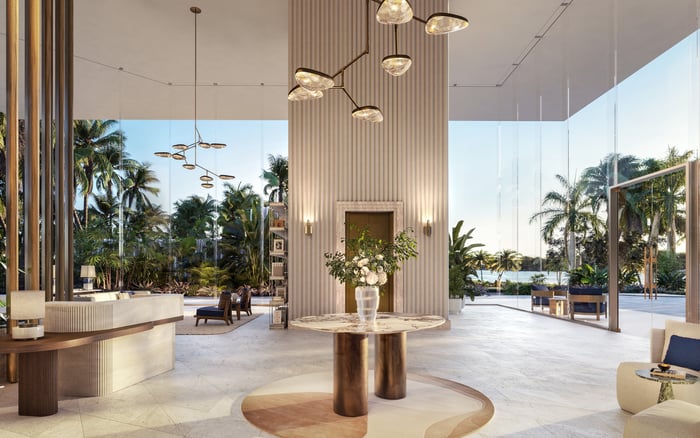
619 Residences enters the conversation through the pairing of Foster + Partners and Nobu Hospitality, signaling a buyer who values both architectural discipline and service culture. Without overstating the proposition, that combination points to a resident who wants city life to feel composed rather than improvised.
The appeal is likely strongest for buyers who move regularly among business meetings, dining, wellness appointments, and travel. In that rhythm, walkability is not merely the ability to step outside. It is the ability to compress the day. A strong urban residence lets an owner move from breakfast to work to an evening reservation with fewer transitions and less logistical drag.
For families, the school question becomes more nuanced. A city address can work well when the household has already mapped drop-off patterns, after-school schedules, driver coverage, and the routes that matter most. Private-school planning should begin before the property search narrows, because the right building is often the one that fits an existing education strategy rather than one that forces the family to reinvent it.
The weekend version of 619 Residences is likely more cosmopolitan than resort-like. Think lunches, cultural plans, overnight guests, and a home base that feels connected to the city rather than removed from it. For buyers who experience Miami as an active calendar, that can be the point.
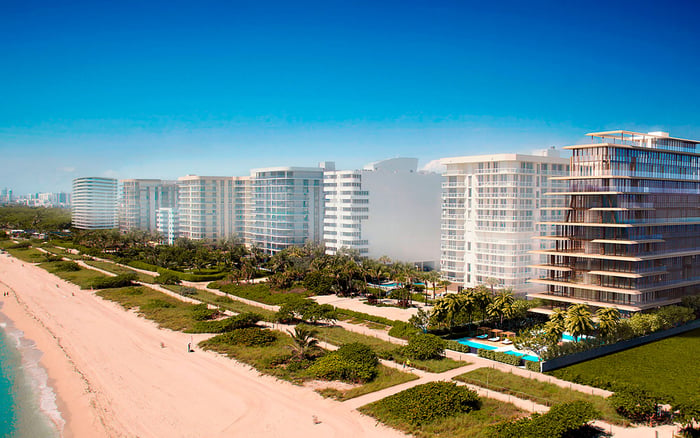
Arte Surfside speaks to a different instinct. Surfside already carries a residential softness that many buyers prefer when the household wants proximity to the ocean without the feeling of constant spectacle. The lifestyle thesis is less about being everywhere at once and more about making the everyday feel measured.
For this buyer, walkability is interpreted through neighborhood scale. Morning coffee, a beach walk, a local dinner, and a low-friction return home can be more valuable than a dense urban grid. The luxury is not only the residence. It is the ability to keep the day uncomplicated.
Beach-access is especially important here, not as a marketing phrase but as a behavioral advantage. If the ocean is meant to be part of daily life, then distance, arrival sequence, and privacy matter. A family that wants children, guests, or visiting grandparents to use the beach naturally should judge the setting by how it works repeatedly, not by how it feels on a single tour.
School access from Surfside should be evaluated with the same realism. Private-school schedules can create early mornings, and even affluent households feel the cumulative cost of an inefficient commute. The best coastal decision balances serenity with predictable routes. A beautiful address loses power if weekday mornings become fragile.
Arte Surfside therefore suits a buyer who wants a calmer base, a more residential weekend, and the sense that Miami can be enjoyed without being constantly performed.
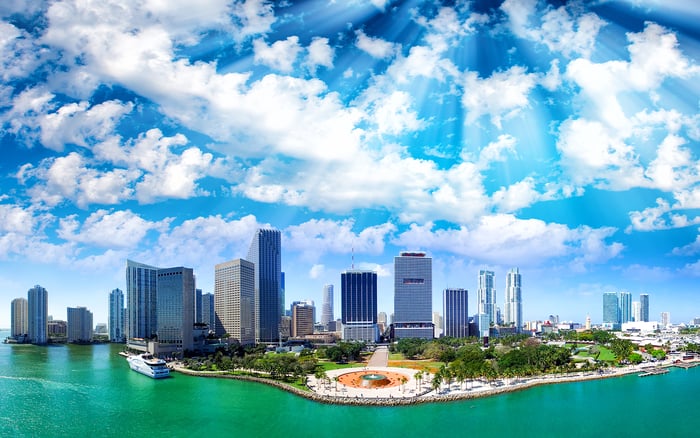
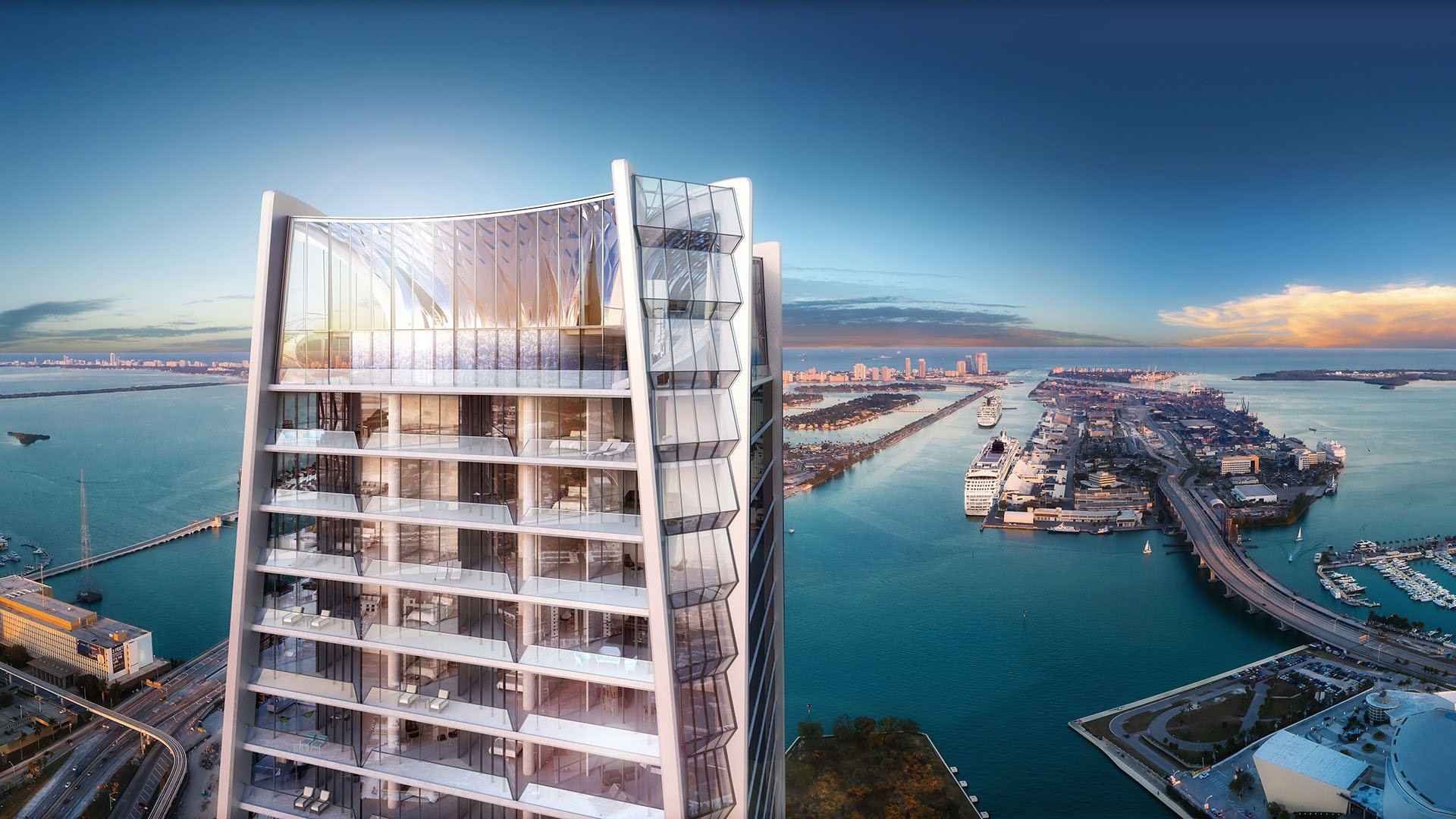
One Thousand Museum Downtown Miami offers the clearest Downtown lens in this comparison. Its identity is tied to the city, making it especially relevant for buyers who want an urban center of gravity. The decision here is not simply about height or skyline presence. It is about whether the household wants culture, business, dining, events, and water views within a more metropolitan frame.
Walkability in Downtown has a different texture from Surfside. It is less village-like and more event-driven. The buyer who thrives here may value the ability to attend performances, meet clients, host visiting friends, and move through Miami with immediacy. This can be particularly persuasive for owners who split time between cities and want their Miami residence to deliver energy the moment they arrive.
For families, the same discipline applies. One Thousand Museum Downtown Miami can be highly compelling for households that understand their school routes and daily support systems. The address may be urban, but the decision should still be domestic. Where will the child be at 7:45 a.m.? Where is the driver waiting? How quickly can a parent move from school to office to home? These questions matter more than broad assumptions about the neighborhood.
Weekend life Downtown can be elegant when it is intentional. A Saturday might include a museum, lunch, a game, a boat plan arranged elsewhere, or a dinner that does not require crossing half the county. The buyer who chooses this setting usually wants the city close, not just visible.
The most disciplined comparison begins with a weekly calendar. A buyer should map the household’s five most frequent movements: school, office, airport, wellness, and weekend dining. Only then can the residences be judged against real use rather than abstract appeal.
619 Residences is the most natural fit for a buyer drawn to design, hospitality, and a polished urban routine. Arte Surfside is strongest for someone prioritizing a quieter coastal rhythm and a more residential beach life. One Thousand Museum Downtown Miami is compelling for the owner who wants a vertical city experience and a Downtown base that keeps Miami’s energy close.
None of these choices is universally superior. Each solves a different kind of luxury problem. The right answer depends on whether the household wants the week to feel streamlined, the coast to feel restorative, or the city to feel immediate.
For buyers with children, school access deserves early attention. Private-school applications, calendars, after-school commitments, and morning traffic patterns are not background details. They are part of the residence itself. A building that appears ideal at noon may feel very different at 7:30 a.m. on a weekday.
Beach-access deserves the same practical scrutiny for coastal buyers. If beach time is central to the purchase, ask how often it will truly happen. The answer depends on privacy, ease, storage, guest flow, and the feeling of returning home afterward. Arte Surfside may resonate because that routine can be central rather than occasional.
For Downtown buyers, the equivalent question is cultural and social access. One Thousand Museum Downtown Miami may be most persuasive when the household plans to use the city actively. If the owner’s weekends are built around dinners, events, visitors, and a skyline setting, Downtown becomes a lifestyle tool rather than just a location.
The best luxury residence is not the one with the longest list of amenities. It is the one that removes the most friction from the life its owner already intends to live. In South Florida, that calculation is highly personal.
A buyer choosing among 619 Residences by Foster + Partners + Nobu Hospitality, Arte Surfside, and One Thousand Museum Downtown Miami should begin with identity, then test the details. Are you a hospitality-led urban buyer, a Surfside coastal buyer, or a Downtown cultural buyer? Once that is clear, the address becomes easier to read.
Is 619 Residences best for buyers who want an urban lifestyle? It may suit buyers who value design, hospitality, and a city-oriented routine, especially if their daily schedule is already centered around urban convenience.
Is Arte Surfside more lifestyle driven than city driven? Arte Surfside is naturally associated with a quieter coastal rhythm, making it attractive to buyers who want the beach and neighborhood scale to shape daily life.
Who should consider One Thousand Museum Downtown Miami? It is compelling for buyers who want a Downtown base with cultural, business, dining, and event access close to home.
How should families evaluate school access? Families should map school routes, drop-off timing, after-school obligations, and support logistics before treating any address as convenient.
Does walkability mean the same thing in each location? No. In Surfside, it may mean neighborhood ease, while in Downtown it may mean access to culture, dining, events, and business activity.
Is Beach-access enough to justify a coastal purchase? Only if the beach routine is genuinely easy and private enough to become part of daily or weekly life rather than remain an occasional amenity.
Can a Downtown residence work for a family? Yes, if the household has a clear school, driver, and schedule plan that makes weekday movement predictable.
Which option feels most discreet? Discretion depends on the household’s priorities, but Surfside often appeals to buyers seeking a calmer residential atmosphere.
Should buyers prioritize architecture or lifestyle fit? Architecture matters, but lifestyle fit determines whether the residence feels effortless after the initial excitement fades.
What is the smartest way to choose among the three? Start with the household calendar, then evaluate which address best supports the week, the school routine, and the weekend.
When you're ready to tour or underwrite the options, connect with MILLION.
If branded residences are on your mind — as a home or as an allocation — we would be glad to share what we are seeing, privately.
Begin a quiet conversation