A discreet buyer’s checklist for families evaluating 2200 Brickell in 2026, focused on entry sequence, school-day logistics, privacy, storage, wellness, and long-term livability.
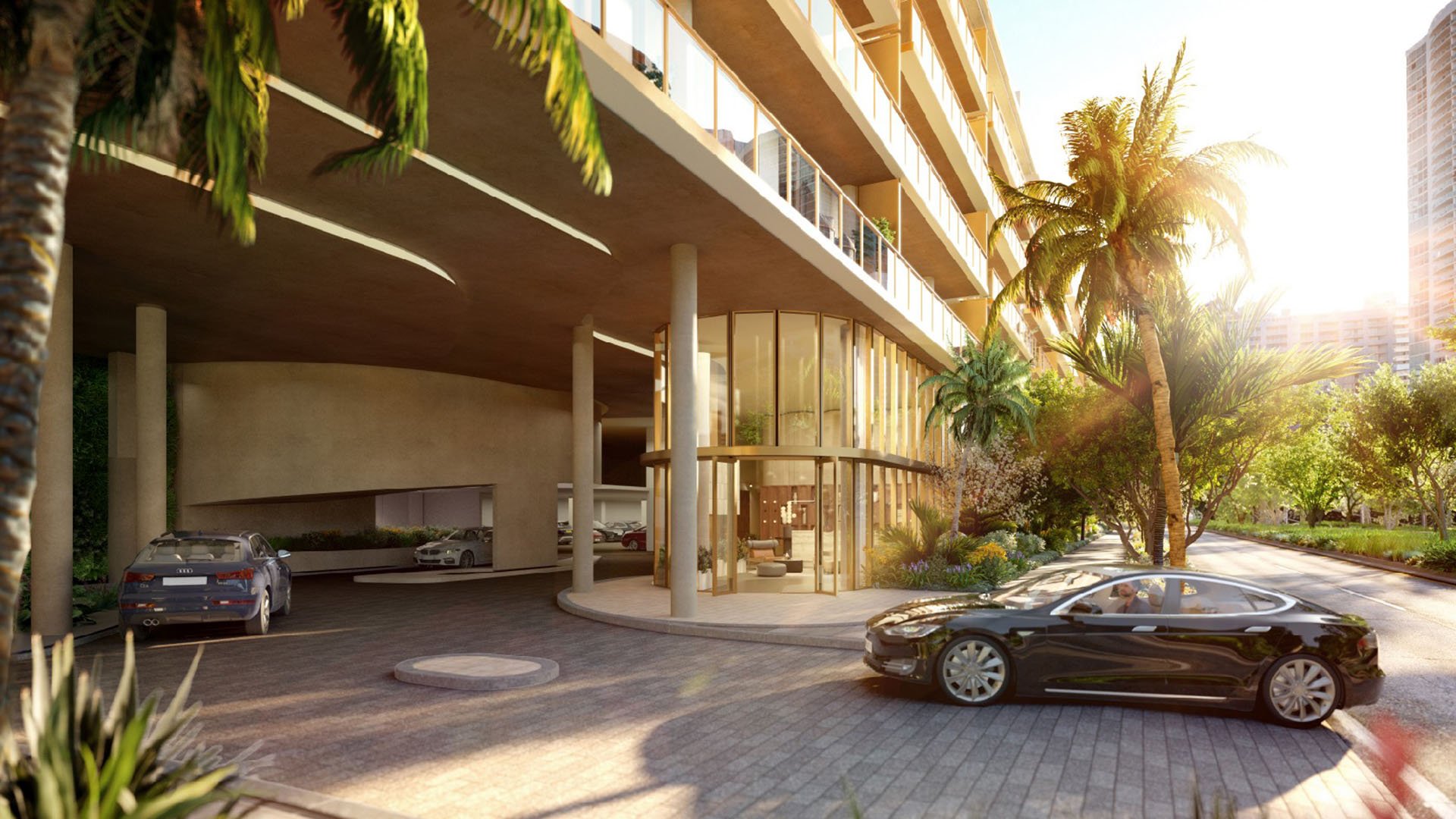
For families considering 2200 Brickell in 2026, the most revealing due diligence begins before the residence itself. It starts at the curb, moves through the arrival area, continues into the lobby, past the elevators, and ends at the private threshold. In a high-density urban neighborhood, the family-entry sequence is not a minor operational detail. It is the daily choreography that determines whether a home feels composed at 7:30 a.m., protected after dinner, and effortless when grandparents, tutors, drivers, guests, pets, packages, and children all intersect.
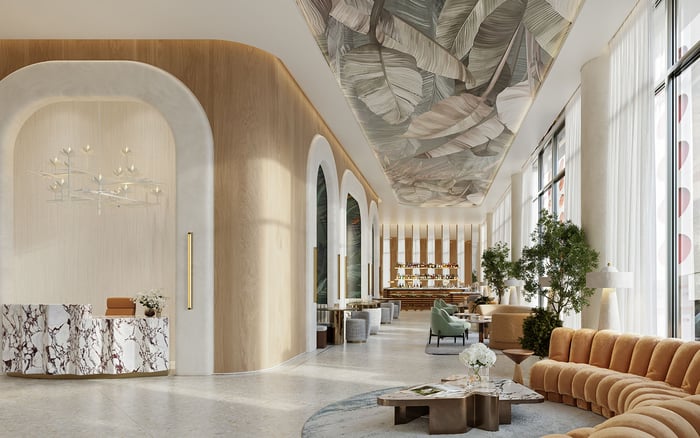
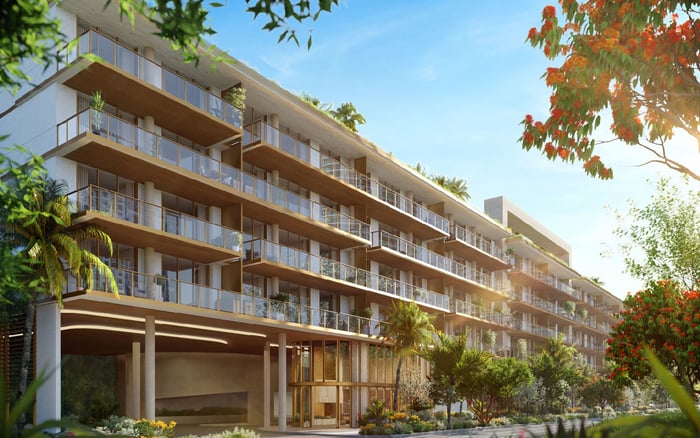
This is especially important in Brickell, where luxury living is increasingly defined by how quietly a building manages complexity. A residence may offer beautiful views and refined finishes, yet still underperform if the arrival rhythm feels exposed, congested, or improvised. The 2026 buyer should therefore evaluate 2200 Brickell not only as a residence, but as a sequence of controlled transitions: street to lobby, lobby to elevator, elevator to corridor, corridor to home.
The best family due diligence is practical. Walk the sequence as if it were a school morning, not a sales presentation. Ask where a car stops, how long a child is exposed to traffic or weather, where a stroller waits, and whether a second adult can manage bags, sports gear, and a pet without making the family feel on display.
For families with private-school calendars, the question is not simply distance. It is repeatability. Can the building support early departures, rideshare coordination, car-seat transfers, nanny access, and last-minute forgotten items without friction? Can the family move from residence to vehicle with discretion? Does the lobby feel elegant, yet resilient under real weekday pressure?
This is where Brickell buyers often separate the beautiful from the livable. A serene rendering is one thing. A calm weekday exit, repeated hundreds of times per year, is another.
Family-entry sequence is fundamentally about privacy. The strongest buildings create layers of separation without making daily life feel ceremonial. At 2200 Brickell, buyers should evaluate how visible the arrival path feels from the street, whether visitors and residents share key moments of movement, and how guest registration is handled.
Ask specific questions. Where does a delivery person stop? How are household staff authorized? What is the procedure for a visiting relative who arrives before the owner? How does the building distinguish between a contractor, a dinner guest, and a regular caregiver? These operational answers matter because luxury family life depends on trust, predictability, and discretion.
Comparable Brickell offerings, including St. Regis® Residences Brickell and Una Residences Brickell, also invite buyers to think beyond interior square footage. In this market, the entrance experience is part of the residence’s identity.
Elevators are often the hidden hinge of family living. A buyer should understand how residents, guests, service providers, and deliveries circulate. The goal is not merely speed. It is separation, dignity, and consistency.
For a family, the elevator test should include peak times, not just quiet tour windows. Consider how the sequence feels with a stroller, a child’s backpack, a dog leash, a rolling suitcase, and a guest carrying flowers for dinner. Corridors should feel secure, well proportioned, and acoustically controlled. The final walk from elevator to front door should reinforce calm, not compromise it.
This is also where a buyer can assess whether the building’s tone matches the family’s preferred level of formality. Some families want a more residential, understated cadence. Others prefer a staffed, hotel-like rhythm. Neither is universally better, but the match must be intentional.
Many luxury tours begin with the view. Families should begin at the front door. The first thirty feet inside the residence reveal whether daily life has been planned. Is there a natural place for shoes, bags, keys, packages, school materials, and sports equipment? Does the plan provide a graceful transition from public entry to private family space? Can guests be welcomed without seeing the entire household routine?
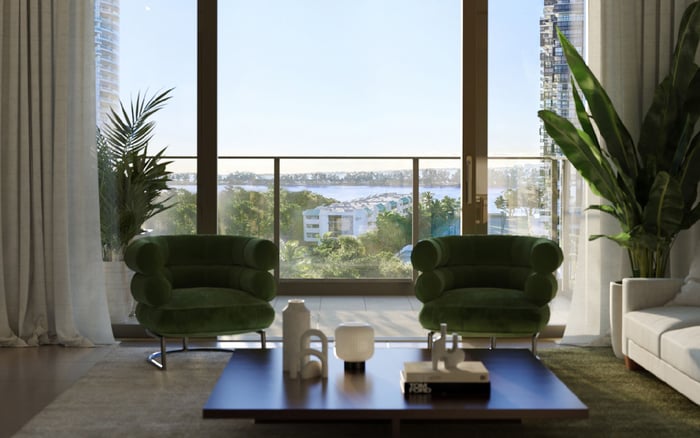
A balcony can be a meaningful lifestyle feature, but it should not distract from the interior logic that governs every day. The entry should allow adults to host elegantly while children move comfortably. The kitchen, living area, bedrooms, and storage should relate to one another in a way that supports both weekday efficiency and weekend ease.
When evaluating The Residences at 1428 Brickell or Cipriani Residences Brickell alongside 2200 Brickell, the same principle applies: a plan that photographs beautifully must also absorb real family life with composure.
Luxury finishes matter, but family due diligence should distinguish between delicacy and durability. Ask how flooring responds to sandy shoes, wheeled luggage, pets, and routine cleaning. Review cabinetry, hardware, appliance placement, lighting controls, and bathroom surfaces with the same seriousness typically reserved for views.
In new-construction and pre-construction purchases, sample boards and model residences are useful, but they are not substitutes for asking how materials will age. Families should discuss maintenance expectations, warranty structure, replacement protocols, and the practical implications of customized upgrades. The most refined home is not the one that looks untouched. It is the one that remains elegant while being fully lived in.
Storage is rarely glamorous, yet it is central to the family-entry sequence. A luxury residence must absorb luggage, holiday décor, school projects, beach equipment, scooters, golf bags, tennis gear, pet supplies, and bulk household items. If these items do not have a plan, they eventually occupy the entry, den, balcony, or parking area.
Buyers should ask about in-residence storage, assigned storage, bike and stroller policies, package rooms, cold storage if available, and rules for oversized deliveries. The question is not whether the family can fit into the home on move-in day. It is whether the residence can remain orderly after a full year of real use.
Rules shape lifestyle. Before signing, families should review pet policies, guest policies, move-in procedures, renovation guidelines, amenity access, children’s use of shared areas, valet protocols, and leasing restrictions if relevant. A building can be exquisite yet misaligned with a family’s daily habits.
The buyer should also consider how rules are enforced. A quiet, consistent building culture is often preferable to one that relies on occasional intervention. Families thrive where expectations are clear and the staff understands both hospitality and boundaries.
The strongest family residences usually hold appeal because their value is legible. A future buyer can see why the arrival works, why the plan is intuitive, why storage is sufficient, and why privacy feels natural. These are not decorative advantages. They are structural lifestyle advantages.
For 2200 Brickell, the 2026 due-diligence checklist should therefore be both emotional and disciplined. Does the home feel like a private retreat inside the city? Does the entry sequence reduce stress? Does the building support the household without overexposing it? If the answer is yes, the residence is doing more than presenting luxury. It is performing it.
Why does family-entry sequence matter at 2200 Brickell? It determines how smoothly the household moves from street to residence during daily life. For families, that transition affects privacy, stress, and perceived quality.
Should families tour during peak hours? Yes. A quiet tour can be useful, but peak-hour observation reveals elevator rhythm, arrival flow, valet cadence, and lobby atmosphere.
What should buyers ask about school-day logistics? Ask about curbside pickup, guest access for caregivers, elevator timing, package handling, and how quickly the family can leave the residence.
Is the lobby experience part of due diligence? Absolutely. The lobby is a daily room of the home in a vertical residence, especially for families receiving guests, staff, and deliveries.
How should buyers evaluate privacy? Follow the full route from vehicle to front door and note who can see, access, or interrupt each step. Privacy should feel layered, not forced.
What interior detail is most often overlooked? The first zone inside the front door. It must handle bags, shoes, keys, packages, and guests without compromising the main living areas.
Are amenities enough to determine family fit? No. Amenities matter, but daily circulation, storage, policies, acoustics, and staff protocols are often more important for family living.
How should pre-construction buyers think about finishes? They should review durability, maintenance, warranties, and upgrade options rather than judging materials only by showroom appearance.
Can a Brickell residence work for families long term? Yes, if the building supports school routines, privacy, storage, quiet circulation, and flexible living patterns over time.
What is the best final test before moving forward? Imagine a normal weekday with children, guests, deliveries, and errands. If the residence still feels calm, the fit is stronger.
For a confidential assessment and a building-by-building shortlist, connect with MILLION.
If branded residences are on your mind — as a home or as an allocation — we would be glad to share what we are seeing, privately.
Begin a quiet conversation