A buyer-focused comparison of address-led, wellness-led, and hospitality-led ownership models in Brickell for clients who prize daily walkability over resort identity.
For a certain luxury buyer, the most persuasive address is not the one that feels most like a retreat. It is the one that makes daily life more fluid. In Brickell, that distinction matters. The neighborhood can function less like a traditional resort district and more like a vertical village, where value is measured in time saved, walkable routines, easy meetings, spontaneous dinners, and the ability to move through the day without choreographing every decision around a car.
That is the proper lens for comparing 2200 Brickell, House of Wellness Brickell, and Viceroy Brickell. Each name frames a different ownership conversation. One is address-led, one is wellness-led, and one is hospitality-led. None should be judged solely by finish level or brand language. The more revealing question is how each ownership model supports, or complicates, the way a buyer intends to live.
For buyers who see Brickell as a livable urban center rather than a resort address, the strongest fit is usually the model that protects residential simplicity: clear private ownership, predictable use, understated services, and a daily rhythm shaped by the resident rather than by a program.
An address-led condominium model begins with the residence itself. The buyer is placing confidence in location, architecture, floor plan, privacy, governance, and long-term usability. In the context of 2200 Brickell, the attraction is not merely that it sits within the Brickell conversation. It is that the ownership decision can be evaluated through the classic luxury-residential checklist: livability, maintenance structure, resale audience, rental posture, and day-to-day convenience.
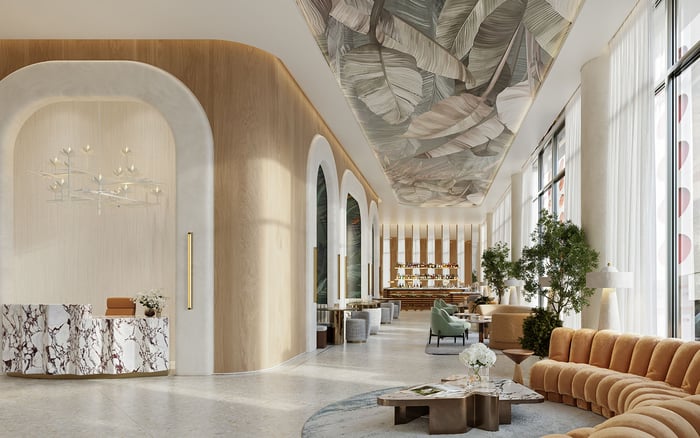
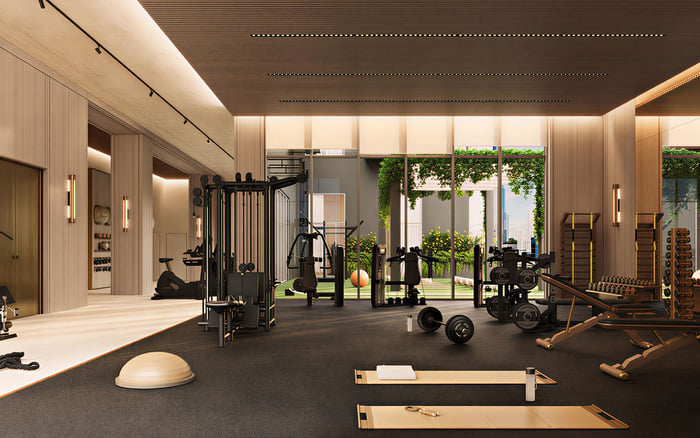
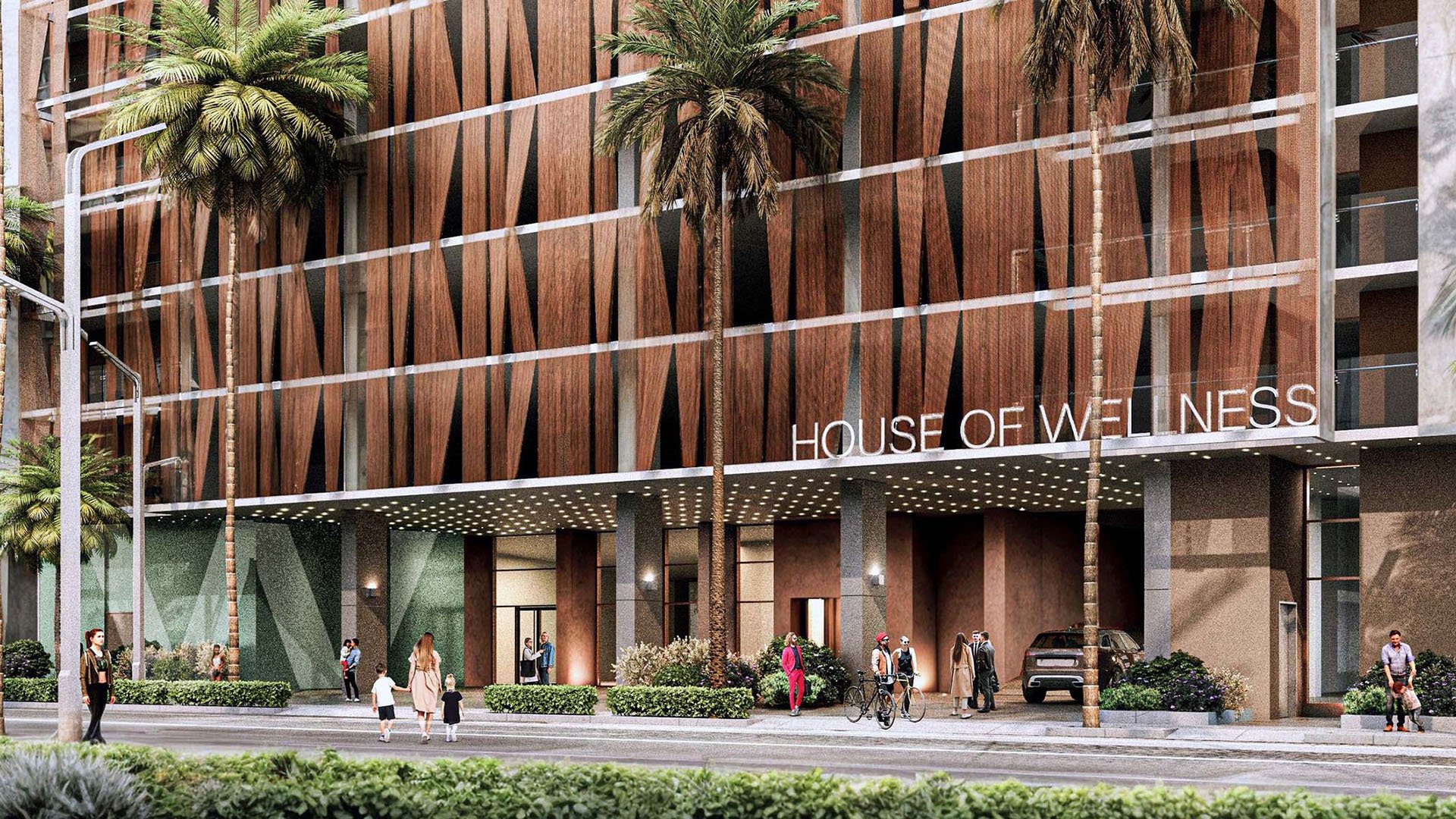
A wellness-led model is different. House of Wellness Brickell, by name and positioning, invites buyers to consider lifestyle infrastructure before prestige. That can be powerful for owners who want health, recovery, movement, and routine embedded into the home environment. The possible tradeoff is that the buyer must decide whether a wellness identity feels durable or too specific for future resale.
A hospitality-led model, such as Viceroy Brickell, shifts the conversation again. A hospitality name can appeal to owners who value service culture, design consistency, and the emotional familiarity of a hotel-style experience. For the walkable-village buyer, however, the question is whether that hospitality layer enhances daily life or nudges the property toward the psychology of a resort stay.
For a buyer who prefers a walkable village over a resort address, 2200 Brickell is the most natural conceptual fit among the three. The reason is not hype. It is alignment. The name leads with place and address, which suits a buyer choosing Brickell as a daily operating system rather than as a branded escape.
That distinction is meaningful. Village-style urban living rewards properties that feel easy to inhabit Monday through Thursday, not only impressive on a holiday weekend. The buyer is asking practical questions. Can I step out for dinner without making it an event? Can I maintain a routine? Can the building feel private even when the neighborhood is active? Does ownership feel straightforward enough for both primary use and future flexibility?
In this frame, 2200 Brickell speaks most directly to the client who wants residential clarity. It can sit within a broader new-construction and pre-construction decision set, but its appeal is not dependent on theatrical branding. The focus is the Brickell lifestyle itself: density, proximity, convenience, and the pleasure of having the city within immediate reach.
That makes 2200 Brickell especially relevant for end users who define luxury as control. They may admire hotel-caliber service, but they do not necessarily want the building’s identity dominated by it. They may appreciate wellness programming, but they do not want every resale conversation to hinge on one lifestyle theme. They want a residence that can age with them.
House of Wellness Brickell can be compelling for a buyer whose definition of luxury begins with personal performance. The walkable-village client is not always choosing restaurants and offices first. Sometimes the village is internal: a curated daily loop of training, recovery, calm, nutrition, and sleep.
For that buyer, a wellness-led ownership model may be more than a marketing idea. It may reduce friction. If the home environment reinforces the routines the owner already values, the building can feel unusually efficient. This can appeal to executives, frequent travelers, health-focused couples, and buyers who prefer a residence that actively supports how they want to feel.
The caution is specificity. Wellness is deeply personal. One buyer’s essential ritual can be another buyer’s unnecessary amenity burden. Before choosing a wellness-led property, a luxury buyer should study how the wellness identity is embedded in governance, costs, access, and daily operations. The question is not whether wellness is desirable. It is whether the ownership model remains broadly livable if the buyer’s habits evolve.
For the right client, House of Wellness Brickell may be the most emotionally resonant option. It is strongest when the buyer wants Brickell’s walkability outside the front door and a wellness ecosystem inside the building.
Viceroy Brickell will likely attract a different psychological profile: the buyer who wants an urban home with the polish of a hospitality address. For some owners, that is precisely the point. They want service expectations to be legible. They want guests to understand the experience quickly. They may be drawn to the confidence that a hospitality-associated name can provide.
This model can make sense for buyers who divide time among several homes, value lock-and-leave simplicity, or want a more curated residential atmosphere. It can also be relevant for an investment-minded buyer, provided the ownership documents and use rules align with the buyer’s goals.
The walkable-village buyer should still be deliberate. Hospitality energy can be a pleasure, but it can also change the way a building feels. Some residents want the city outside and calm domesticity inside. Others enjoy a more animated service culture. The right choice depends on whether the buyer wants Brickell to feel like home first, hotel second, or whether the hotel sensibility is part of the home’s appeal.
Viceroy Brickell is best suited to buyers who see branded service not as decoration, but as a functional component of ownership.
The most important due diligence is not aesthetic. It is structural. Before choosing among 2200 Brickell, House of Wellness Brickell, and Viceroy Brickell, buyers should compare how each model treats private use, guest access, rental permissions, association control, assessments, reserves, amenity obligations, and service costs.
For a primary resident, the cleanest model is often the one with the fewest lifestyle assumptions. That does not make it the most glamorous. It makes it durable. For a second-home owner, the calculus may change. Services, management, and brand recognition may matter more. For an investor, long-term rental rules, lease minimums, and owner-use restrictions become central.
The best luxury acquisition is rarely the one with the longest amenity list. It is the one whose legal, financial, and lifestyle structure matches the owner’s actual behavior. In Brickell, that may mean choosing the property that feels least like a destination and most like a sophisticated neighborhood base.
If the buyer’s priority is a walkable village lifestyle over a resort address, 2200 Brickell is the most direct fit. It appears best aligned with an owner who wants Brickell itself to do the lifestyle work: dining, movement, convenience, energy, and access. The ownership story is cleaner because the address leads.
House of Wellness Brickell is the more specialized choice. It can be excellent for a buyer who wants wellness to shape the residential experience, provided the model feels flexible enough for long-term use.
Viceroy Brickell is the more hospitality-forward choice. It can be ideal for a buyer who wants service, polish, and a recognizable lifestyle signal, but it may feel less purely residential than the address-led option.
The refined answer is therefore not that one is universally superior. It is that the walkable-village buyer should begin with 2200 Brickell, then test the other two against personal priorities: wellness intensity on one side, hospitality identity on the other.
Which option best fits a buyer who wants a walkable Brickell lifestyle? 2200 Brickell is the clearest conceptual fit for buyers who want an address-led residence centered on daily urban convenience.
Is House of Wellness Brickell mainly for health-focused buyers? It is best understood as a wellness-led option, making it most relevant to buyers who want routines and recovery to shape the residential experience.
Who is the natural buyer for Viceroy Brickell? Viceroy Brickell suits buyers who value hospitality branding, service culture, and a more curated ownership atmosphere.
Does a resort-style address conflict with walkable living? Not always, but a resort identity can shift the focus from neighborhood integration to destination-style experience.
What should buyers compare beyond amenities? They should review governance, use rights, rental rules, monthly costs, service obligations, and resale audience.
Is Brickell better for primary residences or second homes? Brickell can serve both, but primary residents often prioritize daily convenience while second-home buyers may value services more.
How should investment buyers evaluate these models? Investment buyers should focus on permissible use, lease rules, carrying costs, and the depth of future demand.
Do long-term rental rules matter in this comparison? Yes, because rental flexibility can affect liquidity, holding strategy, and the practical value of ownership.
Are new-construction buyers choosing lifestyle as much as property? Yes, especially in Brickell, where the neighborhood rhythm can be as important as the residence itself.
Should pre-construction buyers decide based on branding alone? No. Branding may help define the experience, but the ownership structure should determine whether the purchase truly fits.
For a discreet conversation and a curated building-by-building shortlist, connect with MILLION.
If branded residences are on your mind — as a home or as an allocation — we would be glad to share what we are seeing, privately.
Begin a quiet conversation