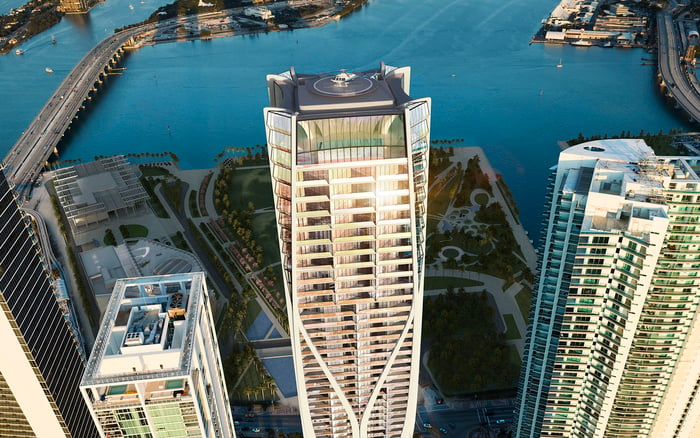
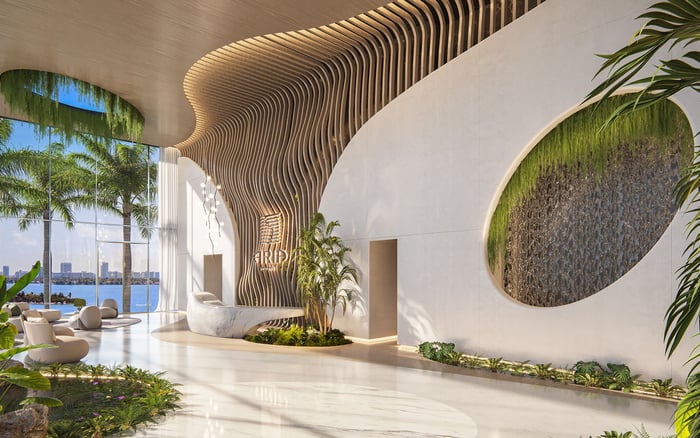
A buyer-focused guide to how bayfront views reshape luxury condo comparisons across Miami, Fort Lauderdale, and Palm Beach, with emphasis on lifestyle, privacy, light, boating access, and long-term fit.
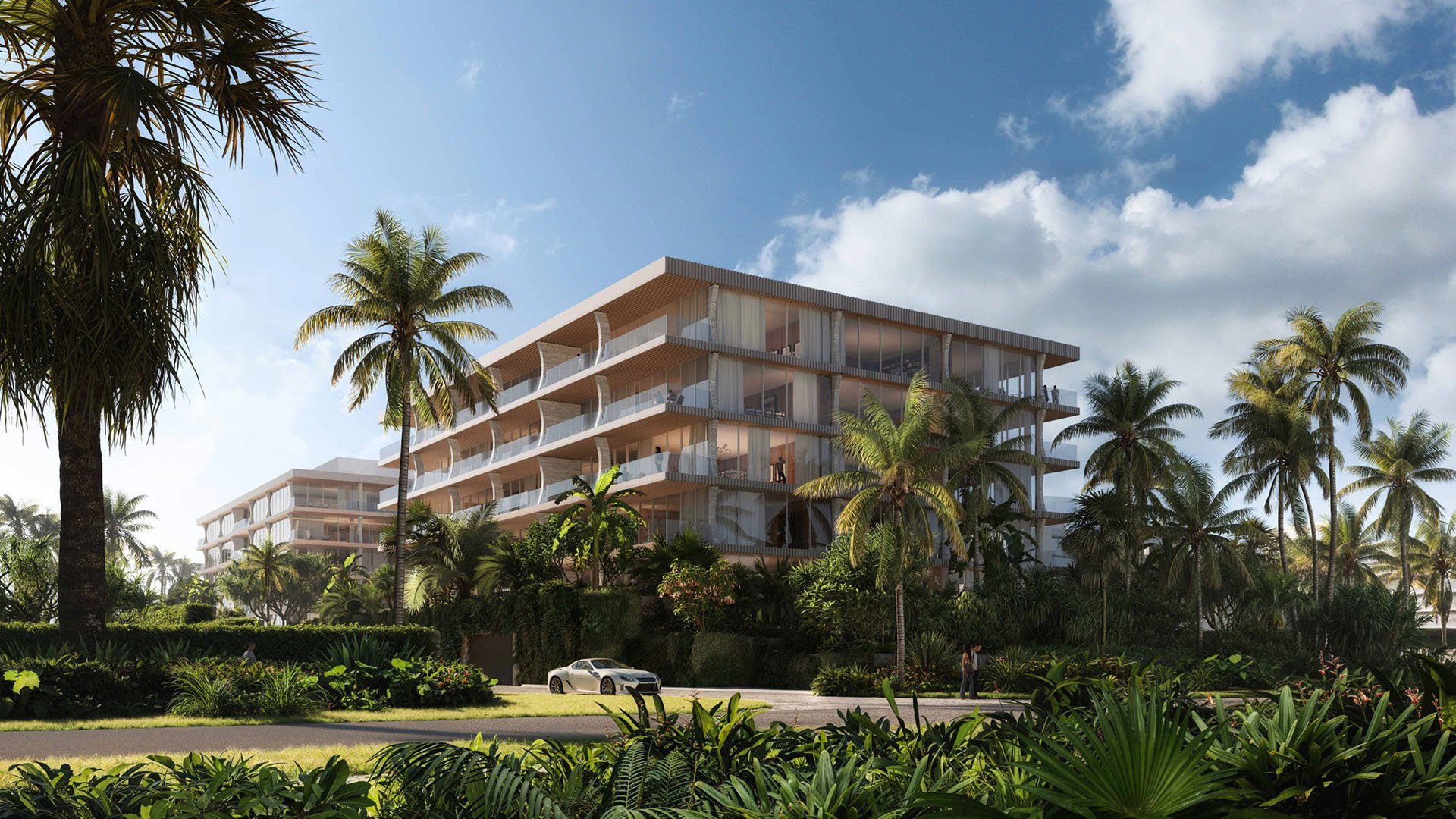
For luxury condo buyers in South Florida, a bayfront view is not simply scenery. It is a decisive filter that reshapes the entire shortlist. The same residence can feel dramatically different when its primary outlook is open water rather than another tower, a busy avenue, or a narrow urban corridor. Light arrives differently. Privacy reads differently. Morning routines, entertaining patterns, and even the emotional value of a second home begin to shift.
That is why buyers comparing Miami, Fort Lauderdale, and Palm Beach increasingly separate the search into two questions. First, which market best supports their life? Second, what kind of water view truly belongs to that life? The answer is rarely generic. A panoramic bay exposure in Miami may appeal to a buyer who wants energy and skyline drama. A Fort Lauderdale waterfront setting may speak to someone who values boating culture and an easier daily rhythm. A Palm Beach-area perspective may prioritize discretion, softness, and a more composed sense of arrival.
Miami changes the bayfront conversation because it pairs water with verticality. In Brickell, Downtown, Edgewater, Coconut Grove, and surrounding waterfront neighborhoods, the most compelling residences often offer a layered outlook: bay, boats, bridges, city lights, and sunrise or sunset transitions. For some buyers, that complexity is the point. The view is animated, metropolitan, and unmistakably Miami.
A Miami bayfront shortlist should begin with orientation. A residence facing open water can feel serene even in a high-energy district, while a skyline-facing exposure may deliver more evening glamour. Buyers should consider whether they want a view that performs at night, a view that calms the morning, or a balanced exposure that does both. In tower living, height matters, but so does the relationship among the building line, neighboring towers, and the width of the water corridor.
Miami also rewards buyers who think beyond the primary bedroom and living room. Does the kitchen receive natural light? Does the terrace feel usable in the afternoon? Is the balcony deep enough for dining, or is it primarily architectural? A spectacular bay view loses practical value if the outdoor space cannot support the way a buyer actually lives.
Fort Lauderdale brings a different kind of waterfront intelligence to the condo search. The view is often less about skyline spectacle and more about adjacency to water, vessels, and a quieter sense of movement. Buyers drawn to marinas, canals, and broad water corridors often find the city’s rhythm more intuitive than Miami’s vertical intensity.
In Fort Lauderdale, the bayfront or waterfront condo shortlist should be evaluated through a practical lens. How does the residence relate to boating? How easy is it to move between home, beach, dining, and the airport? Does the building feel residential throughout the week, or does it carry a more resort-oriented cadence? These questions shape daily satisfaction far more than a single dramatic photograph.
The marina buyer often values flow: from lobby to car, from residence to dock, from terrace to dining table. The best waterfront homes in this context feel connected rather than theatrical. They make water part of a daily routine, not just an occasional spectacle. For families, seasonal residents, and buyers who prefer a less compressed urban experience, that distinction can be decisive.
Palm Beach shifts the bayfront discussion again. Here, the strongest views often appeal to buyers who want beauty without constant movement. The value is not only in what is seen, but in what is not seen: less visual clutter, less intensity, and fewer distractions from the private experience of home.
A Palm Beach-oriented shortlist should weigh privacy, arrival, building scale, and the tone of the surrounding neighborhood. Some buyers want immediate access to dining and cultural life; others want a residence that feels removed the moment the door closes. The bayfront or intracoastal outlook becomes a form of architectural privacy, creating distance between the home and the public realm.
This market also rewards restraint. The most successful residence is not always the one with the loudest amenity narrative. It may be the home with the most graceful light, the most comfortable terrace, the calmest approach, or the most intuitive floor plan. For buyers who already know South Florida well, those quieter qualities often become more important than novelty.
A bayfront view changes the shortlist by forcing priorities into sharper order. If a buyer begins with brand, neighborhood, or amenities, the search can become broad quickly. When the view becomes the first filter, the list tightens. The buyer is no longer asking, “Which building is impressive?” The question becomes, “Which residence can I live with every day?”
This is where view discipline matters. A direct open-water outlook is different from a partial water glimpse. A long view over a bay is different from a narrow view between buildings. A high-floor panorama may be magnificent, but a lower, wider exposure can feel more intimate and connected to the landscape. None is universally superior. Each belongs to a different buyer profile.
The shortlist should also distinguish between postcard value and lived value. A view that photographs beautifully may not be the best view at breakfast, at dusk, or during peak sun. A terrace may look generous in plan but feel exposed in practice. A corner residence may offer drama but also introduce heat, glare, or furniture challenges. In the ultra-premium tier, these details are not minor; they are the difference between admiration and comfort.
The Miami buyer often wants immediacy. Restaurants, private clubs, offices, cultural venues, and airports shape the rhythm of the week. The bayfront view becomes a way to soften density without leaving the center of it. For this buyer, Brickell, Downtown, and Edgewater can remain highly compelling when the residence preserves openness and privacy.
The Fort Lauderdale buyer may be more water-native. Boating, beach access, and a refined but less hurried lifestyle often guide the search. Here, the view is most persuasive when it connects to movement on the water and a practical sense of ease. The home should not feel like an escape from the city so much as a natural extension of it.
The Palm Beach buyer often values discretion. The residence should feel settled, elegant, and composed. A bayfront view in this context is less about proving status and more about protecting atmosphere. It frames a life that is private, seasonal if desired, and deeply considered.
Aventura also belongs in the broader regional conversation for some buyers, particularly those comparing convenience, water orientation, and access between Miami-Dade and Broward. It can serve as a strategic middle ground for buyers who want South Florida connectivity without committing fully to the pace of central Miami.
Before narrowing the final shortlist, buyers should see a residence at different times of day whenever possible. Morning light, afternoon glare, evening reflection, and nighttime skyline quality can transform the same floor plan. The best decision comes from experiencing the view as a living condition, not a static image.
Buyers should also inspect terrace depth, railing transparency, ceiling heights, primary suite orientation, and the relationship between indoor seating and outdoor outlook. A bayfront residence should make water visible from the places where life actually happens. If the view is available only from one corner of the room, it may not justify the premium.
Finally, the building’s mood matters. Service culture, privacy at arrival, elevator configuration, parking experience, guest flow, and amenity usage all influence whether the view remains special or becomes merely a backdrop. In the most successful purchases, the view, plan, and building atmosphere align.
Does a bayfront view always command the best shortlist position? Not always. The best shortlist position belongs to the residence where the view, floor plan, privacy, and daily convenience work together.
Is Miami better than Fort Lauderdale for bayfront condo buyers? Miami is stronger for buyers who want density, skyline energy, and urban immediacy. Fort Lauderdale may suit buyers who prioritize boating, space, and a calmer rhythm.
Why do Palm Beach buyers weigh views differently? Palm Beach buyers often emphasize discretion, privacy, and atmosphere. A quieter water view can be more valuable than a more dramatic but exposed setting.
Should buyers prioritize high floors? High floors can enhance panorama and privacy, but they are not automatically better. Exposure, terrace usability, and sightline quality matter just as much.
What makes a bayfront view feel livable? A livable view is visible from the main rooms, comfortable at different times of day, and supported by a floor plan that invites regular use.
How important is terrace depth? Terrace depth is critical if outdoor dining or lounging is part of the lifestyle. A shallow terrace may provide beauty without meaningful function.
Can a partial water view still be desirable? Yes, if the residence offers strong design, privacy, light, and location. A partial view can be compelling when the overall living experience is superior.
Do amenities outweigh the view? Amenities matter, but they rarely replace the daily emotional value of a strong water outlook. The best purchase balances both.
What should second-home buyers consider first? Second-home buyers should focus on ease of arrival, lock-and-leave comfort, building service, and whether the view restores them immediately.
How should a buyer compare three markets efficiently? Start with lifestyle rhythm, then compare view quality, privacy, terrace function, and building atmosphere. This prevents the search from becoming purely address-driven.
To compare the best-fit options with clarity, connect with MILLION.
If branded residences are on your mind — as a home or as an allocation — we would be glad to share what we are seeing, privately.
Begin a quiet conversation