A discreet buyer’s guide to choosing between amenity-rich condominiums and private waterfront estates for remote executive life in South Florida.
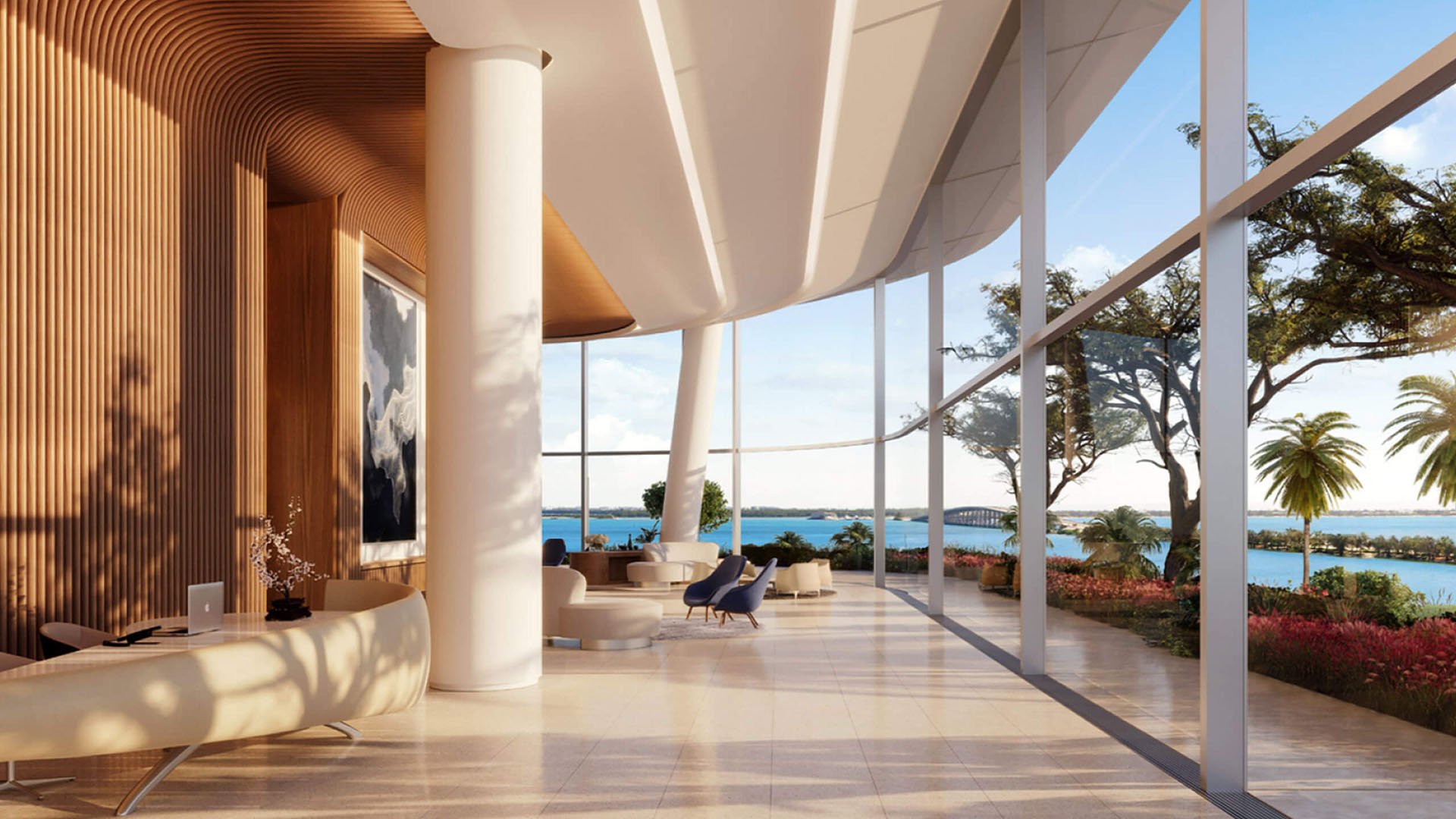
For remote executives in South Florida, the traditional hierarchy of luxury has become more personal. The question is no longer simply whether to buy the largest home, the highest floor, or the most recognizable address. It is whether daily life is better served by a full-service condominium, where staff, security, amenities, and maintenance are built into the experience, or by a waterfront estate, where privacy, autonomy, and land create a more controlled environment.
Both choices can be exceptional. The difference is operational. A remote executive does not simply sleep at home. The residence becomes office, retreat, studio, family hub, boardroom backdrop, and recovery space. The strongest property is the one that protects attention and removes friction.
A full-service condominium suits the executive who values efficiency over orchestration. Arrival is simplified, staffing is already in place, building security is part of the architecture, and many daily needs can be absorbed by the property itself. For frequent travelers, seasonal residents, or principals who prefer a lock-and-leave lifestyle, that convenience can become strategic.
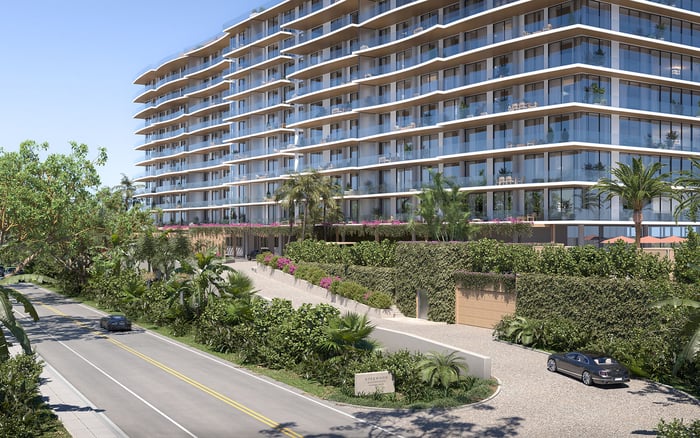
In Brickell, the appeal is especially clear for leaders who want proximity to the urban core without running a private household at estate scale. A residence such as The Residences at 1428 Brickell reflects the logic of vertical living for executives: privacy in the sky, service below, and a setting that supports both workdays and dinners without long transitions.
Full-service living also creates social and logistical clarity. Guests arrive through a managed environment. Deliveries, maintenance, valet, wellness routines, and entertaining spaces are typically easier to coordinate. For many executives, the value is not the amenity itself, but the fact that someone else manages the moving parts.
A waterfront estate offers something a tower rarely can: territorial privacy. The rhythm is different. There is no shared elevator, no common corridor, and no sense of moving through a building to reach home. For families with children, security teams, household staff, pets, visiting relatives, or private entertaining needs, the estate format can feel more natural.
This is where estate and single-family buyers tend to focus less on service menus and more on control. They want to decide how the property functions, who has access, where vehicles are placed, how workspaces are separated, and how outdoor areas are used. The estate becomes an ecosystem, not merely a residence.
The tradeoff is responsibility. A waterfront home requires oversight. Landscaping, dockage if present, pools, exterior systems, staffing, vendors, insurance considerations, and routine upkeep all require attention. For some executives, that is acceptable because the reward is self-determination. For others, it becomes another operating company.
The most important question is not condo versus estate. It is where your performance improves. Some executives need the quiet discipline of a tower: a defined residence, a gym downstairs, a meeting room available, services arranged, and a city immediately accessible. Others need distance, quiet, water views, and the ability to move between indoor office, outdoor terrace, and family areas without leaving the property.
Miami Beach offers a middle ground for buyers who want residential calm with a refined coastal setting. The Perigon Miami Beach is the kind of address that can appeal to executives who want condominium service and ocean-oriented living without the burden of managing a private compound.
Think about the weekly pattern. How often do you host colleagues? Do you take confidential video calls all day? Does your work require silence, or do you thrive near restaurants, culture, and private clubs? Do you travel weekly, monthly, or seasonally? The answers are more revealing than square footage.
A common mistake is assuming full service automatically means less privacy. In the best buildings, service can protect privacy by controlling access, managing arrivals, and reducing random vendor traffic into the residence. The key is fit: building culture, elevator configuration, staffing discretion, and the separation between public amenities and private residential areas.
Conversely, an estate is not automatically private if it sits on an exposed lot, requires constant vendor access, or lacks thoughtful separation between family, staff, and guest zones. True privacy is designed and managed. It is not simply purchased.
For executives drawn to branded residences, the attraction often lies in a promise of consistency. The name matters less than the lived result: service that feels anticipatory but not intrusive, hospitality that supports the home rather than turning it into a hotel, and operations that remain composed when the owner is away.
South Florida is not one market in lifestyle terms. Brickell can suit executives who want city energy and a short transition between meetings, dining, and home. Miami Beach can offer a coastal identity with a more resort-like cadence. Fort Lauderdale may appeal to buyers who prefer a boating-oriented lifestyle, a slightly different urban tempo, and access to water without the same daily intensity as Miami’s core.
For example, St. Regis® Residences Bahia Mar Fort Lauderdale speaks to the executive who wants a service-rich residential experience in a marina-minded setting. The choice is not only about the building. It is about whether the surrounding rhythm supports the way the owner thinks, hosts, travels, and resets.
Fisher Island, by contrast, often enters the conversation when buyers want separation from the mainland pace while staying connected to South Florida. The Links Estates at Fisher Island belongs in the mental category of highly private residential living, especially for those weighing estate-like scale against managed-community convenience.
The best decision begins with a personal operating brief. Start with five questions. First, who uses the home daily? Second, how often is the owner away? Third, what level of staff or vendor oversight is acceptable? Fourth, how much entertaining is professional rather than personal? Fifth, does the household value anonymity, access, or acreage most?
If the owner travels constantly, a full-service condominium may provide superior peace of mind. If the owner works from home most days and needs expansive separation, the estate may be better. If family life is the center of gravity, outdoor space and private zones may outweigh concierge convenience. If the residence is one of several homes, ease of reentry may matter more than total control.
The answer can also change by life stage. A principal with young children may prefer a private waterfront home. An empty nester with global travel may later prize a serviced residence. A founder building a company remotely may need a hybrid: enough service to remove distractions, enough privacy to think clearly.
For remote executives, the real luxury is not merely ocean frontage or a staffed lobby. It is time returned. Time not spent supervising repairs. Time not spent coordinating arrivals. Time not spent driving when focus is already depleted. Time not spent wondering whether the home is ready after a long flight.
A full-service condo wins when it compresses complexity. A waterfront estate wins when it expands autonomy. The right answer is the residence that makes high-performance life feel calm, protected, and intelligently arranged.
Is a full-service condo better for executives who travel frequently? Often, yes. A managed building can make arrivals, departures, maintenance, and security feel more predictable.
Is a waterfront estate better for privacy? It can be, especially when the property layout, access points, and staffing plan are designed with discretion in mind.
Which option is easier for remote work? A condo may offer convenience and amenities, while an estate may offer more separation. The better choice depends on how you work.
Do branded residences matter for remote executives? They can, if the service culture reduces daily friction. The brand should be judged by operations, not just recognition.
Should executives prioritize views or floor plan? Floor plan usually matters more. Views inspire, but acoustic separation, office placement, and circulation shape daily performance.
Can a condo feel private enough for confidential calls? Yes, if the residence has the right layout, secure access, and sufficient separation from shared spaces.
Can an estate become too much to manage? Yes. Without reliable oversight, the independence of an estate can turn into a significant administrative burden.
Which areas suit urban executives best? Brickell and Miami Beach can suit buyers who want access, dining, and services close to home.
Which areas suit a more residential rhythm? Fort Lauderdale, Fisher Island, Boca Raton, and other quieter enclaves may appeal to buyers seeking calmer routines.
What is the most important factor in the decision? Choose the property that protects focus, privacy, and time, not the one that simply reads best on paper.
For a tailored shortlist and next-step guidance, connect with MILLION.
If branded residences are on your mind — as a home or as an allocation — we would be glad to share what we are seeing, privately.
Begin a quiet conversation.jpg&width=700&height=438&fit=cover)